Are you wondering if you can swap kettlebells for dumbbells in your workout? If you’ve ever found yourself without a kettlebell but still want to get a solid training session, this question is probably on your mind.
Using dumbbells instead might seem like an easy fix, but does it really give you the same benefits? Keep reading to discover how dumbbells stack up against kettlebells and what that means for your fitness goals. By the end, you’ll know exactly when and how to use each tool to get the most out of your workouts.
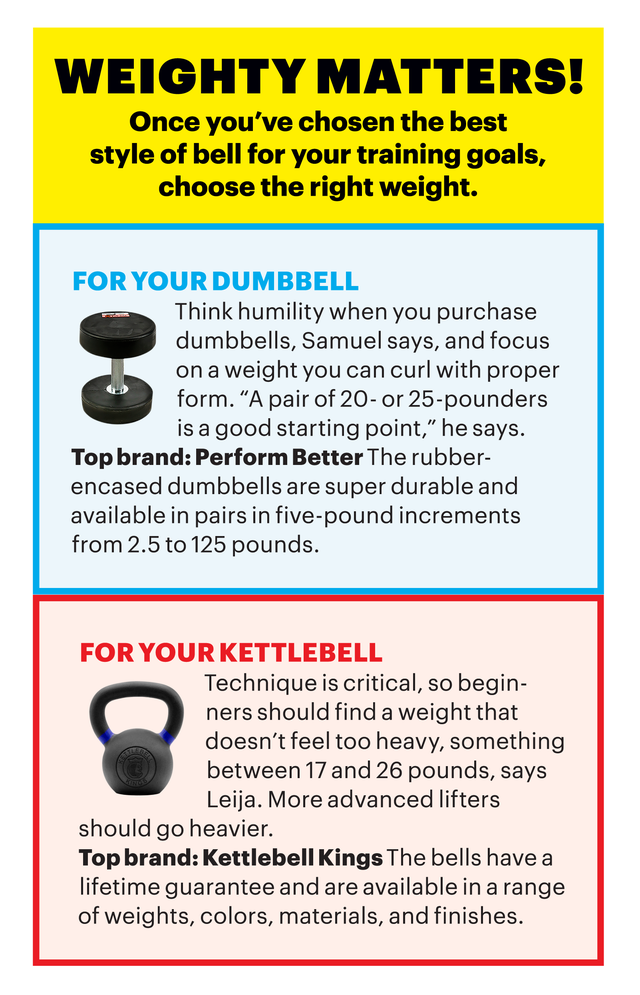
Credit: www.menshealth.com
Differences Between Dumbbells And Kettlebells
Dumbbells and kettlebells look similar but serve different purposes. Understanding their differences helps you choose the right tool for your workouts. Each has unique features affecting how you exercise and the results you get. Below, we explore key differences between dumbbells and kettlebells.
Design And Grip Variations
Dumbbells have a straight handle with weights on both ends. They feel balanced and easy to hold for most exercises. Kettlebells have a round body with a thick handle on top. The handle allows a grip that changes during motion. This design supports swinging and circular movements.
Weight Distribution
Dumbbells have evenly spread weight on each side of the handle. This balance makes them good for controlled lifting. Kettlebells have an off-center weight, with most mass below the handle. This uneven weight challenges your muscles differently and improves stability.
Movement Range
Dumbbells work well for static and controlled exercises. They limit the range of motion in swinging moves. Kettlebells allow a wider range of dynamic movements. Their shape suits exercises like swings, snatches, and cleans. This variety targets muscles in new ways.

Credit: www.youtube.com
Benefits Of Using Dumbbells
Dumbbells are a popular choice for many fitness enthusiasts. They offer several advantages that suit both beginners and experienced lifters. Using dumbbells can help you build strength, improve balance, and increase muscle tone. Many people find them easy to use at home or in the gym.
These weights come in various sizes and shapes, making them suitable for different workouts. Their design allows for natural movements that reduce the risk of injury. Dumbbells also help target muscles more precisely compared to some other equipment.
Versatility In Exercises
Dumbbells let you perform a wide range of exercises. You can work on your arms, chest, back, and legs with just one set. They support both single-arm and double-arm movements. This variety helps keep your workouts fresh and challenging. Using dumbbells also improves coordination and stability.
Ease Of Access
Dumbbells are available in most gyms and fitness stores. Many people already have them at home. They are simple to use, even for beginners. You do not need special skills or training to start. This makes dumbbells a convenient option for everyone.
Cost And Space Efficiency
Dumbbells are usually less expensive than kettlebells. You can buy a few pairs without spending much money. They take up less space in your home or gym. You can store them easily on racks or shelves. This makes dumbbells a practical choice for small areas.
Benefits Of Using Kettlebells
Kettlebells offer unique benefits that other weights cannot match. Their shape and design make exercises more fluid and natural. Using kettlebells can improve strength, balance, and coordination all at once.
These benefits make kettlebells popular for many fitness routines. They challenge the body differently than dumbbells, helping you gain more in less time.
Dynamic Movements
Kettlebells allow swinging, pulling, and pushing motions. These dynamic moves activate many muscle groups together. This leads to better fat burning and muscle building. Dumbbells are usually better for slow, controlled lifts. Kettlebells add momentum and power to workouts.
Core Engagement
Kettlebell exercises require strong core control. The weight shifts with each movement, forcing the core to stabilize. This helps improve posture and balance. Dumbbells do not challenge the core as much. Kettlebell training strengthens the abs and lower back.
Improved Grip Strength
Kettlebell handles are thicker and harder to hold. This builds stronger hands and forearms. Better grip strength helps in other exercises and daily tasks. Dumbbells usually have thinner handles. Kettlebells train your grip more effectively.
Exercises That Translate Well Between Dumbbells And Kettlebells
Dumbbells and kettlebells share many similarities in how they work your muscles. Some exercises work well with both tools. You can switch between them without losing much effectiveness. This helps keep your workouts fresh and flexible.
Here are some exercises that translate well between dumbbells and kettlebells. They target the same muscles and offer similar benefits.
Swings And Deadlifts
Swings are a classic kettlebell move, but dumbbells work too. Hold one dumbbell with both hands like a kettlebell. Use your hips to swing it forward. This builds power and burns calories fast.
Deadlifts also adapt easily. Hold a dumbbell in each hand or a kettlebell in front. Keep your back straight and lift with your legs. Both tools strengthen your lower back, glutes, and hamstrings.
Presses And Rows
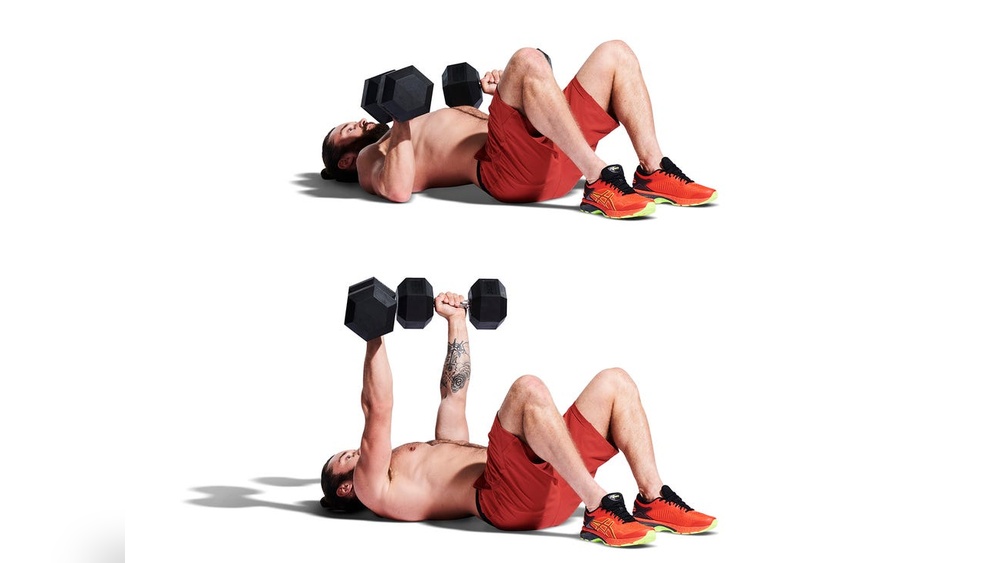
Presses work great with dumbbells and kettlebells. You can do overhead presses or floor presses. Dumbbells offer more range of motion, but kettlebells add grip challenge. Both build shoulder and arm strength.
Rows are simple with either tool. Use one hand at a time or both together. Pull the weight towards your chest to work your back muscles. Dumbbells are common for rows, but kettlebells add a unique feel.
Squats And Lunges
Squats with a dumbbell or kettlebell add resistance. Hold the weight close to your chest or let it hang. Both versions improve your legs and core. You can vary the grip for comfort.
Lunges also translate well. Hold the weight at your sides or in front. Step forward, then push back. This exercise tones legs and improves balance. Dumbbells and kettlebells both work well here.
Exercises That Are Challenging To Swap
Some kettlebell exercises are very hard to do with dumbbells. These moves use the unique shape and balance of kettlebells. Replacing them with dumbbells can change the workout’s feel and challenge.
These exercises need the kettlebell’s design to work right. Trying to swap them can make the move less effective or harder to perform safely. Let’s look at some kettlebell exercises that are tough to replace with dumbbells.
Kettlebell Snatch
The kettlebell snatch is a fast, powerful move. It needs swinging the kettlebell in one smooth motion. The handle and weight shape help keep control. Dumbbells lack this design, making the snatch awkward and less fluid.
Using dumbbells can also risk wrist strain. The kettlebell allows a natural wrist roll. Dumbbells do not, which can cause discomfort.
Turkish Get-up
The Turkish get-up is a full-body exercise. It requires holding the kettlebell steady overhead while moving on the floor. The kettlebell’s shape helps balance the weight. Dumbbells can slip or feel unstable in this move.
This exercise needs grip strength and control. Dumbbells do not offer the same feel, making the movement harder to perform correctly.
Kettlebell Clean
The kettlebell clean moves the weight from the ground to the rack position smoothly. The unique kettlebell shape allows the weight to swing close to the body. Dumbbells are bulkier and harder to swing cleanly.
Using dumbbells can cause banging against the wrist. The kettlebell design reduces this impact. This makes the clean safer and more comfortable with kettlebells.
Tips For Adapting Dumbbells To Kettlebell Workouts
Using dumbbells instead of kettlebells can work well with some changes. Dumbbells have a different shape and weight distribution. These tips help you adjust your workout safely and effectively. Focus on grip, stance, speed, and control. This keeps your exercises effective and reduces injury risk.
Adjusting Grip And Stance
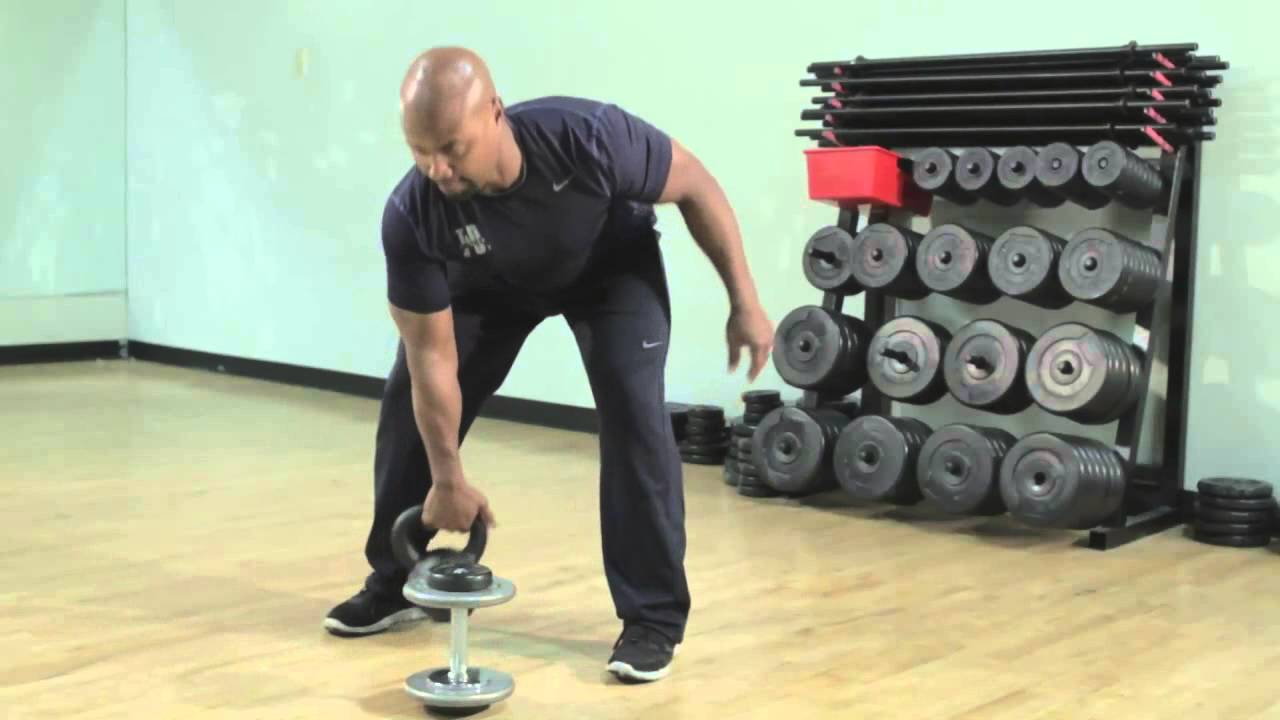
Dumbbells do not have a handle like kettlebells. Hold them firmly with both hands or one hand depending on the exercise. Widen your stance for better balance. This helps keep control during swings and lifts. Keep your wrist straight to avoid strain.
Modifying Movement Speed
Dumbbells move differently than kettlebells. Slow down your movements to stay safe. Control each lift or swing carefully. This reduces the chance of dropping the weight. Slow movements also improve muscle engagement and strength.
Focusing On Form And Control
Form matters most with dumbbells. Watch your body position closely. Keep your back straight and core tight. Move smoothly without jerking the weight. Good form prevents injury and improves results. Practice with light weights before increasing load.
When To Choose Dumbbells Over Kettlebells
Dumbbells and kettlebells both build strength and improve fitness. Choosing dumbbells over kettlebells depends on your needs and goals. Some situations make dumbbells the better choice. Understanding these moments helps you plan your workouts better.
Dumbbells offer versatility and ease of use. They fit well in many fitness routines. Here are key times when dumbbells serve you best.
Beginner-friendly Options
Dumbbells are easier for beginners to handle. Their balanced shape feels more natural in the hand. This reduces the risk of injury. Beginners can learn basic exercises comfortably. Movements with dumbbells are more controlled and simple.
Starting with dumbbells builds confidence. You can focus on form and strength. They help develop a solid exercise foundation before moving to kettlebells.
Limited Equipment Availability
Many gyms and homes have dumbbells but lack kettlebells. Dumbbells come in many sizes and weights. This variety makes them handy for different workouts. When kettlebells are not available, dumbbells fill the gap easily.
They take less space and are easier to store. Using dumbbells avoids workout interruptions caused by missing equipment. They keep your routine consistent and effective.
Targeted Muscle Training
Dumbbells allow precise muscle targeting. You can isolate specific muscles better than with kettlebells. Exercises like bicep curls or shoulder presses work well with dumbbells. This focus helps fix muscle imbalances and build strength evenly.
They enable controlled, slow movements. This control aids muscle growth and joint safety. Dumbbells suit workouts aiming for muscle shaping and toning.
Credit: www.youtube.com
When Kettlebells Are The Better Choice
Kettlebells and dumbbells both build strength. Yet kettlebells have unique benefits. They suit some workouts better. Knowing when to choose kettlebells helps improve training results.
Kettlebells offer movements that feel natural and fluid. Their shape and handle design allow dynamic swings and rotations. These moves target muscles differently than dumbbells.
Explosive Power Development
Kettlebells excel at boosting explosive power. The swinging motion trains fast muscle fibers. This builds strength and speed simultaneously. Dumbbells lack this swinging ability. Kettlebell swings and snatches train power better.
Full-body Conditioning
Kettlebell workouts engage many muscles at once. Swings, cleans, and presses work legs, core, and arms. This creates a full-body workout in less time. Dumbbells usually isolate muscles more. Kettlebells improve endurance and strength together.
Sport-specific Training
Kettlebells mimic movements used in sports. The dynamic swings improve coordination and balance. Athletes use kettlebells to train real-life motions. Dumbbells do not match these sport-specific patterns. Kettlebells prepare the body for quick, complex moves.
Safety Considerations For Dumbbell Substitutions
Using dumbbells instead of kettlebells can work for many exercises. Safety is key when making this swap. Dumbbells and kettlebells feel different in your hand. This difference changes how your body moves. Paying attention to safety helps avoid injury and keeps workouts effective.
Avoiding Joint Strain
Dumbbells may put more strain on your wrists and elbows. Kettlebells have a handle that allows natural swinging movements. Dumbbells often require a firmer grip, which can stress joints. Use lighter weights at first. Stop if you feel pain in your joints. Rest and stretch before trying again.
Maintaining Proper Technique
Using dumbbells changes your arm position during exercises. Keep your back straight and core tight at all times. Focus on smooth, controlled movements. Avoid jerky or fast motions. Watch your form in a mirror or record yourself. Proper technique reduces injury risk and improves results.
Progressive Load Management
Increase dumbbell weight gradually. Sudden jumps in weight can cause muscle strain. Start with a weight you can handle for 12 to 15 reps. Add small increments as you build strength. Track your progress to avoid overtraining. Consistent, steady increases keep your joints safe and muscles strong.
Frequently Asked Questions
Can Dumbbells Replace Kettlebells For All Exercises?
Dumbbells can replace kettlebells for many exercises but not all. Kettlebells allow unique swinging and ballistic movements. Dumbbells are better for controlled, isolated exercises. For full kettlebell benefits, use kettlebells when possible.
Are Dumbbell Workouts As Effective As Kettlebell Workouts?
Dumbbell workouts can be effective but differ from kettlebell training. Kettlebells engage more muscles with dynamic, functional movements. Dumbbells focus on strength and isolation. Combining both tools maximizes workout variety and results.
How Do Dumbbell And Kettlebell Grips Differ?
Kettlebells have a single handle allowing two-handed swings. Dumbbells have separate handles for each hand. The grip difference changes exercise mechanics and muscle activation. Use kettlebells for fluid, swinging moves and dumbbells for stable lifts.
Can Dumbbells Mimic Kettlebell Swings Safely?
Dumbbells can mimic kettlebell swings but may feel awkward. The shape and weight distribution differ, affecting form and safety. Beginners should prioritize proper technique and start with kettlebells if possible to avoid injury.
Conclusion
Dumbbells can work well instead of kettlebells for many exercises. They offer good weight and grip options. Some moves feel different with dumbbells, but you still get a strong workout. Kettlebells have unique shapes that help with swinging motions. Yet, dumbbells are more common and easier to find.
Choose the tool that fits your goals and space. Both can build strength and improve fitness. Keep your form right and stay consistent. Your body will benefit, no matter what you pick.