Have you ever wondered if you can use a kettlebell just like a dumbbell? If you’re looking to mix up your workouts or don’t have access to both, this question is probably on your mind.
Using a kettlebell like a dumbbell might sound simple, but there are key differences that could change how your muscles work and how safe your exercises are. Keep reading to discover how kettlebells compare to dumbbells, when you can swap them, and what you should watch out for to get the best results without risking injury.
This guide will help you make smart choices for your fitness routine.

Credit: www.youtube.com
Kettlebell Vs Dumbbell
Choosing between a kettlebell and a dumbbell can change your workout experience. Both tools help build strength but offer different benefits. Understanding their key differences helps you pick the right one for your goals.
Design And Grip Differences
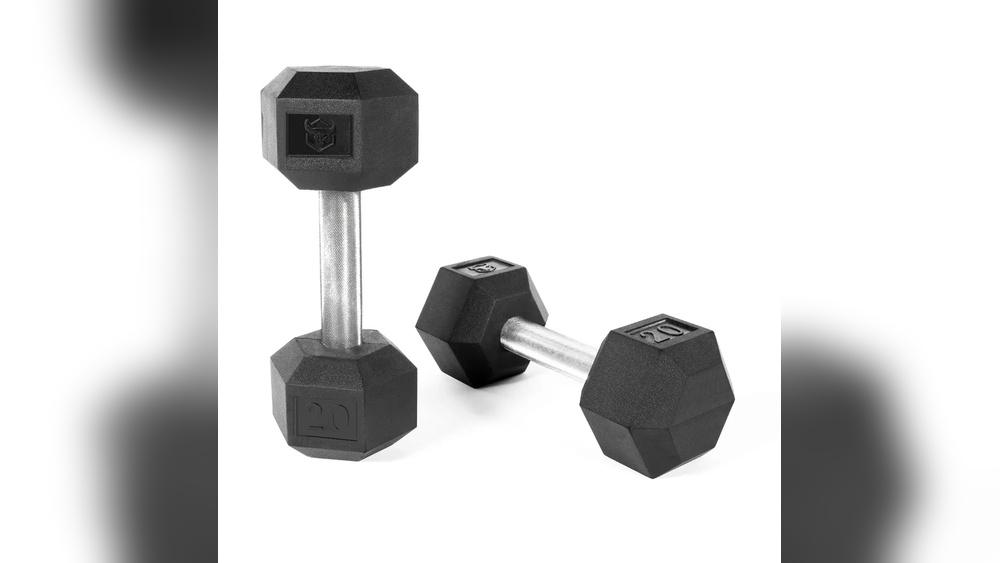
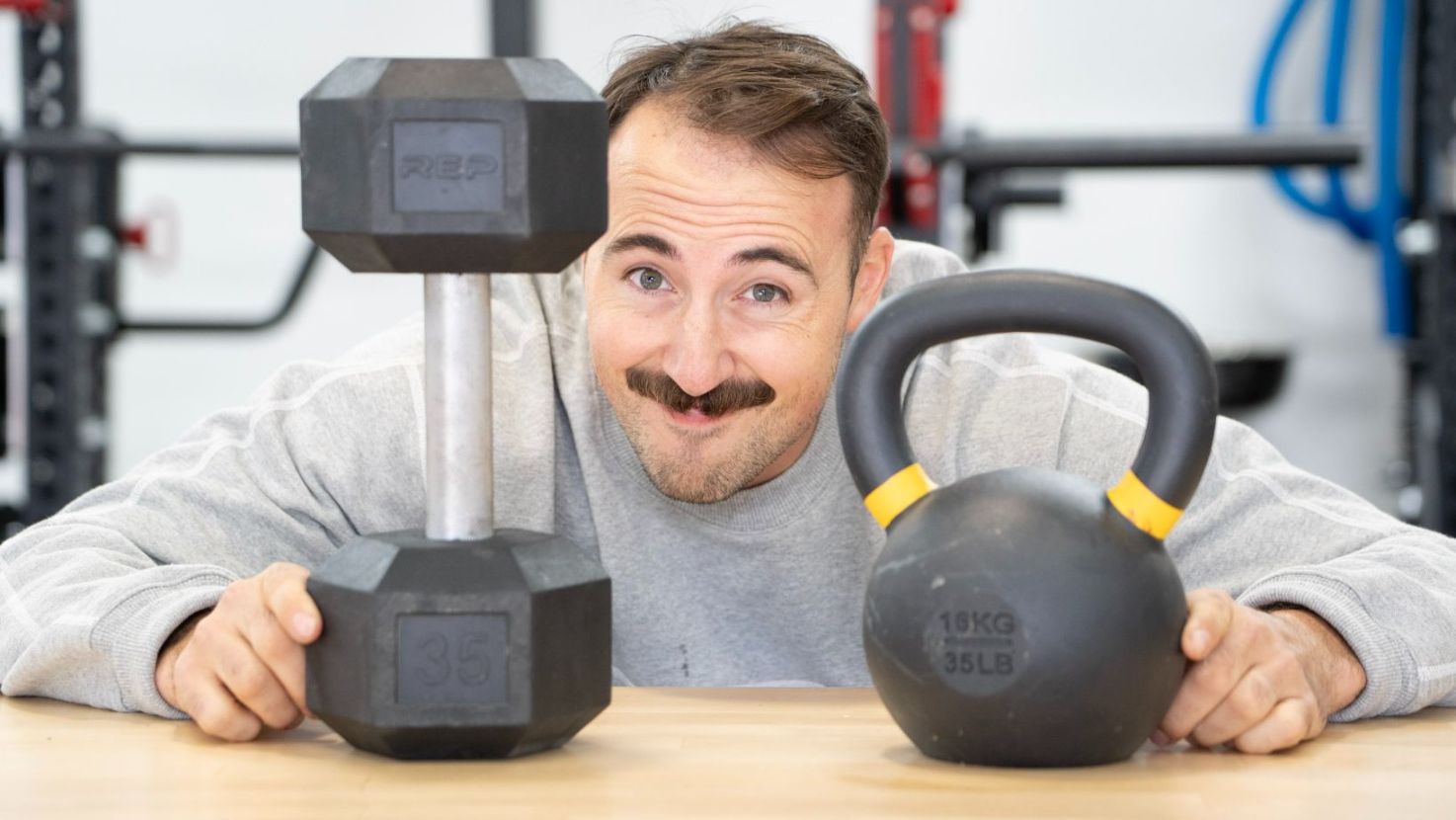
Kettlebells have a round ball shape with a handle on top. Dumbbells look like short bars with weights on both ends. The kettlebell’s handle allows a swinging grip. Dumbbells are held like regular weights, gripping the bar in the middle.
Kettlebells offer more movement options because of their handle design. Dumbbells provide a stable grip for controlled lifting. These differences change how you hold and move the weights during exercises.
Weight Distribution
The kettlebell’s weight is uneven, centered below the handle. This makes the kettlebell feel heavier and shifts the force during exercises. Dumbbells have even weight on both sides of the handle. The balance stays consistent throughout the movement.
Uneven weight in kettlebells helps train stabilizer muscles more. Dumbbells focus strength on the main muscle groups. This affects how your body works during lifts and swings.
Movement Dynamics
Kettlebells move in arcs and swings due to their shape and weight. They encourage fluid, dynamic movements. Dumbbells mostly move up and down or side to side in straight lines. They support slower, controlled lifting.
Kettlebell exercises build coordination and power with momentum. Dumbbells emphasize muscle isolation and steady strength gains. Both tools improve fitness but with different movement patterns.

Credit: www.youtube.com
Exercise Compatibility
Exercise compatibility between kettlebells and dumbbells helps you plan workouts better. Both tools build strength and improve fitness. Yet, their shapes and weights change how you use them. Understanding which exercises work for both and which are unique is key.
This knowledge lets you switch easily or mix training styles. You get variety and avoid workout boredom. Let’s explore common exercises, special kettlebell moves, and how to adapt dumbbell workouts.
Common Exercises For Both
Many exercises fit both kettlebells and dumbbells. Examples include bicep curls, shoulder presses, and rows. These moves work the same muscles with either tool. You can hold a kettlebell like a dumbbell in these exercises.
Squats and lunges also fit both. Holding weights adds resistance and builds strength. The main difference is kettlebells may feel unbalanced. This challenges your grip and stability more than dumbbells.
Unique Kettlebell Moves
Kettlebells offer unique exercises not possible with dumbbells. Swings and Turkish get-ups are classic kettlebell moves. Swings build power and endurance using momentum. Turkish get-ups improve full-body strength and coordination.
Kettlebell cleans and snatches train explosive strength. The handle and shape allow fluid motion. These moves engage the core and hips differently than dumbbells do. Kettlebell exercises often involve swinging and rotating actions.
Adapting Dumbbell Workouts
You can adapt dumbbell workouts to kettlebells with small changes. Use a firmer grip for kettlebells to control movement. Adjust your wrist and arm position to handle the weight shift. Slow down some moves to maintain balance.
For exercises like presses or rows, hold the kettlebell handle firmly. Focus on smooth, controlled motions. This reduces risk of injury and improves effectiveness. Experiment with kettlebell weights to find your comfort level.
Benefits Of Using Kettlebells
Kettlebells offer unique benefits that dumbbells do not. Their shape and handle create a different workout experience. You engage more muscles and improve various fitness areas. These benefits make kettlebells a great choice for strength and conditioning.
The following sections explain some key advantages of using kettlebells.
Improved Grip Strength
Kettlebells have thick handles that challenge your grip. Holding and swinging them builds hand and forearm strength. Better grip helps in daily tasks and other exercises. Dumbbells usually have thinner handles and less grip work.
Enhanced Core Engagement
Kettlebell exercises need more balance and control. This activates the core muscles constantly. Your abs and lower back work harder with kettlebell moves. Dumbbells often isolate muscles, but kettlebells involve the whole body more.
Increased Functional Fitness
Kettlebell training mimics real-life movements. Swings, lifts, and carries improve strength for daily activities. Functional fitness helps with better posture and injury prevention. Dumbbells do help, but kettlebells add dynamic and fluid motion.
Credit: www.garagegymreviews.com
Limitations Compared To Dumbbells
Kettlebells and dumbbells serve similar purposes in strength training. Both help build muscle and improve fitness. Yet, kettlebells have some limits compared to dumbbells. These limits affect how you use them in workouts. Understanding these differences helps you choose the right tool for your goals.
Weight Increment Options
Dumbbells often come in small weight steps. This allows gradual strength increase. Kettlebells usually jump in bigger weight increments. This makes fine-tuning your workout harder. Finding the right kettlebell weight can be tricky. You might skip weights that feel just right.
Exercise Variety Constraints
Dumbbells work well for many exercises. You can use them for curls, presses, rows, and more. Kettlebells excel in swinging and dynamic moves. They have fewer options for slow, controlled exercises. Some dumbbell exercises are hard to do with kettlebells. This limits your workout variety.
Learning Curve And Safety
Kettlebells need good technique to avoid injury. Their unique shape changes how you grip and move. Beginners may struggle with kettlebell swings and snatches. Dumbbells are easier to handle and safer for new users. Using kettlebells without proper form can cause strain or injury.
Tips For Transitioning Between Tools
Switching between kettlebells and dumbbells can improve your workout variety. Both tools have unique features. Learning to use each correctly avoids injury and boosts results. Follow these tips to move smoothly between kettlebells and dumbbells.
Adjusting Technique
Kettlebells have an offset center of gravity. Dumbbells have balanced weight on both sides. This changes how you hold and move the weight. Slow down your motion when switching tools. Focus on grip and wrist position. Use controlled movements to keep good form.
Balancing Workloads
Kettlebells often involve swinging or dynamic moves. Dumbbells work better for steady, isolated exercises. Match your weight load to the type of exercise. Avoid lifting too heavy when learning new tools. Balance your effort to prevent strain or injury.
Incorporating Both In Routines
Mix kettlebell and dumbbell exercises for a full-body workout. Start with dumbbells for strength, then add kettlebells for power and endurance. Alternate between tools in your sessions. This keeps workouts fresh and targets muscles differently.
Equipment Recommendations
Choosing the right equipment helps you get the most from your workouts. Both kettlebells and dumbbells have unique features. Knowing what to pick improves safety and results.
Understanding the basics of each tool guides better choices. Think about your goals, space, and budget before buying.
Choosing The Right Kettlebell
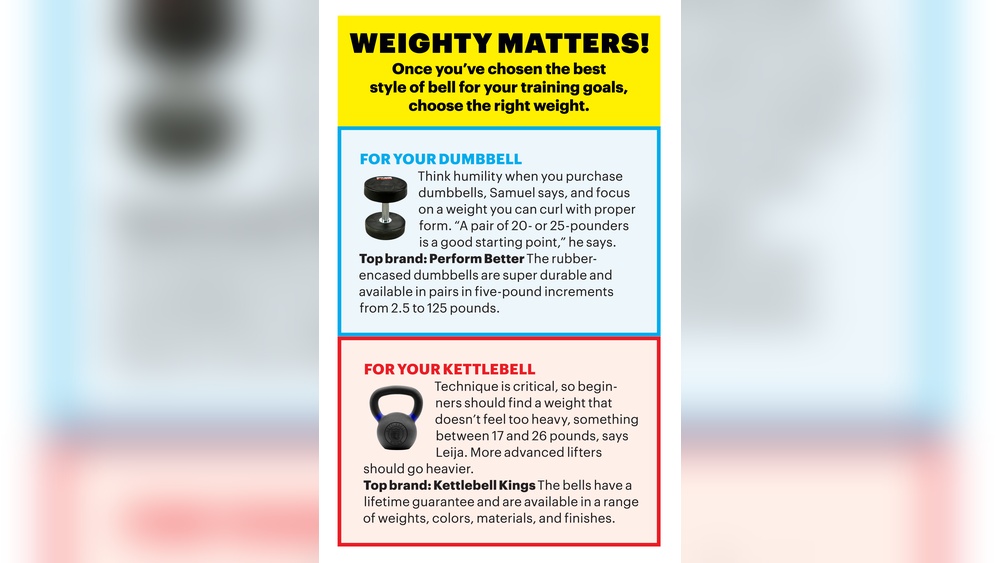
Pick a kettlebell with a smooth handle for a firm grip. It should feel balanced in your hand. Start with a weight that challenges but does not strain you. Cast iron kettlebells last long and offer good stability. Vinyl-coated kettlebells protect floors and reduce noise. Choose a size that fits your workout space and storage area.
Selecting Suitable Dumbbells
Choose dumbbells with comfortable grips to avoid hand strain. Adjustable dumbbells save space and money. Fixed-weight dumbbells offer durability and easy handling. Consider neoprene or rubber-coated dumbbells to protect floors. Pick weights matching your strength level for effective workouts. Look for sets that allow gradual weight increases.
Storage And Maintenance
Store equipment in a dry, clean place to prevent rust. Use racks or shelves to keep weights organized and accessible. Regularly check for damage or loose parts. Clean handles with a damp cloth to remove sweat and dirt. Avoid dropping weights to extend their lifespan. Proper care keeps equipment safe and functional.
Frequently Asked Questions
Can Kettlebells Replace Dumbbells In Workouts?
Yes, kettlebells can replace dumbbells for many exercises. They add dynamic movement and grip challenges. However, some traditional dumbbell exercises may feel different.
Are Kettlebell And Dumbbell Grips Interchangeable?
No, kettlebell handles are thicker and shaped differently. This impacts grip and wrist position, making some exercises unique to each tool.
Is Kettlebell Training Better Than Dumbbell Training?
Both have benefits. Kettlebells improve functional strength and endurance. Dumbbells offer more isolated muscle work. Combining both maximizes fitness results.
Can You Do Dumbbell Exercises With Kettlebells?
Many dumbbell exercises adapt well to kettlebells, like curls and presses. However, some require technique adjustments due to kettlebell weight distribution.
Conclusion
Kettlebells and dumbbells both build strength effectively. Each tool has unique shapes and grips. Using a kettlebell like a dumbbell works for many exercises. But some moves feel different or harder. Choose the tool that fits your workout style. Switching between them can add variety and challenge.
Keep safety in mind with proper form always. Try both and see what feels best to you. Your fitness goals guide your choice every time. Simple tools, great results—just pick what moves you.