Have you ever wondered if you really need a full gym setup to get a great workout? What if all you had were dumbbells?
The good news is, you can build strength, burn fat, and improve your fitness using just these simple weights. Imagine saving time, money, and space while still reaching your goals. You’ll discover how dumbbells alone can transform your workout routine—and how to make every move count.
Ready to unlock your potential? Keep reading to learn how to get the most out of your dumbbells.
Benefits Of Dumbbell Workouts
Dumbbell workouts offer many benefits for people of all fitness levels. They help build strength, improve muscle tone, and support overall fitness. Using dumbbells allows you to train your entire body with simple equipment. This makes workouts accessible and effective without needing a gym.
Many people prefer dumbbells for their flexibility. They fit well into small spaces and can be used at home or outdoors. Dumbbell exercises can target multiple muscle groups in varied ways. This variety keeps workouts interesting and helps prevent boredom.
Versatility And Convenience
Dumbbells let you perform many different exercises. You can work your arms, chest, back, legs, and core. They suit strength training, cardio, and balance workouts. Their compact size means you can exercise almost anywhere. No need for large machines or heavy equipment.
Improved Muscle Balance
Dumbbells force each side of your body to work independently. This helps fix muscle imbalances caused by favoring one side. Balanced strength reduces injury risk and improves posture. Exercises with dumbbells engage stabilizer muscles for better control.
Enhanced Range Of Motion
Dumbbell exercises allow more natural movement paths than machines. This increases your joints’ range of motion during workouts. Greater range helps improve flexibility and muscle coordination. It also supports functional strength for daily activities.
Key Dumbbell Exercises
Dumbbells are simple tools with great power. You can train your entire body using just dumbbells. They help build strength, tone muscles, and improve balance. Let’s explore key dumbbell exercises. These moves target different parts of your body effectively.
Upper Body Moves
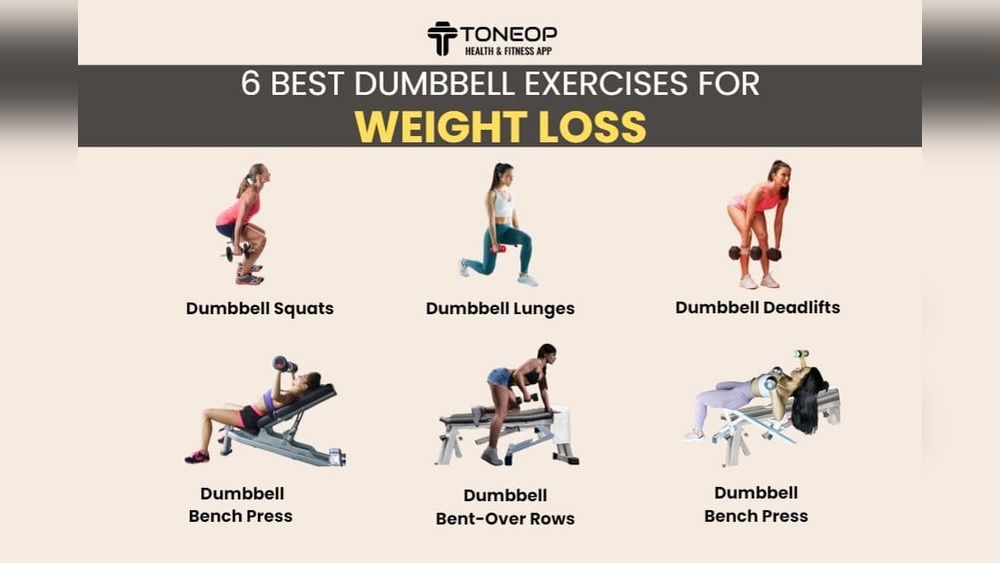
Dumbbells work well for the upper body. Try dumbbell presses to strengthen your chest and shoulders. Rows build your back muscles and improve posture. Bicep curls shape your arms and increase strength. Tricep extensions focus on the back of your arms. These exercises help create a balanced upper body.
Lower Body Moves
Dumbbells are great for leg workouts. Squats with dumbbells boost your thighs and glutes. Lunges improve balance and tone your legs. Deadlifts strengthen your hamstrings and lower back. Step-ups build power in your calves and quads. These moves make your lower body stronger and more stable.
Core Strengthening Exercises
Strong core muscles support your whole body. Dumbbell Russian twists target your obliques. Weighted sit-ups add resistance for better results. Dumbbell side bends improve your waist strength. These exercises help improve balance and posture. A strong core reduces injury risk and improves daily movement.
Designing A Dumbbell Workout Plan
Designing a dumbbell workout plan helps you use your equipment well. It creates a clear path for progress. Planning workouts avoids random exercises. It keeps your sessions focused and effective.
Good planning also reduces injury risk. It balances effort across your body. This section explains how to build a smart dumbbell routine.
Choosing The Right Weights
Select weights that challenge your muscles but allow good form. Start with lighter weights to learn movements. Increase weight as exercises become easier. Use different weights for various exercises. Your arms may need lighter dumbbells than your legs.
Structuring Sets And Reps
Plan how many sets and reps to do. Beginners can start with 2 to 3 sets. Each set should have 8 to 12 reps. Rest for 30 to 60 seconds between sets. More reps with lighter weights build endurance. Fewer reps with heavier weights build strength.
Balancing Muscle Groups
Work all major muscle groups equally. Include exercises for chest, back, legs, and arms. Avoid focusing only on one area. Balanced workouts help prevent muscle imbalances and injuries. Change exercises often to target muscles from different angles.

Credit: www.youtube.com
Progressing With Dumbbells
Progressing with dumbbells is key to building strength and muscle. Sticking to the same weight and routine slows progress. Changing your workouts helps your body improve. Dumbbells offer many ways to increase challenge and effectiveness.
Increasing Weight And Intensity
Gradually lifting heavier dumbbells boosts muscle growth. Start with a weight you can lift comfortably. Add small increments as you get stronger. Increase the number of repetitions or sets. Slow down your movements to add intensity. These changes help your muscles adapt and grow.
Incorporating Supersets And Circuits
Supersets combine two exercises without rest. This raises your heart rate and burns more calories. Circuits involve several exercises done back-to-back. Both techniques make workouts harder and more efficient. They save time and keep your muscles working hard. Try mixing push and pull exercises for balance.
Tracking Strength Gains
Keep a workout journal to track your progress. Write down weights, reps, and sets for each exercise. Notice improvements over weeks and months. Tracking helps you stay motivated and focused. Adjust your workouts based on your progress. Seeing growth encourages you to keep pushing forward.
Common Mistakes To Avoid
Working out with dumbbells is simple and effective. Many beginners make mistakes that slow progress or cause injury. Avoiding common errors helps you stay safe and get better results.
Poor Form And Technique
Using poor form can hurt your muscles and joints. Always keep your back straight and control your movements. Do not rush through exercises. Quality is better than quantity. Watch yourself in the mirror or ask for help.
Neglecting Warm-ups And Cool-downs
Skipping warm-ups can lead to muscle strain. Spend 5 to 10 minutes warming up with light cardio or stretching. After your workout, cool down to relax muscles. This reduces soreness and helps recovery.
Overtraining Specific Muscles
Focusing on one muscle group too much causes imbalance and injury. Train all major muscles evenly. Rest days are important for muscle repair. Listen to your body and avoid overdoing it.

Credit: www.youtube.com
Dumbbells Vs Other Equipment
Dumbbells are a popular choice for many workouts. They offer flexibility and variety. Comparing dumbbells to other equipment helps decide what suits your needs. Each tool has unique benefits and limits.
Understanding these differences can improve your fitness routine. It guides you to pick the right gear for your goals. Let’s explore how dumbbells stack up against barbells, resistance bands, and bodyweight exercises.
Dumbbells Compared To Barbells
Dumbbells allow free movement of each arm or leg separately. This helps improve muscle balance and coordination. Barbells let you lift heavier weights safely with both hands. They are great for building maximum strength fast.
Dumbbells need more control and stability. Barbells offer more support but less range of motion. You can do many exercises with dumbbells that barbells cannot match. Both are useful for strength training but serve different purposes.
Resistance Bands And Bodyweight
Resistance bands are light, portable, and gentle on joints. They offer variable resistance that increases with stretch. Bodyweight exercises use your own weight to build strength. Both can improve endurance and flexibility.
Dumbbells provide constant weight, which helps build muscle size better. Bands and bodyweight are best for beginners or rehab. Dumbbells add more challenge and variety to your workouts. Each option fits different fitness levels and needs.
Choosing What Fits Your Goals
Decide based on your fitness aim and experience. Dumbbells work well for muscle growth and balance. Barbells suit those wanting to lift heavy and gain power. Resistance bands and bodyweight help with mobility and endurance.
Space and budget also affect your choice. Dumbbells are compact and affordable. Barbells need more space and cost more. Bands are cheap and very portable. Pick the equipment that matches your routine and lifestyle.
Tips For Staying Motivated
Staying motivated is key when working out with just dumbbells. Motivation helps you keep going and enjoy your workouts. It can be easy to lose interest if you don’t have a plan. Use these tips to stay focused and make your dumbbell workouts effective and fun.
Setting Realistic Goals
Set small and clear goals. For example, aim to do 3 workouts a week. Choose goals that fit your time and energy. Meeting small goals feels good and keeps you motivated. Adjust your goals as you improve to stay challenged.
Tracking Progress
Write down your workouts and weights used. Track how many reps and sets you complete. Seeing progress on paper encourages you to keep going. Use a notebook or an app to make tracking easy. Celebrate small wins to build confidence.
Mixing Up Your Routine
Change your exercises every few weeks. Try different dumbbell moves for arms, legs, and core. Mixing exercises stops boredom and works different muscles. Add variations like slow reps or more sets. New routines keep workouts exciting and fresh.

Credit: www.muscleandstrength.com
Frequently Asked Questions
Can You Build Muscle With Just Dumbbells?
Yes, dumbbells effectively target muscles and build strength. They allow varied exercises to work different muscle groups. Progressive overload with heavier weights boosts muscle growth.
Are Dumbbell Workouts Enough For Full-body Training?
Dumbbells offer versatile exercises covering all major muscle groups. You can train legs, arms, chest, back, and core effectively. Combining movements ensures a balanced full-body workout.
How Often Should You Workout With Dumbbells Weekly?
For optimal results, train with dumbbells 3 to 4 times per week. Allow rest days for muscle recovery. Consistency and progressive overload are key for gains.
Can Dumbbells Improve Cardiovascular Fitness?
Yes, incorporating dumbbell circuits or supersets raises heart rate. This combination of strength and cardio enhances endurance and burns calories efficiently.
Conclusion
Dumbbells offer a simple way to build strength and stay fit. You can target many muscles with just one set. They fit well in small spaces at home. Variety in exercises keeps workouts fresh and effective. Progress comes with regular use and proper form.
Consistency matters more than fancy equipment. Dumbbells help you stay active and healthy every day. Give them a try and see the results yourself. Simple tools can lead to great fitness gains.