You’ve got your bike, and now it’s time to keep it safe. But do you really know how to operate your bike lock the right way?
Using it correctly can be the difference between peace of mind and the nightmare of a stolen bike. In this guide, you’ll learn simple, step-by-step tips to secure your bike quickly and easily. By the end, you’ll feel confident every time you lock up.
Ready to protect your ride like a pro? Let’s get started.
Credit: www.pedalsure.com
Choose The Right Bike Lock
Choosing the right bike lock is key to keeping your bike safe. A good lock stops thieves and gives you peace of mind. Picking the best lock depends on your needs and where you park your bike. Understanding lock types and important features helps you make a smart choice.
Types Of Bike Locks
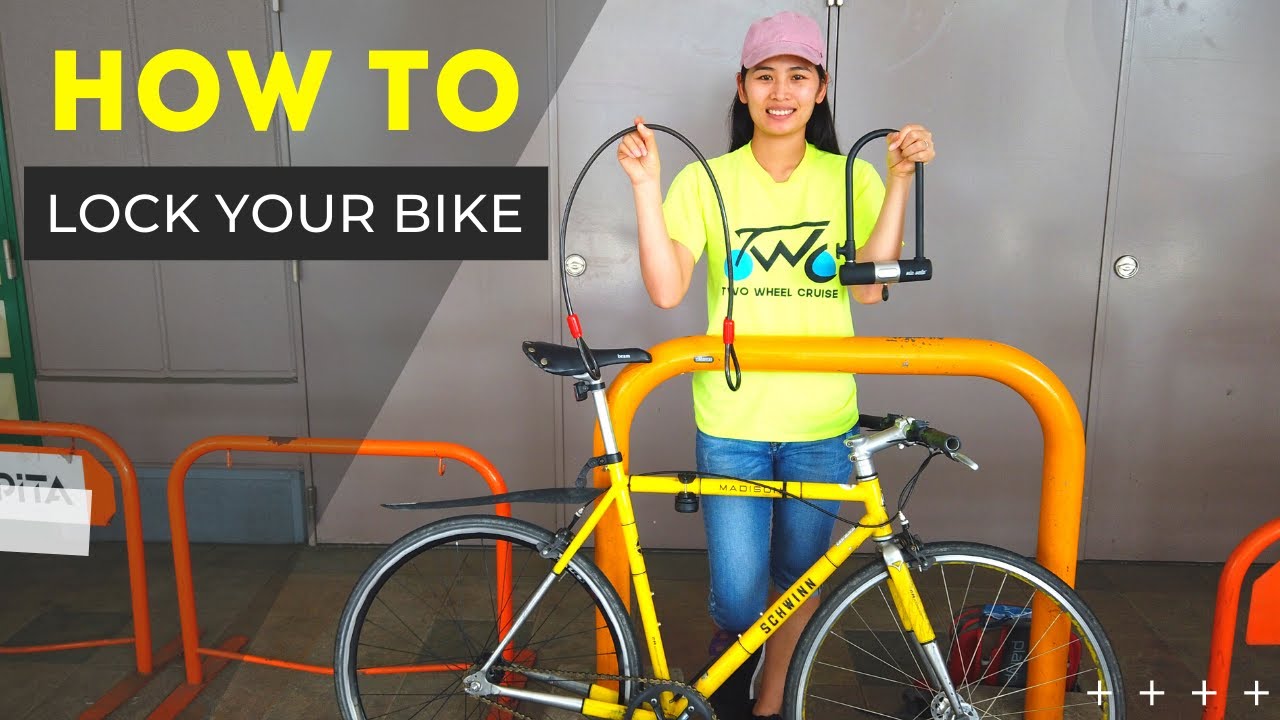
U-locks are strong and hard to cut. They work well in busy or risky areas. Chain locks have thick metal links and come with a padlock. They are flexible and good for locking to large objects. Cable locks are light and easy to carry but less secure. Folding locks fold into a small size for easy transport. Each type has pros and cons depending on your bike and location.
Factors To Consider
Think about where you park your bike most. High-risk places need stronger locks. Check the lock’s weight and size. Heavy locks are secure but hard to carry. Look for locks with good reviews and strong materials. Choose a lock that fits your budget but does not compromise safety. Ease of use matters too. A lock you can use quickly helps avoid trouble.
Credit: sfbike.org
Prepare The Lock For Use
Preparing your bike lock before use is essential for security and ease. Proper preparation ensures the lock works smoothly and protects your bike effectively. This section guides you through simple steps to get your lock ready.
Inspect The Lock
Start by checking the lock for any damage or dirt. Look for cracks, rust, or bent parts. Clean the lock with a dry cloth if needed. A clean, intact lock works better and lasts longer. Make sure the shackle moves freely without sticking. Test the locking mechanism to confirm it clicks firmly.
Set Or Reset The Combination
Most combination locks let you set your own code. Begin with the lock open and the default code. Follow the instructions to change the numbers to your preferred code. Choose a code easy for you to remember but hard for others to guess. After setting, close the lock and scramble the numbers. Test the new combination several times to ensure it works perfectly. Resetting the combination keeps your bike safe and your lock secure.
Position Your Bike Safely
Positioning your bike safely is the first step to protecting it from theft. Choosing the right spot and arranging the lock correctly increases security. This section helps you understand how to place your bike and lock it effectively.
Find A Secure Spot
Pick a place with good lighting and lots of people around. Busy areas make thieves think twice. Avoid isolated or dark corners. Use bike racks or fixed objects like poles. Make sure the object cannot be easily cut or moved.
Align The Lock Points
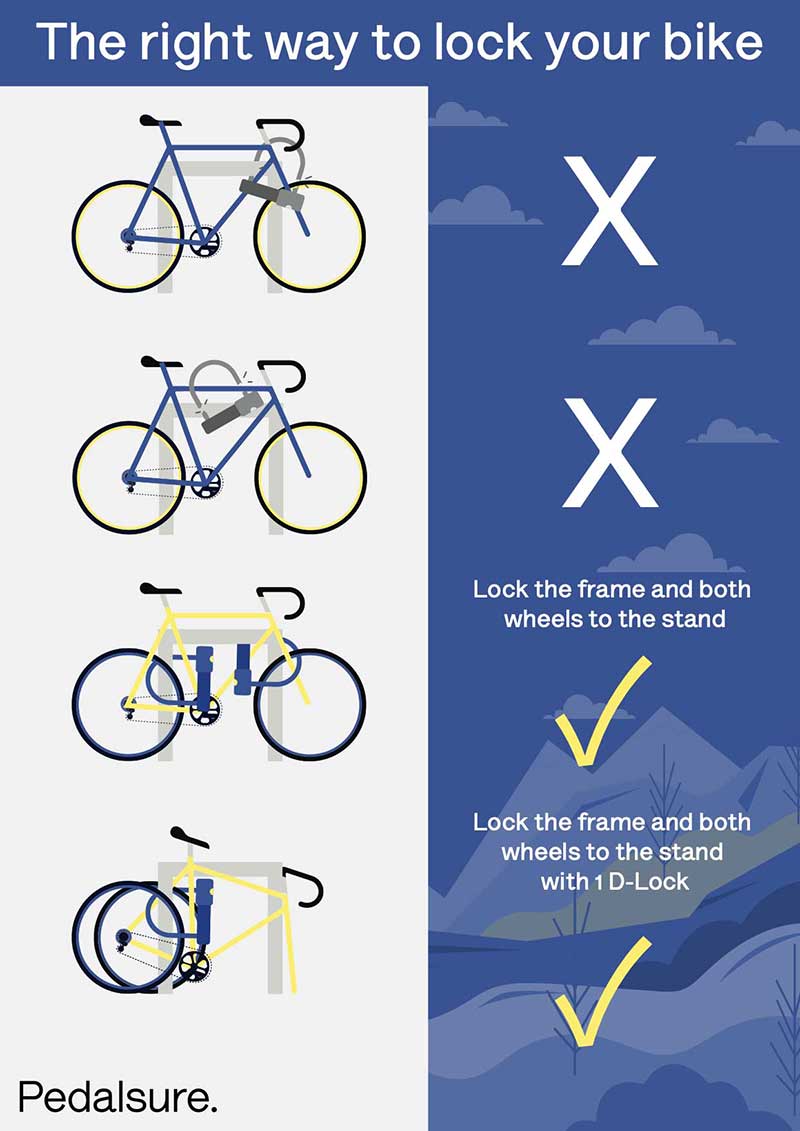
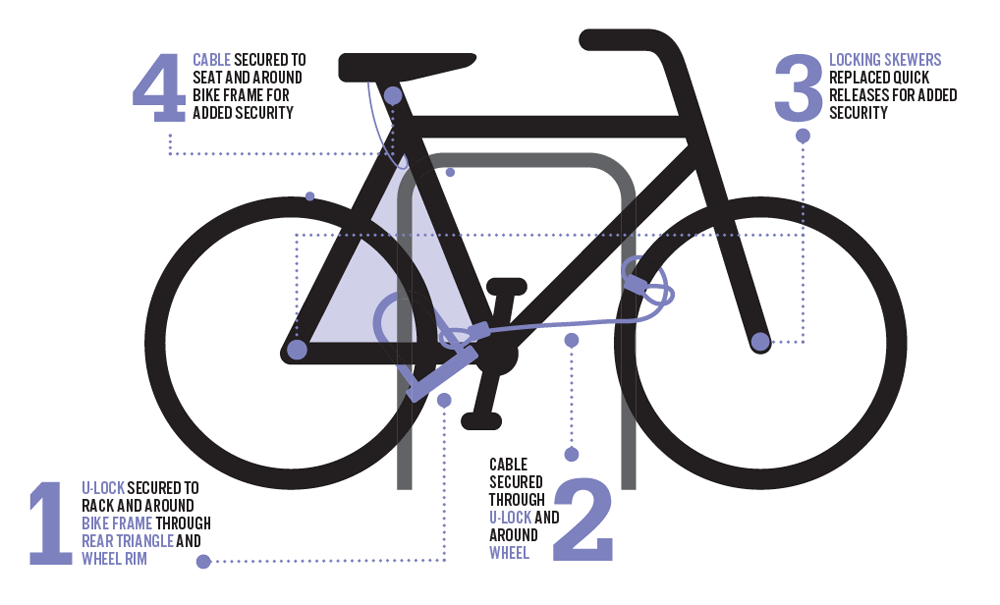
Fit the lock through both the frame and a wheel. This stops thieves from taking parts of your bike. Position the lock as high off the ground as possible. This makes it harder to use tools to break it. Ensure no space allows tools to pry open the lock.
Secure The Lock Properly
Securing your bike lock properly is key to keeping your bike safe. A lock is only as strong as how you use it. Take time to fasten it correctly every time. Simple steps make a big difference in bike security.
Attach To A Fixed Object
Choose a strong, fixed object to lock your bike. A bike rack, metal pole, or sturdy fence works well. Make sure the object cannot be moved or cut easily. Avoid thin or weak posts that thieves can break.
Lock the bike so it cannot be lifted or carried away. Check the object is firmly in the ground. This prevents quick thefts by lifting the whole bike and lock.
Lock The Frame And Wheels
Always lock the main frame of the bike. The frame is the strongest part and hardest to replace. Secure the frame to the fixed object using the lock.
Include at least one wheel in the lock. Wheels can be stolen quickly if left unlocked. If possible, lock both wheels for extra security.
Position the lock tightly around the frame and wheels. Loose locks give thieves room to use tools. A snug lock blocks access and protects your bike better.
Test The Lock
Testing your bike lock is a crucial step after setting it up. It helps ensure the lock works correctly and keeps your bike safe. Simple tests can reveal any problems before you rely on the lock daily.
Check For Firmness
Hold the lock and try to move it. The lock should feel solid and steady. It should not wiggle or feel loose. A firm lock means it is properly engaged and ready to protect your bike.
Ensure The Lock Is Closed
Close the lock completely and listen for a click sound. This click shows the lock has secured itself. Try pulling the lock apart gently. If it stays closed, your bike is safe and secure.
Maintain Your Bike Lock
Maintaining your bike lock is key to keeping it strong and working well. Dirt, rust, and lack of care can cause problems. Simple steps can help your lock last longer and stay easy to open.
Check your lock often. Small efforts stop big issues. Clean and oil your lock regularly. This protects the metal and keeps the key turning smoothly.
Regular Cleaning
Remove dirt and dust from your bike lock with a soft brush or cloth. Avoid water inside the lock as it may cause rust. Use a mild soap solution if needed. Dry the lock fully after cleaning. Clean both the outside and the keyhole gently. This stops dirt from building up and jamming the lock.
Lubrication Tips
Use a light lubricant designed for locks. Spray or apply a small amount into the keyhole. Insert and turn the key several times to spread the oil inside. Wipe off extra oil to avoid attracting dirt. Do this every few months or after wet weather. Proper lubrication keeps your lock smooth and rust-free.
Credit: www.youtube.com
Frequently Asked Questions
How Do I Unlock A Bike Lock Safely?
To unlock a bike lock safely, insert the correct key or enter the right combination. Avoid forcing the lock to prevent damage. Always keep your key or combination secure for easy access.
What Is The Best Way To Set A Bike Lock Combination?
Choose a unique, easy-to-remember combination. Avoid common numbers like birthdays. Test the combination multiple times before locking to ensure accuracy and security.
How Can I Maintain My Bike Lock For Longevity?
Regularly clean your bike lock with a damp cloth. Lubricate the keyhole and moving parts with graphite or silicone spray. Store the lock in a dry place to prevent rust.
What Should I Do If My Bike Lock Jams?
If your lock jams, avoid forcing it. Apply lubricant to the keyhole and gently wiggle the key or dial. If it remains stuck, seek professional help to avoid damage.
Conclusion
Operating a bike lock is simple with practice. Always check your lock before leaving your bike. Keep your key or combination safe and easy to reach. Use the lock on a sturdy, fixed object. This helps protect your bike from theft.
Regularly clean and maintain the lock for smooth use. Small steps like these keep your bike secure. Practice makes it easier every time. Stay safe and enjoy your ride worry-free.