Are you wondering if dumbbell chest flys really work to build your chest muscles? You’re not alone.
Many people ask this question because they want to get the best results from their workouts without wasting time. The good news is, dumbbell chest flys can be a powerful move—but only if you do them right. You’ll discover how this exercise affects your chest, what benefits it offers, and tips to make sure you get the most out of every rep.
Keep reading, and you’ll learn exactly how to turn your dumbbells into a tool that shapes and strengthens your chest like never before.
Benefits Of Dumbbell Chest Flys
Dumbbell chest flys offer several benefits for your upper body strength and shape. This exercise helps build the chest muscles while improving flexibility and muscle tone. It is simple to do and fits well into many workout routines.
Using dumbbells allows for a full range of motion. This helps target the chest muscles more effectively than some other exercises.
Targeted Chest Muscle Activation
Dumbbell chest flys focus on the pectoral muscles. They work by stretching and contracting these muscles deeply. This leads to better muscle growth and strength over time. The movement isolates the chest, reducing help from other muscles.
Improved Muscle Flexibility
The fly motion stretches the chest muscles widely. This stretching helps improve the muscles’ flexibility and range of motion. Flexible muscles reduce the risk of injury during other exercises or daily activities. It also helps the muscles recover faster.
Enhanced Muscle Definition
Dumbbell chest flys help tone the chest muscles. The exercise shapes and defines the chest by working the muscles evenly. Regular practice results in a firmer, more sculpted chest appearance. It can improve overall upper body aesthetics.

Credit: www.bodybuildingmealplan.com
Proper Form And Technique
Proper form and technique are crucial for dumbbell chest flys. They help you target chest muscles effectively. Using the right form also prevents injuries. Focus on control and smooth movements. Avoid rushing or using heavy weights that strain your shoulders.
Starting Position
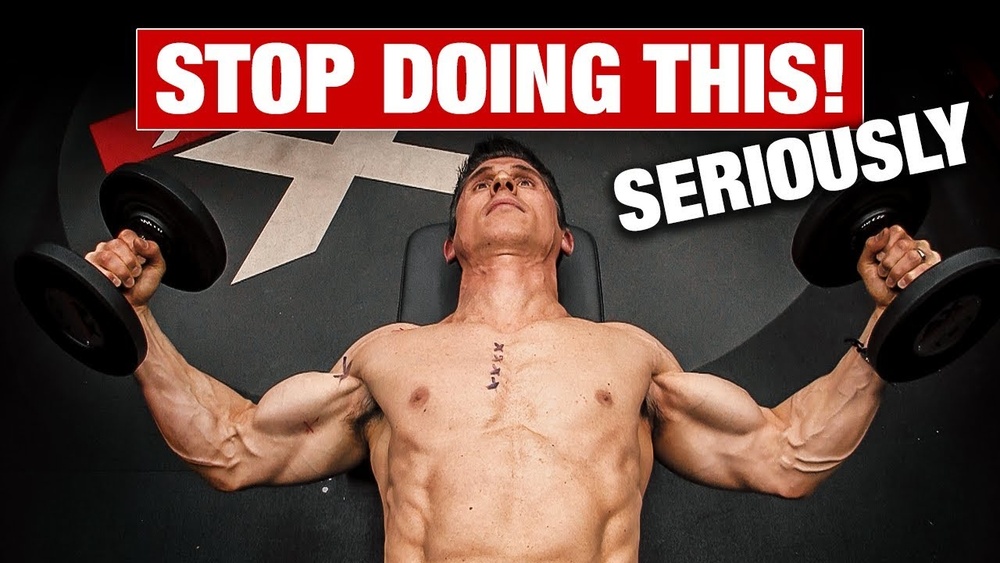
Lie flat on a bench with feet on the floor. Hold a dumbbell in each hand above your chest. Keep a slight bend in your elbows. Palms should face each other. Keep your shoulders relaxed and back pressed to the bench.
Movement Execution
Slowly lower the dumbbells in a wide arc. Keep your elbows slightly bent throughout. Lower until you feel a stretch in your chest. Avoid dropping weights too low to protect your shoulders. Bring the dumbbells back up using chest muscles. Do not lock your elbows at the top.
Common Mistakes To Avoid
Do not use heavy weights that cause swinging. Avoid fully straightening your arms; keep a bend. Do not lift your shoulders off the bench. Avoid fast, jerky movements that reduce muscle tension. Do not lower dumbbells too far down. Maintain control for better results and safety.
Muscles Worked During Chest Flys
Chest flys with dumbbells target several muscles in the upper body. This exercise mainly works the chest area. It helps build strength and shape the chest muscles. Besides the chest, other muscles support the movement. Understanding these muscles helps to perform the exercise better.
Primary Chest Muscles
The main muscle worked during dumbbell chest flys is the pectoralis major. It covers the front of the chest. This muscle controls arm movement across the body. The chest fly focuses on the outer parts of the pectoralis major. It helps widen and strengthen the chest.
Another muscle involved is the pectoralis minor. It lies under the pectoralis major. This smaller muscle stabilizes the shoulder during the fly motion. Together, these chest muscles shape the upper body.
Supporting Muscle Groups
The shoulders play a key role in chest flys. The anterior deltoids help lift the arms during the exercise. Strong shoulders improve control and reduce injury risk.
The biceps also assist during the movement. They stabilize the arms and help guide the dumbbells. The muscles around the shoulder blade, like the serratus anterior, keep the shoulders steady.
Core muscles engage slightly to keep the body balanced. This support helps maintain proper form throughout the exercise.

Credit: www.youtube.com
Variations Of Dumbbell Chest Flys
Dumbbell chest flys target your chest muscles with a wide range of motion. Different variations can hit the muscles from various angles. This helps build a stronger, more balanced chest. Each variation changes the angle of the bench or the equipment used. This shifts the focus on different parts of the chest. Try these common variations to enhance your workout.
Incline Dumbbell Flys
Incline dumbbell flys use a bench set at about 30 to 45 degrees. This angle targets the upper chest muscles more than flat flys. Your shoulders stay engaged while your chest works hard. It helps improve the shape and size of the upper chest. Keep a slight bend in your elbows to protect your joints.
Decline Dumbbell Flys
Decline dumbbell flys are done on a bench set downward. This variation focuses on the lower chest muscles. It helps build a fuller, more defined lower chest area. The angle reduces shoulder strain compared to flat flys. Keep your movements slow and controlled for best results.
Cable Chest Flys
Cable chest flys use a cable machine instead of dumbbells. The cables provide constant tension throughout the movement. This helps activate chest muscles differently than free weights. You can adjust the pulley height to target various chest areas. Cables also improve muscle control and stability.
Incorporating Chest Flys Into Your Workout
Incorporating chest flys into your workout helps build strong chest muscles. This exercise targets the pectoral muscles and improves muscle shape. Using dumbbells allows a full range of motion and better muscle stretch. Chest flys work best when combined with other exercises. Proper sets, reps, and workout frequency matter for good results.
Combining With Other Chest Exercises
Pair chest flys with pressing exercises like dumbbell presses or push-ups. Pressing moves help build strength and size. Flys focus on muscle stretch and shape. This combination gives balanced chest development. Include compound and isolation exercises in your routine. It helps target different muscle fibers for better growth.
Recommended Sets And Reps
Start with 3 sets of 10 to 12 reps per set. Use a weight that feels challenging but safe. Keep your movements slow and controlled. Avoid using heavy weights that cause poor form. Focus on the muscle stretch and contraction. Adjust sets and reps based on your fitness level and goals.
Frequency For Optimal Results
Perform chest flys 2 to 3 times a week. Allow 48 hours of rest between sessions. Rest helps muscles recover and grow stronger. Overtraining can cause fatigue and injuries. Track your progress and increase intensity gradually. Consistency is key for lasting chest muscle gains.

Credit: www.menshealth.com
Common Myths About Chest Flys
Chest flys often have many myths around them. Some say they do not work well. Others claim presses are always better. These ideas can confuse many people. Knowing the facts helps you choose the right exercises. Let’s clear up some common myths about dumbbell chest flys.
Flys Vs. Presses
Many believe presses build more muscle than flys. Presses do use more weight and involve more muscles. Flys focus on stretching and squeezing the chest. They work the chest in a different way. Both exercises can be part of a strong workout. Flys are not useless or weak. They target the chest muscles with less help from arms and shoulders.
Muscle Growth Potential
Some say flys do not help muscle grow. Flys create tension by stretching the chest muscles. This tension can lead to muscle growth. Using the right weight and form matters most. Flys help improve muscle shape and size. They improve muscle control and strength. Flys alone may not build big muscles fast. But they help develop the chest muscle in a balanced way.
Safety Tips And Injury Prevention
Doing dumbbell chest flys can build your chest muscles well. But safety must come first. Avoiding injury helps you keep training without breaks. Follow these tips to protect your body and get the best results.
Warm-up Strategies
Start with light cardio to get your blood flowing. Try arm circles or shoulder rolls to prepare your joints. Use light dumbbells for a few slow reps. This warms muscles and reduces the risk of strain.
Avoiding Shoulder Strain
Keep a slight bend in your elbows during the fly. Don’t lower dumbbells too far back. Stop if you feel pain in your shoulders. Focus on controlled, smooth movements. This protects your shoulder joints from damage.
Progressive Overload Guidelines
Increase dumbbell weight slowly over time. Add small weight increments to avoid sudden stress. Keep your form correct as you lift heavier. This helps muscles grow safely without injury. Progress at a steady, manageable pace.
Frequently Asked Questions
Do Dumbbell Chest Flys Build Muscle Effectively?
Yes, dumbbell chest flys target the pectoral muscles directly. They help build muscle by stretching and contracting the chest muscles. For best results, combine them with compound lifts like bench press.
How Do Dumbbell Chest Flys Improve Chest Shape?
Dumbbell chest flys focus on muscle isolation, enhancing chest definition and width. They stretch the muscle fibers for better shape and symmetry. Consistent practice helps create a well-rounded chest appearance.
Can Dumbbell Chest Flys Prevent Shoulder Injuries?
When done with proper form, dumbbell chest flys reduce shoulder strain. They strengthen stabilizer muscles and improve shoulder joint flexibility. Avoid heavy weights to minimize injury risk.
Are Dumbbell Chest Flys Suitable For Beginners?
Yes, beginners can safely perform dumbbell chest flys using light weights. It helps build chest strength and improve form. Gradually increase weight as strength improves.
Conclusion
Dumbbell chest flys target your chest muscles well. They help build strength and shape your chest. Using proper form keeps you safe and effective. Adding them to your routine can improve muscle tone. Remember to start with light weights and increase slowly.
Consistency matters more than heavy lifting here. Mix with other chest exercises for best results. Your chest will feel stronger and more defined over time. Simple, steady effort brings the best changes. Give dumbbell chest flys a try in your workouts.