Are you wondering if dumbbell curls really build your biceps? You’re not alone.
Many people ask this simple question but don’t get a clear answer. The truth is, dumbbell curls can be a powerful tool to shape and strengthen your arms—if you do them right. But how exactly do they work? And are they the best choice for your biceps workout?
Keep reading, because by the end of this article, you’ll know exactly how dumbbell curls affect your muscles and how to get the most out of every rep. Your stronger, more defined arms start here.

Credit: www.ifastfitness.com
How Dumbbell Curls Target Biceps
Dumbbell curls are a popular exercise for building strong biceps. They focus on the muscles in the front of your upper arm. The way you move the dumbbells makes the biceps work hard. This section explains how dumbbell curls target the biceps effectively.
Understanding the muscle anatomy and the movement helps to see why this exercise is so useful. Let’s look closer at the muscles involved and how the motion works.
Muscle Anatomy Involved
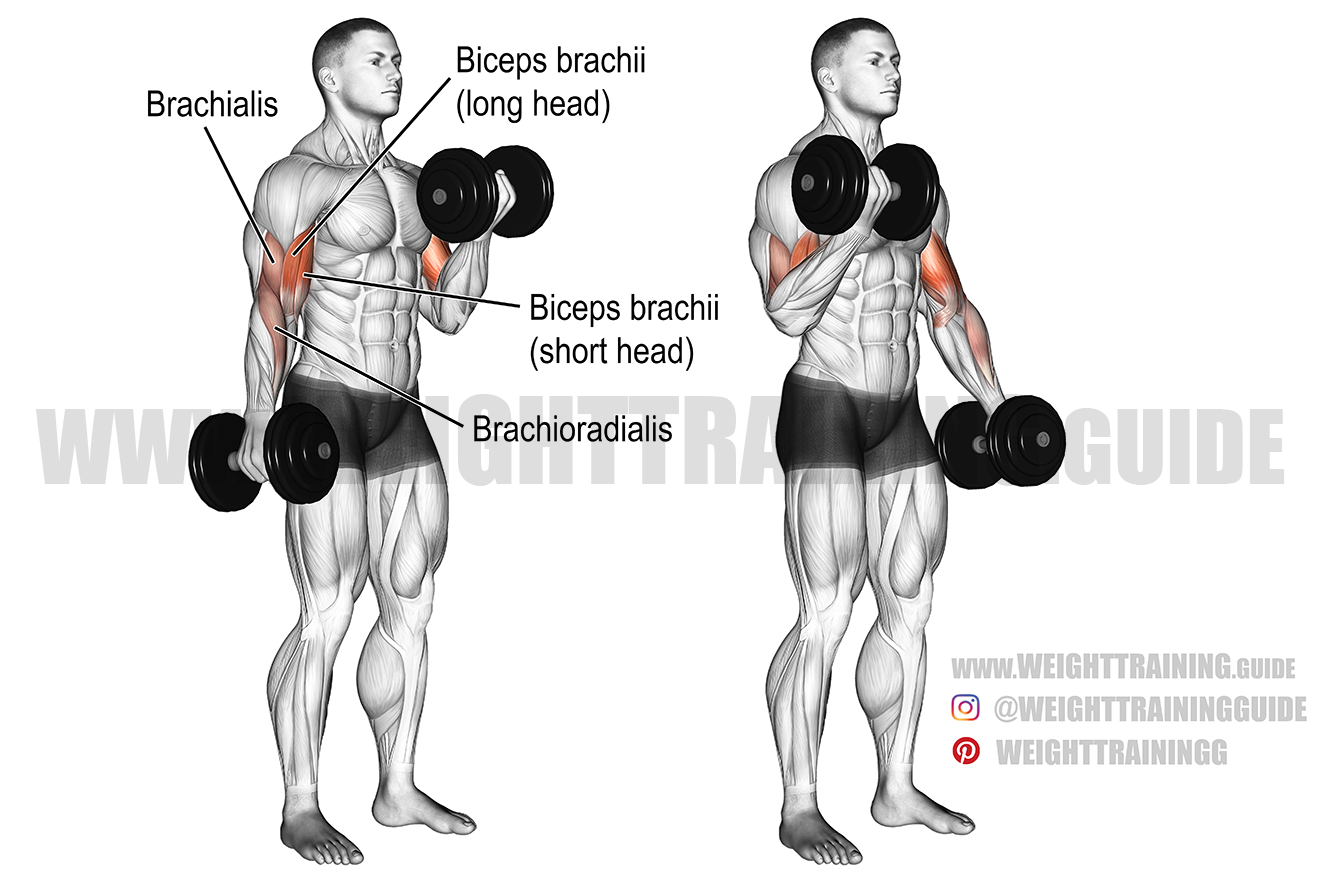
The biceps brachii is the main muscle worked during dumbbell curls. It has two heads: the long head and the short head. Both heads run along the front of your upper arm. These muscles help bend your elbow and rotate your forearm.
Other muscles assist during the curl. The brachialis lies under the biceps and helps with elbow flexion. The brachioradialis, a muscle of the forearm, also supports the movement. Dumbbell curls mainly target the biceps but engage these muscles too.
Movement Mechanics
To perform a dumbbell curl, hold the dumbbells at your sides with palms facing forward. Slowly bend your elbows to lift the dumbbells toward your shoulders. Keep your upper arms still and only move your forearms.
The curling motion shortens the biceps muscles. This contraction creates tension and stimulates muscle growth. Lowering the dumbbells back down stretches the muscles. This controlled movement strengthens the biceps over time.
Using dumbbells allows each arm to work independently. This helps fix muscle imbalances and improves overall arm strength. The natural movement path also reduces strain on joints.
Benefits Of Dumbbell Curls
Dumbbell curls are a popular exercise for building stronger biceps. They target the muscles directly and help improve your arm strength. Using dumbbells allows each arm to work on its own. This can lead to better muscle balance and growth.
Many people choose dumbbell curls because they are simple and effective. This exercise fits well into any workout routine. It helps develop muscle size and shape over time. Let’s explore some key benefits of dumbbell curls.
Improved Muscle Symmetry
Dumbbell curls help fix muscle imbalances between arms. Each arm must lift the weight independently. This stops the stronger arm from doing more work. Over time, both biceps grow evenly. Balanced muscles reduce the risk of injury.
Increased Range Of Motion
Using dumbbells allows a fuller arm movement. Your wrist and elbow can move freely. This wider range helps stretch and contract muscles better. Better muscle stretch means more growth and strength. You avoid stiffness and improve flexibility.
Enhanced Muscle Activation
Dumbbell curls engage more muscle fibers than machines. Your stabilizer muscles work harder to control the weight. This leads to stronger, more defined biceps. Increased muscle activation boosts workout efficiency and results.
Common Dumbbell Curl Variations
Dumbbell curls target the biceps through different angles and grips. Each variation changes the muscle focus slightly. This helps build balanced and strong arms. Using various curls stops workout boredom. It also challenges your muscles in new ways.
Below are common dumbbell curl variations. They all work the biceps but with unique benefits.
Standard Curl
The standard curl is the most basic dumbbell curl. Hold a dumbbell in each hand, palms facing forward. Curl the weights up while keeping your elbows close to your body. Lower the dumbbells slowly. This move mainly works the biceps brachii muscle. It is great for beginners and builds overall arm strength.
Hammer Curl
The hammer curl changes the grip to a neutral position. Hold the dumbbells with palms facing each other. Curl the weights up while keeping your elbows still. This variation targets the brachialis muscle under the biceps. It also works the forearms more than the standard curl. Hammer curls add thickness to your arms.
Concentration Curl
Sit on a bench and lean forward slightly. Hold one dumbbell with your arm resting on your thigh. Curl the weight slowly toward your shoulder. Concentration curls isolate the biceps muscle. They improve muscle peak and shape. This curl helps focus on form and control.
Incline Dumbbell Curl
Sit back on an incline bench with dumbbells in hand. Let your arms hang down fully extended. Curl the weights up while keeping your elbows steady. This position stretches the biceps more. It increases the range of motion and muscle activation. Incline curls help build long, strong biceps.
:max_bytes(150000):strip_icc()/81-3498604-Bicep-arm-curlsGIF2-c7c59f252b1a4ef9b1e181ca05e96084.jpg)
Credit: www.verywellfit.com
Proper Technique For Maximum Growth
Proper technique is key for building bigger biceps with dumbbell curls. Using the right form helps target the muscles well. It also reduces the risk of injury. Focus on how you hold the dumbbells, your posture, and your breathing. These small details make a big difference.
Grip And Posture
Hold the dumbbells firmly but not too tight. Keep your wrists straight to avoid strain. Stand tall with your chest up. Keep your shoulders back and relaxed. Your elbows should stay close to your body. Avoid swinging your arms or leaning backward.
Controlled Movement
Lift the dumbbells slowly. Raise them to shoulder height with control. Pause briefly at the top. Lower the weights just as slowly. Avoid using momentum or jerky motions. This control helps the biceps work harder and grow stronger.
Breathing Tips
Breathe out as you lift the dumbbells. Inhale as you lower them down. Keep your breathing steady and deep. Holding your breath reduces oxygen flow. Proper breathing supports muscle endurance and focus.
Avoiding Mistakes And Injuries
Avoiding mistakes and injuries is key for effective dumbbell curls. Proper technique protects muscles and joints. It also helps you build biceps safely and steadily. Small errors can cause pain and slow progress. Staying aware of common pitfalls keeps workouts safe and strong.
Common Form Errors
Many people swing their arms or use their back to lift. This reduces biceps work and risks injury. Keep elbows close to your body. Lift weights slowly and with control. Avoid lifting too heavy too fast. Proper form targets biceps better and prevents strain.
Overtraining Risks
Doing too many curls without rest can cause muscle pain. Overtraining weakens muscles and delays growth. Muscles need time to recover and grow stronger. Limit your curls to two or three sessions per week. Rest days help avoid injuries and burnout.
Warm-up And Stretching
Start each session with a warm-up. Light cardio or arm circles increase blood flow. Stretch your biceps and forearms gently before lifting. Warm muscles are less likely to get injured. Stretching after exercise helps reduce soreness and stiffness.
Credit: weighttraining.guide
Integrating Dumbbell Curls Into Workouts
Dumbbell curls are a popular choice for building bicep strength and size. Integrating them correctly into your workout plan boosts effectiveness. This section explains how to fit dumbbell curls into your routine for best results.
Understanding the right frequency and volume helps prevent overtraining. Pairing curls with other exercises maximizes muscle growth. Using progressive overload strategies ensures continuous improvement.
Frequency And Volume
Perform dumbbell curls two to three times per week. This frequency allows muscles to recover and grow. Aim for three to four sets per session. Each set should include eight to twelve repetitions. This range targets muscle growth effectively. Avoid doing curls every day to prevent fatigue.
Combining With Other Exercises
Pair dumbbell curls with compound movements like pull-ups or rows. These exercises engage multiple muscles, supporting overall arm strength. Include tricep exercises to balance arm development. Balanced training reduces injury risk and improves appearance. Use curls after heavy compound lifts to focus on biceps.
Progressive Overload Strategies
Gradually increase the weight of dumbbells over time. This challenges muscles and encourages growth. Add more repetitions or sets as strength improves. Track progress to stay consistent with overload. Small, steady increases prevent plateaus and keep workouts effective.
Tracking Progress And Muscle Growth
Tracking progress and muscle growth is key to effective dumbbell curl workouts. Without tracking, it is hard to know if your biceps are getting stronger or bigger. Progress helps keep motivation high and guides workout changes.
Regularly checking how your muscles respond ensures you stay on the right path. This practice also prevents plateaus and injury risks. Tracking is simple and can be done with basic tools.
Signs Of Improvement
Look for visible changes in your biceps size and shape. Your arms may look fuller or more toned. Strength gains are clear signs too. You should lift heavier dumbbells or do more reps over time.
Notice less fatigue during your workouts. Muscle soreness after exercise may reduce as you get stronger. Improved endurance means your muscles grow and adapt. These signs confirm dumbbell curls work your biceps well.
Adjusting Workout Plans
Track your progress every two weeks or monthly. If gains slow down, change your workout routine. Increase weight, reps, or sets gradually. Try new curl variations to target muscles differently.
Rest days are important for muscle recovery. Add more rest if you feel overly tired or sore. Changing workouts prevents boredom and plateaus. Adjust your plan based on progress and how your body feels.
Frequently Asked Questions
Do Dumbbell Curls Effectively Target Biceps Muscles?
Yes, dumbbell curls specifically target the biceps brachii. They help build strength and size by isolating these muscles during each curl.
How Often Should I Do Dumbbell Curls For Biceps Growth?
Perform dumbbell curls 2-3 times weekly with rest days. This frequency promotes muscle recovery and optimal biceps growth over time.
Can Dumbbell Curls Improve Overall Arm Strength?
Dumbbell curls increase biceps strength, enhancing overall arm power. Strong biceps assist in many daily and athletic activities.
Are Dumbbell Curls Better Than Barbell Curls For Biceps?
Dumbbell curls offer greater range of motion and muscle balance. They allow independent arm movement, reducing muscle imbalances compared to barbell curls.
Conclusion
Dumbbell curls target your biceps effectively. They help build strength and muscle shape. Using correct form matters most for good results. You can adjust weight to match your level. Regular practice leads to visible changes over time. Dumbbell curls also improve arm stability and control.
Try adding them to your workout routine today. Consistency and patience bring the best biceps gains. Simple, focused effort makes a real difference.