Are you wondering if dumbbells really work to help you get stronger and fitter? You’re not alone.
Many people ask the same question before starting their workout routine. The truth is, dumbbells can be a powerful tool for building muscle, burning fat, and improving your overall health. But how exactly do they work, and what makes them effective?
Keep reading, and you’ll discover the surprising benefits of dumbbell training—and why adding them to your fitness plan might be the best decision you make. Your body will thank you.
Benefits Of Dumbbell Training
Dumbbell training offers many benefits for your body and fitness. It helps build strength and tones muscles effectively. Using dumbbells allows for more control in your movements. You can target specific muscle groups with precision. This type of training is flexible and fits various workout routines.
Many people find dumbbell exercises easy to learn and perform. They add variety to workouts, preventing boredom. Dumbbells also improve coordination and balance. These benefits make dumbbell training a smart choice for fitness.
Improved Muscle Activation
Dumbbells require each side of the body to work independently. This activates more muscle fibers than machines or barbells. Your muscles engage deeply to stabilize and control the weight. This leads to better muscle growth and strength gains. Improved muscle activation also reduces the risk of injury.
Enhanced Range Of Motion
Dumbbells allow a freer movement path than fixed machines. You can move your arms and legs in natural ways. This improves joint flexibility and muscle stretch. A better range of motion helps your muscles work fully. It also supports healthier joints and reduces stiffness.
Balanced Strength Development
Using dumbbells forces both sides of your body to work equally. This prevents one side from becoming stronger than the other. Balanced strength reduces muscle imbalances and improves posture. It also helps in daily activities and sports performance. Dumbbell training supports even muscle development and body symmetry.

Credit: strengthwarehouseusa.com
Key Muscle Groups Targeted
Dumbbells are versatile tools for strength training. They help work many muscles across the body. Understanding which muscle groups dumbbells target improves workout focus.
Targeting key muscles builds strength and tones the body. Dumbbells allow for a wide range of motion. This makes workouts effective and balanced.
Upper Body Focus
Dumbbells mainly target the chest, shoulders, and arms. Exercises like dumbbell presses work the chest muscles well. Shoulder presses strengthen the deltoids for better arm movement.
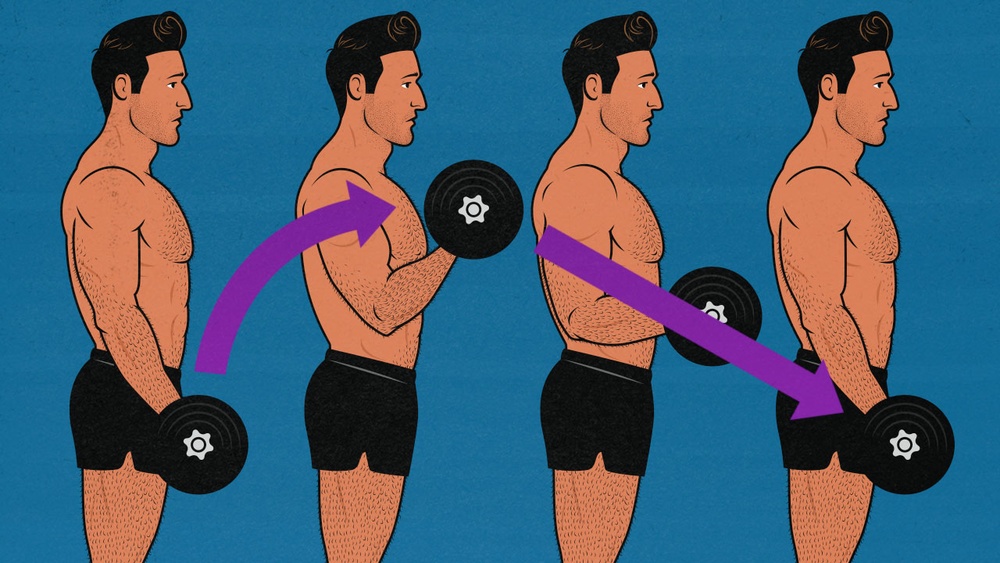
Bicep curls and tricep extensions isolate the arm muscles. This helps build muscle size and strength. Dumbbells also engage the back muscles during rows.
Lower Body Engagement
Dumbbells add resistance to leg exercises. Squats and lunges with dumbbells target the thighs and glutes. This builds muscle and improves balance.
Calf raises with dumbbells strengthen the lower legs. Using dumbbells makes lower body workouts more challenging. This leads to better muscle growth.
Core Stabilization
Dumbbell exercises require core muscles to stay stable. Movements like dumbbell twists work the obliques. Holding dumbbells during squats engages the abs for balance.
A strong core improves posture and overall strength. Dumbbells help activate deep core muscles effectively. This makes the body more stable and strong.
Effective Dumbbell Exercises
Dumbbells are simple tools that help build strength and muscle. They suit many fitness levels and goals. Using dumbbells correctly improves balance and coordination. They allow a wide range of exercises targeting different muscles. Here are some effective dumbbell exercises that work well for your body.
Compound Movements
Compound movements involve several muscle groups at once. Dumbbell squats, presses, and rows fall into this category. These exercises save time and burn more calories. They also improve overall body strength and stability. Adding dumbbell lunges and deadlifts increases leg and core strength.
Isolation Exercises
Isolation exercises target one specific muscle. Dumbbell bicep curls and tricep extensions build arm strength. Shoulder raises and chest flys shape upper body muscles. Isolation moves help fix muscle imbalances and improve tone. They fit well into a balanced workout plan.
Full-body Workouts
Full-body workouts using dumbbells activate many muscles together. Combining squats, presses, and rows creates an efficient routine. These workouts boost metabolism and increase endurance. They work well for busy schedules and home training. A mix of moves helps maintain muscle balance and fitness.
Designing A Muscle-building Routine
Designing a muscle-building routine with dumbbells requires a clear plan. The right routine helps muscles grow stronger and bigger. It also reduces injury risk and improves workout results.
Each part of the routine plays a role. Choosing the right weights and reps sets the foundation. Adding progressive overload challenges muscles to grow. Balancing workout volume and recovery ensures steady progress.
Choosing Weights And Reps
Select weights that feel challenging but doable. Aim to complete 8 to 12 reps per set. This range helps build muscle size and strength. Start with lighter weights to learn proper form. Increase weight once the reps feel easier. Avoid weights that cause pain or poor form.
Incorporating Progressive Overload
Progressive overload means gradually increasing workout difficulty. Add more weight or more reps over time. This forces muscles to adapt and grow. Track your progress each week. Small, steady increases work best. Avoid sudden jumps to prevent injury.
Balancing Volume And Recovery
Volume means the total work done in a workout. Too much volume can cause fatigue and injury. Schedule rest days to let muscles recover. Muscles grow stronger during rest, not workouts. Aim for 2 to 3 dumbbell sessions per week. Listen to your body and adjust as needed.
Common Mistakes To Avoid
Many people make mistakes while using dumbbells. These errors can stop progress and cause injuries. Avoiding common mistakes helps you get better results safely. Focus on correct habits for a stronger workout.
Here are some common mistakes to watch out for when training with dumbbells.
Poor Form And Technique
Using wrong form limits muscle growth and increases injury risk. Always keep your back straight and core tight. Move slowly and control each lift. Avoid swinging the weights or using momentum. Proper technique targets the right muscles effectively.
Neglecting Warm-up And Cool-down
Skipping warm-ups makes muscles stiff and prone to injury. Spend 5 to 10 minutes stretching or doing light cardio first. Cooling down helps reduce muscle soreness and speeds recovery. Simple stretches and deep breathing work well after your session.
Overtraining Risks
Training too hard without rest can cause fatigue and injury. Muscles need time to repair and grow stronger. Follow a balanced schedule with rest days included. Listen to your body and stop if you feel pain or extreme tiredness.
Tracking Progress For Faster Gains
Tracking progress is key to faster gains with dumbbell workouts. It helps you see your strength improve and keeps you motivated. Monitoring your progress ensures your efforts lead to real results. Without tracking, you might miss signs of improvement or needed changes.
Measuring Strength Improvements
Measure strength by noting the weight you lift and reps completed. Track how many sets you finish with good form. Write down when you lift heavier dumbbells or do more reps. Regular checks show clear progress and boost confidence. Simple records help you avoid plateaus and push limits safely.
Adjusting Workouts Over Time
Change your workouts based on your progress. Add more weight or increase reps as you grow stronger. Vary exercises to target different muscles and avoid boredom. Adjust rest time to challenge your endurance. Small changes keep your body adapting and improving.
Using Fitness Apps And Journals
Fitness apps make tracking easy and organized. Log workouts, weights, and reps quickly on your phone. Some apps provide graphs to visualize your progress over weeks. Journals work well too for those who prefer writing. Consistent tracking creates habits that support steady gains.
Integrating Dumbbells With Other Training
Dumbbells are versatile tools that fit well into many training styles. Using them with other exercises can boost strength and fitness. They help target muscles in different ways and keep workouts fresh. Mixing dumbbells with other training methods creates a balanced routine. This approach supports muscle growth, endurance, and fat loss.
Combining With Bodyweight Exercises
Bodyweight exercises use your own weight for resistance. Adding dumbbells increases the challenge and builds more muscle. For example, dumbbell push-ups or weighted squats add strength work to basic moves. This mix improves stability and control. It also helps work small muscles that bodyweight alone may miss.
Using Dumbbells In Circuit Training
Circuit training means moving quickly between exercises with little rest. Dumbbells fit well into this style. Use them for curls, presses, or rows between bodyweight moves. This keeps the heart rate high and muscles working. Circuit training with dumbbells boosts strength and endurance at the same time.
Pairing With Cardiovascular Workouts
Cardio workouts improve heart and lung health. Adding dumbbells during walking or step exercises increases calorie burn. Light dumbbells add resistance without slowing you down. This combo helps build muscle while improving fitness. It makes workouts more effective and less boring.

Credit: trainingstation.co.uk

Credit: www.dmoose.com
Frequently Asked Questions
Do Dumbbells Build Muscle Effectively?
Yes, dumbbells are excellent for muscle building. They target specific muscles and improve strength with varied resistance.
Are Dumbbells Good For Full-body Workouts?
Absolutely. Dumbbells allow diverse exercises, engaging multiple muscle groups for a complete full-body workout.
Can Dumbbells Improve Balance And Coordination?
Yes, dumbbells enhance balance and coordination by requiring control and stability during exercises.
How Often Should I Use Dumbbells For Best Results?
Use dumbbells 3-4 times weekly with proper rest days to optimize muscle growth and recovery.
Conclusion
Dumbbells help build strength and muscle effectively. They allow many exercises for the whole body. You can use them at home or in the gym. They also improve balance and coordination. Small or heavy weights fit different fitness levels. Regular use leads to better health and fitness.
Choose dumbbells to make workouts simple and flexible. No fancy machines needed. Just grab dumbbells and start moving. Your body will thank you for it.