Are you wondering if you really need a bench to get the most out of your dumbbell workouts? Maybe you’ve seen people lifting weights with a bench and think it’s an essential piece of equipment.
Or perhaps you’re trying to save space and money and want to know if you can skip it altogether. The truth is, the answer isn’t one-size-fits-all. Knowing whether a bench will help you reach your fitness goals faster or if you can manage without it can make a big difference in your progress.
Keep reading to discover how a bench can change your dumbbell routine—and if it’s the right choice for you.
Benefits Of Using A Bench
Using a bench with dumbbells adds many benefits to your workout. It helps you perform exercises more effectively and safely. A bench supports your body in different positions. This support allows better control and focus on your muscles. Here are some key benefits of using a bench with dumbbells.
Improved Exercise Range
A bench lets you move your arms and shoulders more freely. This wider range of motion helps muscles stretch and contract fully. You can do exercises like chest presses and flys with better form. This leads to stronger muscles and better results over time.
Enhanced Stability And Support
A bench provides a stable base for your body during workouts. It keeps you balanced and reduces the risk of injury. You can lift heavier weights safely with proper support. This stability also helps keep your posture correct throughout exercises.
Targeting Different Muscle Groups
Using a bench allows you to change your body angle. This variation targets different parts of your muscles. For example, incline and decline benches work upper and lower chest areas. You get a more complete workout by switching bench positions.

Credit: repfitness.com
Types Of Benches For Dumbbells
Dumbbell workouts become more effective with the right bench. Different benches offer varied support and angles. Choosing the right type helps target muscles better. Here are the main types of benches used with dumbbells.
Flat Benches
Flat benches have a simple, straight design. They provide a stable surface for many exercises. Perfect for chest presses, rows, and tricep work. Flat benches are affordable and easy to use. They fit well in small home gyms.
Adjustable Benches
Adjustable benches change angles for different workouts. You can set them flat, incline, or decline. This flexibility targets muscles from new angles. They suit exercises like shoulder presses and incline presses. Adjustable benches save space by combining multiple functions.
Incline And Decline Benches
Incline benches tilt upward to focus on upper muscles. Decline benches tilt downward to work lower muscles. These benches isolate muscle groups more effectively. They help improve muscle balance and strength. Often found in gyms, they add variety to dumbbell training.
Exercises That Benefit From A Bench
Using a bench with dumbbells opens up many exercise options. It helps target muscles better and improves workout form. Some exercises need a bench for support and stability. Others become safer or more effective with a bench.
Here are some common dumbbell exercises that benefit from a bench. They help build strength and muscle in different parts of the body.
Chest Press Variations
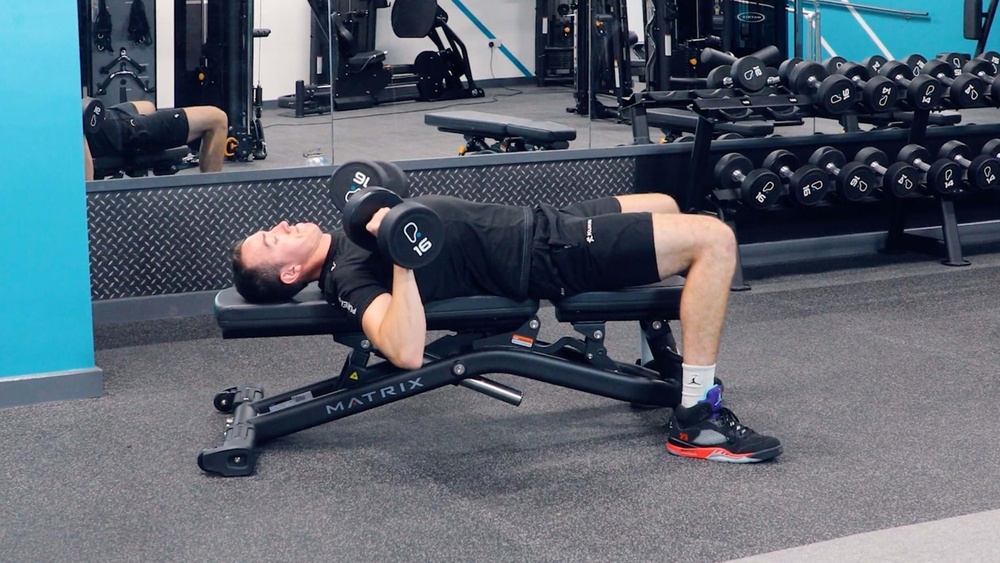
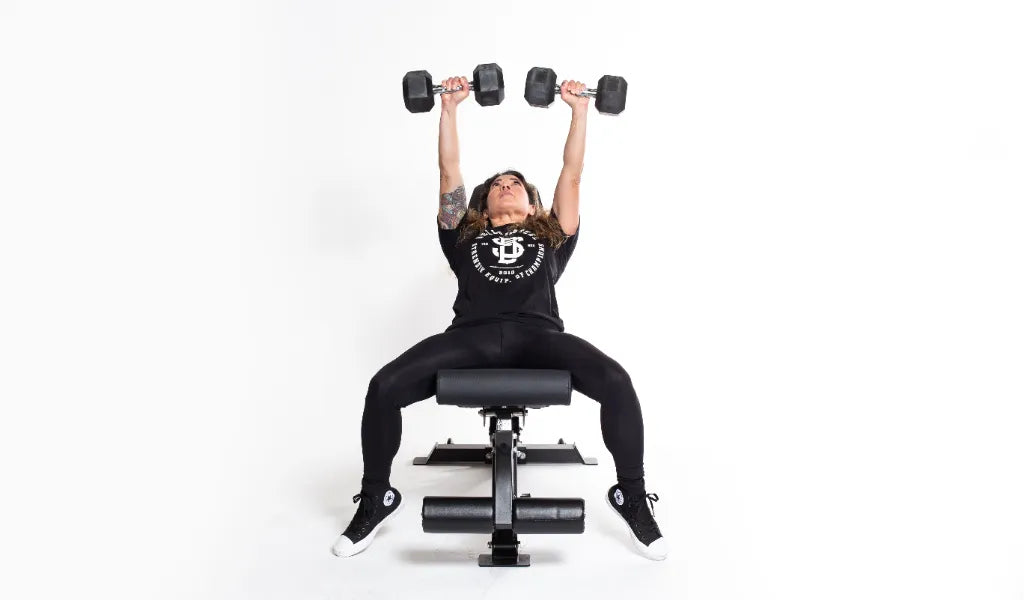
The bench is key for chest press exercises. It supports your back while you push dumbbells up. This targets the chest muscles well. You can do flat, incline, or decline presses on a bench. Each angle works the chest in a different way. Using a bench also protects your lower back.
Seated Shoulder Press
A bench with back support makes seated shoulder presses safer. It keeps your spine straight and stable. Pressing dumbbells overhead while seated focuses on shoulder muscles. The bench stops your body from leaning back. This helps lift heavier weights without injury.
Dumbbell Rows
Dumbbell rows benefit from a bench for balance. Resting one hand and one knee on the bench improves form. It helps isolate the back muscles. This position reduces strain on the lower back. You can pull heavier dumbbells with better control.
Step-ups And Bulgarian Splits
A bench is useful for leg exercises like step-ups and Bulgarian splits. Step-ups work the glutes and legs by stepping onto the bench. Bulgarian splits use the bench to support the back foot. Both exercises improve balance and strength. The bench adds height and challenge to leg workouts.

Credit: flybirdfitness.com
When You Can Skip The Bench
Not everyone needs a bench for dumbbell workouts. Many exercises do not require one. Skipping the bench saves space and money. It also allows more workout variety in small areas. Here are situations when you can train effectively without a bench.
Standing Or Floor Exercises
Many dumbbell moves work well while standing. Exercises like bicep curls, shoulder presses, and lateral raises need no bench. Floor exercises like dumbbell chest presses or rows work too. These options help target muscles without extra equipment. Standing also improves balance and core strength.
Limited Space Or Budget
A bench takes up room and costs money. Small homes or apartments might not fit one. People on tight budgets can skip buying a bench. Dumbbells alone can create a full workout plan. Use bodyweight moves alongside dumbbell exercises to save space and cash.
Focus On Bodyweight Movements
Bodyweight exercises build strength without any gear. Push-ups, planks, and squats target many muscle groups. Adding dumbbells enhances these moves without needing a bench. This method keeps workouts simple and effective. It suits beginners and those wanting flexible routines.
Choosing The Right Bench For Your Needs
Choosing the right bench for your dumbbells can improve your workout experience. A good bench offers support, comfort, and safety. It helps you perform exercises with better form. Picking the right one depends on your space, strength needs, and comfort preferences.
Space Considerations
Measure your workout area before buying a bench. Some benches fold for easy storage. Others stay fixed and take more room. Choose a bench that fits your space well. A smaller bench works for tight areas. Larger benches offer more exercise options.
Weight Capacity And Durability
Check the bench’s weight limit. It should hold your body weight plus dumbbells. Look for strong materials like steel frames. Durability means the bench lasts longer. Avoid benches that feel wobbly or weak. A sturdy bench keeps you safe during workouts.
Adjustability And Comfort
A bench with adjustable angles offers more exercises. You can do flat, incline, or decline presses. Padded seats and backrests add comfort. Comfortable benches reduce strain and pain. Adjustability helps target different muscle groups easily.
Safety Tips For Using A Bench
Using a bench with dumbbells can improve your workouts. Safety is key to avoid injuries. Follow these safety tips for using a bench effectively and safely.
Proper Setup And Positioning
Place the bench on a flat, stable surface. Ensure it does not wobble or move during exercises. Adjust the bench angle to match your workout needs. Position your body correctly on the bench. Keep feet flat on the ground for balance. Hold the dumbbells firmly before starting any lift.
Maintaining Good Form
Keep your back straight and core engaged. Avoid arching your lower back excessively. Move the dumbbells slowly and controlled. Do not use momentum to lift weights. Breathe steadily throughout each movement. Stop immediately if you feel pain or discomfort.
Regular Equipment Inspection
Check the bench for cracks or damage regularly. Make sure all bolts and screws are tight. Inspect dumbbells for loose parts or rust. Replace any worn or broken equipment promptly. Clean the bench and dumbbells after use to maintain grip and hygiene.
Credit: bellsofsteel.us
Frequently Asked Questions
Do I Need A Bench For Dumbbell Workouts?
A bench is not mandatory but highly recommended. It adds variety and supports proper form. Many exercises become safer and more effective with a bench.
Can I Do Dumbbell Exercises Without A Bench?
Yes, many dumbbell exercises can be done without a bench. Standing or floor exercises target different muscles effectively. However, a bench helps expand your workout options.
What Benefits Does A Bench Add For Dumbbell Training?
A bench provides stability and allows for greater range of motion. It supports exercises like presses and rows. This improves muscle engagement and reduces injury risk.
Are Adjustable Benches Better For Dumbbell Exercises?
Adjustable benches offer versatility by allowing multiple angles. You can target muscles from different angles, maximizing results. They are a smart investment for varied dumbbell workouts.
Conclusion
A bench can help you do more dumbbell exercises safely. It supports your body and improves your form. You can target different muscles better with a bench. But you can still train well without one. Think about your space, budget, and goals before buying.
Simple exercises on the floor also work fine. Choose what fits your needs and comfort best. Keep moving and stay consistent for good results. Your fitness journey matters more than the equipment you use.