Are you looking to boost your bench press but not sure if adding dumbbell presses to your workout will help? You might be wondering if those dumbbells can really make a difference in your strength and muscle gains.
The good news is, understanding how dumbbell presses impact your bench press can unlock new progress and break through your current limits. You’ll discover the surprising benefits of dumbbell presses and how they can directly improve your bench press performance.
Keep reading to find out how to make every rep count and take your strength to the next level.
Dumbbell Press Benefits
The dumbbell press is a popular exercise for building upper body strength. It targets the chest, shoulders, and triceps. Many people wonder if it helps improve their bench press. The benefits of the dumbbell press go beyond just strength. It can enhance muscle control and balance. This makes it a useful addition to any workout routine.
Using dumbbells allows for more natural movement. This can reduce the risk of injury. The exercise also helps fix muscle imbalances. These are common problems with barbell pressing. Understanding these benefits shows why the dumbbell press matters.
Muscle Activation Compared To Barbell
Dumbbell presses activate muscles differently than barbells. Each arm works independently. This forces smaller stabilizer muscles to engage more. These muscles support the main movers during the lift. The chest muscles work hard but so do the shoulders and triceps. This leads to more balanced muscle development. Barbell presses often let the stronger side take over. Dumbbells stop that from happening.
Range Of Motion Advantages
Dumbbells allow a greater range of motion. The weights move freely in any direction. This freedom helps stretch muscles more deeply. It also lets you press in a natural path. This reduces shoulder strain compared to fixed barbell paths. A bigger range of motion can lead to better muscle growth. It also improves joint flexibility and strength.
Improved Muscle Balance
Muscle imbalances happen when one side is stronger. Dumbbell presses help fix this problem. Each arm lifts the weight on its own. This forces weaker muscles to catch up. Over time, both sides become more equal in strength. Balanced muscles improve posture and reduce injury risk. This benefit is important for bench press performance. Balanced strength leads to more stable and powerful lifts.
Impact On Bench Press Strength
The dumbbell press can influence your bench press strength in several ways. It helps build muscle and improve control. This often leads to better performance in the bench press.
Understanding how the dumbbell press affects bench strength can guide your training plan. It targets muscles differently and helps create balanced power.
Transfer Of Strength Gains
Dumbbell presses develop pressing power that moves to the bench press. The range of motion is wider, which trains muscles fully. This wider movement helps improve muscle flexibility and strength.
Using dumbbells trains each arm separately. This fixes strength imbalances. Balanced arms push evenly during the bench press, improving overall strength.
Supporting Muscle Groups
Dumbbell presses activate supporting muscles like the shoulders and triceps. These muscles assist the chest during the bench press. Strengthening them helps increase the total pressing force.
Stronger supporting muscles reduce fatigue in the bench press. This means you can lift heavier weights or do more reps.
Stabilizer Muscle Development
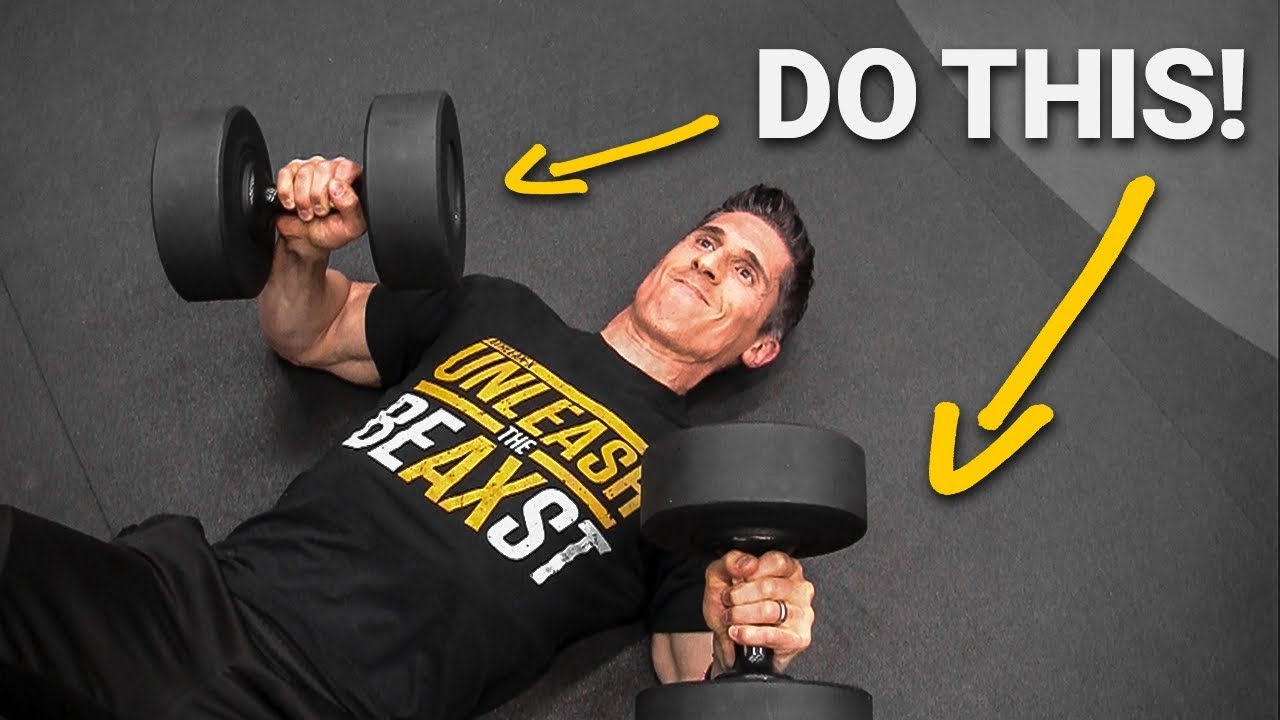
Dumbbell pressing requires more control than the barbell bench press. It forces stabilizer muscles in the shoulders and core to work hard. Strong stabilizers improve balance and control during lifts.
Improved stabilization leads to safer bench presses. It also helps maintain proper form, which prevents injuries.
Training Techniques For Maximum Gains
Training with dumbbell presses can boost your bench press strength. Using the right techniques helps you gain muscle and power. Focus on how you train, not just what you lift. Smart training leads to better results.
Progressive Overload Strategies
Increase the weight gradually over weeks. Add small amounts of weight each session. This forces your muscles to grow stronger. Track your progress to avoid plateaus. Consistency in adding weight is key.
Combining Dumbbell And Barbell Presses
Use both dumbbells and barbells in your workouts. Dumbbells improve balance and muscle control. Barbells allow heavier lifting and build power. Switching between them targets muscles differently. This variety helps avoid boredom and injury.
Optimal Rep Ranges
Choose reps based on your goals. For strength, do 3 to 6 reps per set. For muscle size, aim for 8 to 12 reps. Keep your form tight and controlled. Rest between sets to recover fully.

Credit: powerliftingtechnique.com
Common Mistakes To Avoid
Using dumbbell press can help improve your bench press. But many people make mistakes that slow progress or cause injury. Knowing what to avoid is key. Here are some common mistakes to watch out for.
Poor Form Risks
Bad form can hurt your shoulders and chest. Dropping elbows too low strains joints. Arching your back too much can cause pain. Keep your movements controlled and steady. Focus on proper grip and arm path. This helps build strength safely.
Overtraining Concerns
Training too often with heavy weights wears out muscles. Your strength might drop instead of rising. Muscles need time to adapt and grow. Avoid doing dumbbell press every day. Plan rest days to let your body recover. Balance workouts with other exercises for best results.
Ignoring Recovery
Skipping rest slows progress and risks injury. Muscles repair during rest, not workouts. Poor sleep and nutrition hurt recovery. Drink water and eat protein after training. Stretch and use light movement on rest days. Recovery boosts strength and reduces soreness.
Sample Workout Plans
Sample workout plans help you use the dumbbell press to improve your bench press. These plans suit different skill levels. You can pick one that matches your strength and experience. Each plan focuses on building chest, shoulders, and triceps power.
Follow the routines consistently. Track your progress and increase weights slowly. Rest and proper form are key to avoid injury. Start with lighter weights and add more as you get stronger.
Beginner Routine
Start with light dumbbells to learn the movement. Perform 3 sets of 10 to 12 reps. Rest for 60 seconds between sets. Do this 2 times a week. Focus on smooth, controlled motions. Combine with push-ups to build endurance.
Intermediate Routine
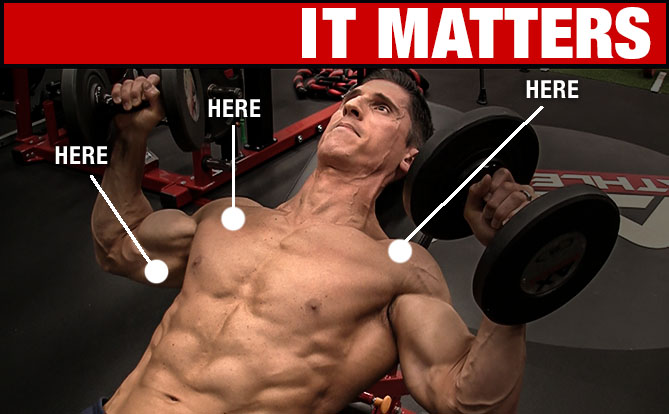
Use moderate weights that challenge your muscles. Do 4 sets of 8 to 10 reps. Rest for 90 seconds between sets. Train 3 times a week. Add incline dumbbell press to target upper chest. Include tricep dips for arm strength.
Advanced Routine
Lift heavier dumbbells with strict form. Perform 5 sets of 6 to 8 reps. Rest for 2 minutes between sets. Train 4 times a week. Mix flat and incline dumbbell presses. Add paused reps to increase muscle tension. Use slow negatives for better control.
Credit: learn.athleanx.com
Credit: www.youtube.com
Frequently Asked Questions
Does Dumbbell Press Improve Bench Press Strength?
Yes, dumbbell press targets similar muscles used in bench press. It enhances stability, balance, and muscle activation, improving overall bench strength.
How Often Should I Do Dumbbell Press For Bench Gains?
Perform dumbbell press 2-3 times weekly with proper rest. Consistency and progressive overload are key to boosting bench press performance.
Are Dumbbell Presses Better Than Barbell Bench Press?
Dumbbell presses offer greater range of motion and muscle balance. Both exercises complement each other for optimal chest and strength development.
Can Dumbbell Press Reduce Bench Press Injury Risk?
Yes, dumbbell presses improve joint stability and muscle coordination. This lowers injury risk by promoting balanced muscle development around the shoulders.
Conclusion
Dumbbell presses build strength and stability in your chest muscles. They improve muscle balance and help fix strength gaps. This leads to better control during bench presses. Using dumbbells also increases your range of motion. That helps target muscles more effectively.
Combining dumbbell presses with bench press workouts can boost your overall performance. Try adding dumbbell presses to your routine for steady progress. Small changes often bring the best results. Keep practicing and watch your bench press improve over time.