Are you wondering if the dumbbell press can help build your biceps? You might have seen people using dumbbells for chest and shoulder workouts, but what about your arms?
Understanding which exercises target the right muscles is key to making your workouts effective. If you want to know whether the dumbbell press works your biceps and how to get the most from your training, keep reading. This simple question could change the way you approach your fitness routine.
Dumbbell Press Basics
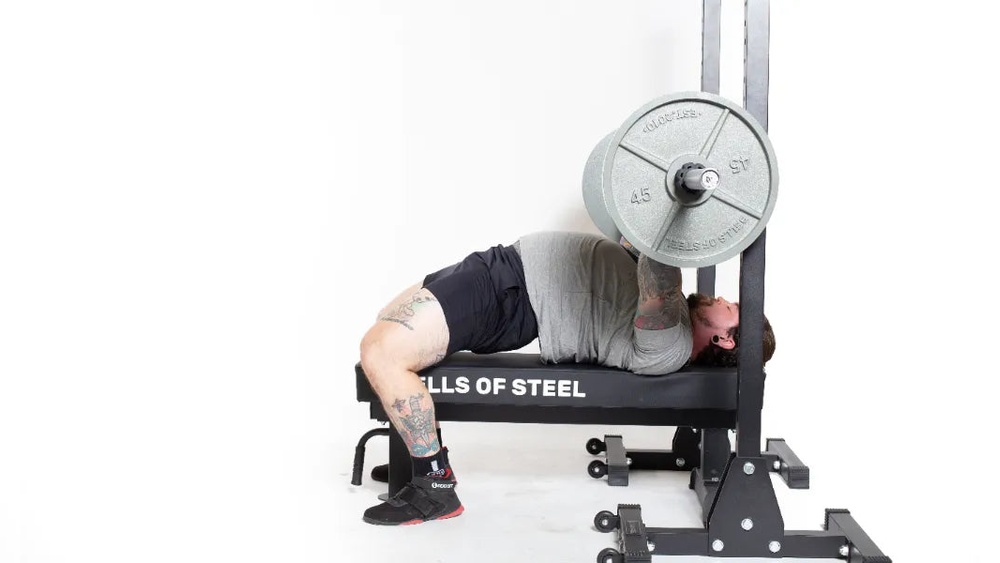
The dumbbell press is a popular exercise for building upper body strength. It involves pushing dumbbells upward while lying on a bench or standing. This move helps improve muscle tone and endurance.
Many people wonder if the dumbbell press works the biceps. Understanding the basics helps answer that question clearly. Let’s look at the main muscles involved and common ways to do this exercise.
Primary Muscles Targeted
The dumbbell press mainly targets the chest muscles. The pectoralis major is the prime mover during the press. It also works the front shoulder muscles called the anterior deltoids. The triceps brachii on the back of your arms assist in pushing the weights up.
The biceps muscles do not get much work in this exercise. They act as stabilizers but do not contract strongly. So, the dumbbell press is not effective for building biceps size or strength.
Common Variations
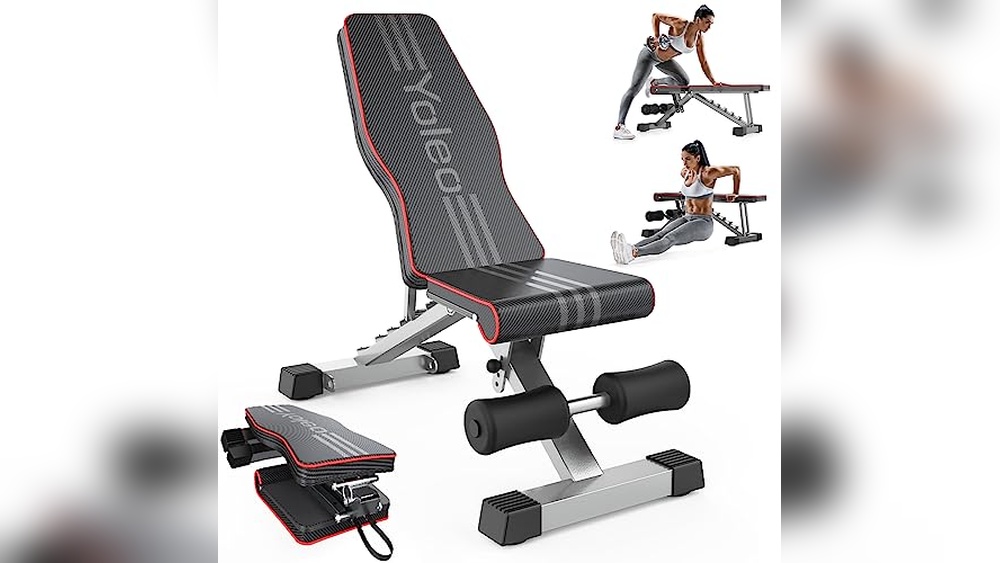
There are several ways to perform the dumbbell press. The flat bench press is the most common form. You lie on a flat bench and press the weights upward.
The incline dumbbell press targets the upper chest more. It uses a bench set at about 30 to 45 degrees. The decline press focuses on the lower chest with a downward bench angle.
Standing or seated dumbbell presses work the shoulders more than the chest. Each variation changes the muscle emphasis slightly. Choose the type that fits your fitness goals best.
Biceps Anatomy And Function
The biceps are a key muscle group in the upper arm. They play an important role in many daily movements. Understanding the biceps’ anatomy and function helps explain how exercises affect them. This knowledge shows whether a dumbbell press targets the biceps effectively.
Muscle Structure
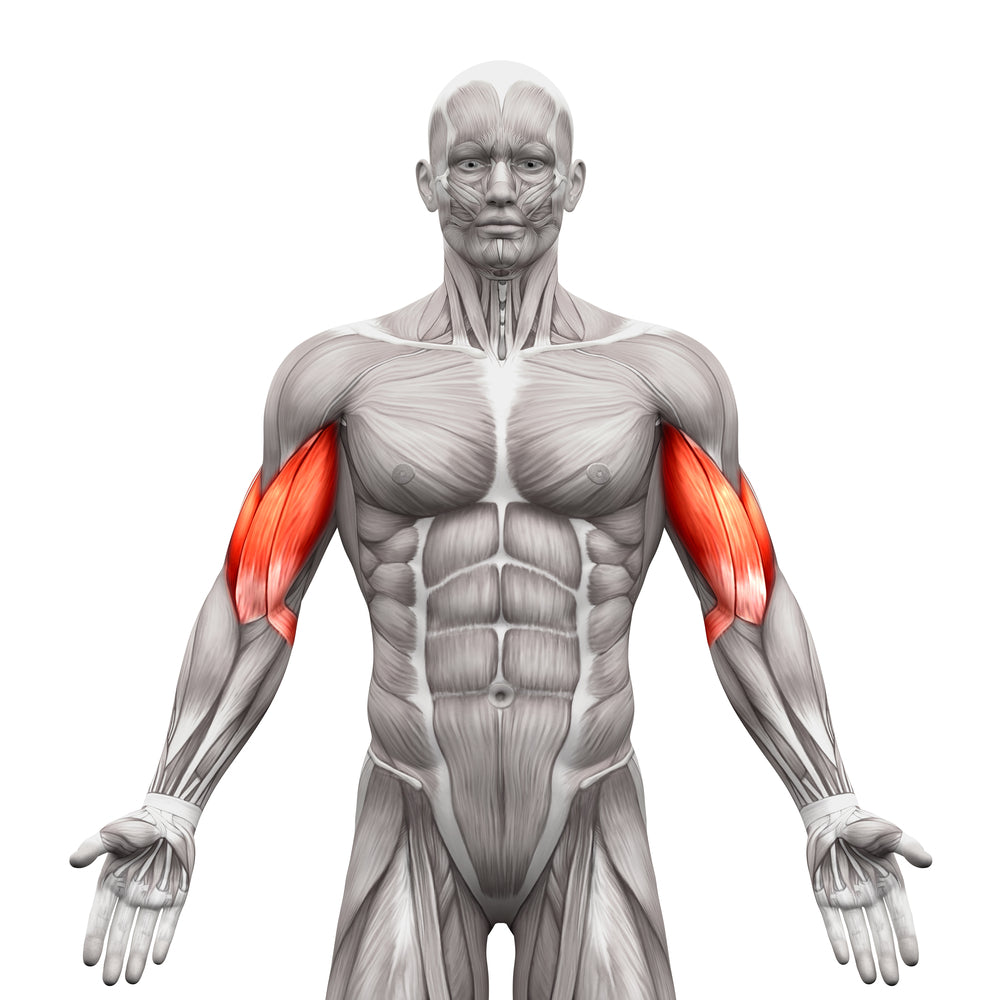
The biceps consist of two main parts: the long head and the short head. Both parts attach from the shoulder to the forearm. They work together to control arm movements. The biceps lie on the front of the upper arm. This position allows them to bend the elbow and rotate the forearm.
Role In Upper Body Movements
The biceps help bend the elbow, bringing the hand closer to the shoulder. They also rotate the forearm, turning the palm up. These actions are common in lifting, pulling, and carrying. The biceps assist in pushing movements but are not the main muscles used. Understanding this helps clarify how much a dumbbell press works the biceps.
Muscle Activation During Dumbbell Press
The dumbbell press is a popular exercise to build chest and shoulder strength. It mainly targets the pectoral muscles. Many wonder if it also works the biceps. Understanding muscle activation helps answer this question.
Muscle activation shows which muscles work during the exercise. It helps to know if the biceps get involved in the dumbbell press.
Electromyography Insights
Electromyography (EMG) measures muscle electrical activity. It shows how much a muscle works during an exercise. Studies reveal high activity in the chest and shoulders during the dumbbell press. The biceps show very low EMG activity. This means the biceps do not contract much. They are not the main muscles used.
Involvement Of Supporting Muscles
The dumbbell press mainly uses the chest, shoulders, and triceps. The triceps help extend the elbows during the press. The biceps are on the opposite side of the arm. They do not help push the weight up. Instead, they act as stabilizers only. Their role is small and not for lifting.
Biceps Engagement In Dumbbell Press
The dumbbell press mainly targets the chest, shoulders, and triceps. The biceps are not the primary muscles worked. Still, they play a supporting role during the exercise.
The biceps help stabilize the arm and elbow joint. This action keeps the dumbbells steady as you press them upward. The level of biceps involvement depends on the form and grip used.
Isometric Vs Dynamic Action
During the dumbbell press, the biceps work mostly in an isometric way. This means the biceps contract without changing length. They hold the arm steady against the weight.
The biceps do not perform a dynamic action, which involves changing length. They do not bend the elbow or move the arm actively in this exercise. Their role is more about support than movement.
Comparison With Biceps-specific Exercises
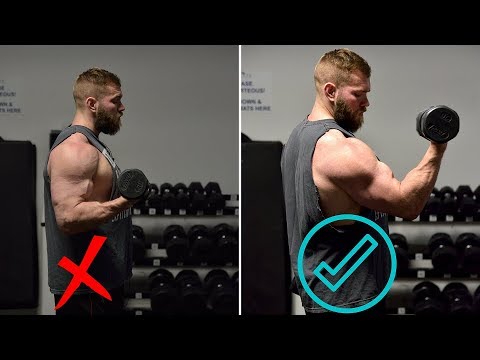
Biceps-specific exercises like curls create dynamic movement. These exercises make the biceps contract and lengthen repeatedly. This builds strength and size directly in the biceps.
The dumbbell press does not provide the same direct biceps workout. The biceps get less stimulus and less growth compared to curls. For bigger biceps, focus on exercises made for them.
Optimizing Dumbbell Press For Arm Development
The dumbbell press mainly targets the chest and shoulders. Yet, it can also help build your arms. Adjusting your technique can increase arm engagement.
Small changes to your grip and wrist position can make a big difference. These tweaks can activate your biceps and forearms more effectively. Focus on proper form for best results.
Grip Variations
Changing your grip changes which muscles work hardest. A neutral grip, with palms facing each other, reduces shoulder strain. It also recruits arm muscles more.
A pronated grip, with palms facing forward, targets the chest more. But it still works the triceps well. Try both grips to see which feels better for your arms.
Incorporating Supination
Supination means turning your palms up during the press. This movement activates the biceps more strongly. It also helps improve wrist stability.
Start the dumbbell press with a neutral grip. Rotate your wrists outward as you push up. This twist adds extra work for your biceps and forearms.

Credit: www.youtube.com
Alternative Exercises For Biceps Growth
Many people want stronger and bigger biceps. Dumbbell press mainly works chest and shoulders. It does not target the biceps well. To grow biceps, try other exercises. These exercises focus more on your arm muscles.
Isolation Movements
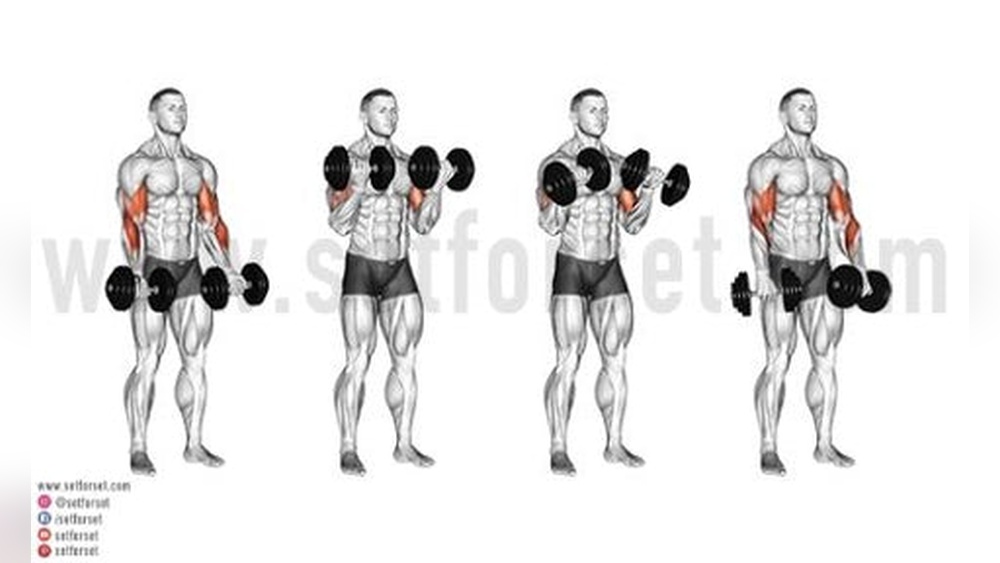
Isolation exercises target the biceps directly. One popular move is the bicep curl. Hold dumbbells or a barbell and lift slowly. This action works only the biceps muscle. Another good exercise is the concentration curl. Sit down and curl one arm at a time. These movements help build biceps size and strength.
Compound Exercises
Compound exercises use several muscles at once. Pull-ups are great for biceps and back. Grab a bar and pull your body up. Chin-ups also work well, focusing more on the biceps. Rows with dumbbells or barbells help too. These moves build overall arm strength and size. Compound exercises give your biceps a strong workout.
Common Myths About Dumbbell Press And Biceps
Many people have wrong ideas about the dumbbell press and its effect on biceps. These myths cause confusion about which muscles really get worked. Clearing up these myths helps you train smarter and get better results.
Understanding what the dumbbell press does and does not do is important. This helps set the right goals and avoid wasted effort.
Is Dumbbell Press A Biceps Exercise?
The dumbbell press mainly targets the chest and shoulders. It does not directly work the biceps. The biceps play a small role as stabilizers, not prime movers.
Does Dumbbell Press Build Bigger Arms?
This exercise can improve arm shape slightly by working supporting muscles. But it will not build big biceps. Other exercises, like curls, focus on biceps growth.
Can Dumbbell Press Replace Bicep Curls?
No. Dumbbell press and bicep curls serve different purposes. Curls isolate the biceps. Presses target the chest and triceps.
Do You Need To Work Biceps Separately?
Yes. To grow biceps, specific exercises are necessary. Dumbbell press alone won’t give you strong biceps.
Credit: builtforathletes.com
Credit: www.youtube.com
Frequently Asked Questions
Does Dumbbell Press Target The Biceps Effectively?
No, dumbbell press primarily targets the chest, shoulders, and triceps. It does not significantly work the biceps.
How Does Dumbbell Press Affect Arm Muscles?
Dumbbell press mainly strengthens the triceps and shoulders. The biceps play a minimal role during this exercise.
Can Dumbbell Press Replace Bicep Workouts?
No, dumbbell press cannot replace specific bicep exercises. For biceps growth, curls and other direct exercises are necessary.
Why Doesn’t Dumbbell Press Work Biceps Much?
The dumbbell press motion focuses on pushing, which activates chest and triceps more than biceps, which are pulling muscles.
Conclusion
Dumbbell press mainly targets your chest and shoulders. It does not directly work your biceps much. Biceps get only a small, indirect stretch during the movement. To build strong biceps, focus on exercises like curls. Still, dumbbell press helps overall arm strength.
Combine it with bicep-specific moves for balanced muscle growth. Remember, each exercise has its own role. Choose workouts that fit your goals and body. Keep your routine simple and consistent. Results come with steady effort and time.