Are you worried that your neoprene dumbbells might be putting your health at risk? With so many fitness products on the market, it’s natural to wonder if the materials used could cause serious problems like cancer.
You want to stay strong and healthy, not trade one worry for another. You’ll discover the facts about neoprene dumbbells and whether they really pose any danger to your body. Keep reading to protect your health and make confident choices for your workouts.
What Are Neoprene Dumbbells
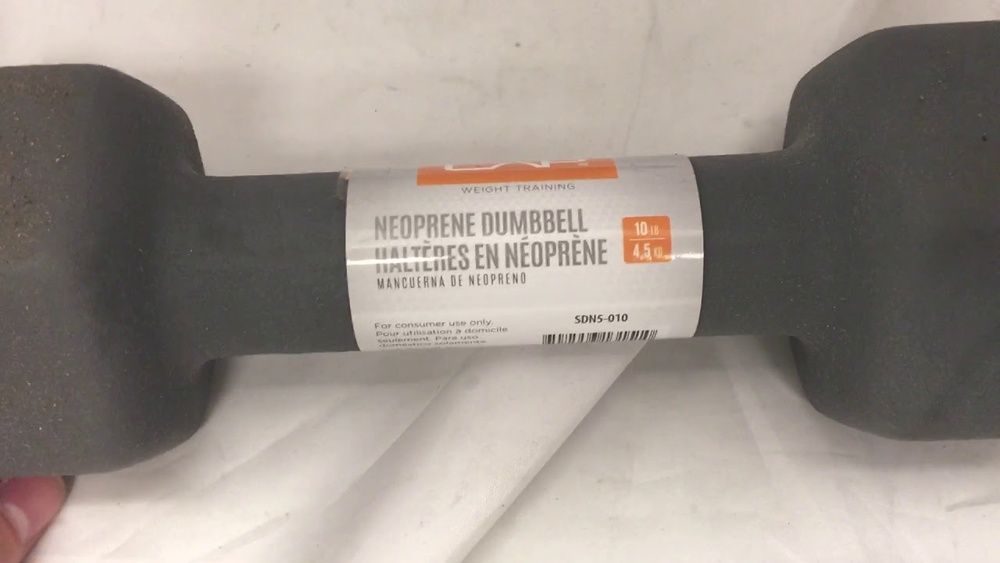
Neoprene dumbbells are a popular choice for many fitness enthusiasts. They offer a comfortable grip and come in various weights. These dumbbells are often coated with a soft material called neoprene. This makes them easy to hold and less likely to slip during workouts.
Understanding what neoprene dumbbells are can help clear doubts about their safety. Knowing their material and uses is key to addressing concerns about health risks.
Material Composition
Neoprene is a type of synthetic rubber. It is durable, flexible, and water-resistant. The dumbbells have a metal core for weight. This core is covered by a layer of neoprene. The coating protects the metal and gives a soft feel. It also prevents damage to floors and furniture.
Common Uses In Fitness
Neoprene dumbbells are great for light to moderate strength training. They are used in aerobic exercises, physical therapy, and home workouts. Their comfortable grip helps beginners and seniors. The neoprene coating reduces hand sweat and improves control. These dumbbells are ideal for exercises that need frequent handling.

Credit: www.walmart.com
Chemical Concerns Linked To Neoprene
Neoprene dumbbells are popular for workouts. Their soft surface and grip make them easy to use. Many users worry about chemicals in neoprene. These worries focus on health risks like cancer. Understanding the chemical concerns helps users make safe choices.
Potential Toxic Components
Neoprene is a synthetic rubber made with many chemicals. Some chemicals used in its production can be harmful. These include solvents, stabilizers, and plasticizers. Some may release small amounts of volatile organic compounds (VOCs). Prolonged exposure to certain chemicals may cause health issues. The key concern is whether these chemicals stay trapped or escape.
Exposure Routes During Use
People can contact neoprene chemicals by touch or breathing. Sweat and heat may help release chemicals from the surface. Small particles or fumes might be inhaled during heavy use. Skin contact is common but usually low risk. Proper ventilation lowers inhalation risks. Washing hands after workouts can reduce chemical residue.
Cancer Risks And Scientific Evidence
Many people wonder if neoprene dumbbells can cause cancer. Understanding cancer risks linked to neoprene helps users make safe choices. Scientific evidence offers clear insight into the health effects of neoprene materials.
This section reviews studies and official health statements about neoprene and cancer risks. The goal is to provide factual, easy-to-understand information.
Research On Neoprene And Carcinogenicity
Neoprene is a synthetic rubber commonly used in fitness gear. Scientists have studied its chemical makeup to check for cancer risks. Research shows neoprene itself is not classified as a carcinogen. The material does not release harmful substances during normal use.
Some concerns arise from chemicals used in manufacturing neoprene. These chemicals may pose risks if exposure is high and prolonged. However, dumbbells are usually sealed and safe to handle. Studies find no direct link between neoprene dumbbells and cancer.
Official Health Agency Statements
Health agencies like the EPA and WHO monitor materials for cancer risks. Neither agency lists neoprene as a carcinogen for consumers. They emphasize safe use and proper ventilation during manufacturing. For everyday users, neoprene dumbbells pose minimal to no cancer risk.
Experts recommend buying products from trusted brands. These brands follow safety standards for materials and chemicals. This ensures users avoid harmful exposures from neoprene products.

Credit: www.prosourcefit.com
Myths Surrounding Neoprene Dumbbells
Neoprene dumbbells are popular for workouts at home and in gyms. Many people use them because they are comfortable to hold and come in bright colors. Despite their popularity, some myths about neoprene dumbbells have spread. One big myth is that they can cause cancer. This section clears up these misunderstandings.
Origins Of The Cancer Claims
The cancer claims began with concerns about chemicals in neoprene. Some people worry that neoprene contains harmful substances. These substances are said to release toxins during use. This fear grew from misunderstandings about materials used in many products. Neoprene is a type of synthetic rubber used in many everyday items. It is common in wetsuits, laptop sleeves, and even medical braces.
There is no direct evidence linking neoprene dumbbells to cancer. The claims often confuse neoprene with other harmful chemicals not used in these dumbbells. Many times, rumors spread without scientific proof. This causes unnecessary fear among users.
Separating Fact From Fiction
Scientific studies do not show that neoprene dumbbells cause cancer. Manufacturers follow strict rules to ensure product safety. These rules limit harmful chemicals in consumer goods. Neoprene used in dumbbells is tested for safety before sale. The small amount of material in dumbbells does not release dangerous toxins. Regular use of neoprene dumbbells is safe for health.
Choosing quality brands helps avoid low-standard products. Always check product labels and certifications. Understanding facts helps stop myths from spreading. Use neoprene dumbbells confidently without fear of cancer risks.
Safe Handling And Usage Tips
Using neoprene dumbbells safely can reduce health risks. Proper handling helps minimize exposure to any chemicals. Small steps make a big difference in safety. Follow these tips to use your dumbbells with care.
Reducing Exposure To Chemicals
Wash your hands after handling neoprene dumbbells. Avoid touching your face during workouts. Store dumbbells in a cool, dry place. Keep them out of direct sunlight to prevent chemical breakdown. Clean the dumbbells regularly with mild soap and water. Avoid harsh cleaners that may release harmful fumes. Use gloves if your skin is sensitive or damaged. These habits lower the chance of chemical contact.
Alternative Dumbbell Materials
Consider dumbbells made from safer materials. Options include steel, cast iron, or rubber-coated weights. These often contain fewer chemicals than neoprene. They may last longer and resist wear better. Choose dumbbells with clear labels on materials used. This helps avoid unknown substances that might cause harm. Trying different materials can improve your workout safety.

Credit: www.performancehealth.ca
Frequently Asked Questions
Are Neoprene Dumbbells Safe For Daily Use?
Yes, neoprene dumbbells are generally safe for daily use. They are coated with a non-toxic material that minimizes skin irritation. Proper cleaning and maintenance ensure they remain safe and hygienic over time, posing no significant health risks.
Can Neoprene Dumbbells Release Harmful Chemicals?
Neoprene dumbbells may emit small amounts of chemicals when new. However, these emissions are minimal and typically not harmful. Using them in well-ventilated areas reduces any potential risk, making them safe for regular workouts.
Is There Any Cancer Risk From Neoprene Dumbbells?
Current research shows no direct link between neoprene dumbbells and cancer. The materials used comply with safety standards. Proper use and handling further minimize any health concerns related to these dumbbells.
How To Identify Safe Neoprene Dumbbells?
Choose neoprene dumbbells from reputable brands that follow safety regulations. Look for certifications and user reviews. Avoid products with strong chemical odors or poor-quality coatings to ensure safety and durability.
Conclusion
Neoprene dumbbells do not cause cancer based on current research. These weights are safe for everyday use during workouts. Always choose quality products from trusted brands to avoid harmful chemicals. Regular cleaning helps keep your equipment in good condition. Staying informed about materials is key to safe fitness habits.
Keep exercising without worry and focus on your health goals. Safety matters, but fear should not stop your progress.