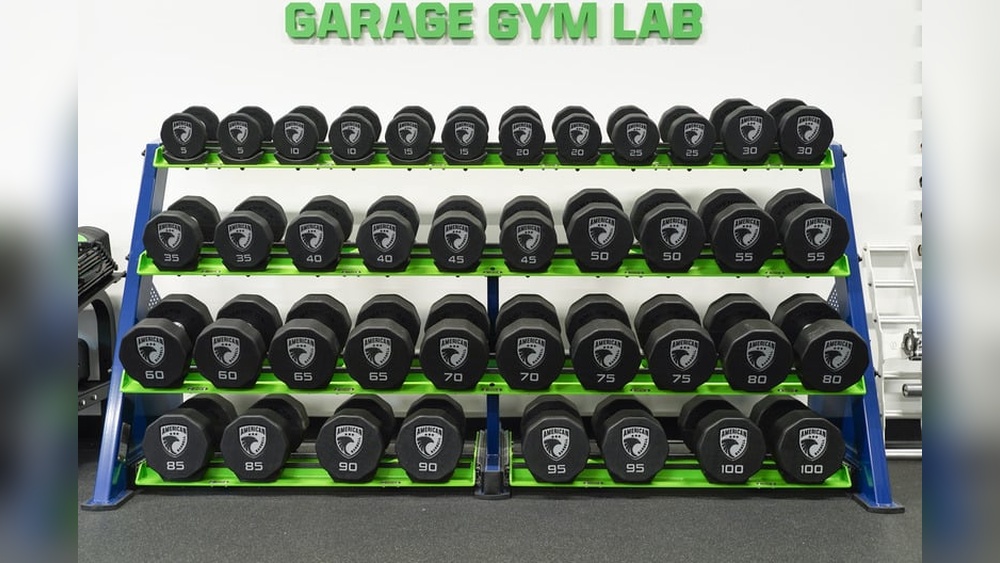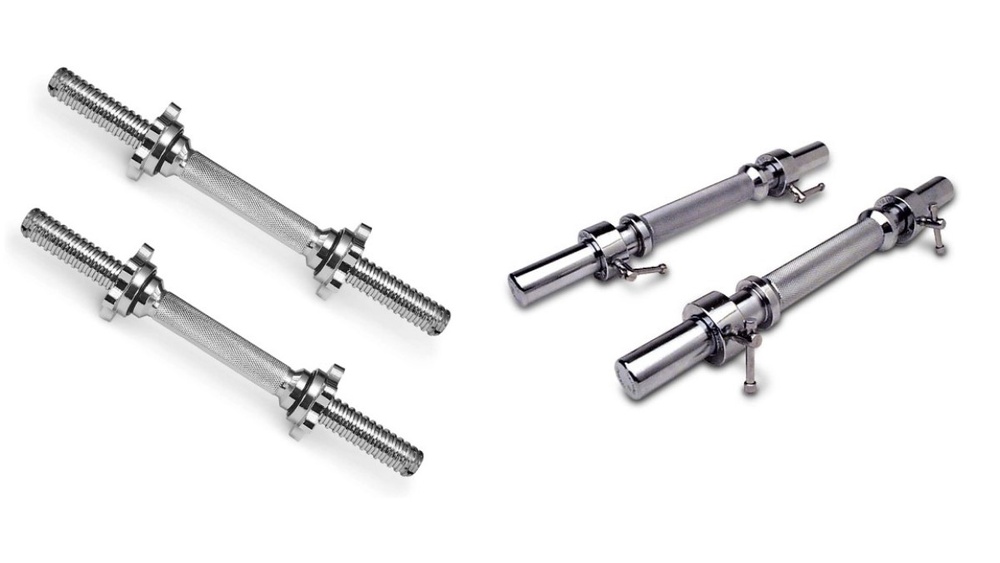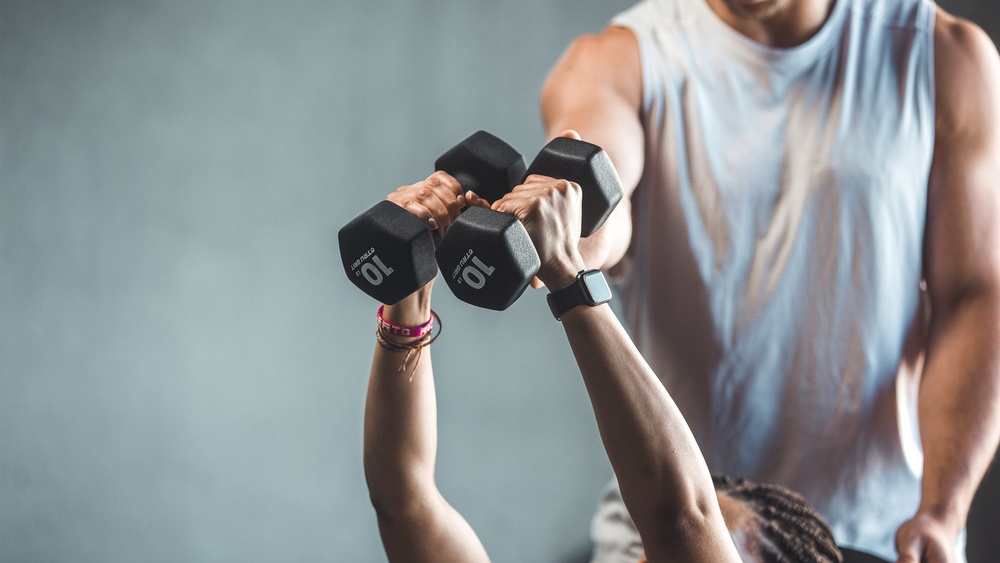
Have you ever picked up a dumbbell and wondered if its weight is really what it says on the label? You’re not alone.
Knowing how accurate dumbbell weights are can make a big difference in your workouts and progress. If your weights are off, even by a little, it can affect your strength gains and safety. You’ll discover the truth behind dumbbell accuracy and learn how to make sure you’re lifting exactly what you think you are.
Keep reading to get the facts and take control of your fitness journey.
Dumbbell Weight Standards
Dumbbell weight standards help ensure the weights match their labeled amount. These standards guide manufacturers to produce dumbbells within certain limits. Understanding these rules can help you know how accurate your dumbbells are. Different factors affect the exact weight you get in each dumbbell.
Let’s explore some key aspects that influence dumbbell weight accuracy. These include manufacturing tolerances, material variations, and labeling practices. Each plays a role in the final weight you lift.
Manufacturing Tolerances
Manufacturing tolerances allow small weight differences during production. These limits help factories produce many dumbbells quickly. A tolerance might mean a dumbbell can weigh slightly more or less than labeled. Usually, this difference stays within 1-3%. This range is normal and safe for workouts.
Material Variations
The materials used affect the dumbbell’s actual weight. Metals like iron or steel can have small density changes. Even small changes in material mix can affect the final weight. Casting or molding methods also impact weight consistency. This causes minor weight differences between dumbbells of the same size.
Labeling Practices
Labels on dumbbells show the approximate weight, not an exact number. Manufacturers round weights to simple numbers for easy reading. Some brands use whole pounds or kilograms only. Labeling rules do not require perfect accuracy. The goal is to provide a close estimate for users.
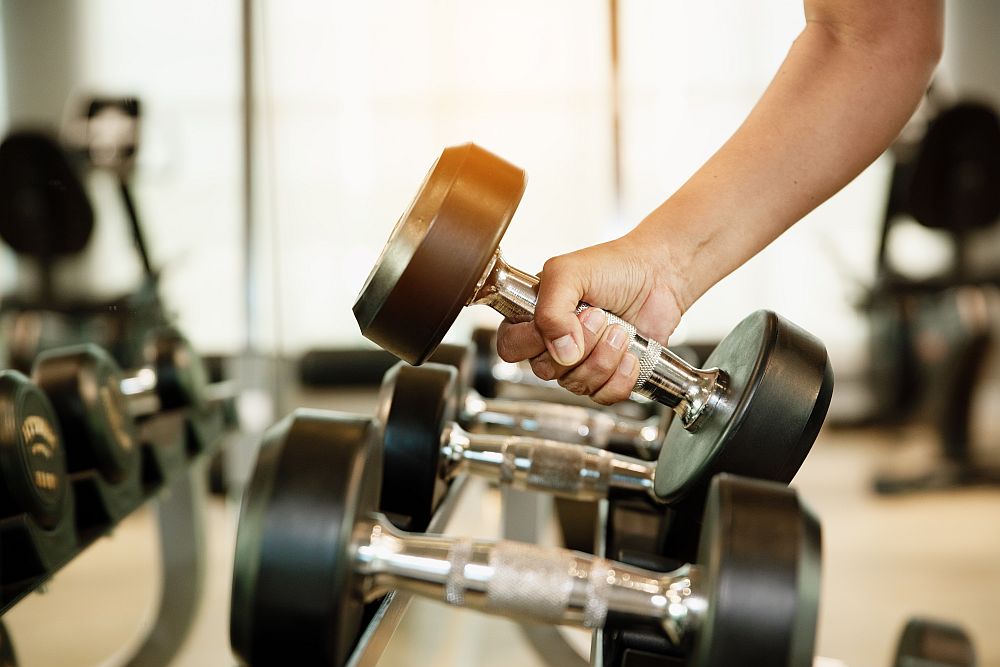
Credit: ceramics.org
Common Weight Discrepancies
Dumbbell weights are not always exact. Small differences in weight happen often. These differences can affect your workout results. Understanding common weight discrepancies helps you choose better equipment.
Overweight Vs Underweight Dumbbells
Some dumbbells weigh more than the labeled amount. Others weigh less. Overweight dumbbells can make lifting harder. Underweight dumbbells may make exercises too easy. Both types affect your training progress.
Impact Of Wear And Tear
Wear and tear changes dumbbell weight over time. Rust can add extra weight. Damage may remove some metal. Frequent use leads to small shifts in weight. Old dumbbells often differ from their original weight.
Effect Of Coatings And Finishes
Coatings like paint or rubber change dumbbell weight. Thick finishes add grams. Some coatings wear off, changing weight again. Different brands use different coatings. This causes small but noticeable weight differences.
Testing Dumbbell Accuracy
Testing dumbbell accuracy helps ensure your workout is effective and safe. Weights that differ from their labeled amount can affect your training progress. Measuring the true weight of dumbbells is important for both beginners and experienced lifters.
Methods To Measure Weight
Start by using a reliable scale designed for weights. Place the dumbbell carefully on the scale. Record the number shown to compare with the labeled weight. Repeat the process a few times for accuracy. Check different dumbbells in the set to find any inconsistencies.
Tools For Accurate Measurement
Digital kitchen scales work well for light dumbbells. For heavier ones, use a calibrated gym scale or a postal scale. Precision is key. Avoid using bathroom scales as they may not be accurate enough. Choose tools that measure in small increments for better results.
Frequency Of Calibration
Regular calibration keeps your measurement tools reliable. Check your scale’s accuracy every few months. Use known weights or calibration weights for testing. Adjust or replace the scale if readings are off. Frequent calibration prevents errors in weight testing.
Brand Comparisons
Choosing the right dumbbells means understanding how different brands compare. Not all dumbbells weigh exactly what they say. Some brands are more precise, while others may vary. This section looks at brand differences in weight accuracy. It helps you pick dumbbells that meet your needs.
Budget Vs Premium Dumbbells
Budget dumbbells often have wider weight ranges. They may be off by a few pounds. Premium dumbbells tend to have stricter quality controls. Their weights are closer to the labeled amount. The price difference reflects this accuracy and build quality. Budget options suit casual users. Premium ones fit serious lifters.
Reputation And Reliability
Brands with strong reputations usually deliver reliable weights. They invest in better materials and testing. Newer or less-known brands might skip these steps. This can lead to weight inconsistencies. Trusted brands also offer warranties and customer support. These factors add value beyond just weight accuracy.
Customer Feedback Trends
Many users share their experiences online. Reviews often mention if dumbbells match their claimed weight. Consistent complaints about weight errors can signal poor quality. Positive feedback often highlights precision and durability. Checking multiple reviews helps spot reliable brands. Real user input is a helpful guide.
Practical Impact On Workouts
Dumbbell weight accuracy can affect your workout results and safety. Small differences in weight may change how your muscles work. This section looks at how weight accuracy impacts your training.
Safety Considerations
Uneven or wrong weights increase injury risk. Your muscles may strain to balance the load. This can lead to muscle pulls or joint pain. Check dumbbell weights regularly to avoid surprises. Use weights with clear markings and good quality.
Training Effectiveness
Accurate weights help track progress better. If weights are off, it can slow muscle growth. Consistent weight loads improve strength gains. Inaccurate dumbbells can confuse your workout plan. Stick to weights that match the labels closely.
Adjusting For Weight Variances
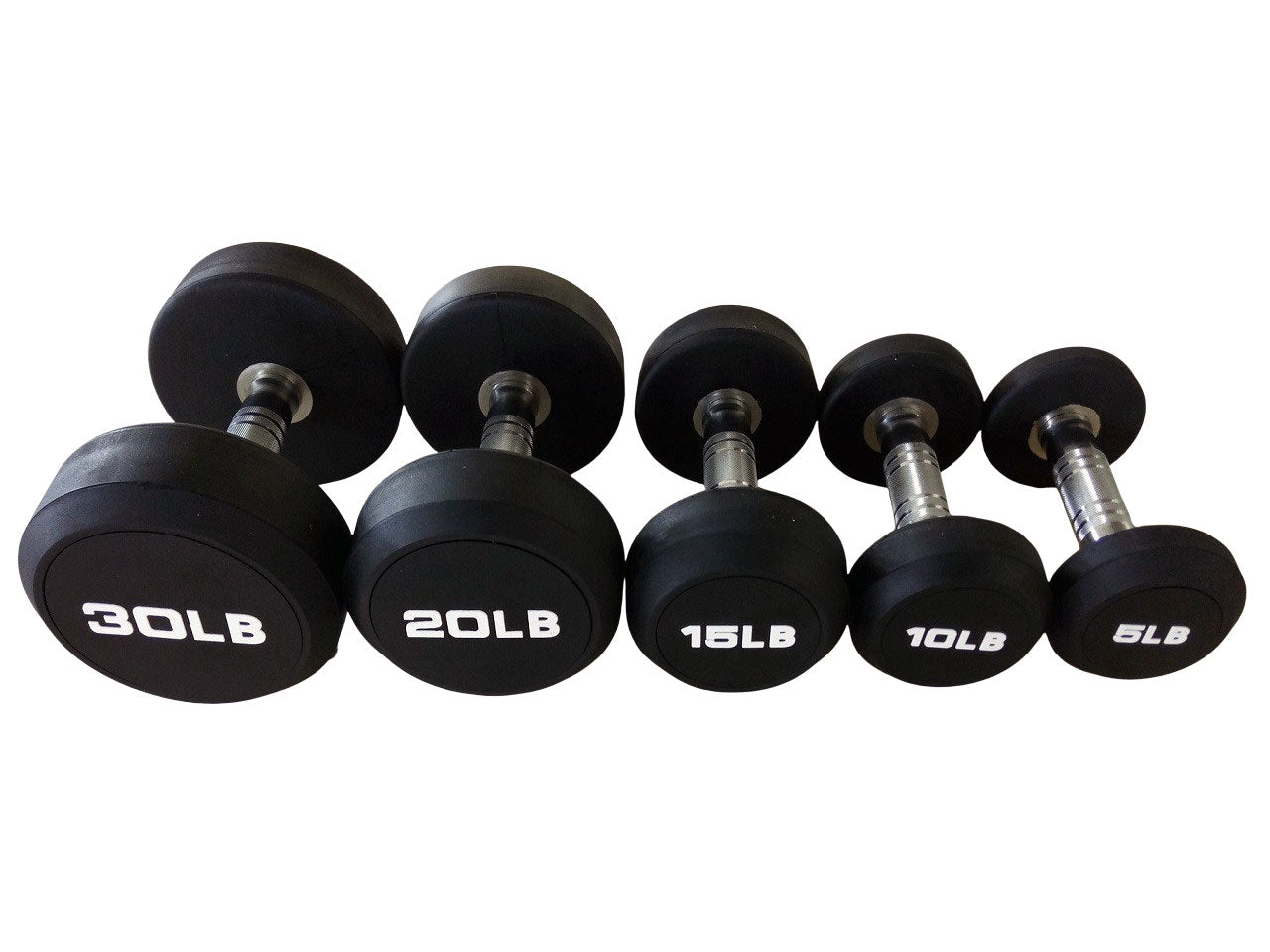
Weigh dumbbells before use to find differences. Adjust reps or sets if weights vary slightly. Focus on form and control over exact load. Use a scale for precise measurement if possible. Small changes in weight need small training tweaks.
Credit: www.globalfitness.com
Tips For Choosing Accurate Dumbbells
Choosing accurate dumbbells is key to effective workouts. Inaccurate weights can affect your progress and cause frustration. Knowing how to pick reliable dumbbells helps keep your training on track. Follow simple tips to find weights that match their labeled pounds exactly.
Accuracy ensures you lift the right amount. It protects your body from injury and improves strength gains. Use these tips to select dumbbells with true weight measurements and lasting quality.
Where To Buy
Buy dumbbells from trusted stores or brands. Specialty fitness shops often sell quality equipment. Online retailers with good reviews also offer reliable options. Avoid buying from unknown sellers or cheap marketplaces. Quality control is less strict in those places. Choose sellers that provide weight details and guarantees.
What To Look For
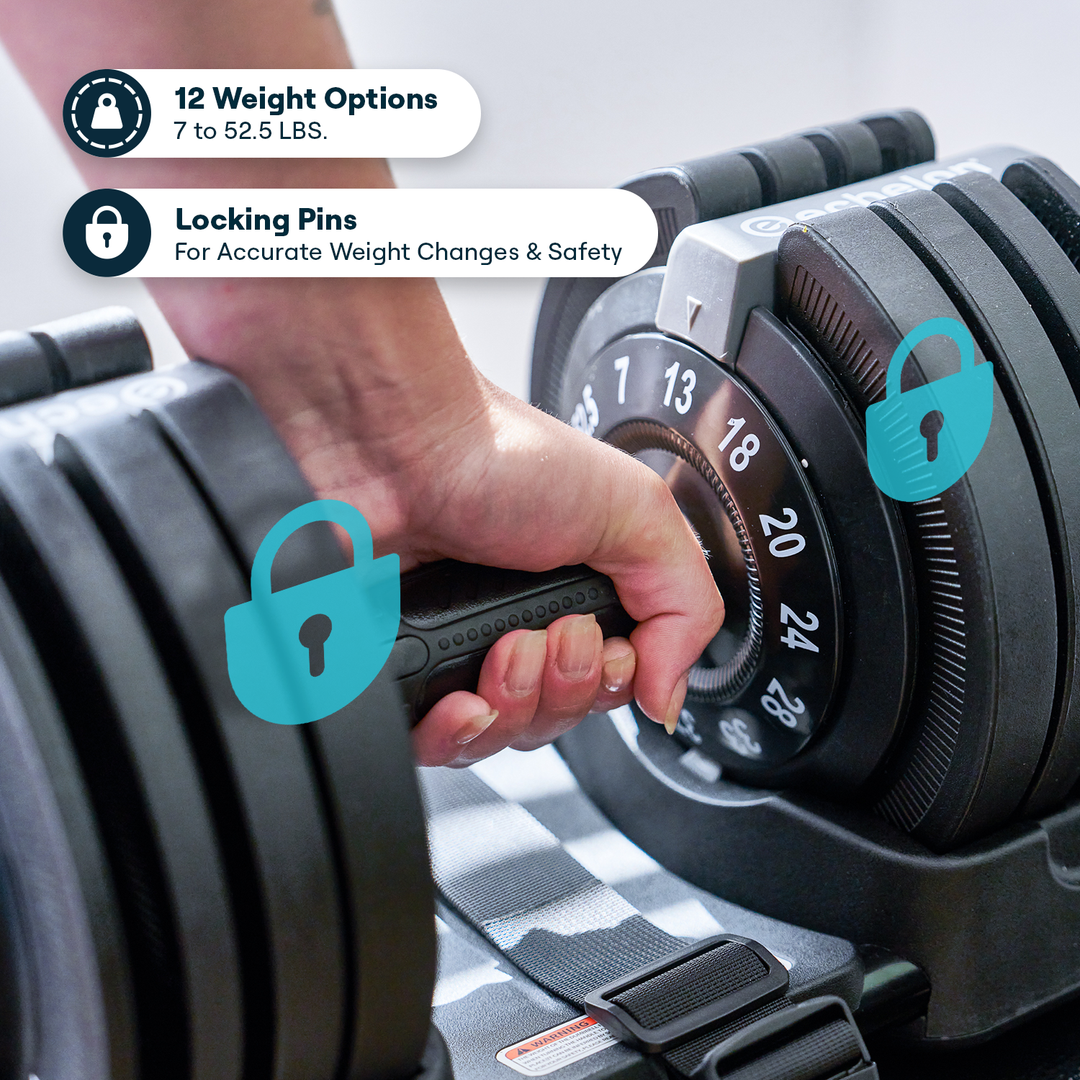
Check the material and construction of dumbbells. Solid steel or cast iron usually means better accuracy. Adjustable dumbbells should have secure locking systems. Verify weight labels and read customer feedback about accuracy. Look for certifications or standards mentioned by the maker. Avoid dumbbells with loose parts or uneven finishes.
Maintenance For Consistency
Keep dumbbells clean and dry to prevent rust. Store them in a cool, dry place away from moisture. Regularly check for damage or loose parts. Tighten screws and bolts when needed. Proper care maintains weight accuracy over time. Well-maintained dumbbells last longer and perform better.
Credit: echelonfit.com
Frequently Asked Questions
How Accurate Are Dumbbell Weights Typically?
Dumbbell weights are generally accurate within 1-2% of the listed weight. Manufacturing tolerances cause small variations. Quality brands maintain stricter accuracy standards, ensuring reliable weight measurement for effective workouts.
Do Dumbbell Weights Change Over Time?
Dumbbell weights rarely change unless damaged or modified. Rust or chipping paint might alter appearance but not actual weight. Proper care and storage maintain their accuracy for long-term use.
Can Dumbbell Weight Discrepancies Affect Workouts?
Small weight discrepancies have minimal workout impact. However, consistent weight accuracy ensures balanced muscle development. For serious training, using well-calibrated dumbbells is recommended to avoid strength imbalances.
How To Verify Dumbbell Weight Accuracy?
Use a precise digital scale to check dumbbell weight. Compare measured weight to the labeled weight for accuracy. This simple step helps ensure your training equipment is reliable and safe.
Conclusion
Dumbbell weights are usually quite close to their labeled weight. Small differences can happen due to manufacturing limits. These slight changes rarely affect your workout results. Choosing quality brands can help reduce weight errors. Always check weights before buying to avoid surprises.
Consistent weight helps track progress and stay motivated. Understanding weight accuracy helps set realistic expectations. Keep your focus on form and effort during exercise. This ensures better results than stressing over tiny weight gaps. Trust your workout, not just the numbers on dumbbells.