Have you ever wondered how much you should be able to dumbbell press? Whether you’re just starting out or pushing to break your personal best, knowing the right weight for your dumbbell press is key.
It’s not just about lifting heavy—it’s about lifting smart. You’ll discover what benchmarks to aim for, how your strength compares to others, and simple ways to improve safely. Ready to unlock your true pressing power? Keep reading, because the answers you need are right here.
Credit: powerliftingtechnique.com
Factors Affecting Dumbbell Press Strength
Strength in the dumbbell press varies widely among individuals. Several factors influence how much weight someone can press. Understanding these factors helps set realistic goals. It also aids in tracking progress effectively.
Body Weight And Size
Heavier individuals often have more strength potential. Larger body size means more muscle mass can support pressing. However, body fat does not add to pressing power. Muscle around the chest, shoulders, and arms is key. Taller lifters may have longer arms, affecting the range of motion.
Training Experience
Beginners usually start with lighter weights. Strength builds over months or years of regular training. Experienced lifters develop better technique and muscle coordination. Consistent practice increases pressing capacity. Training frequency and program type also impact strength levels.
Age And Gender
Young adults tend to have higher strength than older adults. Muscle mass and hormone levels decline with age. Men generally have more upper body strength than women. Testosterone plays a role in muscle growth. Women can still build significant pressing strength with training.
Muscle Mass And Composition
More muscle usually means more pressing power. Muscle fiber type affects strength and endurance. Fast-twitch fibers generate more force but tire quickly. Slow-twitch fibers support endurance but produce less force. Balanced muscle development improves dumbbell press performance.
Average Dumbbell Press Benchmarks
Understanding average dumbbell press benchmarks helps track strength progress. These benchmarks vary by experience and fitness level. They give a clear idea of what is normal or expected. This helps set realistic goals and stay motivated.
Benchmarks depend on body weight, age, and training consistency. It is important to compare your performance with others at a similar level. Below are common benchmarks for beginner, intermediate, and advanced lifters.
Beginner Levels
Beginners usually press dumbbells equal to half their body weight per hand. For example, a 150-pound person might lift 25 to 30 pounds each hand. This level focuses on learning proper form and building basic strength. Beginners should aim for 8 to 12 reps with good control.
Intermediate Lifters
Intermediate lifters often press dumbbells close to their full body weight divided by two. For instance, a 180-pound lifter might handle 40 to 50 pounds per hand. This stage shows improved muscle strength and endurance. Sets of 6 to 10 reps become common for growth.
Advanced Lifters
Advanced lifters press dumbbells heavier than half their body weight per hand. A 200-pound lifter might lift 60 to 70 pounds or more. Strength, control, and muscle size peak here. Reps usually range from 4 to 8 with challenging weights for maximum gains.
Calculating Your Ideal Dumbbell Press
Calculating your ideal dumbbell press helps set clear and realistic goals. It shows how much weight you should lift based on your strength and body size. This approach guides your training and helps avoid injury. Tracking your progress over time ensures steady improvement and motivation.
Using Body Weight Ratios
Body weight ratios compare the dumbbell weight you lift to your own weight. This method gives a personalized strength target. For beginners, pressing dumbbells totaling about 50% of body weight is a good start. Intermediate lifters aim for roughly 75%. Advanced lifters may press close to or above 100% of their body weight. These ratios help you understand your strength level clearly.
Tracking Progress Over Time
Track your dumbbell press regularly to see progress. Record the weight, reps, and sets each session. Small increases each week add up to big gains. Tracking also highlights plateaus or setbacks early. Adjust your training based on this data. Consistent tracking keeps you focused and motivated.

Credit: strengthlevel.com
Improving Dumbbell Press Strength
Improving your dumbbell press strength takes time and effort. Focused training, good habits, and proper care of your body will help you lift more. Small steps build solid progress.
Strength grows by training smart, resting well, and eating right. Each part plays a key role in your success.
Effective Training Techniques
Use a mix of heavy and lighter weights. Heavy weights build muscle power. Lighter weights with more reps improve muscle endurance. Change your routine every few weeks to keep gains coming. Try slow, controlled movements. Avoid rushing the press. Focus on feeling the muscles work. Add variety like incline or decline dumbbell presses. This targets different muscle areas for balanced strength.
Proper Form And Technique
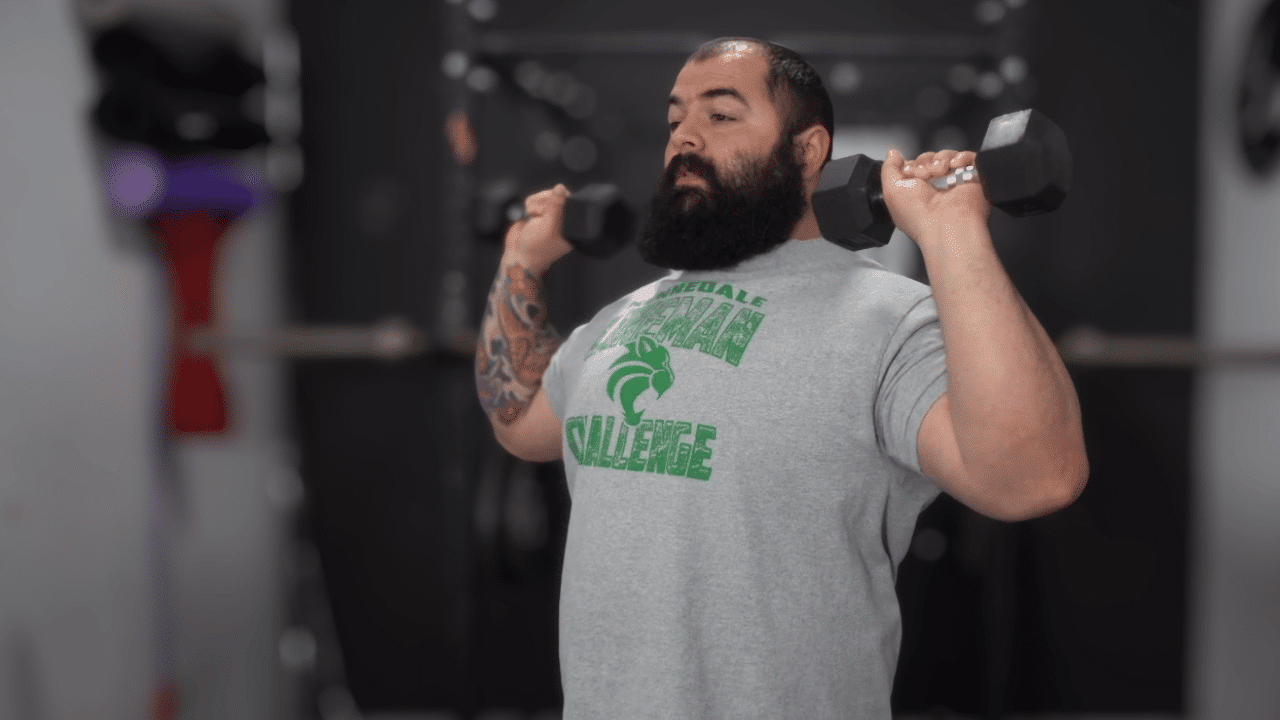
Good form protects you from injury. Keep your back flat on the bench. Feet should be flat on the floor. Hold dumbbells at chest level. Press straight up without locking elbows. Lower weights slowly. Keep your wrists straight, not bent. Avoid arching your back. Control is more important than heavy weight. Practice in front of a mirror or record yourself.
Rest And Recovery
Muscles grow while you rest, not during workouts. Give your chest at least 48 hours to recover. Sleep at least 7 hours each night. Avoid training the same muscle group two days in a row. Use light stretching or foam rolling to ease soreness. Rest days boost your strength and prevent injury.
Nutrition For Strength Gains
Eat enough protein to help muscle repair. Good sources include chicken, fish, beans, and eggs. Carbs give you energy for workouts. Include whole grains, fruits, and vegetables. Healthy fats support hormone balance and recovery. Drink plenty of water daily. Avoid too much junk food and sugar. Proper nutrition fuels your body for better lifts.
Common Mistakes To Avoid
Many people want to improve their dumbbell press strength. Avoiding common mistakes can help you get better results. These errors can slow progress or cause injuries. Learn what to watch out for to stay safe and strong.
Overtraining
Training too hard or too often can harm your muscles. Muscles need time to rest and grow. Overtraining leads to fatigue and weak lifts. Follow a balanced workout plan with rest days.
Ignoring Warm-up
Skipping warm-up can cause injury. Warming up prepares muscles and joints for exercise. Spend 5 to 10 minutes on light cardio and stretches. This helps improve performance and reduce pain.
Poor Technique
Bad form can stop you from lifting more weight. It also increases injury risk. Keep your back flat and wrists straight. Lower the dumbbells slowly and press evenly. Practice with light weights before going heavier.
Neglecting Supporting Muscles
Strong chest alone is not enough. Supporting muscles like shoulders and triceps help in dumbbell press. Train these muscles regularly to improve overall strength. Balanced training avoids muscle imbalances and pain.
Equipment And Variations
Understanding the equipment and variations of dumbbell press can improve your strength training. Different dumbbells and press styles target muscles in unique ways. This affects how much weight you can lift and your overall progress.
Choosing The Right Dumbbells
Select dumbbells that fit your current strength. Start with lighter weights to learn proper form. Adjustable dumbbells save space and let you increase weight gradually. Choose dumbbells with comfortable grips to avoid hand strain. The right weight helps prevent injury and boosts confidence.
Incline And Decline Press Variations
Incline press targets upper chest and shoulders more. Use a bench set at 30 to 45 degrees. Decline press focuses on the lower chest muscles. Set the bench at a downward angle to perform it. Changing angles works different muscle parts and adds variety. This variety can help increase your dumbbell press strength.
Alternating Vs. Simultaneous Press
Alternating press means lifting one dumbbell at a time. This improves balance and coordination. Simultaneous press lifts both dumbbells together. It allows you to lift heavier weights. Both methods have benefits for muscle growth. Try both to see which suits your strength and goals.
Tracking And Measuring Progress
Tracking and measuring progress is key to improving your dumbbell press strength. It helps you see gains and know what to adjust. Without tracking, progress feels slow and unclear. Measuring progress keeps you motivated and focused.
Using Workout Logs
Write down every dumbbell press session. Note the weight, reps, and sets each time. Logs help you spot patterns and improvements over weeks. They show what weight feels easy or hard. Use a notebook or an app to keep records. Review your logs to plan the next workout.
Testing Max Strength Safely
Test your max strength only after warming up well. Start with lighter weights to avoid injury. Increase weight slowly, never rush. Stop if you feel pain or discomfort. Use a spotter or safety equipment for support. Testing max strength helps you know your true limit.

Credit: strengthlevel.com
Frequently Asked Questions
How Much Weight Should Beginners Dumbbell Press?
Beginners should start with light dumbbells, typically 10-20 pounds. This allows proper form and reduces injury risk. Gradually increase weight as strength improves for balanced muscle growth and endurance.
What Is An Average Dumbbell Press Weight For Men?
The average dumbbell press weight for men ranges from 40-70 pounds per hand. This varies by fitness level and experience. Consistent training helps increase strength and achieve personal goals safely.
How Do I Know If My Dumbbell Press Weight Is Right?
Use a weight that allows 8-12 reps with good form. If you struggle or lose form, lower the weight. If too easy, increase weight to challenge muscles effectively.
How Often Should I Increase Dumbbell Press Weight?
Increase weight every 2-4 weeks based on strength gains. Gradual progression prevents plateaus and reduces injury risk. Listen to your body and prioritize form over heavy lifting.
Conclusion
Dumbbell pressing strength varies by age, weight, and fitness level. Set realistic goals based on your body and experience. Focus on steady progress, not quick results. Proper form matters more than lifting heavy weights. Consistency and patience bring the best improvements.
Listen to your body and avoid pushing too hard. Track your growth and celebrate small wins. Keep training smart and enjoy the journey. Strength will come with time and effort.