You trust your U lock to keep your bike safe, but do you really know how thieves break them? Understanding the tricks and tools they use can help you protect your ride better.
You’ll discover the common methods bike thieves rely on and simple steps you can take to stop them in their tracks. Don’t let your hard-earned bike become an easy target—read on to learn how to outsmart the thieves and keep your bike secure.
Common U Lock Designs
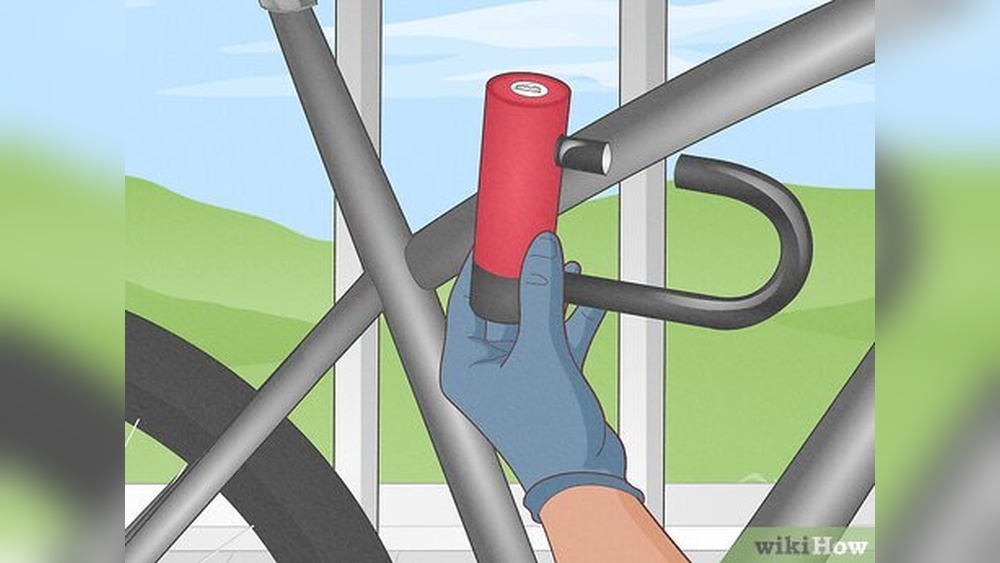
U locks are popular for bike security. Their shape and design make them hard to break quickly. Understanding common U lock designs helps to know how thieves might attack them.
Different locks use different materials and locking methods. These details affect how strong the lock is and how thieves can break it.
Materials Used
Most U locks are made from hardened steel. This metal is tough and resists cutting tools. Some locks use alloys to make them lighter but still strong. The thickness of the metal also matters. Thicker metal is harder to cut or break.
Some cheaper locks use softer metals. Thieves can break those with simple tools. High-quality locks avoid weak metals to stop quick attacks.
Locking Mechanisms
U locks use different locking systems inside. Some have double-bolts that lock both sides of the U. This makes the lock harder to twist or pry open.
Other locks use single-bolt systems. These are easier for thieves to force open. The key design also varies. Some locks have complex keys to stop picking. Others have simpler keys, which are easier to pick or bump open.
Good locking mechanisms slow down thieves and make attacks noisy and difficult.
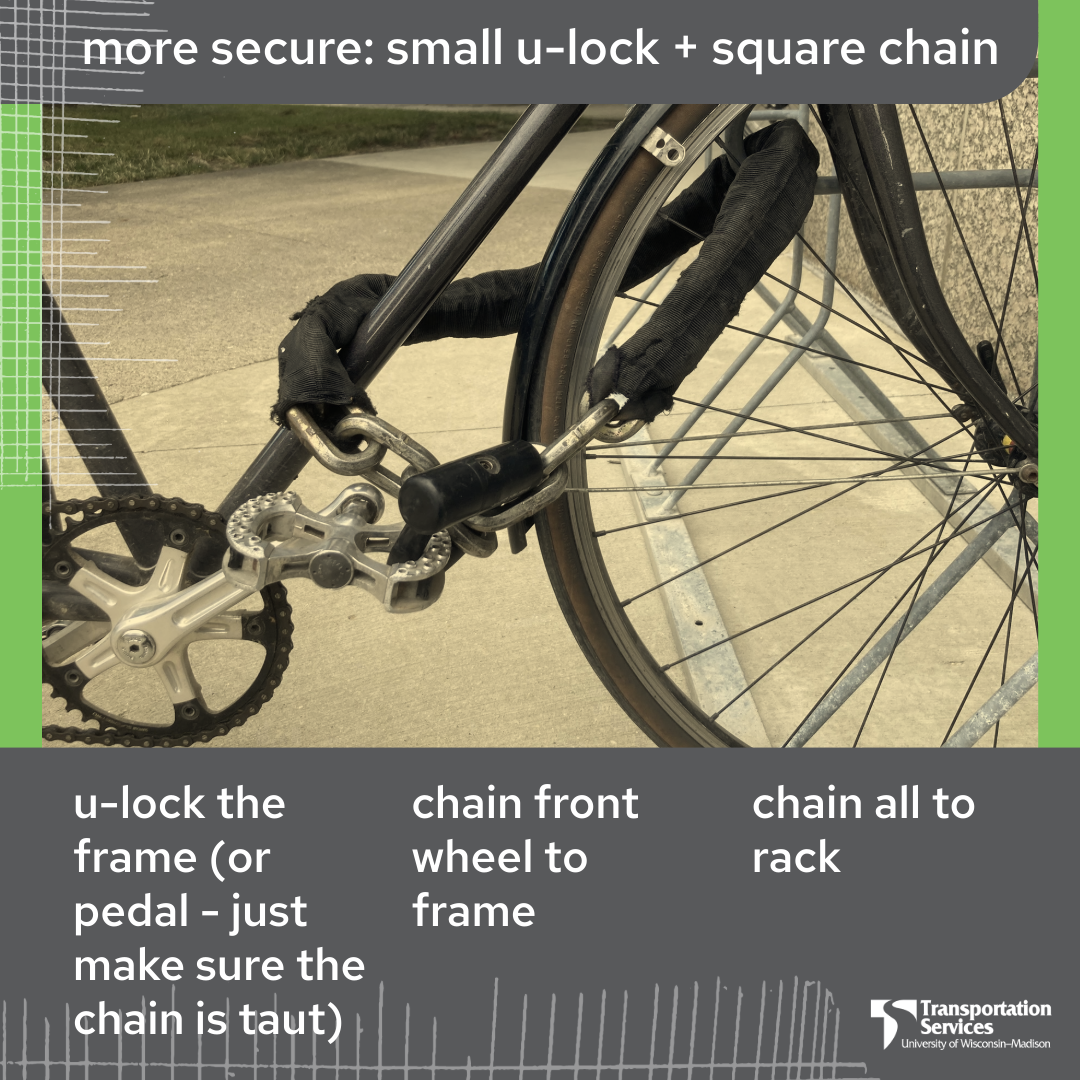
Credit: transportation.wisc.edu
Weak Points In U Locks
U locks are popular for bike security. They look strong and are hard to cut. But thieves know their weak points. These weak spots let them break the lock faster than you think. Understanding these weak points helps you protect your bike better. Two main areas are often targeted: the shackle and the lock cylinder.
Shackle Vulnerabilities
The shackle is the U-shaped metal part. Thieves try to cut or twist it. Cheap shackles use soft metal. This metal breaks or bends with tools like crowbars or bolt cutters. Thin shackles are easier to cut than thick ones. Gaps in the shackle also help thieves insert tools. Some shackles have weak welds. These welds can snap under pressure. A strong shackle uses hardened steel and tight welds. This makes breaking much harder and takes more time.
Lock Cylinder Flaws
The lock cylinder holds the key mechanism. Thieves pick or drill it open. Some cylinders have simple pins that are easy to pick. Others have no protection against drilling. Cheap locks often use low-quality cylinders. This makes it easy to force open with a screwdriver or drill. Good locks use complex pins and shields. These resist picking and drilling attempts. Lock cylinders with flaws let thieves open locks without cutting the shackle.
Tools Thieves Use
Bike thieves use various tools to break U locks. These tools help them cut, pick, or force open the lock. Understanding these tools can help you protect your bike better.
Bolt Cutters And Hacksaws
Bolt cutters are strong and have long handles. Thieves use them to cut through the metal of U locks. Hacksaws are slower but can also cut through the lock. Both tools require some time and effort but can break most cheap locks.
Lock Picking Kits
Lock picking kits contain small tools to open locks without cutting. Thieves use picks and tension wrenches to turn the lock mechanism. This method is quiet and leaves no marks. It works best on lower-quality locks with simple mechanisms.
Power Tools
Power tools like angle grinders and drills can destroy U locks quickly. These tools make loud noise but are very effective. They can cut or drill through hardened steel in seconds. High-quality locks resist these tools better but can still be broken with enough time.
Techniques To Bypass U Locks
U locks are popular for bike security. Yet, thieves use smart ways to break them. Knowing these methods helps you protect your bike better. Here are some common techniques used to bypass U locks.
Leveraging And Twisting
Thieves apply strong force to the U lock. They use tools like crowbars to twist the lock. This action can break the lock’s metal or the shackle. The lock bends or snaps under pressure. This method works best on cheaper or older locks.
Freezing And Hammering
Thieves spray the lock with a freezing agent. This makes the metal brittle and easy to break. After freezing, they hit the lock with a hammer. The sudden impact cracks the metal. This technique takes only a few seconds.
Picking And Shimming
Picking involves using small tools to unlock the mechanism. Thieves insert thin picks or wires into the lock’s keyhole. They move the pins inside to unlock it without a key. Shimming means slipping a thin piece of metal between the shackle and the lock body. This releases the locking mechanism. Both methods need skill but work on weaker locks.
Real-life Theft Scenarios
Bike thieves use different tricks to break U locks. Knowing how they work helps protect your bike better. Real-life theft stories show how fast and smart these thieves can be. They don’t always use heavy tools. Sometimes, quick moves or careful plans are enough.
Quick Snatch Attacks
Thieves spot bikes with weak locks or poor locking spots. They act fast. A quick snatch attack means grabbing the bike and running. Sometimes, they use small tools to break locks in seconds. These tools can cut or twist the lock. Thieves look for moments when you are not paying attention. Busy streets or crowded places give them cover. They want to steal and disappear before anyone notices.
Planned Break-ins
Some thieves plan their theft carefully. They watch the bike for days or weeks. They learn your habits and when you leave the bike unattended. These thieves bring strong tools like power saws or bolt cutters. They work quietly at night or in hidden spots. These tools cut through U locks slowly but surely. They avoid noisy breaks by using special tactics. Planned break-ins show patience and skill. These thieves don’t rush. They want the best chance to steal your bike without getting caught.

Credit: www.youtube.com
Tips To Protect Your Bike
Bike theft is common. Thieves often target bikes secured with weak locks. Protecting your bike needs smart steps. Use strong locks and lock your bike correctly. Add extra security for better safety.
Choosing Stronger Locks
Pick locks made of hardened steel. U-locks with thick shackles resist cutting tools. Avoid cheap locks that break easily. Look for locks with high safety ratings. Heavy and solid locks slow down thieves.
Proper Locking Methods
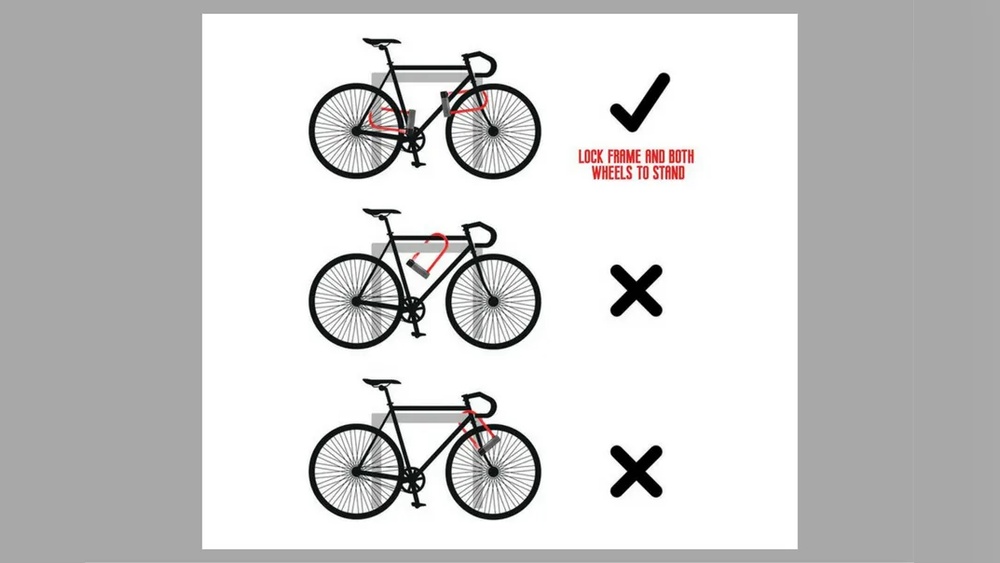
Lock your bike frame and both wheels to a fixed object. Avoid locking only the front wheel. Secure the lock high off the ground. This makes it hard for thieves to use tools. Tighten the lock to reduce space for tools.
Additional Security Measures
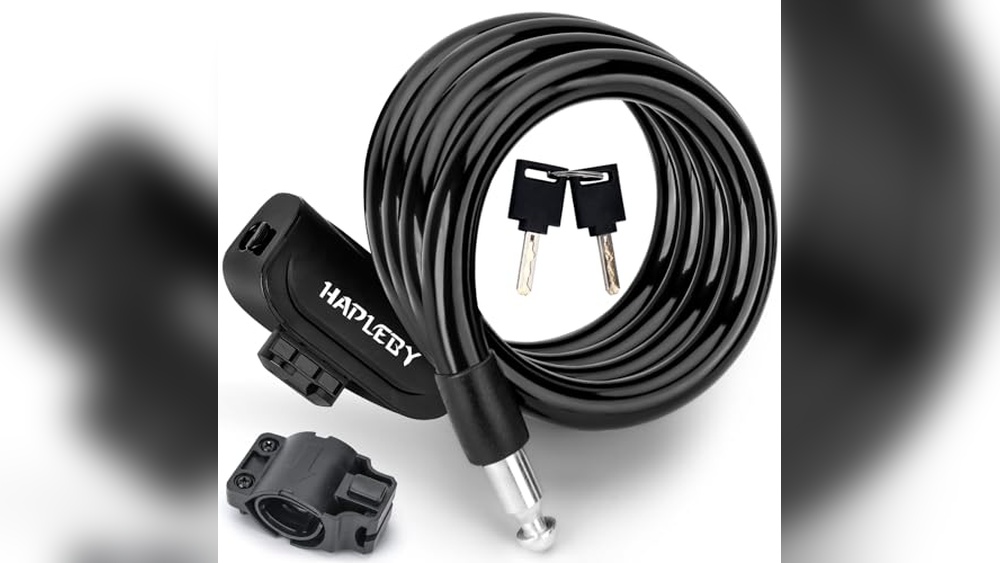
Use multiple locks for better protection. Add a cable lock for the wheels or seat. Park your bike in busy, well-lit places. Register your bike with local authorities. Use GPS trackers to find your bike if stolen.
Latest Innovations In U Locks
The world of U locks is changing. New technology and materials help protect bikes better. These improvements make it harder for thieves to break locks.
Innovations focus on strength, smart features, and alarms. These ideas work together to keep bikes safer. Below are key advances in U lock design.
Smart Locks
Smart locks use Bluetooth or apps to control locking. Owners can check lock status from their phones. Some alert users if someone tries to tamper with the lock. This tech adds extra security beyond physical strength.
Hardened Materials
Manufacturers use stronger steel and alloys in U locks. These materials resist cutting, sawing, and hammering. Hardened metal makes it much harder for thieves to break the lock quickly. This increases the time needed to steal a bike.
Anti-theft Alarms
Locks with alarms sound loud noises when disturbed. The noise scares thieves and draws attention. Some alarms activate from vibration or movement. This feature acts as a strong deterrent against theft attempts.

Credit: transportation.ucdavis.edu
Frequently Asked Questions
How Do Thieves Break U Locks Quickly?
Thieves use tools like bolt cutters, hacksaws, or power tools to cut U locks swiftly. They target weak spots and apply force to break the lock in seconds.
Can U Locks Be Picked By Experienced Thieves?
Yes, skilled thieves can pick U locks using lock-picking tools. However, high-quality U locks have complex mechanisms that make picking difficult and time-consuming.
Are U Locks Vulnerable To Leverage Attacks?
Yes, leverage attacks use crowbars or similar tools to pry open U locks. Thieves exploit gaps between the lock and bike frame to apply force.
What Materials Make U Locks More Secure?
Hardened steel and boron alloy materials enhance U lock strength. These materials resist cutting, sawing, and leverage attacks, making theft much harder.
Conclusion
Bike thieves use quick and clever tricks to break U locks. Knowing their methods helps you stay alert and protect your bike. Always choose strong locks and lock your bike in safe places. Small steps can stop thieves and keep your bike safe.
Stay aware, be smart, and guard your ride every day.