You’ve invested time, energy, and money into your bike. The last thing you want is to return and find it gone.
So, how do you make sure your bike stays exactly where you left it? Locking your bike safely isn’t just about grabbing any lock and clicking it shut. It’s about using the right tools, locking techniques, and smart habits to outsmart thieves.
In this guide, you’ll discover simple, proven steps to lock your bike securely—giving you peace of mind every time you park. Ready to protect your ride like a pro? Let’s dive in.

Credit: www.stolenride.co.uk
Choosing The Right Lock
Choosing the right lock is key to protecting your bike. The lock you pick should match your bike’s value and the risk of theft in your area. A good lock makes it hard for thieves to steal your bike quickly or quietly. Knowing the types of locks and their strengths helps you decide the best option.
U-locks Vs Chain Locks
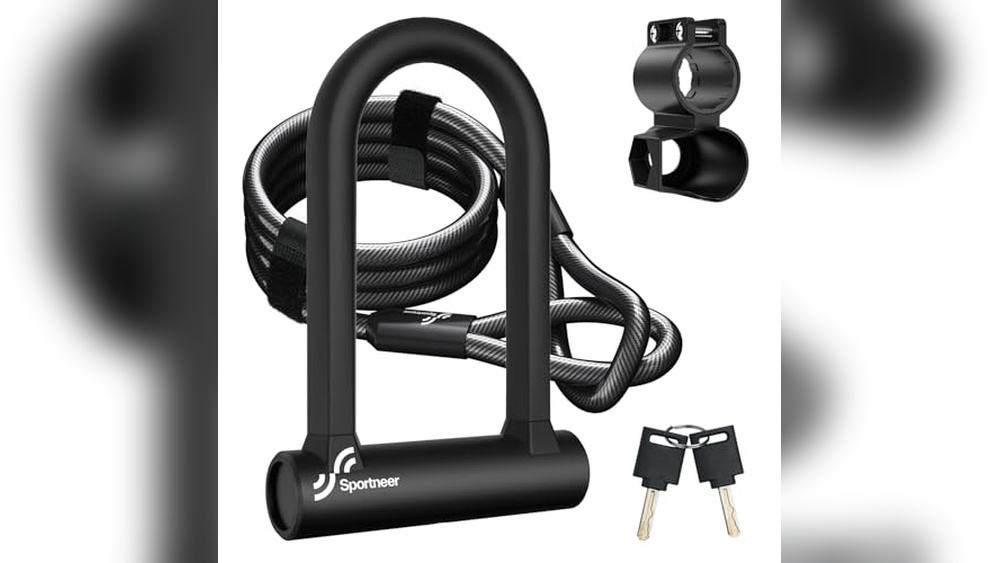
U-locks are rigid and fit around bike parts easily. They offer strong protection against cutting and leverage attacks. Chain locks are flexible and can secure your bike to larger or odd-shaped objects. Look for thick, hardened steel chains with a heavy-duty lock. Chains can be heavier but allow more locking options. Both types provide solid security if made from quality materials.
Avoiding Cable Locks Alone
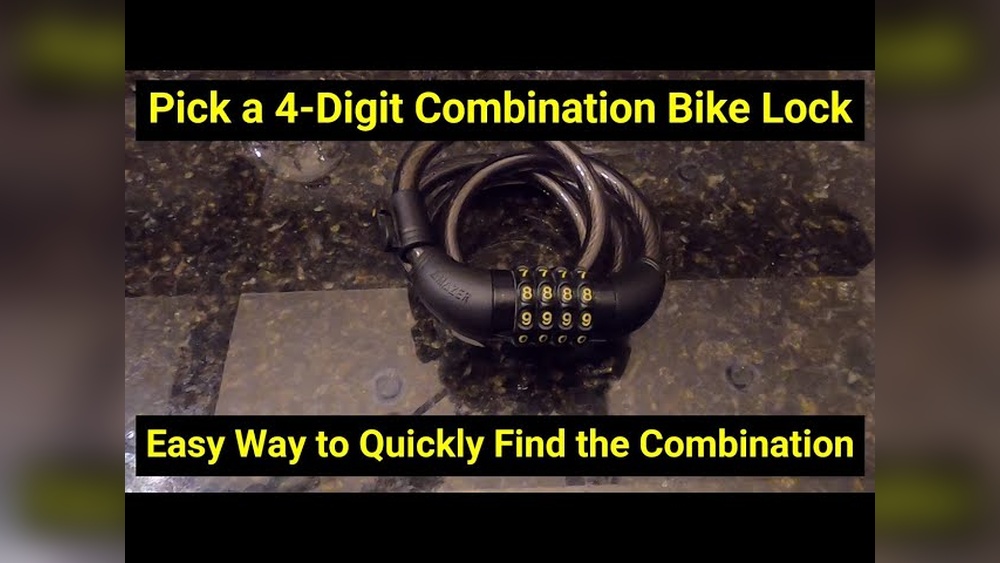
Cable locks are light and easy to carry but are not very strong. Thieves can cut them quickly with basic tools. Using only a cable lock puts your bike at risk. Combine a cable lock with a U-lock or chain lock for extra security. Use the cable to secure wheels or small parts, not the main frame.
Lock Ratings And Certifications
Check for lock ratings before buying. Certifications like Sold Secure or ART show the lock passed strict tests. These ratings help you find strong, reliable locks. Higher-rated locks usually cost more but offer better protection. Choose locks with at least a medium or high rating for safer bike security.
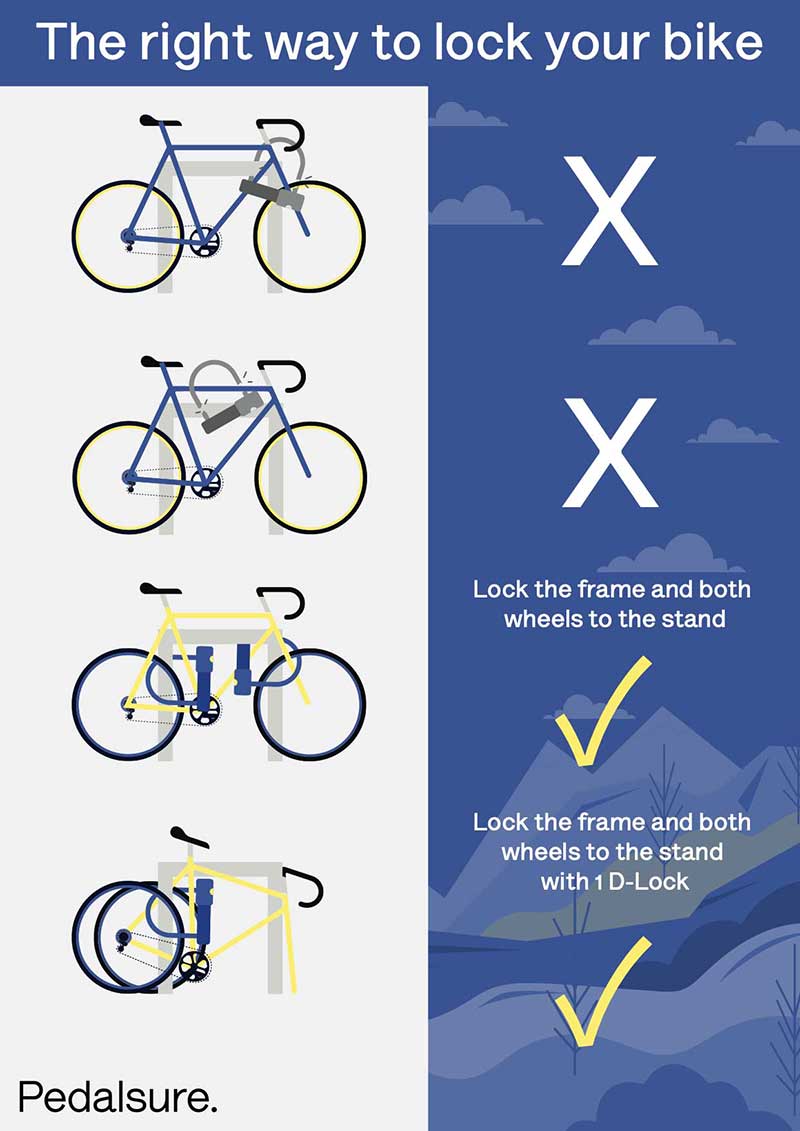
Credit: www.pedalsure.com
Locking Techniques
Locking your bike correctly is key to preventing theft. Using the right techniques makes your bike less tempting to thieves. Focus on securing the most valuable parts and reducing gaps in the lock. A smart locking method adds strong protection without extra effort.
Securing The Frame And Rear Wheel
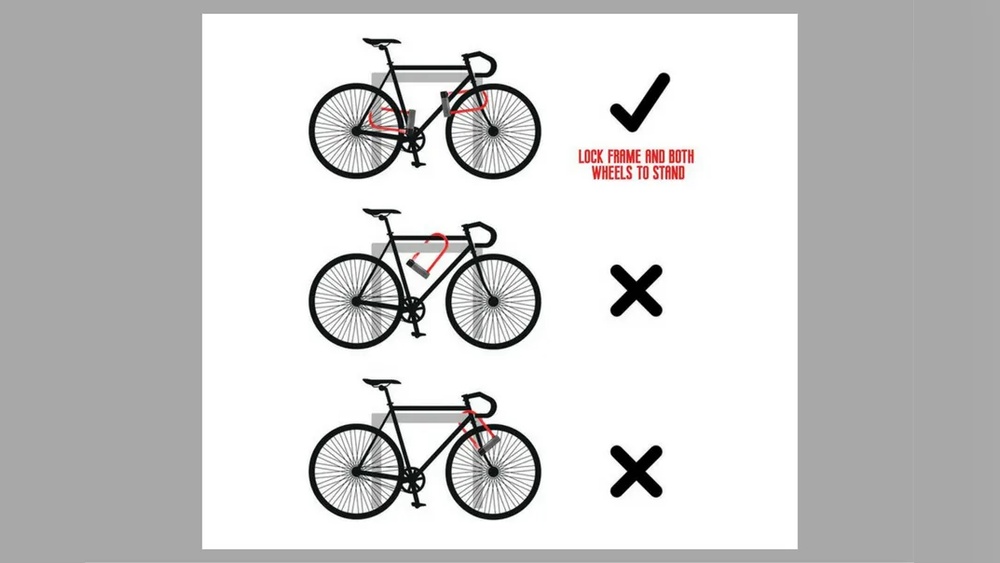
Start by locking the frame and rear wheel together. These parts are the hardest to remove and most costly to replace. Pass a strong U-lock or heavy chain through the main triangle of the frame and the rear wheel. Attach it to a fixed, solid object like a bike rack. This ensures the core of your bike stays safe.
Locking The Front Wheel Separately
Use a second lock to secure the front wheel. Front wheels can be quickly removed if left unlocked. A cable lock works well for this. Loop it through the front wheel and attach it to the frame lock or the bike rack. This step adds another layer of security.
Minimizing Space Inside The Lock
Keep the space inside your lock as small as possible. Large gaps allow thieves to insert tools like crowbars or jacks. Position your lock tightly around the bike and the fixed object. A snug fit makes it harder for thieves to break or pry open the lock.
Selecting A Locking Location
Choosing the right location to lock your bike is crucial for its safety. A good locking spot reduces the chance of theft. Focus on places that offer strong support and good visibility. Avoid weak or unstable objects that can be broken or moved easily. Picking a busy area with many people around also helps keep your bike safe.
Using Solid, Immovable Objects
Always lock your bike to objects that cannot be moved or broken. Bike racks made of metal or heavy poles are ideal choices. These objects keep your bike firmly in place. Avoid anything that can be lifted or cut easily. The lock should secure both the frame and a wheel to these solid points.
Avoiding Trees And Weak Structures
Do not lock your bike to trees or weak structures like wooden fences. Trees can be cut down or damaged. Wooden fences and plastic poles can break or be removed. These spots offer poor protection. Thieves can easily take your bike if it is locked to such objects.
Choosing Well-lit, Busy Areas
Pick locations that are well-lit and have high foot traffic. Bright lights make it harder for thieves to work unnoticed. Busy areas have many witnesses, which deters theft. Parking near shops, entrances, or on busy sidewalks is better. A visible spot increases your bike’s safety.
Additional Security Tips
Extra steps improve your bike’s safety beyond just locking it. These tips reduce the chance of theft and protect your bike better. Use them every time you park your bike.
Using Multiple Locks
Use two different locks for better security. One strong U-lock for the frame and rear wheel works well. Add a cable lock to secure the front wheel or seat. Thieves avoid bikes with multiple locks because it takes longer to break them.
Removing Valuable Accessories
Take off items like lights, GPS devices, and quick-release seats. These parts are easy targets and can be stolen quickly. Carry them with you or keep them inside to avoid losing them.
Parking Strategies To Deter Thieves
Park your bike in busy, well-lit places. Thieves prefer dark, quiet spots. Lock your bike to sturdy objects that cannot be cut or moved. Avoid trees or thin poles that can be broken or cut easily.
Maintaining Your Lock
Maintaining your bike lock is essential for long-lasting security. A well-kept lock works smoothly and resists tampering. Regular care helps avoid rust and mechanical failure. This section covers simple steps to keep your lock in top shape.
Regular Inspection And Cleaning
Check your lock often for dirt, rust, and damage. Dirt can jam the mechanism and make it hard to open. Use a soft brush or cloth to remove grime. Clean both the lock body and the keyhole. Avoid using harsh chemicals that can harm the lock’s surface.
Lubricating Lock Mechanisms
Apply lubricant to keep the lock smooth and easy to use. Use a graphite-based or silicone lubricant designed for locks. Spray or drip a small amount into the keyhole and moving parts. Operate the lock several times after lubrication to spread it evenly. Avoid oil-based lubricants that attract dust and cause buildup.
Replacing Worn Or Damaged Locks
Replace your lock if it shows signs of wear or damage. Rusted or bent locks lose strength and can fail. Keys that stick or locks that jam often mean replacement is needed. Choose a new lock with high security ratings. Timely replacement ensures your bike stays protected.
Innovative Locking Solutions
Innovative locking solutions help protect bikes beyond traditional locks. New technology and creative ideas make bike security stronger and smarter. These solutions fit different needs and environments. They add extra layers of protection, making theft harder and less likely.
Smart Locks And Alarms
Smart locks connect to your phone for easy control. You can lock or unlock remotely and get theft alerts. Many models have built-in alarms that sound if someone tampers with your bike. Some smart locks track your bike’s location with GPS. These features add convenience and extra security.
Unconventional Locking Spots
Using less common locking spots can confuse thieves. Instead of a bike rack, try sturdy street signs or lamp posts. Locking to a fixed, heavy object is key. Avoid thin trees or weak fences that can be cut. Changing your locking spot often also reduces risk.
Community Bike Security Initiatives
Many neighborhoods create safe zones for bike parking. These areas have extra lighting and security cameras. Some communities offer bike registration and marking programs. Marked bikes are less attractive to thieves. Sharing tips and watch groups also improve local bike safety.
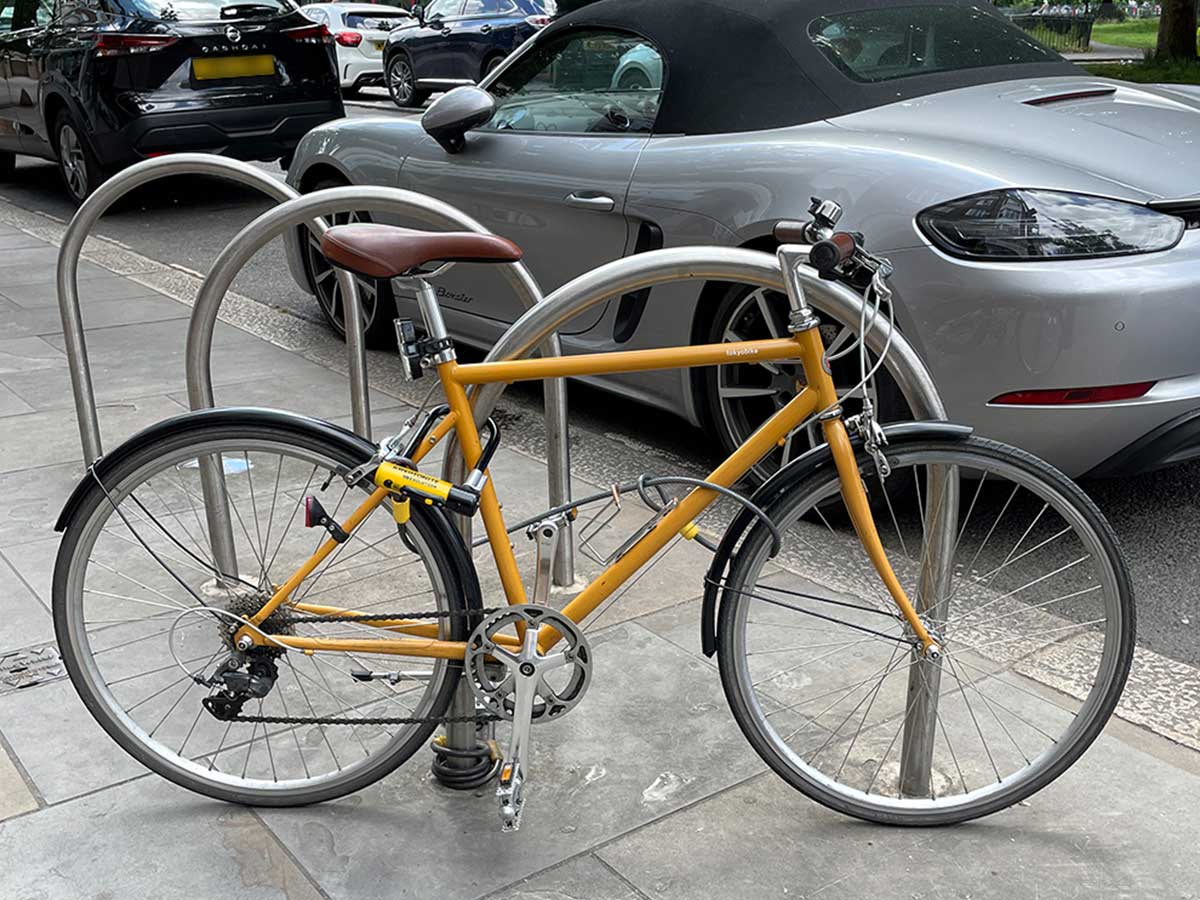
Credit: www.pedalsure.com
Frequently Asked Questions
What Is The Safest Way To Lock Your Bike?
Use a high-quality U-lock or heavy-duty chain to secure your bike frame and rear wheel to a solid, immovable object. Add a secondary lock to secure the front wheel. Park in well-lit, busy areas and minimize space inside the lock to prevent tool access.
How Do Bike Thieves Break U-locks?
Bike thieves break U-locks using tools like bolt cutters, angle grinders, or leverage with crowbars. They exploit lock weaknesses or cheap materials.
How To Secure A Bike With A Cable Lock?
Use a strong cable lock to secure the frame and at least one wheel to a solid, immovable object. Choose a well-lit, busy location. Minimize space inside the lock to prevent tool access. Remove valuables and lock components separately for extra security.
How To Properly Lock A Bike With A U-lock?
Use a high-quality U-lock to secure the frame and rear wheel to a solid, immovable object. Lock the front wheel with a secondary lock. Minimize space inside the U-lock to prevent tool access. Park in a visible, well-lit area for added security.
Conclusion
Secure your bike with a strong lock and proper technique. Always lock the frame and rear wheel to a solid object. Use a second lock for the front wheel to increase safety. Choose a well-lit, busy spot to park your bike.
Keep removable parts with you to avoid loss. These simple steps help protect your bike from theft. Stay careful and enjoy riding with peace of mind.