Have you ever wondered why the weight of your boxing gloves can actually affect how much you feel the impact? It’s not just about protection—your gloves’ weight plays a big role in how punches land and how your hands and body handle the force.
If you want to understand how the right or wrong glove weight can change your training, your performance, and even your pain level, keep reading. This simple insight could make a huge difference in your boxing experience.
Credit: www.geezersboxing.co.uk
Glove Weight Categories
Boxing gloves come in different weights, which affect how they feel and perform. The weight of the gloves changes the level of protection and the impact force during punches. Knowing glove weight categories helps you understand how gloves can cause or reduce pain. Lighter gloves are faster but offer less padding. Heavier gloves provide more padding but can slow down punches.
Common Weight Classes
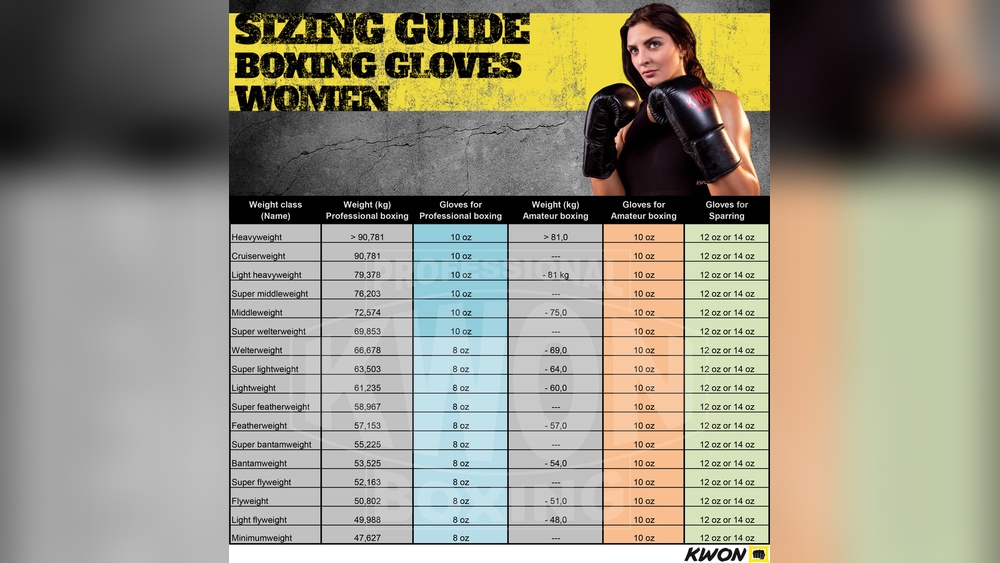
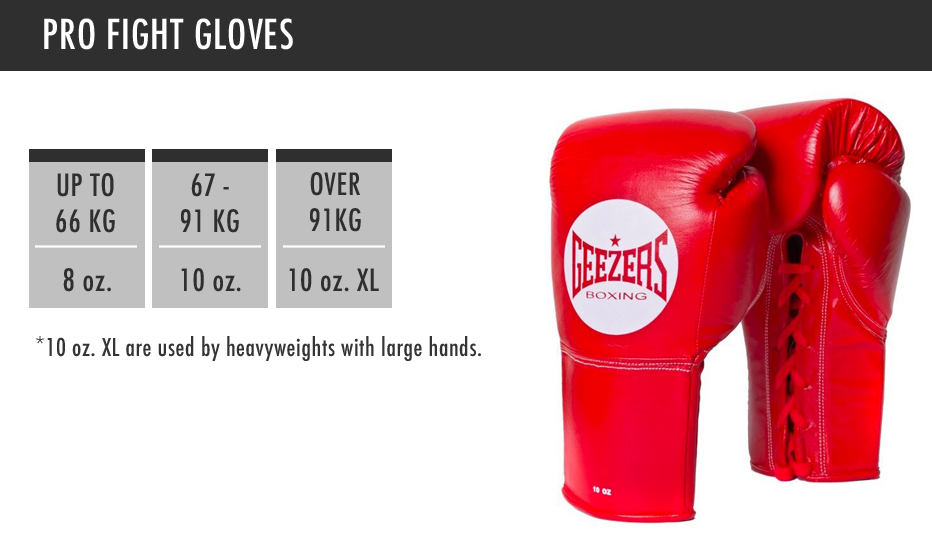
Boxing gloves usually range from 8 ounces to 20 ounces. The most common weights are 8 oz, 10 oz, 12 oz, 14 oz, and 16 oz. Professional fighters often use 8 oz or 10 oz gloves in matches. For training and sparring, heavier gloves like 14 oz or 16 oz are typical. Heavier gloves add more padding, which protects your hands and your opponent.
Choosing The Right Weight
Choose glove weight based on your purpose and body weight. Lighter gloves suit competition but offer less hand protection. Heavier gloves are better for training and reduce injury risk. Bigger gloves slow your punches but improve endurance. Always pick gloves that fit well and feel comfortable. Proper glove weight helps balance speed, power, and safety.
Effect On Punch Power
The weight of boxing gloves plays a big role in how much power you can put into a punch. Different glove weights change how your hand moves and how fast you can hit. This affects the force behind each punch. Understanding this can help you choose the right gloves for your training or fighting style.
Heavier Gloves And Force Impact
Heavier gloves add more mass to your punches. This extra weight can help deliver stronger hits. The added force comes from the glove’s weight pushing forward. Punches feel heavier but often move slower. These gloves also protect your hands better during hard impacts.
Lighter Gloves And Speed
Lighter gloves allow faster punches. Speed is important for quick combinations and dodging. These gloves reduce arm fatigue and help keep your hands moving. Faster punches can surprise opponents and build momentum. The trade-off is less padding and less force per hit.
Influence On Endurance
The weight of boxing gloves can change how long you last during training or a fight. Heavier gloves make your arms work harder. This can affect your endurance. Endurance means how long your muscles can keep working without getting too tired.
Choosing the right glove weight is important. It can help you train better and avoid getting too tired too fast. Understanding how glove weight influences your endurance helps you improve your boxing skills.
Fatigue Levels With Different Weights
Heavier gloves increase the effort needed to punch. This uses more energy and causes faster fatigue. Lighter gloves let you punch faster and longer. They cause less strain on your arm muscles.
Using heavy gloves for long sessions can lead to early tiredness. Your arms feel heavier and slower. This reduces the number of punches you can throw. Lighter gloves help keep your arms fresh for more rounds.
Training Adaptations
Training with heavier gloves builds strength and stamina. Your muscles get stronger as they adapt. This helps improve endurance over time. Switching between heavy and light gloves balances strength and speed.
Regular use of heavier gloves improves muscle endurance. It prepares you for longer fights. Light gloves improve technique and speed. Both types are useful for complete training.

Credit: www.bbc.com
Safety Considerations
Choosing the right weight for boxing gloves affects safety during training and matches. Gloves with the wrong weight can cause injuries to you or your opponent. Understanding safety concerns helps protect both fighters.
Hand And Wrist Protection
Heavier gloves provide more padding for your hands. This padding reduces the chance of fractures and sprains. Lighter gloves offer less protection and can increase injury risk. Wrapping your wrists properly supports bones and muscles. Proper wrist support prevents strains during powerful punches. Gloves must fit well to protect hand joints effectively.
Opponent Safety Factors
Glove weight also impacts your opponent’s safety. Heavier gloves spread the force of punches over a wider area. This reduces cuts and bruises on the opponent. Lighter gloves deliver more focused impact, increasing injury risk. Using the correct glove weight keeps training safer for both boxers. Safety rules often require specific glove weights for matches.
Performance Trade-offs
Choosing the right weight of boxing gloves affects how you perform in the ring. Heavier gloves protect your hands but can slow your movements. Lighter gloves let you punch faster but offer less padding. Finding the right balance is key for training and fighting.
Balance Between Speed And Power
Heavier gloves add weight to your punches. This helps build power over time. Yet, they reduce your hand speed. Faster punches come easier with lighter gloves. But lighter gloves give less protection. Boxers must decide what matters more for their style.
Impact On Technique
Glove weight changes how you throw punches. Heavy gloves make you use more arm strength. This can hurt your form if you rely on muscle alone. Light gloves encourage quicker, sharper movements. Proper technique is easier to maintain with the right glove weight.
Choosing Gloves For Training Vs Competition
Choosing the right boxing gloves varies between training and competition. Gloves for training offer more padding and protection. Competition gloves focus on speed and precision. Understanding these differences helps protect your hands and improve your performance.
Weight Preferences
Training gloves are usually heavier. They weigh between 14 to 16 ounces. This extra weight helps build strength and endurance. Heavier gloves slow down punches slightly but protect your hands better.
Competition gloves are lighter, often 8 to 10 ounces. They allow faster punches and better control. Lighter gloves reduce hand fatigue during fights. Choosing the right weight depends on your training goals.
Regulations And Standards
Competition gloves must meet specific rules. Boxing organizations set weight and size standards. These rules ensure fairness and safety during matches. Using approved gloves avoids disqualification or penalties.
Training gloves have no strict rules. You can pick gloves based on comfort and protection. Still, some gyms suggest certain weights for different training types. Following these suggestions helps prevent injuries.
:format(jpeg)/f/115220/1244x700/b5324542a6/boxing-glove-ounces-explained-youtube-video.jpg)
Credit: blog.joinfightcamp.com
Frequently Asked Questions
How Does Glove Weight Affect Punching Impact?
Heavier gloves slow punches, reducing impact force. Lighter gloves increase punch speed and power, causing more damage. Weight influences how much force transfers to the opponent.
Can Heavy Gloves Cause More Hand Fatigue?
Yes, heavier gloves increase arm and hand fatigue quickly. They require more energy to lift and control. This fatigue can affect punching accuracy and speed during training or fights.
Do Heavier Gloves Reduce Injury Risk?
Heavier gloves offer more padding, absorbing punch shock better. This padding lowers the chance of hand injuries and cuts. They protect both the wearer and the opponent during sparring.
Why Choose Different Glove Weights For Training?
Different weights target specific training goals. Heavier gloves build endurance and strength. Lighter gloves improve speed and technique. Choosing the right weight optimizes workout effectiveness.
Conclusion
Choosing the right boxing glove weight affects your training and safety. Heavier gloves slow your punches but protect your hands better. Lighter gloves increase speed but may cause more impact. Balance is key for comfort and performance. Try different weights to find what feels best.
Your gloves should help, not hurt, your progress. Keep your goals and skill level in mind. Train smart, stay safe, and enjoy boxing fully.