Have you ever wanted to change the combination on your bike lock but didn’t know where to start? Maybe you’re worried about getting stuck or making a mistake.
Changing your bike lock’s code can seem tricky, but it’s actually easier than you think—and it’s a smart way to keep your bike safe. You’ll discover simple, step-by-step instructions that anyone can follow. By the end, you’ll feel confident managing your lock’s combination and protecting your ride like a pro.
Keep reading to unlock the secret to changing your bike lock code quickly and securely.
Credit: www.homedepot.com
Types Of Bike Locks
Bike locks come in several types. Each type offers different levels of security and ease of use. Choosing the right lock helps protect your bike better. Understanding the types makes changing combinations easier.
Some locks use keys, while others use codes. Combination locks are popular for their keyless design. Knowing common designs helps you change the combination correctly.
Combination Locks Vs Keyed Locks
Combination locks use a code to open. You set and change the code yourself. No need to carry a key. This reduces the risk of losing keys.
Keyed locks require a physical key. They are often more secure but less convenient. If you lose the key, you cannot open the lock. Combination locks give more control over access.
Common Combination Lock Designs
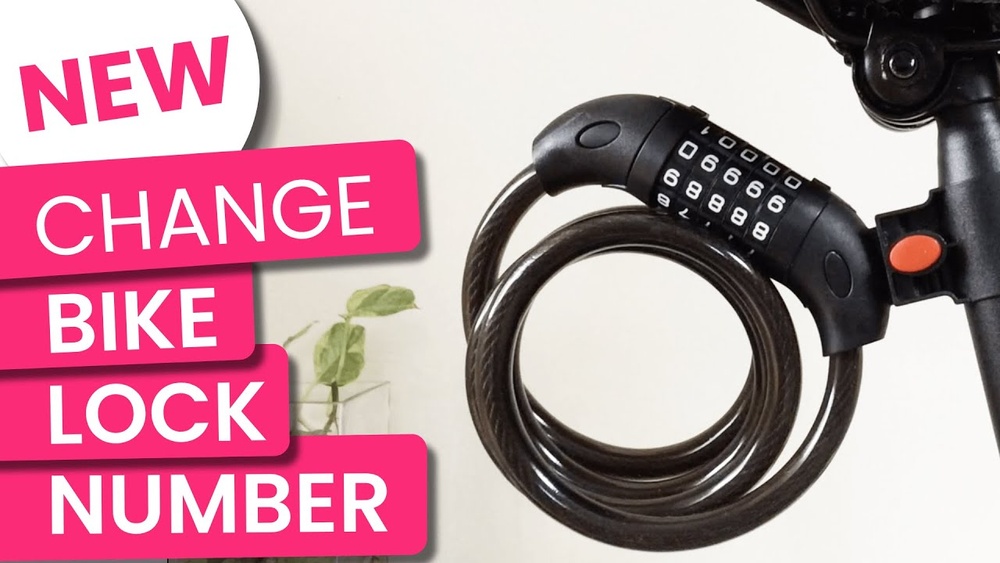
Number dials are the most common design. They have rotating wheels with numbers. You align the correct numbers to open.
Push-button locks use a series of buttons. Press the right buttons in order to unlock. These are quick to use but less common.
Some locks combine dials and buttons for extra security. Knowing your lock type helps when changing the combination. Always follow the lock’s instructions carefully.
Tools Needed
Changing the combination on a bike lock is simple. Having the right tools ready helps the process go smoothly. It also saves time and avoids mistakes. Prepare before you start. This ensures you do not get stuck or damage the lock.
Items To Have Ready
Gather a few basic items. First, have your bike lock with the current combination. Next, find a small flathead screwdriver if your lock needs it. Some locks have a reset lever or button that requires this tool. A pen and paper help to write down the new combination. Use a clean cloth to keep the lock clean during the change.
Precautions Before Changing
Double-check the current combination. Make sure you can open the lock easily. Try the numbers slowly and carefully. Avoid rushing this step. A wrong combination can cause frustration. Do not force the lock open. Forcing may break it. Work in a well-lit area to see details clearly. Keep the lock steady on a flat surface during the change. This helps prevent mistakes. Avoid distractions or interruptions while changing the code.
Locate The Reset Mechanism
To change the combination on a bike lock, you must first find the reset mechanism. This part allows you to set a new code safely. Each lock model has a different way to reset, so knowing where and how to find this mechanism is key.
Finding the reset mechanism is simple once you know what to look for. It is often a small button or lever near the dials. Locating it correctly helps avoid damage to your lock.
Identifying The Reset Button Or Lever
Look closely around the lock’s body. The reset button is usually tiny and may be recessed to prevent accidental presses. Some locks use a lever instead, which you might need to pull or slide.
Use a flashlight if needed. Check near the dials or under the shackle. The reset control is often marked or shaped differently from other parts.
Lock Positioning Tips
Position the lock properly before pressing the reset mechanism. Most locks require the shackle to be open or turned in a special way. Follow the instructions carefully to avoid locking yourself out.
Hold the lock steady on a flat surface. This helps you press the reset button or move the lever with ease. Correct positioning makes the process smooth and quick.

Credit: www.youtube.com
Set The Current Combination
Setting the current combination is the first step to change your bike lock code. This step ensures the lock is ready to accept a new code. You must have the existing combination to start.
Aligning The Numbers
Turn the dials to the current code numbers. Make sure each number is lined up exactly on the marker. This alignment is key to opening the lock. Take your time and check carefully. Misalignment will prevent the lock from opening.
Confirming The Existing Code
After aligning the numbers, pull the shackle or press the release button. If the lock opens, you have the correct code. If not, try again or check your code. Confirming the code prevents errors before resetting the combination.
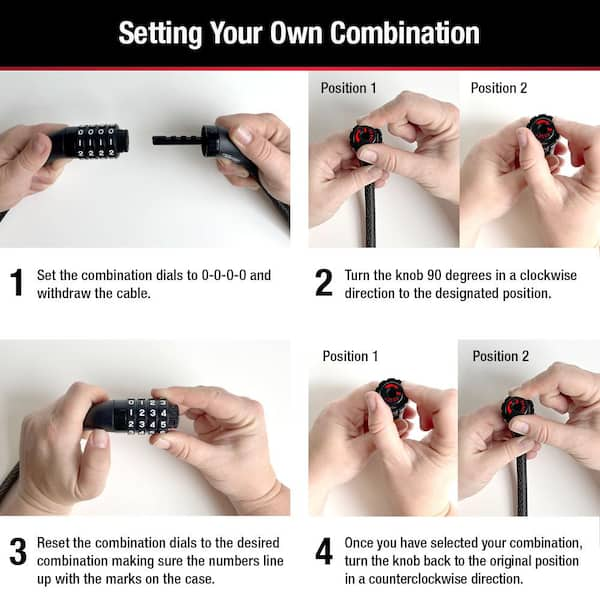
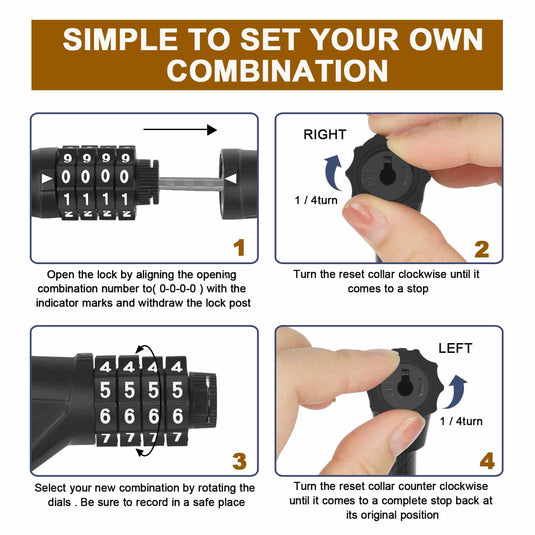
Change The Combination
Changing the combination on your bike lock keeps your bike safe. It also lets you pick a code you can easily remember. The process is simple and fast. Follow the steps carefully to set a new combination without trouble.
Engaging The Reset Mode
Start by opening your bike lock with the current code. Find the reset button or lever on the lock body. Push or slide it to enter reset mode. This step allows you to change the numbers freely. Keep the reset mode active until you finish setting the new code.
Selecting A New Code
Pick a code that is easy for you to recall. Avoid common sequences like 1-2-3-4 or 0-0-0-0. Turn the dials to your new combination. Double-check each number to ensure accuracy. Remember, this new code will secure your bike.
Locking The New Combination
Once your new code is set, exit the reset mode. Push the reset button back or move the lever to its original position. Close the lock and scramble the numbers. Test the lock by reopening it with your new combination. Your bike is now safe with the updated code.
Credit: sageuae.com
Test The New Combination
After changing the combination on your bike lock, testing it is very important. This step confirms the new code works correctly. It helps avoid lockouts and keeps your bike safe. Take time to test several times before using the lock for real.
Ensuring The Lock Opens
Turn the dials to the new combination slowly. Try to open the lock gently. If it opens smoothly, your new code is set. Repeat this process three to five times. This builds confidence that the lock will work every time.
Check that the lock clicks open fully. Partial opening means the combination might be off. Reset the lock and try again. Make sure to clear the dials before testing each time.
Troubleshooting Common Issues
If the lock does not open, do not force it. Force can break the lock or damage the mechanism. Double-check the combination numbers. Make sure you set them in the right order.
Clean the dials if they feel sticky or stiff. Dirt can block proper movement. Apply a small amount of lubricant if needed. Avoid using too much as it may attract dust.
Try resetting the combination carefully once more. Follow the instructions step-by-step. If problems persist, your lock might have a mechanical fault.
Tips For Creating Strong Combinations
Creating a strong combination for your bike lock is very important. A good code keeps your bike safe from thieves. It also helps you avoid the hassle of changing the lock too often. Follow simple tips to make your combination strong and easy to remember.
Focus on making your code hard to guess but easy for you to recall. This balance is key to protecting your bike and saving time.
Avoiding Easy-to-guess Codes
Do not use simple numbers like 1234 or 0000. Avoid birthdays, anniversaries, or phone numbers. These are easy for thieves to guess. Use a mix of random numbers instead. Try to avoid repeating numbers or sequences. This makes your lock stronger and safer.
Remembering Your New Code
Choose a code that means something only to you. Use a pattern you see daily but others do not. Try using parts of a phone number or address that are not obvious. Write the code down and store it in a safe place. Practice entering the code a few times to help memory.
Maintaining Your Bike Lock
Maintaining your bike lock helps keep it working well and secure. A clean, well-cared-for lock lasts longer and stays easy to use. Simple steps can protect your lock from damage and rust.
Regular Cleaning
Wipe your bike lock with a damp cloth regularly. Remove dirt and dust from the dials and body. Avoid using strong chemicals that can harm the lock’s surface. Dry the lock completely after cleaning to stop rust from forming.
Lubrication And Care
Apply a small amount of lubricant to the lock’s moving parts. Use a lubricant made for bike locks or metal tools. This keeps the dials turning smoothly and prevents stiffness. Avoid over-lubricating, which can attract dirt and cause problems.
Frequently Asked Questions
How Do You Reset A Bike Lock Combination?
To reset a bike lock combination, align the current code to open it. Find the reset lever or button, usually on the side. Move the lever or press the button, then set your new combination. Finally, release the lever or button to save the new code.
Can I Change My Bike Lock Code Without The Original Combination?
No, you typically need the original combination to change the code. Without it, resetting is impossible and may require professional help or lock replacement.
How Often Should I Change My Bike Lock Combination?
It’s good to change your bike lock combination every few months. This practice enhances security and prevents unauthorized access if someone knows your old code.
What If My Bike Lock Won’t Open After Changing The Combination?
Double-check if you correctly aligned the new combination. If it still won’t open, try resetting the lock again or consult the manufacturer’s instructions for troubleshooting.
Conclusion
Changing your bike lock combination is simple and quick. Just follow the steps carefully and take your time. Keep your new code safe and easy to remember. Changing the combination helps keep your bike secure. You can do it anytime you want to feel safer.
Practice once or twice to get comfortable with the process. Stay confident and protect your bike without trouble. Now, you know how to change your bike lock code easily.