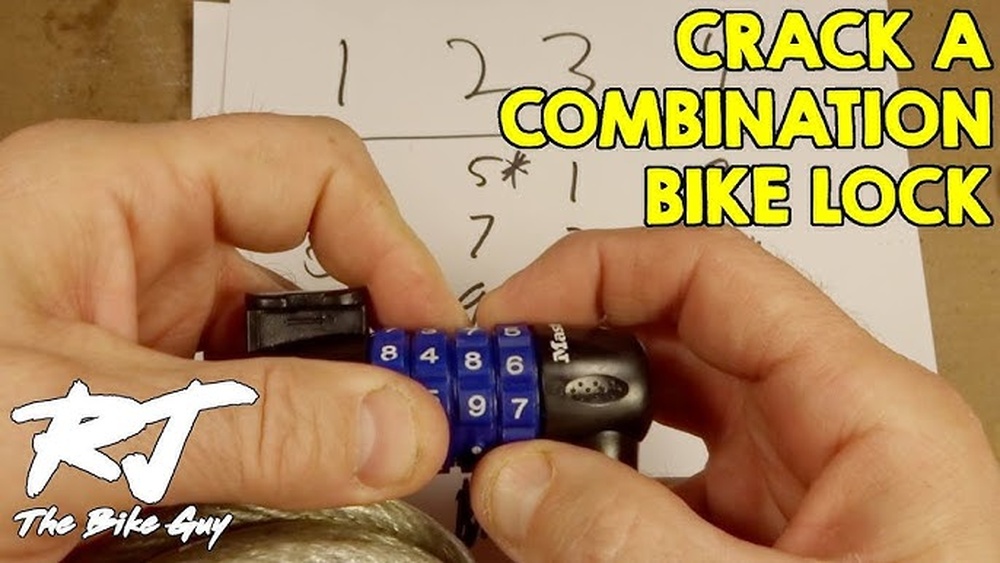
Choosing the right combination bike lock can feel overwhelming. You want to protect your bike, but with so many options, how do you know which one is best for you?
The lock you pick can make all the difference between peace of mind and heartache. You’ll discover simple tips to find a lock that fits your needs, keeps your bike safe, and won’t leave you frustrated. Keep reading—your bike’s security depends on it.
Types Of Combination Bike Locks
Combination bike locks come in different types. Each type offers unique benefits for bike security. Knowing these types helps choose the right lock for your needs. Some locks are lightweight, others are heavy but strong.
Here are the main types of combination bike locks to consider.
Cable Locks
Cable locks are flexible and easy to carry. They use a steel cable covered in plastic. You can wrap them around bike frames and poles. They are good for short stops. Not the best for high-risk areas because they can be cut.
U-locks
U-locks are shaped like a “U” and very strong. Made of hardened steel, they resist cutting and prying. They are heavier than cable locks but more secure. Best for long parking times in busy areas.
Folding Locks
Folding locks fold into a compact shape. Made of metal bars connected by rivets. They offer good security and flexibility. They are easier to carry than U-locks. Fit well in bike bags or pockets.
Chain Locks
Chain locks use thick metal links covered with fabric. They are heavy but very tough. Chains can secure bikes to large objects. Best for high-theft areas. Combination dials make them easy to use without keys.
Security Levels To Consider
Choosing the right combination bike lock means thinking about security levels. Not all locks offer the same protection. Some protect your bike better against thieves and attacks. Understanding security features helps you pick a lock that fits your needs and budget.
Lock Ratings And Standards
Check lock ratings before buying. Ratings show how strong a lock is. Some locks have scores from testing groups or organizations. Higher ratings mean better security. Look for locks with clear, trusted certifications. These locks pass strict safety tests.
Resistance To Cutting Tools
Thieves often use cutters to break locks. Good bike locks resist cutting tools like bolt cutters. Hardened steel shackle or chain links increase cut resistance. The thicker and tougher the material, the harder it is to cut. Choose locks made with strong metal parts.
Pick And Drilling Resistance
Lock picking and drilling are common ways to break locks. Quality locks include features to stop these attacks. Look for locks with complex locking mechanisms. Some have anti-drill plates or pins inside. These parts block drills and make picking very difficult.
Choosing The Right Combination Mechanism
Choosing the right combination mechanism is key to a secure and easy-to-use bike lock. The mechanism affects how safe your bike stays and how fast you can unlock it. Understanding different features helps you pick the best lock for your needs.
Number Of Digits And Complexity
The number of digits in a combination lock changes its security level. More digits mean more possible combinations. A 4-digit lock has 10,000 combinations. A 3-digit lock only has 1,000. Higher numbers make it harder for thieves to guess the code.
Complexity also matters. Some locks use letters or symbols, adding more code options. These can be tougher to remember but offer better protection. Choose a balance between security and ease of memory.
Resettable Vs Fixed Codes
Resettable locks let you change the code anytime. This is useful if you forget the code or share the lock with others. You can keep your bike safer by updating the code regularly.
Fixed code locks come with a set combination. You cannot change it. These locks are simple and reliable but less flexible. They suit users who do not want to manage code changes.
Ease Of Use
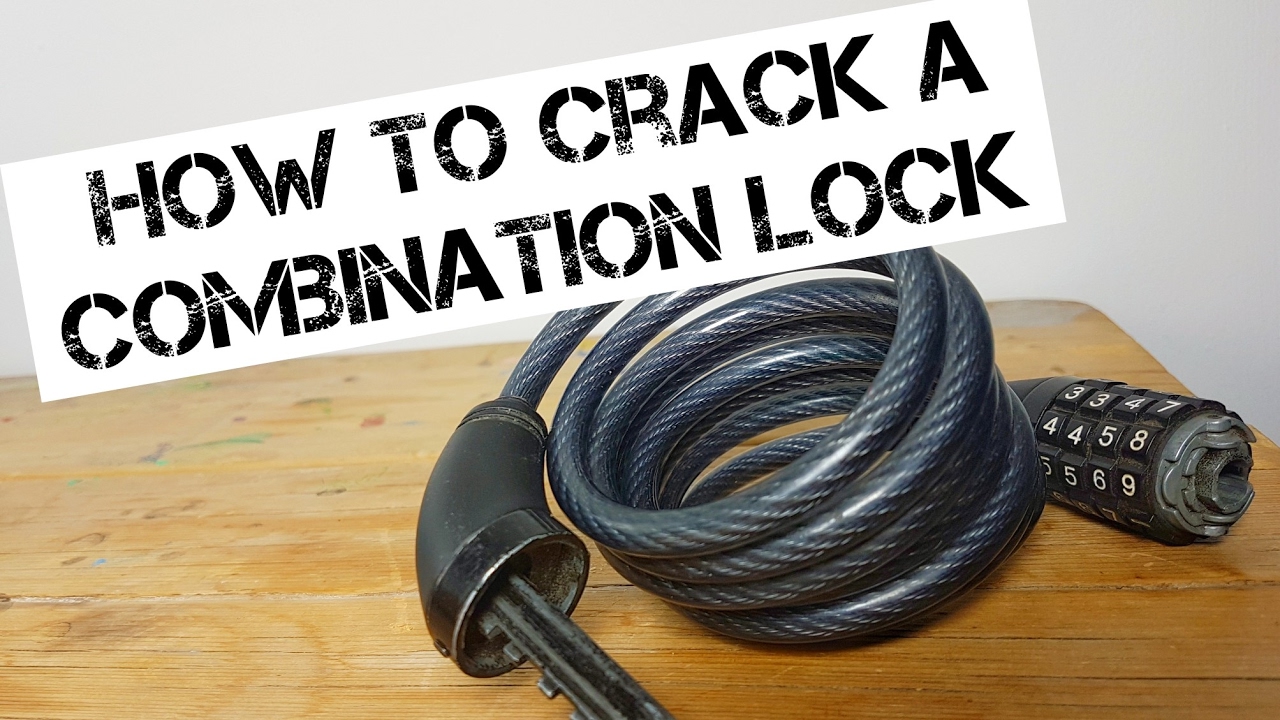
Pick a lock that is simple to operate daily. Large, clear numbers help you see the code quickly. Smooth turning dials prevent frustration.
Consider the lock’s size and weight too. A bulky lock can be hard to carry. Choose one that fits your bike and lifestyle comfortably.
Credit: www.youtube.com
Material And Build Quality
Material and build quality are key for a strong combination bike lock. These features keep your bike safe from theft. The right materials resist cutting and tampering. The lock must hold up over time and in all weather conditions. Quality parts help the lock work smoothly without jamming or breaking. Understanding these aspects helps you pick a reliable lock.
Steel Grades And Thickness
Steel is the main material for bike locks. Higher-grade steel is stronger and harder to cut. Look for locks made with hardened or alloy steel. Thickness matters too. Thicker steel means better protection. Thin steel can bend or break easily. Choose a lock with thick, solid steel bars or chains.
Weather Resistance
Bike locks face rain, sun, and cold outdoors. Rust and corrosion can weaken the lock. Locks with a weatherproof coating last longer. Some have plastic or rubber covers to stop water entry. Check for locks labeled as rust-resistant or weatherproof. This prevents damage and keeps your lock working well.
Locking Mechanism Durability
The locking parts must be tough and reliable. Cheap locks can jam or fail after some use. Look for locks with strong internal parts made of metal. The combination dials should turn smoothly without sticking. Durable mechanisms resist picking and breaking attempts. A solid lock mechanism gives more security and peace of mind.
Size And Portability
Size and portability matter a lot when picking a combination bike lock. A lock that is too big or heavy can be hard to carry. It might make your ride less fun. The lock should fit your bike and your style of travel. Think about how easy it is to carry and store.
Lock Length And Flexibility
Longer locks can wrap around bigger objects. They offer more options to secure your bike. Flexible locks bend easily. This helps lock your bike in tight spots. But very long locks can be bulky. Choose a length that fits your usual parking spots.
Weight Considerations
Heavier locks often mean better security. Still, heavy locks can tire your arms. A light lock is easy to carry every day. Find a balance between weight and safety. Your lock should feel comfortable on your bike.
Mounting Options
Some locks come with bike mounts. These mounts attach the lock to your frame. It keeps the lock off your back or hands. Mounts make carrying simple and quick. Check if the lock fits your bike’s frame size.

Credit: lock-picking.wonderhowto.com
Setting And Managing Your Combination
Setting and managing your combination is key to keeping your bike safe. A well-chosen code makes it hard for others to guess. Managing it well means you can access your bike anytime without trouble. This section guides you through creating, remembering, and changing your combination.
Creating A Strong Code
Choose numbers that are hard to guess. Avoid simple sequences like 1234 or 0000. Use random digits or a mix of numbers you can recall easily. Avoid using birthdays or anniversaries. These are easy for thieves to guess. A strong code keeps your bike safer.
Tips For Remembering Your Combination
Pick a code that means something to you but is not obvious. Try linking the numbers to a story or image in your mind. Write the combination down and keep it somewhere safe. Practice entering your code often. This builds muscle memory. Do not share the code with many people.
Changing Your Code Safely
Change your combination regularly for better security. Follow the lock instructions carefully to reset the code. Do this in a safe place where you won’t be rushed. Test the new code several times before locking your bike. Keep your new code written down until you remember it well.
Additional Features To Look For
Choosing a combination bike lock means more than just numbers and steel. Extra features add safety and ease. These small additions can make a big difference for your bike’s protection and your peace of mind.
Anti-theft Alarms
Some combination locks come with built-in alarms. These alarms sound loud if someone tries to steal your bike. The noise can scare off thieves quickly. This feature adds an extra layer of security beyond the lock itself. It helps keep your bike safe in busy or quiet places.
Reflective Elements
Reflective parts on a lock improve visibility at night. They make your bike easier to see for drivers and pedestrians. This feature helps prevent accidents in low light. Reflective elements also help you find your bike in the dark. Look for locks with bright, visible reflective strips or paint.
Warranty And Customer Support
A good warranty shows the lock maker’s confidence. It protects you if the lock breaks or malfunctions. Check how long the warranty lasts and what it covers. Reliable customer support can help with problems or questions. Choose brands that offer easy contact and quick help.

Credit: www.reddit.com
Common Mistakes To Avoid
Choosing the right combination bike lock can be tricky. Many people make simple mistakes that weaken their bike’s security. Avoiding these errors helps keep your bike safe and your mind at ease.
Learn about common pitfalls so you can pick a lock that truly protects your bike.
Choosing Convenience Over Security
Some locks are easy to use but offer poor protection. Lightweight locks may feel handy but can be cut quickly. Don’t sacrifice security just for speed or ease. Pick a lock with strong materials and solid construction. It’s better to spend extra seconds locking up than lose your bike.
Ignoring Lock Maintenance
Locks can get stuck or break if not cared for. Dirt and rust may jam the mechanism. Clean your lock regularly and apply lubricant. Check the combination dials for smooth turning. Proper maintenance keeps your lock working well and prevents unexpected failures.
Using Weak Combinations
Simple number patterns are easy to guess. Avoid combinations like “0000” or “1234.” Use random numbers that are hard to predict. Change your combination occasionally for added security. Strong codes make it harder for thieves to open your lock.
Best Practices For Using Combination Locks
Using a combination bike lock properly can protect your bike from theft. Knowing the best practices helps keep your bike safe. Small habits make a big difference in security.
Follow these tips to get the most from your combination lock. They help avoid common mistakes and increase protection. A strong lock is only good when used the right way.
Proper Locking Techniques
Always lock your bike through the frame and one wheel. Avoid locking only the wheel, as it can be removed easily. Tighten the lock to reduce movement and noise. A loose lock can be tampered with quickly. Set your combination code carefully and avoid simple patterns like “0000” or “1234”. Change the code periodically to keep it secure.
Choosing Secure Parking Spots
Park your bike in well-lit areas with many people around. Thieves avoid busy and visible places. Use bike racks or poles that are firmly fixed to the ground. Avoid parking near isolated or hidden spots. Higher foot traffic lowers the chance of theft. Look for cameras or security guards nearby for extra safety.
Regular Lock Inspection
Check your lock often for damage or wear. Rust, dirt, or broken parts can weaken it. Clean the lock mechanism with a soft brush and lubricant. Test the combination to ensure it still works smoothly. Replace the lock if it shows signs of failure. Regular care helps keep your lock strong and reliable.
Frequently Asked Questions
What Factors Matter When Choosing A Combination Bike Lock?
Consider lock type, security level, ease of use, and weight. Look for weather resistance and resettable codes. Choose a lock matching your bike’s value and typical parking spots.
How Secure Are Combination Bike Locks Compared To Keyed Locks?
Combination locks offer convenience but may be less secure than keyed locks. High-quality combination locks use complex codes and durable materials for better protection.
Can I Reset The Code On A Combination Bike Lock?
Most combination locks allow code resetting. Follow the manufacturer’s instructions carefully to set a new code. This feature enhances security and convenience.
What Lock Type Is Best For Urban Environments?
U-locks or heavy-duty chain locks with combination codes are ideal in cities. They resist cutting and picking, providing strong security against theft.
Conclusion
Choosing the right combination bike lock keeps your bike safe every day. Think about lock size, strength, and ease of use. Pick a lock with a clear, easy-to-set code. A lock that fits your bike and habits works best. Spend time testing before you buy.
A good lock gives peace of mind and protection. Stay smart, stay secure, and enjoy your ride worry-free.


