You’ve just parked your bike, and now comes a crucial step: locking it up properly. You might think any lock will do, but the truth is, how you secure your bike can make all the difference between returning to a safe ride or finding it gone.
Imagine the frustration of losing your bike because of a simple mistake in locking it. In this guide, you’ll discover easy and effective ways to protect your bike from thieves. Keep reading, and you’ll learn the secrets to locking your bike like a pro—so you can ride with peace of mind every time.

Credit: vixencomposites.com
Choosing The Right Lock
Choosing the right lock is key to keeping your bike safe. A good lock stops thieves and gives you peace of mind. Picking the best lock depends on your needs and where you park your bike. Understand the options, lock strength, and how easy it is to carry. This helps you make a smart choice.
Types Of Bike Locks
There are several types of bike locks. U-locks are strong and hard to break. Cable locks are light and flexible but less secure. Chain locks offer good security but can be heavy. Folding locks fold into small shapes for easy carrying. Each type suits different situations and security levels.
Lock Strength And Ratings
Look at the lock’s strength before buying. Locks have ratings from different tests. Higher ratings mean better protection. Check for locks made from hardened steel. Avoid thin cables or weak materials. Strong locks resist cutting and picking better.
Balancing Security And Portability
Heavy locks protect well but can be hard to carry. Light locks are easy to take but may not be strong enough. Find a balance between security and weight. Think about where you park and how long. Choose a lock you can carry every day.
Best Locking Techniques
Keeping a bike safe starts with the right locking methods. Good techniques make stealing harder and protect your bike better. Use strong locks and smart habits to keep your ride secure. The best locking techniques focus on securing all parts of the bike and using the environment to your advantage.
Securing The Frame And Wheels
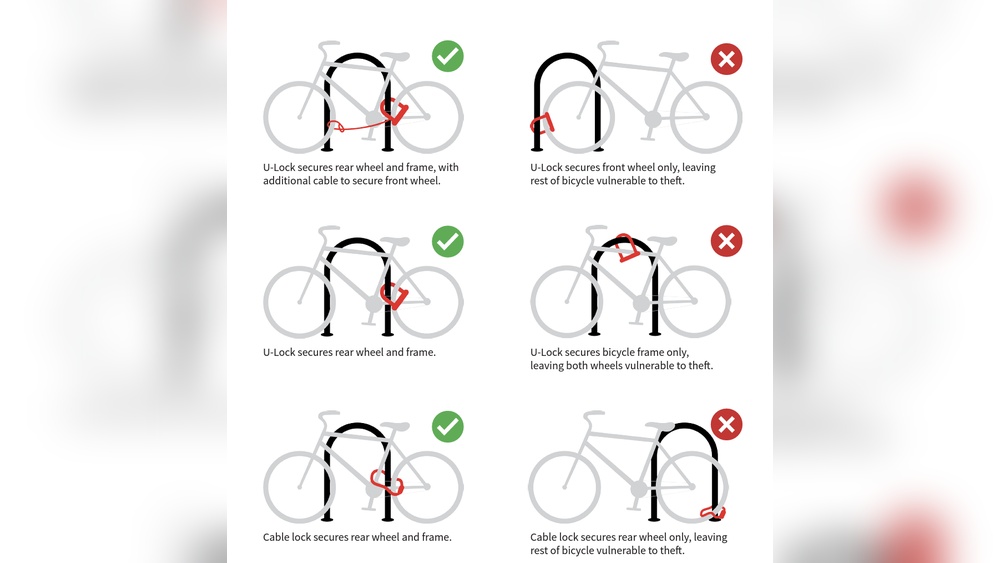
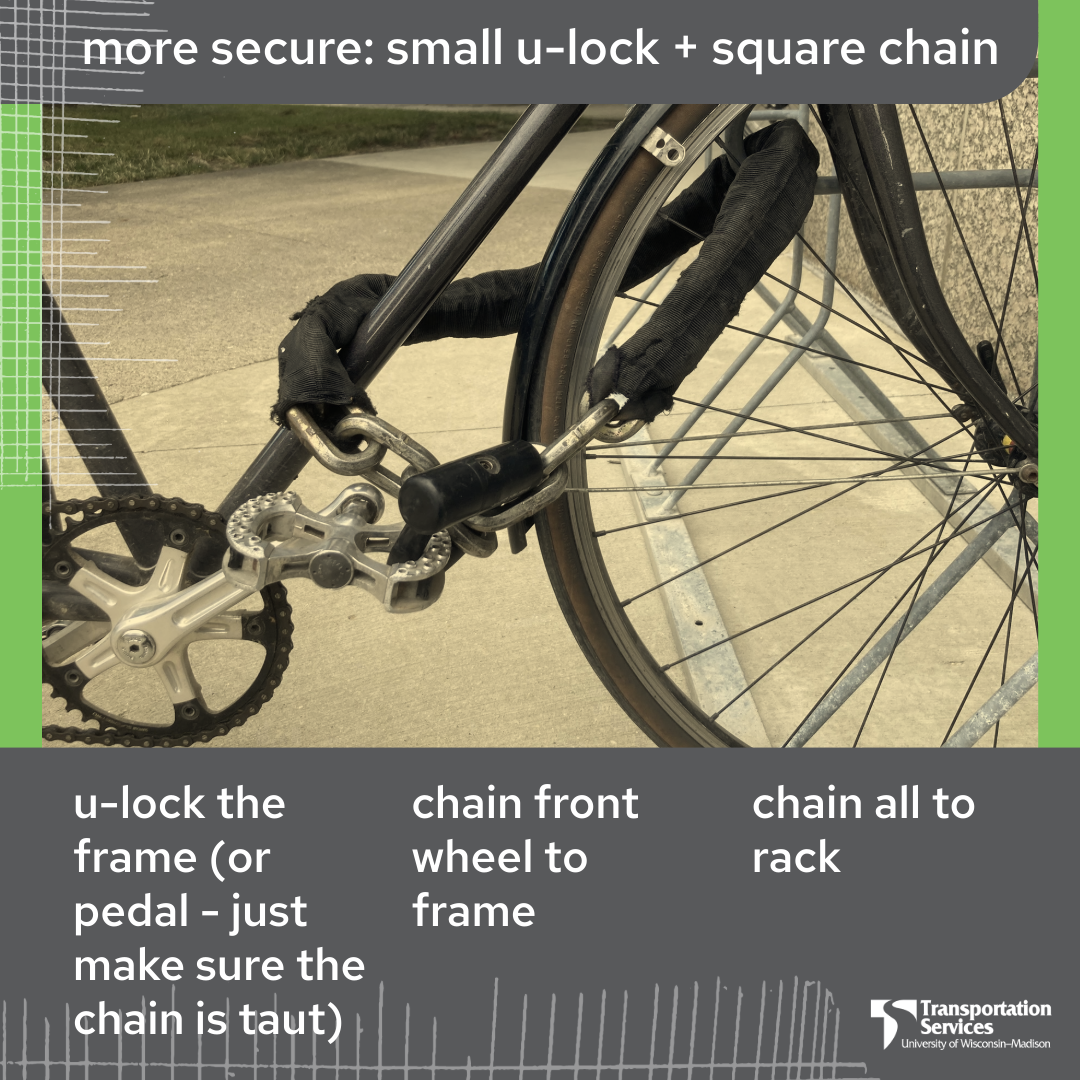
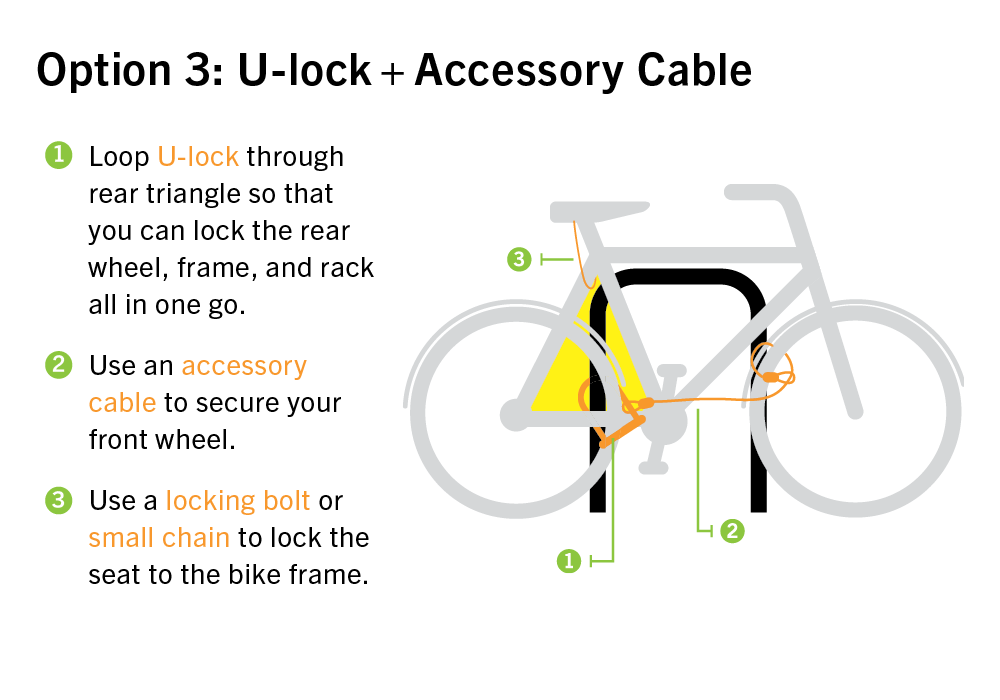
Always lock the bike frame to a solid object. The frame is the main part and most valuable. Use a strong U-lock or chain to attach the frame firmly. Lock the wheels too, especially the front wheel. Quick-release wheels can be stolen easily. Use a cable or a second lock for the wheels. This way, thieves cannot take parts separately.
Using Multiple Locks
Use more than one lock for better security. Combining a U-lock and a cable lock covers weak spots. One lock holds the frame, the other secures wheels or accessories. Thieves avoid bikes with multiple locks because they take more time. Multiple locks increase protection without much extra effort.
Selecting A Suitable Locking Location
Choose a busy, well-lit place to lock your bike. Thieves prefer dark and quiet spots. Find a sturdy object to lock to, like a bike rack or metal pole. Avoid thin or movable objects that can be cut or lifted. Lock your bike where many people pass by. More eyes lower the risk of theft.
Ideal Locking Spots
Choosing the right spot to lock your bike is key to keeping it safe. The place should stop thieves from easily taking your bike. Picking ideal locking spots means thinking about security and visibility. This section explains the best places to lock your bike for the most protection.
Fixed And Sturdy Objects
Always lock your bike to something strong and steady. A metal bike rack or a solid pole works best. Avoid thin or weak objects that can break or be cut. The object should not move or fall over. This keeps your bike locked firmly in place.
Well-lit And High-traffic Areas
Choose spots that have plenty of light. Bright areas make it harder for thieves to hide. Busy places with many people passing by add extra safety. Thieves do not want to be seen or caught. Locking your bike where others watch helps prevent theft.
Avoiding Common Theft Targets
Do not lock your bike to places thieves like. Avoid isolated spots, bushes, or hidden corners. Stay away from signs or fences that can be easily removed. Thieves watch for easy targets. Picking less obvious places lowers the risk of theft.
Credit: www.immanuelcr.org
Additional Security Measures
Locking your bike properly is just the first step in protecting it. Extra measures can help keep your bike safe. These steps make it harder for thieves to steal your bike.
Using more than one security method increases your bike’s safety. Let’s explore some easy and smart ways to add extra protection.
Bike Registration And Identification
Registering your bike creates a record in a national or local database. This helps police find your bike if it gets stolen. Some places offer free or low-cost registration services.
Mark your bike with a unique ID or your contact details. Use a permanent marker or a small engraved plate. This makes your bike less attractive to thieves.
Using Gps Trackers
GPS trackers help you find your bike if it disappears. These small devices can be hidden inside the frame or under the seat. Some models send alerts to your phone when your bike moves.
Choose a tracker with a long battery life and reliable signal. This tool adds a smart layer of protection for your bike.
Customizing Your Bike For Deterrence
Make your bike look less valuable or easy to steal. Use stickers or paint to give it a unique look. Thieves often avoid bikes that stand out or seem difficult to sell.
Adding small parts, like unusual grips or colorful tape, can help. These changes make your bike easier to spot and harder to steal.
Maintenance For Lock Longevity
Proper care of your bike lock extends its life and keeps it working well. Locks face weather, dirt, and daily use. Without care, they can rust or jam. Simple maintenance steps prevent these problems. Keep your lock smooth and secure for years.
Cleaning And Lubricating Locks
Clean your lock regularly with a soft brush or cloth. Remove dirt and dust from all parts. Avoid water inside the lock; use a dry cloth. Lubricate the keyhole and moving parts with a light oil. Use lock-specific lubricants for best results. This keeps the lock turning smoothly and stops rust.
Regular Lock Inspection
Check your lock often for signs of damage or wear. Look for rust, cracks, or bent parts. Test the key and combination to ensure they work easily. Early detection helps prevent lock failure. Fix small issues before they become big problems.
Replacing Worn Or Damaged Locks
Replace locks that show serious wear or damage. Old locks are easier to break or pick. Choose a new lock with good security ratings. Installing a new lock protects your bike better. Don’t wait until your lock breaks completely.
Responding To Theft Attempts
Responding quickly to theft attempts can save your bike. Knowing what to do helps protect your property and peace of mind. Act fast and stay calm to handle the situation well.
Recognizing Signs Of Tampering
Look for scratches or cuts on the lock or chain. Bent parts or loose bolts can also show tampering. Check if the lock moves unusually or makes strange sounds. These signs mean someone tried to steal your bike.
Reporting And Recovering Stolen Bikes
Report theft to the police immediately. Provide a clear description and photos of your bike. Share the bike’s serial number if you have it. Check local online groups and marketplaces for your bike. Quick action increases chances of recovery.
Insurance Options For Bikes
Consider bike insurance to protect against theft. Some policies cover damage and loss. Compare plans to find one that fits your needs. Keep a record of your bike’s details for claims. Insurance gives extra security and peace of mind.
Credit: vixencomposites.com
Frequently Asked Questions
What Is The Best Way To Lock A Bike Securely?
Use a U-lock to secure the frame and one wheel to a sturdy, immovable object. Avoid locking only the wheels or seat. Choose well-lit, busy areas for added security.
Which Bike Parts Should I Lock To Prevent Theft?
Always lock the bike frame and at least one wheel. If possible, use a cable lock to secure the other wheel and seat. This reduces the chance of parts being stolen.
How Do I Choose A Strong Bike Lock?
Select a lock made from hardened steel that resists cutting and leverage attacks. U-locks and heavy-duty chain locks offer good protection. Avoid cheap cable locks alone, as they are easier to break.
Where Should I Lock My Bike For Maximum Safety?
Lock your bike to a fixed, immovable object like a bike rack or metal pole. Ensure the object is secure and cannot be easily cut or removed. Choose a visible and busy location to deter thieves.
Conclusion
Properly locking your bike keeps it safe and secure. Use a strong lock and fasten it to a solid object. Lock both the frame and wheels for better protection. Always choose a well-lit, busy place to park. Taking these simple steps helps prevent theft and saves you trouble.
Stay cautious and protect your bike every time you leave it. Safe habits make a big difference in keeping your bike secure.


