How long do bike locks last? If you’re like most bike owners, you want to make sure your lock keeps your bike safe without needing constant replacement.
But the truth is, not all bike locks are built the same, and their lifespan can vary a lot. Knowing how long your lock will protect your bike helps you avoid costly surprises and keeps your ride secure. You’ll discover what affects a bike lock’s durability and how to choose one that lasts.
Keep reading to make sure your bike stays safe for years to come.

Credit: www.amazon.com
Factors Affecting Bike Lock Lifespan
Several factors affect how long a bike lock lasts. These factors impact the lock’s strength and durability. Understanding them helps you choose the right lock and maintain it well.
Material Quality
The quality of materials used in a bike lock matters a lot. High-quality steel or hardened alloys resist cutting and rust better. Cheaper metals wear out faster and break more easily. The better the material, the longer the lock will last.
Lock Type
Different lock types have different lifespans. U-locks are strong and last longer than cable locks. Chain locks offer good security but can be heavy. Folding locks last well but need care to avoid rust. Choose a type that fits your security needs and budget.
Usage Frequency
How often you use a bike lock affects its life. Frequent locking and unlocking cause wear on the mechanism. Locks used daily may need replacement sooner. Less frequent use usually means the lock stays in better shape for longer.
Environmental Conditions
Weather plays a big role in lock durability. Rain, snow, and humidity cause rust and corrosion. Locks used in wet or salty environments wear out faster. Keeping the lock dry and clean helps prevent damage. Protect your lock from harsh weather for longer life.

Credit: thebestbikelock.com
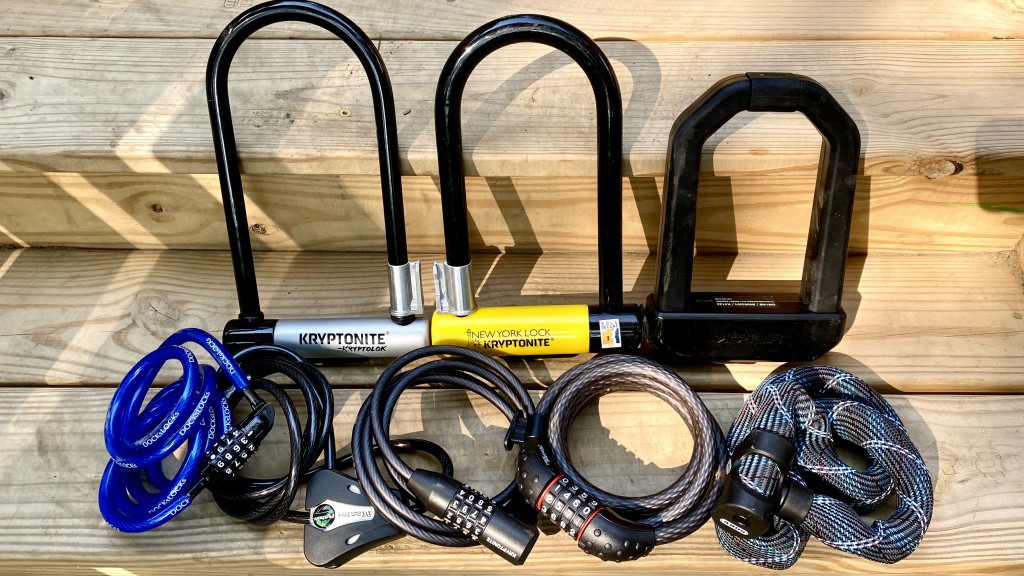
Common Types Of Bike Locks
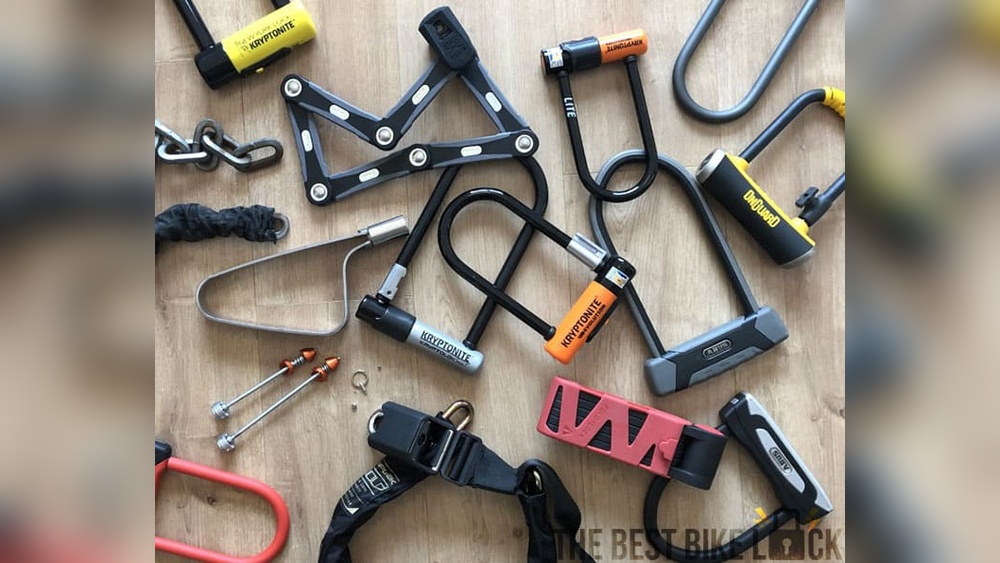
Bike locks come in different styles. Each type has its own strengths and weaknesses. Choosing the right lock helps protect your bike better. Understanding common types makes it easier to pick one.
U-locks
U-locks have a solid metal bar shaped like a “U”. They are strong and hard to break. Many riders trust U-locks for urban areas. They work well on fixed objects like bike racks.
Chain Locks
Chain locks use thick metal links linked together. They are heavy but very tough. Chains offer flexibility to lock your bike in many places. Look for chains with a strong protective cover to avoid scratches.
Cable Locks
Cable locks are made of braided steel wires covered in plastic. They are lightweight and easy to carry. Cable locks work best in low-risk areas. They are less secure than U-locks or chains.
Folding Locks
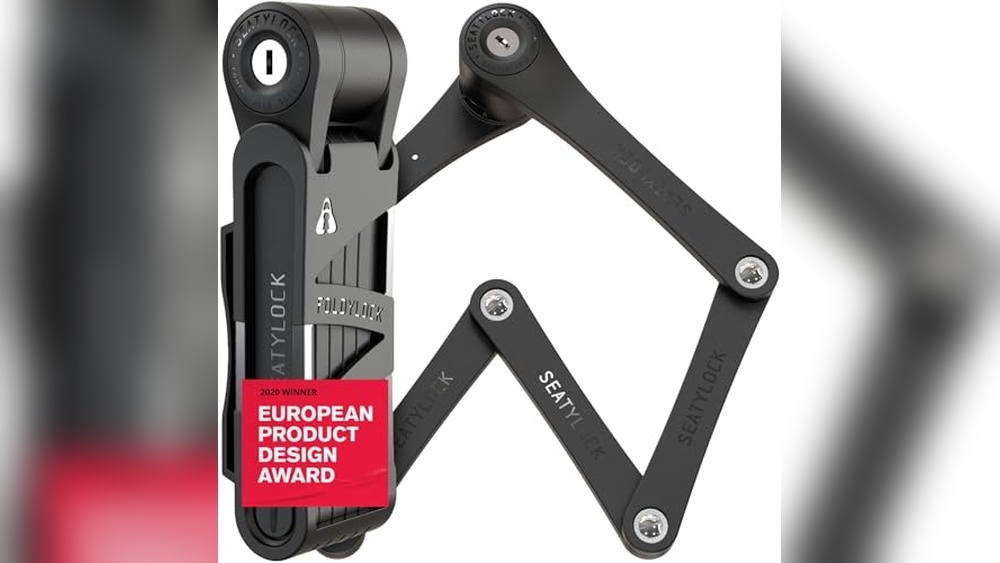
Folding locks fold into a small shape for easy storage. They offer good security and flexibility. Folding locks fit well in bike bags or pockets. Their joints allow locking around different objects.
Durability Comparison By Lock Type
Different types of bike locks last different times. Their durability depends on how they handle cutting, weather, and everyday use. Knowing these differences helps you pick the right lock for your bike. Here is a look at how common bike locks compare in strength and life span.
Resistance To Cutting
U-locks are very strong against cutting tools. Their solid metal frame makes cutting hard. Cable locks are easier to cut with wire cutters. Chain locks vary; thick, hardened chains resist cutting better than thin ones. Folding locks offer moderate resistance but can be vulnerable at joints.
Weather Resistance
U-locks usually have a weatherproof coating that stops rust. Cable locks can rust quickly if not covered well. Chain locks need regular oiling to avoid rust. Folding locks often have rust-resistant coatings but can still wear down over time.
Wear And Tear
U-locks are tough and hold up well to daily use. Cable locks can fray or snap after heavy use. Chain locks handle wear well but need care to stay flexible. Folding locks may develop weak points at hinges with constant folding.
Signs Your Bike Lock Needs Replacement
Your bike lock protects your bike every day. It faces weather, use, and time. These factors wear it down. Knowing the signs of a worn lock helps keep your bike safe. Replace your lock before it fails.
Visible Damage
Cracks, deep scratches, or bent parts show damage. These weaken the lock’s strength. A damaged lock is easy to break. Check for missing pieces or broken plastic covers. Replace the lock if you see damage.
Lock Mechanism Issues
The key should turn smoothly. If it sticks or jams, the lock may fail soon. Sometimes the lock freezes or won’t open. Dirt or broken parts can cause problems. Test the lock often to catch issues early.
Rust And Corrosion
Rust weakens metal and stops the lock from working well. Look for orange or brown spots on the lock. Corrosion can cause the key to get stuck. Clean minor rust fast, but replace locks with heavy rust.
Tips To Extend Bike Lock Lifespan
Bike locks protect your bike, so they need to last long. Taking care of your lock helps keep it strong and working well. Simple steps can stop rust and damage. These tips help you get the most from your bike lock.
Regular Maintenance
Clean your bike lock often. Use a dry cloth to wipe dirt and dust. Check the keyhole for dust or grime. A small spray of lubricant keeps the lock smooth. Avoid using too much oil. It can attract dirt and cause problems.
Proper Storage
Store the lock in a dry place. Keep it away from rain and snow. If you carry it on your bike, use a cover or bag. Avoid leaving the lock on the ground. This keeps it from getting wet or dirty.
Avoiding Harsh Conditions
Do not leave the lock outside in heavy rain or snow. Cold weather can make the lock stiff. Heat can wear down plastic parts. Try to keep the lock in mild weather. This helps it last longer and work better.
Security Considerations Over Time
Bike locks protect your bike, but their security can change over time. Thieves find new ways to break locks. A lock that worked well years ago might not be safe today. Knowing how theft methods evolve helps you keep your bike safe. Regular checks and upgrades keep your security strong.
Evolving Theft Techniques
Thieves use better tools and tricks now. Simple bolt cutters may not work on new locks. They try lock picking, drilling, or even using power tools. Some use quick attacks to steal bikes fast. Older locks may not stop these new methods.
Upgrading Locks
Changing your lock often improves safety. New locks use tougher materials and smart designs. U-locks with thick shackles resist cutting better. Chains with hardened steel links are harder to break. Upgrading is a smart way to fight evolving theft tactics.
Balancing Cost And Security
High-security locks cost more but protect better. Cheap locks can fail quickly and risk theft. Think about how much your bike is worth. Spending more on a lock may save your bike and money. Choose a lock that fits your budget and safety needs.
Best Bike Locks For Long-term Use
Choosing the best bike lock for long-term use matters a lot. A good lock keeps your bike safe for years. Durability, strength, and resistance to cutting tools are key features. These locks use strong materials like hardened steel.
Investing in a quality bike lock saves money and stress later. It also protects your bike in busy or risky areas. The right lock stays reliable over time and tough against theft.
Top Brands
Some brands are known for making strong, long-lasting bike locks. Kryptonite is famous for durable U-locks and chains. Abus offers a wide range of locks with solid build quality. OnGuard makes locks with high security and good value. These brands test their products to meet safety standards.
Recommended Models
Kryptonite New York Fahgettaboudit is a top U-lock for heavy security. Abus Granit X-Plus 540 is a strong lock with advanced locking tech. OnGuard Brute Chain Lock offers tough chain links and a reliable lock cylinder. These models resist cutting and picking well. They fit most bikes and offer peace of mind.
User Reviews
Users praise these locks for lasting many years without damage. Many report no issues even after daily use in harsh weather. Some say the locks feel heavy but worth the safety. A few mention the key is smooth and does not jam. Overall, users feel confident leaving their bikes secured with these locks.
Credit: www.outdoorgearlab.com
Frequently Asked Questions
How Long Does A Bike Lock Typically Last?
A bike lock usually lasts 3 to 5 years with regular use. Material quality and weather exposure affect its lifespan. Proper maintenance like lubrication can extend its durability and security over time.
What Factors Affect Bike Lock Lifespan?
Factors include lock material, weather conditions, frequency of use, and maintenance. Steel locks last longer than cable ones. Exposure to rain or rust reduces lifespan. Regular cleaning and lubrication help maintain lock function.
Can Weather Damage Reduce Bike Lock Life?
Yes, weather like rain, snow, and humidity can cause rust and corrosion. This weakens the lock mechanism and shortens its lifespan. Using weather-resistant locks and proper care can minimize damage.
How Often Should I Replace My Bike Lock?
Replace your bike lock every 3 to 5 years or sooner if damaged. Signs include rust, difficulty turning the key, or visible wear. Upgrading ensures better security and reliability.
Conclusion
Bike locks can last for several years with proper care. Weather and use affect their lifespan a lot. Rust and wear reduce their strength over time. Choose a lock that fits your needs and budget. Regular checks help you spot problems early.
Replace your lock if it shows signs of damage. A good lock protects your bike and gives peace of mind. Keep your bike safe with a reliable lock. Simple maintenance extends your lock’s life. Stay smart and secure your bike every day.