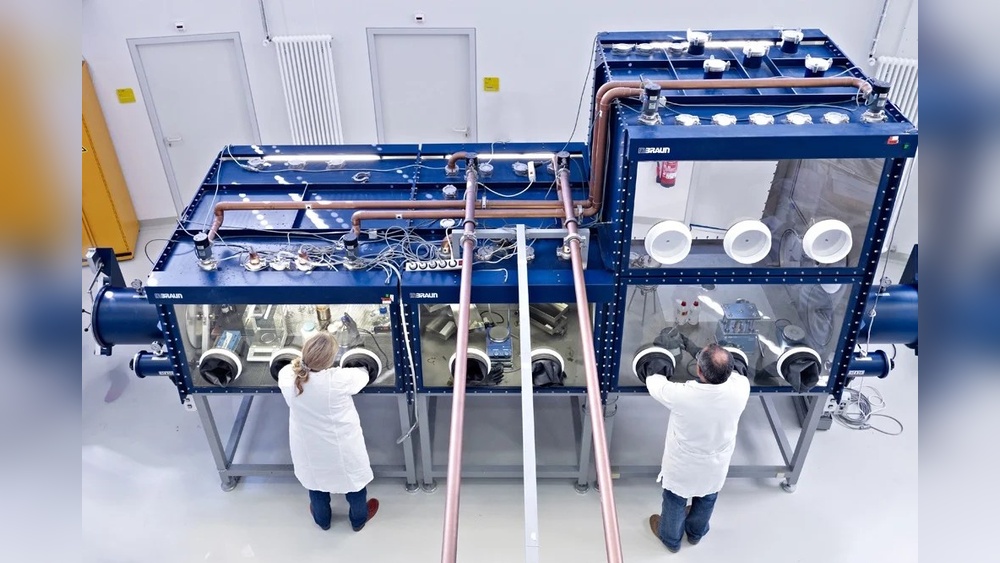
Have you ever wondered how scientists and technicians handle sensitive or dangerous materials without risking contamination or harm? The secret often lies in a clever device called a glove box.
If you work with delicate chemicals, hazardous substances, or sterile samples, understanding how a glove box works can be a game-changer for your safety and success. This simple yet powerful tool creates a sealed, controlled space where you can manipulate materials using built-in gloves, keeping both you and your samples protected.
Ready to learn what makes a glove box so effective and how it can help you work smarter and safer? Let’s dive into the fascinating details behind this essential piece of equipment.
Glove Box Design
The design of a glove box plays a crucial role in creating a safe and controlled workspace. It allows users to handle sensitive materials without exposure to the outside environment. The design includes several key components that work together to maintain a sealed and clean atmosphere inside the box.
Airtight Chamber
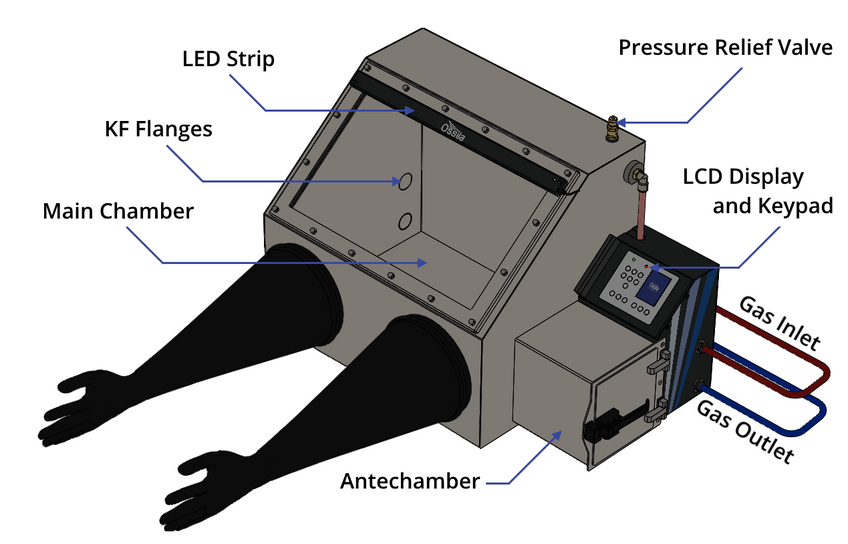
The main part of a glove box is its airtight chamber. This sealed space prevents outside air from entering. It keeps contaminants like dust, moisture, and oxygen out. The chamber is usually made of clear materials for visibility. This design helps maintain a stable environment inside the box.
Built-in Gloves
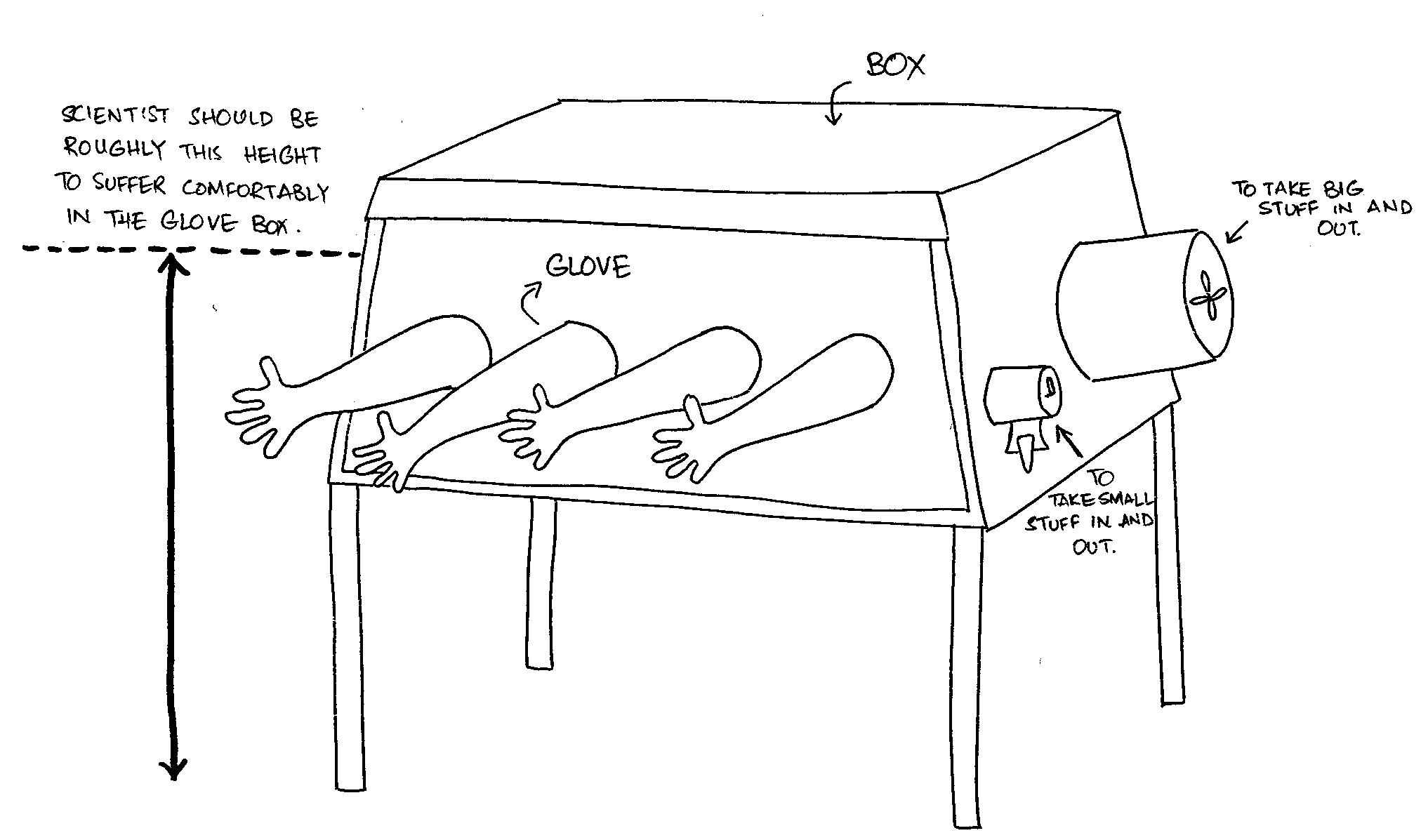
Built-in gloves are attached to the airtight chamber. They allow users to manipulate objects inside without breaking the seal. These gloves are made from durable, flexible materials. Users insert their hands into the gloves to work safely. This feature protects both the user and the materials inside the glove box.
Antechamber Function
The antechamber is a small separate compartment connected to the main chamber. It allows items to be transferred in and out without exposing the main chamber to air. The antechamber can be sealed and flushed with inert gas. This prevents contamination and keeps the internal environment stable during exchanges.
Atmosphere Control
Atmosphere control is key to a glove box’s function. It keeps the air inside free from moisture and oxygen. This creates a safe space for handling sensitive materials. The system ensures that the environment stays stable and clean. Different methods work together to maintain this control.
Inert Gas Circulation
Inert gases like argon or nitrogen fill the glove box. These gases do not react with materials inside. The glove box circulates the gas continuously. This removes oxygen and moisture from the air. Circulation keeps the atmosphere pure and stable. It helps protect delicate samples from damage.
Negative Pressure Operation
Negative pressure means the glove box has lower pressure than outside air. This prevents air from leaking out. It stops harmful gases or particles from escaping. Negative pressure also blocks contaminants from entering. This keeps both the user and the materials safe.
Filtration Systems
Filters clean the gas before it enters the glove box. They remove dust, moisture, and oxygen. Common filters include molecular sieves and oxygen scrubbers. These ensure the atmosphere stays pure for long periods. Filtration supports continuous safe operation inside the glove box.
Handling Sensitive Materials
Glove boxes create a safe space for handling delicate materials. They protect samples from air and moisture. This control is vital for many scientific and industrial tasks.
Inside the glove box, the environment stays stable and clean. This helps keep materials pure and undamaged. The sealed design stops outside elements from entering.
Oxygen And Moisture Removal
Oxygen and moisture can ruin sensitive materials. Glove boxes use special systems to remove these elements. Often, they circulate inert gases like argon or nitrogen inside.
The gases push out oxygen and water vapor. Sensors monitor the levels continuously. This keeps the air dry and free of oxygen. Materials stay safe from unwanted reactions.
Maintaining Sample Stability
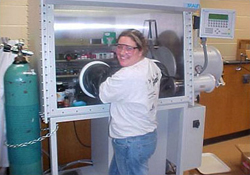
Stable conditions protect samples from changing or breaking down. The glove box keeps temperature and humidity steady. This avoids damage from sudden environmental shifts.
The sealed space stops dust and contaminants from entering. Materials inside remain pure and ready for use. Scientists can work confidently with sensitive substances.
Credit: www.lycoming.edu
Transferring Items Safely
Transferring items safely inside a glove box is essential to keep the environment pure. The glove box protects materials from air, moisture, and contaminants. Using the right methods prevents damage and maintains safety. The process involves special steps and tools to move objects without letting outside air in.
Using The Antechamber
The antechamber is a small sealed compartment attached to the glove box. It allows items to pass in and out without opening the main chamber. First, place the item inside the antechamber. Close its outer door tightly to keep the glove box sealed. This step stops air from entering the main area.
Vacuum And Gas Purging Process
After sealing the antechamber, a vacuum pump removes air inside it. This vacuum step pulls out oxygen and moisture. Next, inert gas like nitrogen or argon fills the chamber. This gas purge cleans the inside atmosphere. Repeating vacuum and gas cycles ensures no harmful gases remain. This process protects sensitive materials from air damage.
Avoiding Contamination
Always handle items with clean gloves inside the box. Avoid touching the inside walls or other objects unnecessarily. Double-check seals on doors and gloves to prevent leaks. Use tools designed for the glove box to keep the environment sterile. Regularly monitor gas levels and moisture inside the box. These steps reduce contamination risks and keep samples safe.
Operating Procedures
Operating a glove box requires careful attention to maintain a sealed and controlled environment. Proper procedures ensure safety and preserve the quality of materials inside. Users must follow specific steps for loading, unloading, and handling items. These steps help prevent contamination and damage. Understanding these procedures is key to effective glove box use.
Loading And Unloading Techniques
Loading items into the glove box begins with the airlock chamber. Place the objects inside and seal the airlock door tightly. Then, purge the chamber by flushing it with inert gas to remove air. This step keeps oxygen and moisture out of the main chamber. After purging, open the inner door to move items inside safely.
Unloading follows a similar process. Place items into the airlock from the main chamber. Seal the inner door and flush the airlock to remove inert gas. Open the outer door to take items out. Always check seals and flush times to maintain the glove box atmosphere. Avoid rushing these steps to prevent leaks and contamination.
Glove Manipulation Tips
Use slow and steady movements when working inside the glove box. Rapid motions can cause tears or damage to gloves. Keep gloves clean and free from sharp objects. Regularly inspect gloves for holes or cracks before starting work.
Do not overreach or stretch gloves beyond their limit. This reduces the risk of punctures. Use tools inside the box to assist with delicate tasks. Avoid putting excessive force on the gloves. These habits extend glove life and keep the environment safe.
Credit: www.ossila.com
Applications Of Glove Boxes
Glove boxes serve many important roles across different fields. They offer a sealed environment that protects both the user and the materials inside. This control allows for safe work with sensitive or dangerous substances. The applications of glove boxes range from scientific labs to industrial settings. Below are some key areas where glove boxes are widely used.
Chemical Research
Chemists use glove boxes to handle reactive chemicals safely. The box prevents air and moisture from affecting the materials. Researchers can conduct experiments with substances that easily degrade in the open air. This setup helps maintain the purity of samples and improves the accuracy of results.
Hazardous Material Handling
Glove boxes protect users from toxic or dangerous materials. Workers can manipulate hazardous substances without direct contact. The sealed environment reduces the risk of spills, contamination, or inhalation. This safety feature is crucial in industries dealing with radioactive or biohazardous materials.
Sterile Environments
In medical and pharmaceutical fields, glove boxes create sterile conditions. They prevent germs and dust from contaminating sensitive products. This is vital for manufacturing drugs or preparing sterile equipment. The controlled atmosphere ensures high-quality and safe outcomes.
Common Issues And Solutions
Glove boxes provide a sealed environment for safe handling of sensitive materials. Despite their design, common issues can arise during use. These problems can affect performance and safety. Knowing typical problems and their fixes keeps the glove box working well.
Leak Prevention
Leaks let outside air enter, ruining the controlled atmosphere. Check all seals and joints regularly for cracks or damage. Replace worn gaskets and O-rings quickly to stop leaks. Use a leak detector or soapy water to find small leaks around edges. Keep the glove box clean to avoid debris that breaks seals.
Maintaining Seal Integrity
Seals lose strength over time. Store the glove box away from direct sunlight and heat. These can cause seals to dry out and crack. Apply silicone grease on seals to keep them flexible. Avoid harsh chemicals near seals that cause damage. Tighten clamps and fasteners to ensure a firm seal.
Troubleshooting Noise And Pressure Problems
Noises often signal pressure issues inside the glove box. Check the gas supply and flow rate for consistency. A noisy fan or pump may need cleaning or replacement. Inspect valves and filters for blockages that cause pressure drops. Balance pressure carefully to avoid stress on the glove box walls.
Credit: blogs2.abo.fi
Frequently Asked Questions
Can Police Open Your Glove Box If It’s Locked?
Police can open a locked glove box if they have a search warrant or probable cause. Otherwise, they generally cannot legally force it open.
Will Leaving The Glove Box Open Drain The Battery?
Leaving the glove box open may cause interior lights to stay on, which can drain the car battery over time. Always close it fully.
What’s Behind The Glove Box In A Car?
Behind the glove box, you often find the HVAC blend door actuator. It controls airflow direction and temperature inside the car cabin.
What Is The Glovebox Technique?
The glovebox technique uses a sealed enclosure with built-in gloves to handle sensitive materials. It maintains an oxygen- and moisture-free atmosphere using inert gases, preventing contamination and preserving sample stability during manipulation.
Conclusion
A glove box keeps sensitive materials safe inside a sealed space. Built-in gloves let users handle items without letting air in. The airlock chamber helps move things in and out securely. Special gases often keep the inside free from moisture and oxygen.
This system protects both the materials and the user. Understanding how a glove box works shows its value in labs and industry. It’s a simple yet effective tool for careful, clean work.