Have you ever wondered just how safe your bike really is when locked away in a bike locker? You might think it’s secure, but what if breaking in isn’t as hard as you believe?
Understanding how easy it is to break into a bike locker can help you protect your bike better. You’ll discover the common weaknesses in bike lockers and simple steps you can take to keep your ride safe. Keep reading—your bike’s security might depend on what you learn next.
Credit: www.youtube.com
Bike Locker Security Basics
Understanding bike locker security basics helps protect your bike effectively. Bike lockers come in different designs and materials. Each type offers varied levels of safety. Knowing how they work can help you choose the best one for your needs.
Common Types Of Bike Lockers
Bike lockers vary from simple metal boxes to advanced storage units. Some are single lockers for one bike. Others are larger and hold multiple bikes. Public places often use metal lockers with strong doors. Private bike lockers might use lighter materials but still secure your bike well.
Materials And Construction
Most bike lockers use steel or heavy-duty aluminum. These materials resist cutting and hammering. Some lockers have reinforced corners and edges for extra strength. The construction must block easy access points. Gaps or weak spots invite theft attempts.
Locking Mechanisms Used
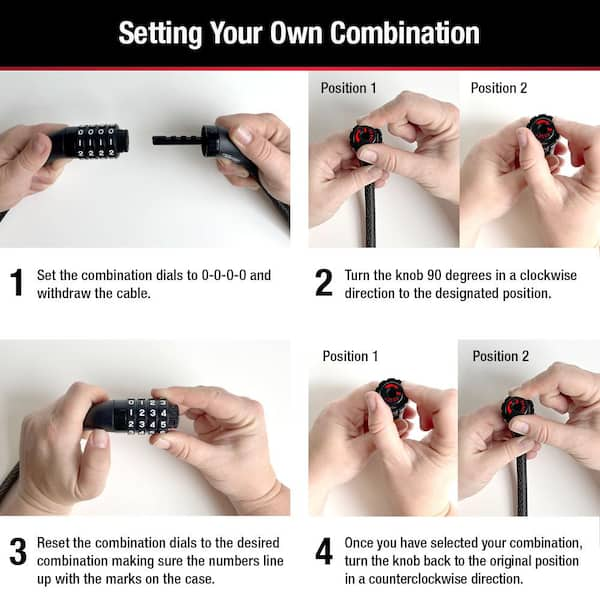
Many bike lockers use padlocks, combination locks, or key locks. High-security lockers often use electronic locks or smart keys. The lock type affects how easy it is to break in. Good locks prevent picking and forced entry. Always check lock quality before buying a locker.
Credit: www.homedepot.com
Methods Thieves Use
Thieves use several methods to break into bike lockers. They choose tools and tricks based on the lock type and locker design. Understanding these methods helps bike owners pick better security options.
Picking And Bumping Locks
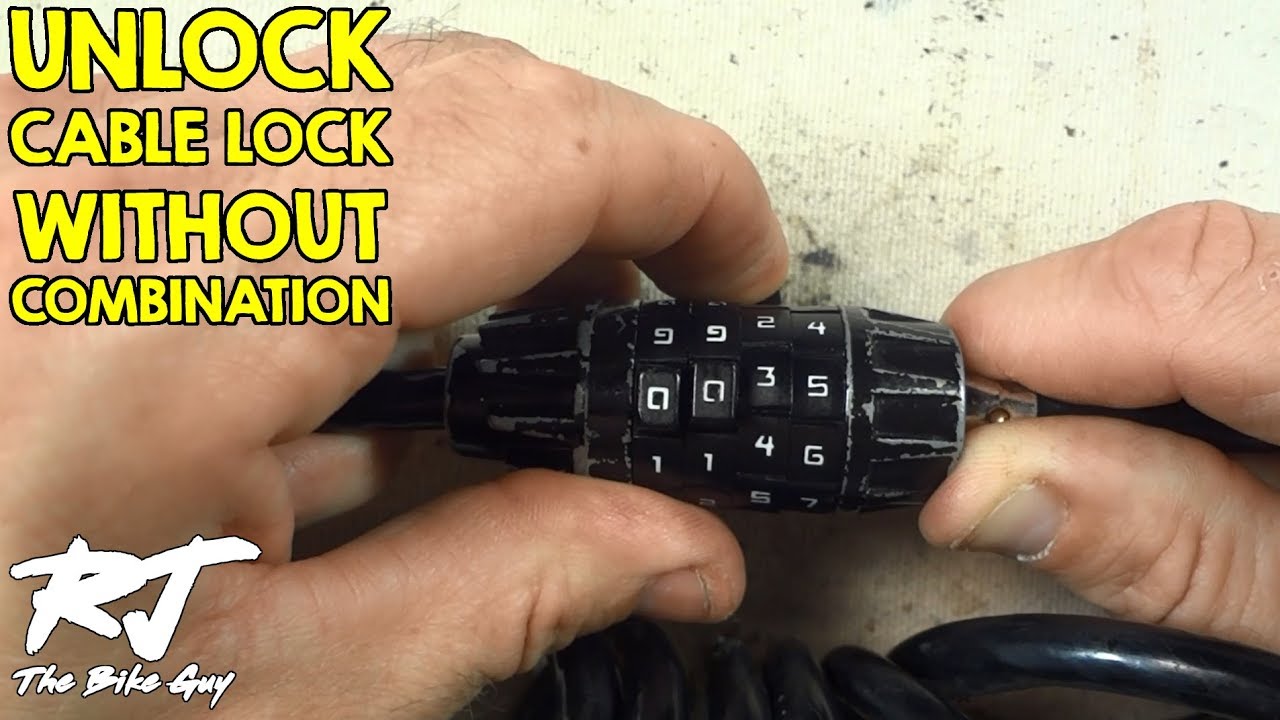
Picking a lock means using small tools to move the pins inside. Thieves do this quietly and quickly. Bumping involves a special key that jolts the pins open. Both methods need practice but work well on simple locks.
Force And Cutting Tools
Thieves often use force to break locks. They hit locks with hammers or pry them open with crowbars. Cutting tools like bolt cutters or angle grinders can also slice through chains or metal parts. These tools make short work of weak materials.
Exploiting Design Flaws
Some bike lockers have weak spots in their design. Thieves look for gaps or thin metal areas to pry open. Locks placed in easy-to-reach spots are more vulnerable. Poorly attached lockers can be lifted or removed without breaking the lock.
Real-world Vulnerability Tests
Real-world tests show how secure bike lockers truly are. These tests reveal if lockers keep bikes safe or if they have weak spots. Understanding these results helps bike owners choose better protection.
Experts and real users try to break into lockers using common tools. Their findings highlight which designs resist attacks and which fail quickly.
Case Studies Of Break-ins
Many reports describe actual bike locker break-ins. Thieves use simple tools like crowbars and screwdrivers. Some lockers open in seconds. Others take longer but still give way. These cases show that many lockers are not as strong as claimed.
Expert Security Assessments
Security specialists test lockers with professional tools. They analyze locks, hinges, and materials. These experts find hidden flaws unnoticed by users. Their tests help manufacturers improve locker designs. Experts often suggest upgrades to increase safety.
Common Weak Points Found
Lockers often fail at hinges and locking mechanisms. Thin metal or plastic parts break easily. Poor lock quality lets thieves pick or force entry. Gaps in the locker allow tools inside. These weak points make it easier to steal bikes.
Improving Bike Locker Security
Improving bike locker security is important to keep bikes safe from theft. Many bike lockers can be broken into if they have weak locks or poor materials. Strengthening these areas helps protect your bike and gives you peace of mind.
Upgrading Locks And Materials
Strong locks make it harder for thieves to break in. Choose locks made of hardened steel or with advanced locking mechanisms. The locker material also matters. Thick steel or reinforced metal walls resist cutting and prying attempts.
Additional Security Features
Extra features add layers of protection. Some lockers include alarms that sound when tampered with. Cameras or motion sensors near bike lockers can deter thieves. Lighting around lockers also reduces theft risks.
Tips For Users To Protect Bikes
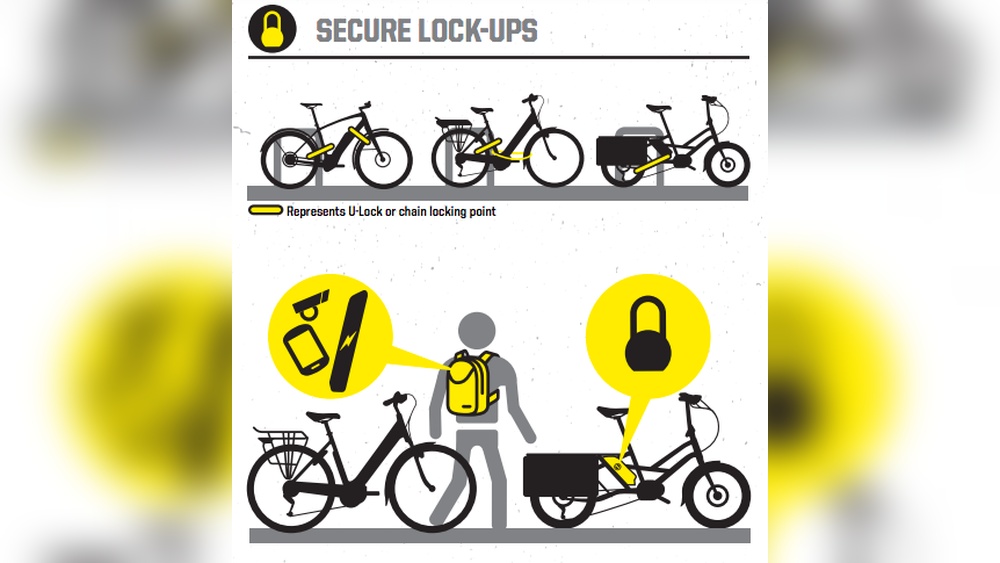
Always lock your bike securely inside the locker. Use two different locks, like a U-lock and a cable lock. Check the locker for any signs of damage before use. Report broken locks or suspicious activity to authorities quickly.
Alternatives To Traditional Lockers
Traditional bike lockers can be targets for thieves. People want safer options to protect their bikes. Alternatives offer better security and convenience. They reduce the risks of break-ins. These solutions suit different needs and budgets. Here are some popular alternatives to traditional lockers.
Smart Lockers And Technology
Smart lockers use digital locks instead of keys. These locks work with apps or codes. Only the owner can open the locker. Some have alarms that alert owners of tampering. They offer better control and monitoring. Smart lockers often have cameras for extra security. Technology makes theft much harder than before.
Secure Parking Facilities
Secure parking areas provide guarded spaces for bikes. These spots have fences and gates. Guards or cameras watch the area all day. Bikes park in groups, making theft less likely. Access is limited to members or residents. These facilities give peace of mind to bike owners. They are common in cities and near transit hubs.
Community And Shared Solutions
Community bike storage uses shared spaces managed by groups. Neighbors or coworkers share responsibility for security. These places often have multiple layers of protection. Groups keep an eye on each other’s bikes. Shared solutions build trust among users. They encourage bike use and reduce theft risks. Community efforts make bike storage safer and friendlier.

Credit: www.youtube.com
Frequently Asked Questions
How Common Is Breaking Into A Bike Locker?
Breaking into bike lockers is relatively uncommon. Most lockers have sturdy locks and metal construction, deterring casual thieves. However, poorly maintained or low-quality lockers can be vulnerable. Using high-quality locks and secure locker designs significantly reduces break-in risks.
What Tools Do Thieves Use To Break Bike Lockers?
Thieves often use bolt cutters, crowbars, or lock-picking tools to break bike lockers. Some may resort to drilling or cutting metal parts. Proper locker construction and reinforced locks help prevent these methods, making theft more difficult and less likely.
How Can I Secure My Bike Locker Effectively?
Use a high-quality U-lock or chain lock inside the locker. Choose lockers with robust metal construction and tamper-proof hinges. Regularly inspect your locker for damage or signs of tampering. Adding alarms or surveillance can further enhance security.
Are Bike Lockers Safer Than Bike Racks?
Bike lockers generally offer better protection than racks. Lockers shield bikes from weather, vandalism, and theft attempts. However, security depends on locker quality and location. Well-monitored racks with strong locks can also be safe but usually offer less protection.
Conclusion
Breaking into a bike locker is not very easy. Most lockers have strong locks and solid materials. Still, some cheap or old lockers might be weak. Always choose lockers with good security features. Keep your bike safe by using extra locks too.
Stay aware of your surroundings and report any suspicious activity. A little caution helps protect your bike from theft. Safety matters more than convenience in these cases. Remember, a secure locker gives you peace of mind every day.