Are you curious about how heavy dumbbells can get and what that means for your workouts? Whether you’re just starting out or looking to push your limits, knowing the range of dumbbell weights can help you plan your fitness journey better.
You might wonder if heavier weights are always better or how to choose the right weight for your goals. You’ll discover everything you need to know about dumbbell weights, so you can lift smarter, avoid injury, and see real progress.
Keep reading to find out how heavy dumbbells go and how that impacts your training.

Credit: www.youtube.com
Dumbbell Weight Ranges
Dumbbell weight ranges vary to suit different fitness levels and exercises. Choosing the right weight helps improve strength and avoid injury. Dumbbells come in fixed sizes, adjustable sets, and specialty heavy options.
Understanding these weight ranges helps pick the best dumbbells for your workouts. This guide explains the common types and their weight limits.
Standard Dumbbell Sizes
Standard dumbbells usually start at 1 or 2 pounds. They often go up to 50 or 60 pounds. These weights suit most home and gym users. Fixed-weight dumbbells are easy to use and store. They come in pairs and have a solid grip.
Adjustable Dumbbells Weight Limits
Adjustable dumbbells let you change the weight easily. They often range from 5 pounds to 50 or 90 pounds. Some models go even higher. Adjustable sets save space and money. They work well for many exercises and strength levels.
Specialty Heavy Dumbbells
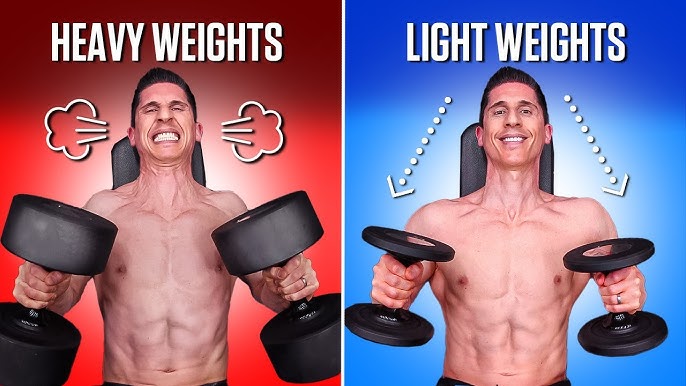
Specialty heavy dumbbells weigh over 100 pounds. These dumbbells are for advanced lifters and athletes. They help build serious strength and muscle. Heavy dumbbells are less common and more expensive. They need proper handling and space to use safely.
Credit: www.youtube.com
Factors Affecting Max Dumbbell Weight
Several factors affect the maximum weight of dumbbells. The materials used, design, and storage options all play a role. Understanding these elements helps you pick the right dumbbells for your workouts. This section breaks down the main factors that set the weight limits.
Material And Construction
Dumbbells come in many materials like cast iron, steel, or plastic. Metal dumbbells usually hold more weight. Plastic ones often have a limit due to durability. The construction also matters. Solid dumbbells can handle more weight than adjustable ones. The way plates attach affects the max weight too.
Handle Design And Grip
The handle size and grip texture influence how heavy dumbbells can get. Thicker handles may be harder to hold at heavier weights. Textured grips help prevent slipping. Ergonomic designs offer better control. A good grip lets you safely lift heavier dumbbells. Poor grip design limits the weight you can use.
Space And Storage Considerations
Storage space affects dumbbell weight choices. Heavier dumbbells take more room and need stronger racks. Adjustable dumbbells save space but may have weight limits. Small home gyms often need compact options. Think about your available space before selecting heavy dumbbells.
Max Weights By Dumbbell Type
Understanding the maximum weight of dumbbells helps in choosing the right type for workouts. Different dumbbells serve various training needs. Knowing their limits supports effective strength building.
Fixed Dumbbells
Fixed dumbbells have a set weight and cannot change. They usually range from 1 to 50 pounds for home use. Some heavy fixed dumbbells can reach 100 pounds or more. They offer durability and ease of use. Great for quick workouts without adjustments.
Adjustable Dumbbells
Adjustable dumbbells allow weight changes by adding or removing plates. They often start at 5 pounds and go up to 50 or 90 pounds. Some models reach 100 pounds for serious lifters. They save space and cost less than many fixed dumbbells. Ideal for varied workouts and progressing strength.
Studio And Commercial Dumbbells
Studio and commercial dumbbells are heavier and built for gyms. Their weights can go up to 150 pounds or more. These dumbbells are made with strong materials for frequent use. They come in fixed or adjustable types. Perfect for advanced training and professional settings.
Choosing The Right Max Weight
Choosing the right max weight for dumbbells is key to safe and effective workouts. The right weight supports progress without causing injury. It depends on your fitness level, goals, and the exercises you perform. Picking a weight that matches your needs helps build strength steadily. Understanding how to adjust weight is part of smart training.
Fitness Level And Goals
Start with weights that match your current fitness level. Beginners should choose lighter dumbbells to learn form. Advanced lifters can use heavier weights to challenge muscles. Your goals matter too. For muscle tone, pick moderate weights with more reps. For strength, use heavier weights with fewer reps.
Exercise Type And Muscle Groups
Different exercises need different dumbbell weights. Small muscles like biceps need lighter weights. Larger muscles like legs can handle heavier dumbbells. Compound exercises often require heavier weights than isolation moves. Choose weights that allow you to complete your sets with good form.
Progressive Overload Strategies
Progressive overload means gradually increasing weight over time. This helps muscles grow stronger and bigger. Add small weight increases regularly to avoid plateaus. Track your progress and adjust weights every few weeks. This steady approach keeps your workouts effective and safe.
Safety Tips For Heavy Dumbbell Use
Handling heavy dumbbells requires care and attention. Safety is key to avoid injuries. Follow these tips to keep your workouts safe and effective. Protect your muscles and joints by practicing good habits.
Proper Lifting Techniques
Keep your back straight and core tight during lifts. Lift with your legs, not your back. Avoid sudden or jerky movements. Control the dumbbells on the way down. Start with lighter weights to build strength. Use a full range of motion for balanced muscle work.
Spotting And Assistance
Have a partner nearby when lifting heavy dumbbells. A spotter can help if you struggle with a lift. Communicate clearly about when you need help. Never lift very heavy dumbbells alone. Assistance reduces the risk of dropping weights. It also helps maintain proper form.
Equipment Inspection And Maintenance
Check dumbbells for damage before every use. Look for loose plates or cracks in the handles. Tighten any loose parts immediately. Replace worn-out grips to avoid slips. Clean dumbbells regularly to keep a good grip. Well-maintained equipment supports safe lifting sessions.
Top Brands Offering Heavy Dumbbells
Heavy dumbbells help build strength and muscle effectively. Many brands offer weights that suit all levels. Choosing the right brand ensures durability and comfort during workouts.
Some brands focus on fixed dumbbells, while others make adjustable ones. There are also companies that create custom or specialty dumbbells for unique needs. Each type has its own benefits.
Popular Fixed Dumbbell Brands
Fixed dumbbells are simple and ready to use. Bowflex offers durable fixed dumbbells with good weight ranges. CAP Barbell is known for affordable and sturdy options. Rogue Fitness produces high-quality fixed dumbbells that last long. These brands provide dumbbells that can go up to 100 pounds or more.
Leading Adjustable Dumbbell Makers
Adjustable dumbbells save space and money. PowerBlock is a top brand with a compact, easy-to-use design. Bowflex also makes adjustable models with smooth weight changes. Yes4All offers budget-friendly adjustable dumbbells with solid construction. Adjustable dumbbells can reach weights up to 90 pounds or beyond.
Custom And Specialty Manufacturers
Some companies make custom dumbbells for special needs. Eleiko is famous for competition-grade dumbbells with precise weights. Ivanko offers custom weights for serious lifters. These brands allow users to select exact weights and materials. Specialty dumbbells can go very heavy, often surpassing 150 pounds.
Alternatives To Heavy Dumbbells
Heavy dumbbells are not the only option for building strength. Several alternatives provide variety and effective workouts. These options suit different fitness levels and goals. They also offer ways to train safely and efficiently.
Barbells And Weight Plates
Barbells allow lifting heavier weights than dumbbells. They offer more balance and control during exercises. Weight plates add adjustable resistance to barbells. This setup helps increase strength steadily. Barbell exercises target multiple muscle groups effectively.
Kettlebells And Sandbags
Kettlebells have a unique shape for dynamic movements. They improve strength, endurance, and coordination. Sandbags offer an unstable load that challenges muscles differently. Both tools add variety to your workouts. They help build functional strength for real-life activities.
Resistance Bands And Machines
Resistance bands provide variable tension throughout exercises. They are portable and gentle on joints. Machines guide your movements and isolate muscles well. Both options suit beginners and those with injuries. They support steady progress without heavy weights.

Credit: repfitness.com
Frequently Asked Questions
How Heavy Do Dumbbells Typically Go?
Dumbbells usually range from 1 to 100 pounds. Some specialty dumbbells can exceed this weight. Most gyms offer up to 50-75 pounds for general use. Adjustable dumbbells provide a wide weight range in one set.
What Is The Maximum Dumbbell Weight For Home Use?
For home workouts, dumbbells up to 50 pounds are common. Adjustable dumbbells are popular for saving space. Heavy lifters might need weights over 75 pounds. Choose based on your strength and workout goals.
Do Dumbbells Get Heavier For Advanced Training?
Yes, advanced training often requires dumbbells heavier than 50 pounds. Professional gyms have sets up to 100 pounds or more. Increasing weight helps build muscle strength and endurance. Always progress gradually to avoid injury.
Are There Dumbbells Heavier Than 100 Pounds?
Yes, some dumbbells are designed to exceed 100 pounds. These are typically found in specialized gyms or for powerlifting. They are less common and more expensive. Heavy dumbbells cater to very experienced lifters.
Conclusion
Dumbbells come in many different weights to suit all users. Beginners often start with lighter weights to build strength safely. Advanced lifters use heavier dumbbells to challenge their muscles more. Always choose a weight that feels comfortable but pushes you a bit.
Remember, using the right dumbbell weight helps improve your fitness steadily. Progress takes time, so be patient and consistent. Keep your form correct to avoid injuries while lifting. This way, you can enjoy safe and effective workouts with dumbbells.