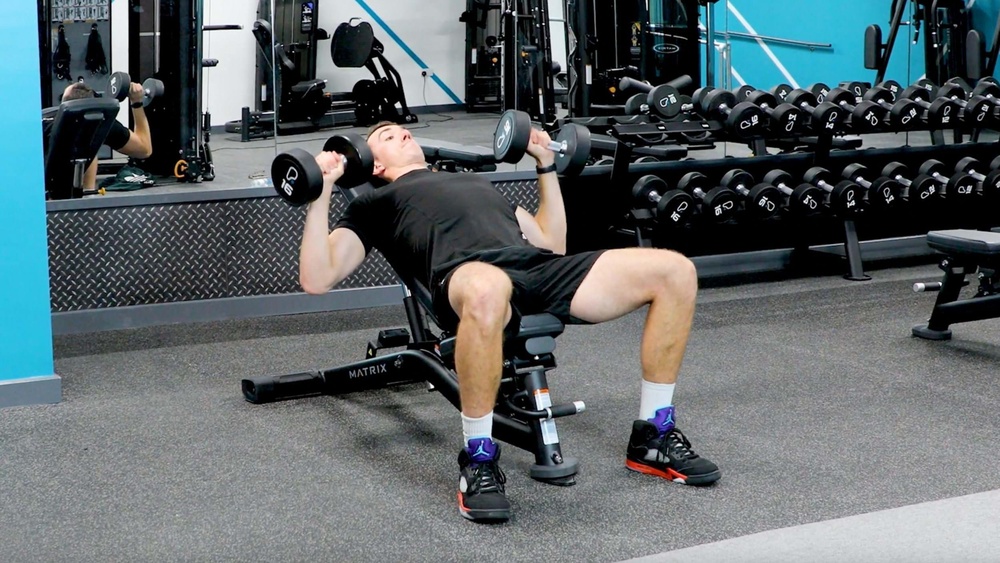
Are you struggling to get the most out of your incline dumbbell press? You might be missing a simple but crucial detail: the right bench angle.
The incline you choose can make a big difference in which muscles you target and how effective your workout is. You’ll discover exactly how steep your bench should be to maximize gains, avoid injury, and feel the burn where it counts.
Keep reading to unlock the secret to a stronger, more sculpted chest.

Credit: www.youtube.com
Choosing The Right Incline Angle
Choosing the right incline angle for the incline dumbbell press affects your workout results. The angle changes which part of your chest works hardest. It also impacts your shoulder comfort. Picking the best angle helps target muscles and avoid injury.
Common Incline Angles Used
The most common angles are 15, 30, and 45 degrees. A 15-degree angle targets the upper chest gently. A 30-degree angle hits the upper chest harder. A 45-degree angle works more on the shoulders than the chest.
Impact On Muscle Activation
Lower angles focus more on the upper chest muscles. Higher angles shift the work to the front shoulders. Choosing the right angle balances chest and shoulder use. This helps build muscle evenly and prevents strain.
Finding Your Ideal Angle
Try different angles with light weights first. Notice which angle feels strongest and most comfortable. Adjust the angle to avoid pain in shoulders. Your ideal angle may be between 15 and 30 degrees. It depends on your body and goals.
Credit: www.reddit.com
Benefits Of Different Angles
Adjusting the incline angle during the dumbbell press changes which muscles work the most. Different angles target different parts of the chest and shoulders. This variety helps build strength evenly and prevents muscle imbalance.
Choosing the right incline angle can improve workout results. It also reduces the risk of injury by focusing on proper muscle groups. Understanding these benefits helps you plan your chest training better.
Low Incline For Upper Chest Focus
A low incline angle usually ranges from 15 to 30 degrees. This angle targets the upper chest more than a flat bench. It helps shape and lift the upper chest for a fuller look.
Low incline also reduces stress on the shoulders. This makes it good for beginners and those with shoulder issues. It allows lifting heavier weights with less risk.
Moderate Incline For Balanced Development
Moderate incline is around 30 to 45 degrees. It works both the upper chest and front shoulders. This angle offers a balanced chest development.
This incline helps build strength and size evenly. It is a popular choice for many fitness routines. Moderate incline improves muscle coordination and stability.
High Incline And Shoulder Involvement
High incline angles go from 45 to 60 degrees. This position shifts more work to the shoulders. The upper chest still works, but less than at low angles.
High incline is useful for targeting shoulder muscles. It builds shoulder strength and endurance. This angle is often used to enhance shoulder shape.
How To Adjust The Bench Safely
Adjusting the bench safely is key for an effective incline dumbbell press. The right angle helps target your upper chest well. It also reduces the risk of injury. Safe adjustments keep your workout smooth and strong. Follow simple steps to set the bench correctly before lifting.
Bench Adjustment Tips
Set the bench angle between 30 to 45 degrees. Avoid going past 45 degrees to keep focus on the chest. Use the bench’s locking mechanism to secure the angle firmly. Check the bench is stable before starting your set. Make small angle changes to find what feels best for you.
Maintaining Proper Form
Keep your feet flat on the floor for balance. Your back should touch the bench fully. Hold the dumbbells evenly in both hands. Press the weights up in a controlled way. Avoid arching your back or lifting your hips off the bench. Keep your neck relaxed and head resting on the bench.
Avoiding Common Mistakes
Do not use too steep an incline; it shifts work to shoulders. Avoid locking your elbows at the top of the press. Don’t let the dumbbells drop quickly; control the movement down. Avoid uneven angles that cause strain or discomfort. Skip setting the bench securely; it can lead to accidents.
Incorporating Incline Dumbbell Press In Workouts
Incorporating the incline dumbbell press into your workout routine can boost your upper chest strength and muscle shape. It targets different muscle fibers than flat presses, giving your chest a fuller look. This exercise fits well in many training plans, from strength building to muscle toning.
Using the right incline angle is key for best results. Around 30 to 45 degrees works well for most people. This angle helps focus on the upper chest without stressing the shoulders too much. Adjust the bench angle slightly to find what feels best for your body.
Warm-up Strategies
Start with light weights or just the dumbbells to warm your muscles. Do 1 to 2 sets of 10 to 15 reps to prepare your chest and shoulders. Gentle stretching and shoulder rotations help reduce injury risk. Warming up improves blood flow and makes lifting safer.
Pairing With Other Exercises
Combine incline dumbbell press with flat bench presses for full chest development. Add push-ups or cable flyes to target different muscle angles. Include back exercises to balance your upper body strength. Mix compound and isolation moves for better muscle growth.
Frequency And Volume Recommendations
Perform incline dumbbell press 2 to 3 times per week for steady progress. Use 3 to 4 sets of 8 to 12 reps for muscle growth. Rest 48 hours between sessions to allow recovery. Adjust weight to maintain good form and avoid strain.
Signs Your Angle Needs Adjustment
Choosing the right incline angle for the dumbbell press is important. The correct angle helps target the upper chest muscles well. The wrong angle can cause problems during workouts. Some signs show that your angle needs adjustment. Watch out for these signals to avoid injury and get better results.
Muscle Discomfort And Pain
Feeling pain during or after your incline dumbbell press is a warning. Sharp or unusual pain in your shoulders or chest means the angle might be wrong. Discomfort can come from too steep or too flat an incline. Adjust the bench angle to reduce strain and avoid injury.
Lack Of Progress
Stuck at the same weight or reps? The wrong incline angle might be the cause. Not hitting the upper chest muscles correctly limits muscle growth. Try changing the angle to find the best position. This helps you build strength and see steady progress over time.
Imbalance In Muscle Development
Notice uneven muscles between your upper and lower chest? The incline angle could be off. An improper angle shifts work away from the upper chest. This causes some muscles to grow more than others. Fix your bench angle to balance muscle development and improve your physique.

Credit: www.g4physio.co.uk
Frequently Asked Questions
What Is The Ideal Incline Angle For Dumbbell Press?
The ideal incline angle for the dumbbell press is between 30 to 45 degrees. This range targets the upper chest effectively while minimizing shoulder strain. Angles higher than 45 degrees shift focus to shoulders more than chest.
How Does Incline Angle Affect Muscle Activation?
A lower incline angle emphasizes the upper chest muscles. Increasing the angle shifts activation towards the shoulders. Proper incline selection ensures balanced chest and shoulder engagement for optimal muscle growth.
Can Too Steep An Incline Cause Injury?
Yes, a steep incline over 45 degrees can strain shoulder joints. This increases injury risk and reduces chest muscle activation. Maintaining a moderate incline protects your shoulders while maximizing chest workout benefits.
Should Beginners Use A Lower Incline Angle?
Beginners should start with a 30-degree incline. This angle is safer and easier to control. It helps build strength gradually without overloading the shoulders or upper chest muscles.
Conclusion
Choosing the right incline angle helps target your upper chest better. A 30 to 45-degree incline works well for most people. Too steep can shift focus to shoulders, reducing chest gains. Keep your form steady and controlled during each rep.
Adjust the angle based on your comfort and goals. Small changes can make a big difference in results. Remember, consistency matters more than perfect angle every time. Try different inclines and see what feels best for you. Enjoy your workout and keep pushing forward.


