If you want to build a stronger chest and upper body without leaving your home, learning how to bench press with dumbbells is one of the best moves you can master. Using dumbbells not only helps you gain muscle but also improves your balance and coordination.
Whether you’re a beginner or looking to switch up your routine, this guide will show you simple steps to do the bench press safely and effectively at home. Keep reading to discover how you can get the most out of this powerful exercise and see real results faster than you think.
Benefits Of Dumbbell Bench Press
The dumbbell bench press offers many benefits for home workouts. It targets your chest, shoulders, and triceps effectively. Using dumbbells helps improve strength and muscle shape. This exercise also supports better body control and coordination.
Many people prefer dumbbells over barbells for safety and comfort. Dumbbells allow more natural arm movement. This reduces stress on joints and lowers injury risk. Here are some key benefits of the dumbbell bench press.
Improved Muscle Balance
Dumbbells force each side of your body to work independently. This helps fix muscle imbalances. Both arms push the same weight, so one side does not take over. Balanced muscles improve strength and reduce injury risk in daily activities.
Greater Range Of Motion
Dumbbells let your arms move freely during the press. This increases the range of motion compared to barbells. Greater movement activates more muscle fibers. It also helps build a fuller, stronger chest and shoulder area.
Home Workout Convenience
Dumbbells are easy to store and use at home. They require less space than a barbell and bench setup. You can quickly switch weights or adjust reps. This makes dumbbell bench press perfect for home fitness routines.
Essential Equipment
Starting a dumbbell bench press workout at home needs the right tools. These tools help you exercise safely and effectively. Choosing proper equipment can improve your results and protect your body.
Focus on three main items: dumbbells, a bench or its alternatives, and safety gear. Each plays a key role in your workout routine.
Choosing The Right Dumbbells
Select dumbbells that match your strength level. Adjustable dumbbells save space and money. They allow you to change weight as you grow stronger. Fixed-weight dumbbells are simple and ready to use. Choose a pair that feels comfortable in your hands. Check for a good grip to avoid slipping during lifts.
Selecting A Bench Or Alternatives
A sturdy bench supports your back and helps you maintain form. A flat bench is best for beginners. If you lack space, use a strong, flat surface like a low table. Make sure it can hold your weight plus the dumbbells. Avoid soft or unstable surfaces to prevent injuries.
Safety Accessories
Safety items protect you during your workout. Use wrist wraps to support your wrists. A workout mat cushions your body and prevents slipping. Keep a towel nearby to wipe sweat and maintain grip. Consider having a spotter if you lift heavy weights. Safety gear helps reduce the risk of accidents.
Proper Setup And Positioning
Setting up correctly before starting your dumbbell bench press is key. Proper positioning helps protect your body and improves your strength. It makes the exercise safer and more effective. Focus on three main areas: body alignment, hand and arm placement, and foot positioning. Each plays an important role in your performance and comfort.
Body Alignment
Lie flat on a bench or a firm surface. Keep your back straight and press your lower back slightly into the bench. Your shoulders should stay firmly on the bench to avoid strain. Keep your head resting naturally. Align your neck with your spine to prevent discomfort. Good alignment helps you lift more weight safely.
Hand And Arm Placement
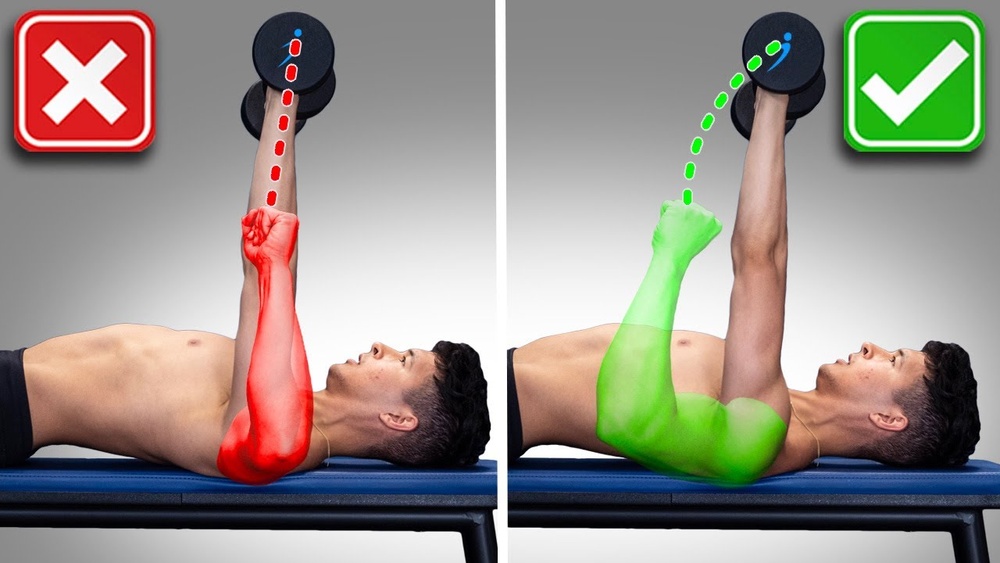
Hold the dumbbells with a firm but relaxed grip. Your palms should face forward or slightly inward. Start with the dumbbells at chest level. Keep your elbows at about a 45-degree angle from your body. Avoid flaring your elbows out too wide. Proper arm placement reduces shoulder stress and targets your chest muscles better.
Foot Positioning
Plant your feet flat on the floor. Keep them about shoulder-width apart for balance. Your feet should stay firmly grounded during the lift. Avoid lifting your heels or toes. Strong foot placement supports your entire body. It helps maintain stability and control throughout the movement.

Credit: www.youtube.com
Step-by-step Dumbbell Bench Press
The dumbbell bench press is a simple exercise to build chest and arm strength. It works your muscles evenly and helps improve balance. Doing it at home requires only a pair of dumbbells and a bench or sturdy surface. Follow these steps carefully for safe and effective training.
Starting Position
Lie flat on the bench with your feet firmly on the floor. Hold a dumbbell in each hand, palms facing forward. Raise the dumbbells above your chest, arms fully extended but elbows not locked. Keep your back pressed against the bench and your head resting comfortably.
Lowering The Dumbbells
Slowly bend your elbows and lower the dumbbells toward your chest. Stop when the dumbbells are near your chest level, keeping your wrists straight. Control the movement to avoid dropping the weights too fast. Keep your elbows at about a 45-degree angle to your body.
Pressing Up
Push the dumbbells upward by straightening your arms. Move smoothly and avoid locking your elbows at the top. Focus on squeezing your chest muscles during the press. Repeat the motion for the desired number of reps, maintaining steady control throughout.
Breathing Technique
Inhale deeply while lowering the dumbbells to your chest. Exhale forcefully as you press the weights upward. Proper breathing helps maintain strength and stability. It also supports muscle endurance during the exercise.
Common Mistakes To Avoid
Doing the dumbbell bench press at home can be very effective. Avoiding common mistakes helps you stay safe and get better results. These errors can cause injury or slow your progress. Pay close attention to your form and movement. Here are some common mistakes you should avoid.
Arching The Back Excessively
Some people lift their chest by arching their back too much. This puts strain on your spine and reduces exercise benefits. Keep your back flat against the bench or floor. A slight natural curve is fine. Focus on strong core muscles to support your body.
Uneven Dumbbell Movement
Moving dumbbells unevenly is a frequent error. One arm may push harder or faster than the other. This creates muscle imbalances and can cause injury. Move both dumbbells at the same speed and height. Control the weights carefully during the entire set.
Locking Elbows
Locking your elbows at the top of each rep is bad. It places too much stress on your joints. Keep a slight bend in your elbows throughout the exercise. This protects your joints and keeps your muscles engaged. Controlled movement improves strength and safety.
Variations To Target Different Muscles
Changing the angle of your bench press with dumbbells shifts the focus to different muscles. This helps build a balanced chest and stronger arms. Try these variations to work various parts of your upper body effectively.
Incline Dumbbell Press
Set your bench at a 30 to 45-degree angle. Press the dumbbells upward while lying on this incline. This targets the upper chest and front shoulders. It also helps improve shoulder stability and strength.
Decline Dumbbell Press
Adjust your bench to a decline, around 15 to 30 degrees. Press the dumbbells away from your chest in this position. This variation works the lower chest muscles more. It also reduces stress on your shoulders.
Neutral Grip Press
Hold the dumbbells with your palms facing each other. Press upward while keeping this grip. It focuses on the triceps and inner chest. This grip is easier on the wrist and shoulder joints.
Incorporating Dumbbell Bench Press Into Your Routine
Incorporating the dumbbell bench press into your workout helps build strength at home. It targets chest muscles and improves arm and shoulder power. Using dumbbells adds balance work and activates more muscles than a barbell. Regular practice makes your pressing motion smoother and more controlled.
This exercise fits well in many routines, whether beginner or advanced. It allows you to work each side of your body separately. This reduces muscle imbalances and promotes even growth. Dumbbells also provide a greater range of motion, helping muscle flexibility.
Reps And Sets Recommendations
Start with 3 sets of 8 to 12 reps for muscle growth. Use a weight that feels challenging but safe. Rest for 60 to 90 seconds between sets. For muscle endurance, try 12 to 15 reps with lighter weights. Strength gains come from 4 to 6 reps with heavier dumbbells. Adjust your reps based on your fitness goal.
Combining With Other Exercises
Pair dumbbell bench press with push-ups to work chest and triceps. Add dumbbell rows to balance pushing with pulling muscles. Include shoulder presses for upper body strength. Finish with planks to engage your core. This combination improves overall upper body power and stability.
Progression Tips
Increase dumbbell weight gradually as strength improves. Add more sets or reps over time for growth. Slow down the lowering phase for better muscle control. Use a pause at the bottom before pressing up. These changes boost muscle tension and promote progress.

Credit: www.liftingitalia.com
Safety Tips For Home Workouts
Working out at home with dumbbells is convenient and effective. Safety should be your top priority. Without a gym trainer or spotter nearby, you need extra care. Simple safety steps help avoid injuries and make your workout better. Follow these key tips to stay safe while bench pressing with dumbbells at home.
Warm-up Importance
Warming up prepares your muscles for exercise. It increases blood flow and reduces injury risk. Spend 5 to 10 minutes doing light cardio or dynamic stretches. Focus on your chest, shoulders, and arms. A good warm-up makes lifting dumbbells easier and safer.
Spotter Alternatives
Bench pressing without a spotter can be risky. Use lighter weights to stay in control. Set up near a sturdy surface to drop dumbbells safely if needed. Consider using dumbbells with grips that prevent slipping. You can also record yourself or use mirrors to check form.
Listening To Your Body
Pay close attention to how your body feels during exercises. Stop immediately if you feel pain or discomfort. Muscle fatigue is normal, but sharp pain is not. Rest between sets and avoid pushing too hard. Proper recovery keeps your muscles healthy and strong.

Credit: flybirdfitness.com
Frequently Asked Questions
What Muscles Does Dumbbell Bench Press Target?
The dumbbell bench press mainly targets the chest muscles. It also works the shoulders and triceps. Using dumbbells engages stabilizer muscles more than a barbell. This improves muscle balance and coordination.
How To Maintain Proper Form During Dumbbell Bench Press?
Keep your feet flat on the floor and back pressed against the bench. Lower dumbbells slowly to chest level. Avoid locking elbows at the top. Maintain a controlled, steady motion throughout the exercise to prevent injury.
Can I Build Muscle Effectively With Dumbbells At Home?
Yes, dumbbells provide effective resistance for muscle growth. They allow a full range of motion and muscle activation. Vary weights and reps to challenge muscles. Consistency and proper form are key for muscle gains at home.
How Many Sets And Reps For Dumbbell Bench Press?
For muscle growth, aim for 3 to 4 sets of 8 to 12 reps. For endurance, do 2 to 3 sets of 12 to 15 reps. Adjust weights so the last reps are challenging but doable with good form.
Conclusion
Dumbbell bench pressing at home builds strength and muscle well. It needs little space and simple tools. Start with light weights to learn form. Keep your movements slow and steady. Focus on breathing and control. Regular practice improves your chest and arms.
Stay safe by warming up first. Track your progress to stay motivated. This exercise fits any home routine easily. Enjoy the benefits without gym visits. Try it today and feel stronger tomorrow.


