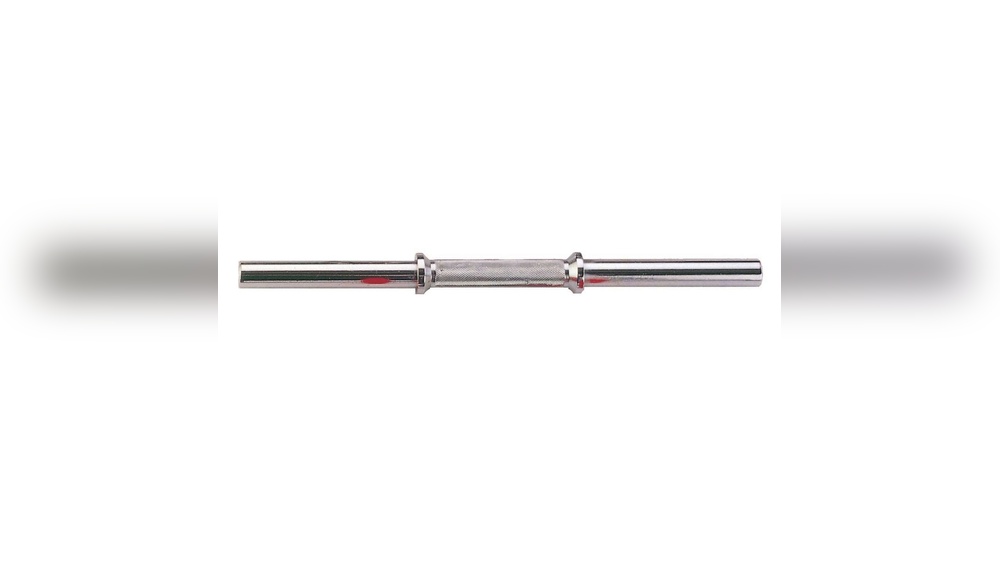
Have you ever picked up a dumbbell and wondered how long its handle should be? Knowing the right length of dumbbell handles can make a big difference in your workout comfort and effectiveness.
Whether you’re lifting weights at home or in the gym, understanding this simple detail can help you avoid injury and improve your grip. You’ll discover exactly how long dumbbell handles are, why it matters for your training, and how to choose the best one for your needs.
Keep reading to make every rep count!
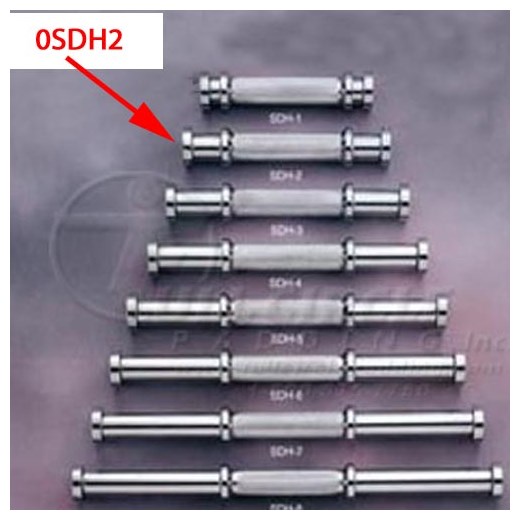
Credit: www.fullcirclepadding.com
Dumbbell Handle Basics
Dumbbell handles are the part you hold during workouts. Their size and feel affect your grip and comfort. Knowing the basics helps you choose the right dumbbell. This section explains common lengths, materials, and grip diameter.
Common Lengths
Dumbbell handles usually range from 5 to 7 inches long. Standard handles measure about 5 inches. Olympic handles are longer, around 7 inches. Longer handles allow more weight plates to fit. Shorter handles suit lighter, fixed weights. The length affects how you hold and balance the dumbbell.
Material Types
Most dumbbell handles are made from steel or iron. Steel is strong and lasts long. Some handles have chrome plating to prevent rust. Others use rubber coatings for better grip. Plastic handles appear on lighter weights but wear out faster. Material impacts grip feel and durability.
Grip Diameter
Grip diameter is the thickness of the handle you hold. Common sizes range from 1 to 1.5 inches. Thicker grips challenge your hand strength more. Thinner grips allow easier control for small hands. Choose a diameter that fits comfortably in your hand. Good grip reduces slipping and injury risk.

Credit: barbellstandard.com
Impact Of Handle Length On Workouts
The length of dumbbell handles plays a key role in how workouts feel and perform. It affects grip comfort, exercise range, and the types of moves you can do. Choosing the right handle length can make your training safer and more effective.
Comfort And Control
Longer handles give more space for your hands. This helps if you have big hands or wear gloves. A good grip reduces slipping and strain on your wrists. Shorter handles can feel tight and limit how you hold the dumbbell. Comfort in grip helps you focus on the exercise, not adjusting your hands.
Range Of Motion
Handle length affects how far you can move. Longer handles allow a wider grip, changing how muscles work during lifts. This can increase the stretch and contraction of muscles. Short handles keep your hands closer, which may limit some movements. More range means better muscle activation and workout variety.
Exercise Variations
Different exercises need different handle lengths. Curling or pressing usually works well with shorter handles for control. Moves like dumbbell rows or flyes benefit from longer handles for better grip and balance. Handle length can help you switch between exercises smoothly and safely.
Choosing The Right Handle Length
Choosing the right dumbbell handle length is important for a safe and effective workout. The handle should fit your hand well and suit your exercise style. It affects comfort, grip, and overall performance.
Hand Size Considerations
Your hand size matters a lot in picking a dumbbell handle. Smaller hands need shorter handles to hold the dumbbell firmly. Larger hands may prefer longer handles for better grip. A proper fit prevents slipping and reduces hand strain.
Workout Goals
Think about your workout goals before choosing handle length. For strength training, longer handles provide better control for heavy weights. For quick moves or high reps, shorter handles offer more comfort and ease. The handle length should match your training style.
Weight Plate Compatibility
Check if the handle length fits the weight plates you use. Some plates need longer handles to fit properly. Too short handles may block plates or cause imbalance. Make sure the handle length works with your available weights for smooth workouts.
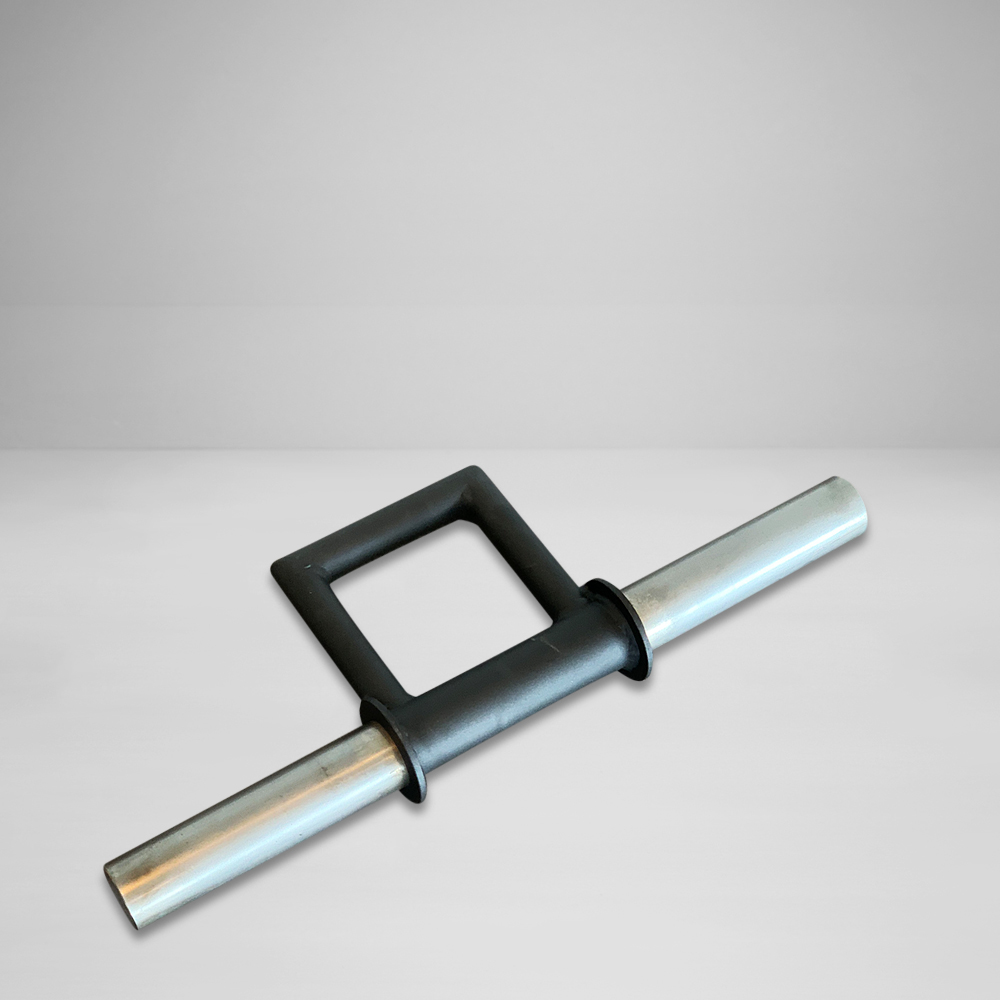
Credit: watsongym.co.uk
Grip Styles And Handle Design
Grip styles and handle design play a big role in dumbbell comfort and performance. The right handle helps you hold weights better. It reduces hand slipping and improves workout safety. Different handles suit different exercises and hand sizes. Understanding these styles helps you pick the best dumbbell.
Knurled Vs Smooth Handles
Knurled handles have a rough pattern. This texture gives a firm grip. It stops your hands from slipping during lifts. Smooth handles feel softer on skin. They may be easier for short workouts. Knurled is best for heavy or sweaty sessions. Smooth works well for light or casual use.
Ergonomic Shapes
Ergonomic dumbbell handles match your hand shape. They reduce pressure points and hand fatigue. Some have thicker grips for comfort. Others curve to fit fingers better. These designs help with long training sessions. They make lifting less tiring and more natural.
Spin Lock Features
Spin lock handles let you adjust weight plates easily. They have collars that twist to secure plates. This design keeps weights stable during exercise. Spin locks save space by using one handle for many weights. They are popular for home gyms and beginners.
Maintaining Your Dumbbell Handles
Maintaining your dumbbell handles keeps them safe and lasts longer. Proper care helps avoid damage and keeps your workouts smooth. Simple habits protect your investment and improve your exercise experience.
Cleaning Tips
Wipe dumbbell handles after each use. Use a soft cloth with mild soap and water. Avoid harsh chemicals that can damage the metal or grip. Dry handles thoroughly to stop rust or corrosion. Clean regularly to remove sweat and dirt buildup.
Preventing Wear And Tear
Store dumbbells in a dry place. Avoid dropping them on hard surfaces. Use a protective mat under your weights. Check handles for loose parts before each workout. Tighten any screws or collars to keep the handle secure.
When To Replace Handles
Replace handles if you see cracks or bends. Handle grips that wear thin or peel need changing. Loose or damaged handles can cause injury. Replace if weights do not fit properly anymore. Safety should always come first with your equipment.
Frequently Asked Questions
How Long Are Standard Dumbbell Handles?
Standard dumbbell handles typically measure between 5 and 7 inches. This length accommodates most hand sizes comfortably. It also provides enough space to grip securely during workouts. Variations may exist depending on dumbbell type and brand.
Do Dumbbell Handle Lengths Affect Workout Comfort?
Yes, handle length impacts comfort and grip stability. Longer handles suit larger hands, preventing slippage. Shorter handles offer better control for smaller hands. Choosing the right length reduces hand fatigue and improves exercise performance.
Are Adjustable Dumbbell Handles Different In Length?
Adjustable dumbbell handles are usually around 5 to 6 inches long. They need enough length to hold weight plates securely. This length also ensures a comfortable grip during exercises. Adjustable handles balance versatility with ergonomic design.
Can Dumbbell Handle Length Impact Exercise Variety?
Dumbbell handle length can influence exercise options. Longer handles allow two-handed grips for certain moves. Shorter handles may restrict some exercises but improve control. Select handles based on your workout routine and hand size.
Conclusion
Dumbbell handles usually range from 5 to 7 inches long. This length fits most hand sizes comfortably. It allows a good grip during workouts. Some handles may be longer for special exercises. Choosing the right handle helps improve your lifting form.
It also reduces hand fatigue and injury risk. Remember, handle length matters as much as weight. Always pick dumbbells that feel right in your hands. Your workout will feel better and safer this way. Keep these points in mind when buying dumbbells.