Are you wondering how long your bike lock should be to keep your ride safe? Choosing the right length isn’t just about convenience—it’s about protecting your bike from theft.
Too short, and you might struggle to secure it properly. Too long, and you could be carrying extra weight for no reason. You’ll discover exactly what length works best for your bike and your daily needs. Keep reading to find the perfect balance between security and ease, so you never have to worry about leaving your bike unattended again.
Credit: www.cyclesuk.com
Choosing The Right Length
Choosing the right length for a bike lock is important for security and convenience. A lock that is too short may not fit around your bike and a sturdy object. Too long can be heavy and hard to carry. Finding the right size helps protect your bike and makes locking it easier.
Common Bike Lock Sizes
Bike locks come in many sizes. Most cable locks range from 3 to 6 feet long. Chain locks may be between 2 and 6 feet. U-locks usually have a fixed size, often around 4 to 6 inches wide. Choosing the size depends on how and where you plan to lock your bike.
Factors Influencing Lock Length
The place you lock your bike affects the lock length you need. Larger objects like poles or fences require longer locks. Smaller racks need shorter locks. Your bike size also matters. Bigger bikes may need longer locks to fit around the frame and wheels.
Portability plays a role too. Longer locks can be heavier and bulkier to carry. Shorter locks are easier to carry but may limit where you lock your bike. Balance between security and convenience is key when choosing lock length.
Credit: www.statebicycle.com
Types Of Bike Locks
Choosing the right bike lock is important for keeping your bike safe. Different types of locks offer different levels of security and convenience. Knowing the main types helps you pick the best one for your needs.
U-locks
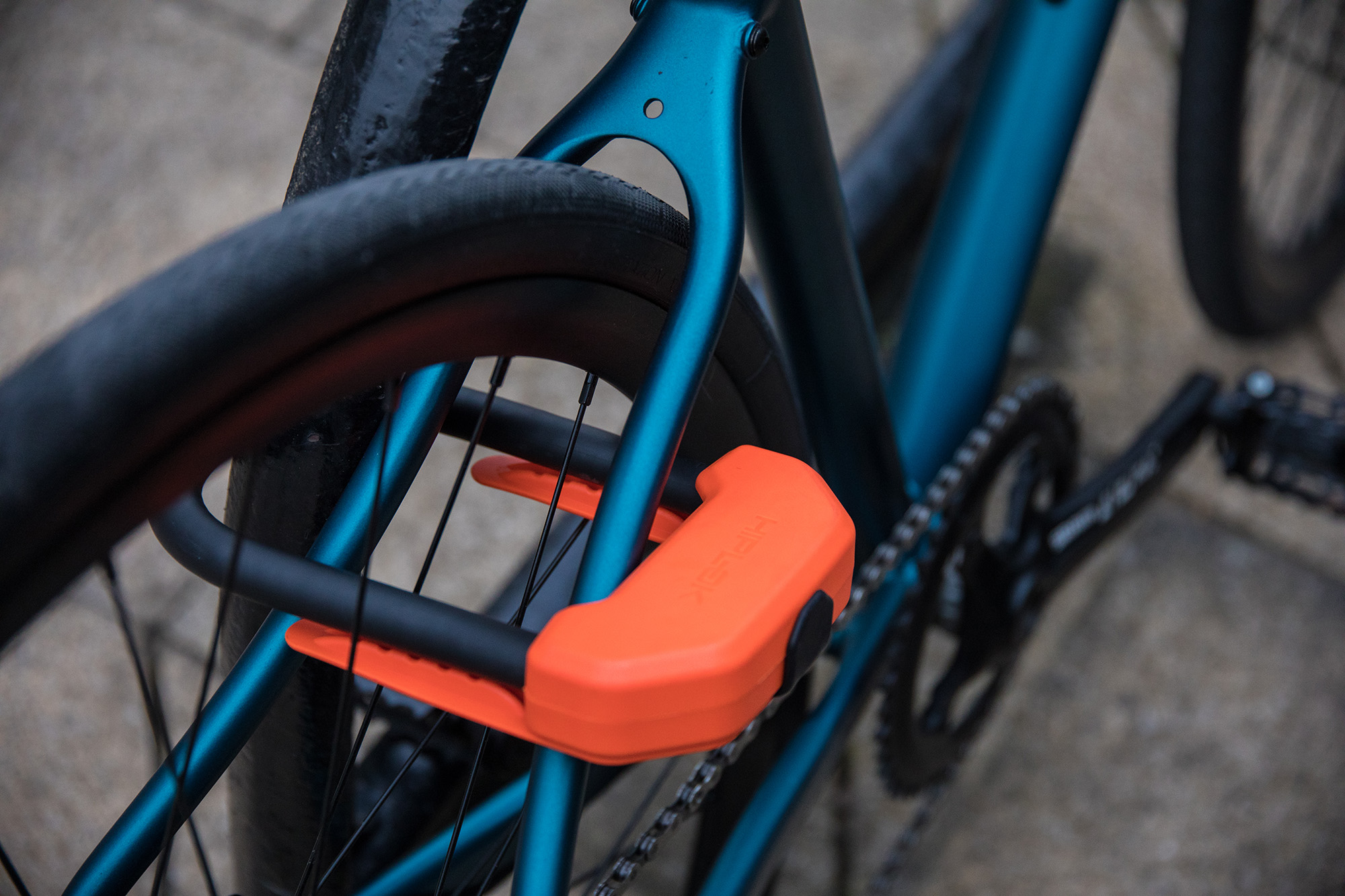
U-locks are shaped like the letter “U.” They are strong and hard to cut. These locks hold your bike frame and a solid object tightly. They are small and easy to carry. U-locks offer good protection in busy places.
Chain Locks
Chain locks have thick metal links. They are heavy but very strong. You can wrap them around big objects. Chains are flexible and fit many locking spots. Choose a chain lock with a good quality padlock for better safety.
Cable Locks
Cable locks are made of steel wire covered with plastic. They are lightweight and easy to carry. Cable locks stretch and fit many places. They are less secure than U-locks and chains. Use cable locks for short stops or low-risk areas.
Folding Locks
Folding locks have metal plates connected by rivets. They fold into a small shape for easy carrying. Folding locks are stronger than cables but lighter than chains. They work well in tight spaces and provide moderate security.
Matching Lock Length To Your Bike
Choosing the right length of a bike lock is key to keeping your bike safe. The lock should fit your bike’s size and shape well. Too short means you can’t lock everything you want. Too long can be heavy and hard to carry. Matching lock length to your bike helps you secure it better.
Locking Frame And Wheels
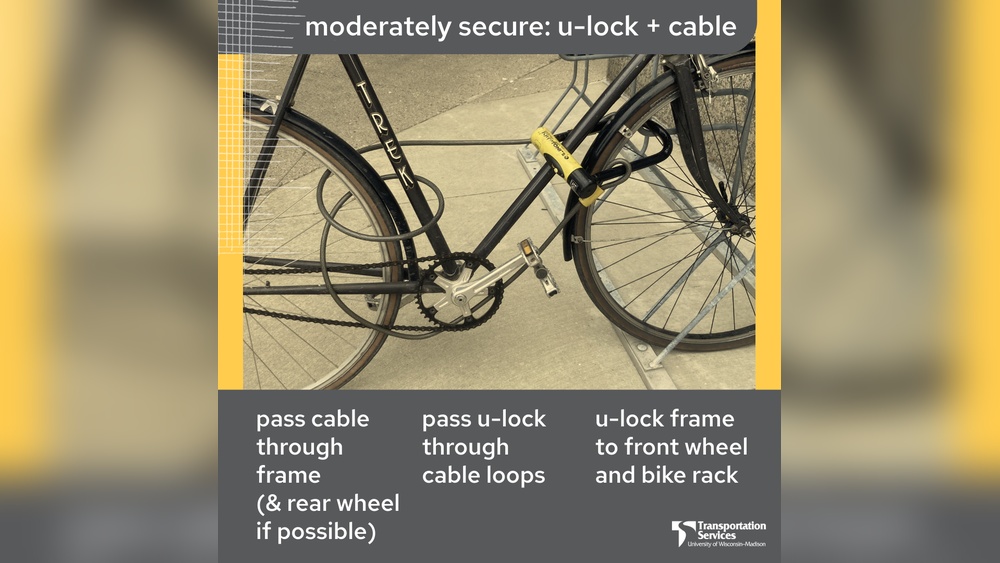
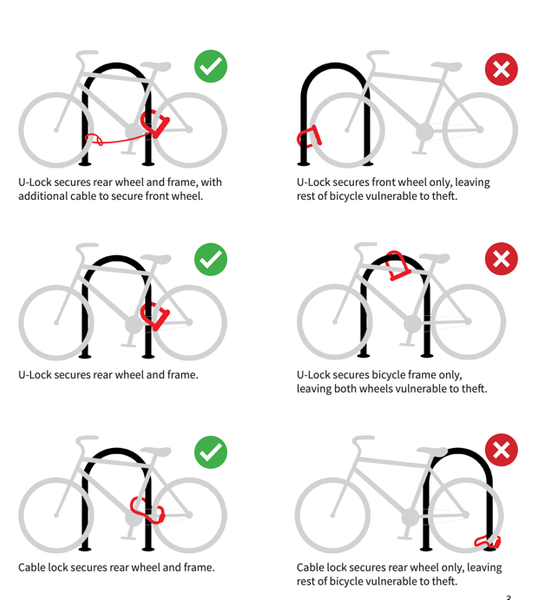
The lock must fit around the frame and at least one wheel. The frame is the strongest part to lock. Including a wheel stops thieves from stealing parts. The lock should be long enough to wrap both. A short lock might only fit the frame, missing the wheels.
Securing To Different Objects
Bikes need to be locked to solid objects like poles or racks. These objects can be different shapes and sizes. The lock should be long enough to go around them. A longer lock works better for big or awkward objects. It gives more options for safe parking spots.

Credit: thebestbikelock.com
Balancing Security And Portability
Choosing the right bike lock means finding a good balance between security and portability. A lock must be strong enough to protect your bike from theft. At the same time, it should be easy to carry on your rides. Too heavy or bulky, and it becomes a hassle. Too light or short, and it might not secure your bike well. This balance depends on your daily needs and riding habits.
Weight Considerations
The weight of a bike lock affects how comfortable it feels while riding. Heavier locks often offer more security but can tire you out. Lighter locks are easier to carry but might be less strong. Think about how far you ride and how often you stop. Choose a lock that won’t slow you down or feel like a burden on your bike.
Ease Of Carrying
Carrying a lock should not be difficult or awkward. Some locks come with mounts to attach to your bike frame. Others fit easily in a backpack or bike bag. Look for a lock that fits your style of riding and storage options. Easy-to-carry locks encourage you to always bring protection with you. This simple habit helps keep your bike safe wherever you go.
Tips For Optimal Lock Usage
Using the right bike lock length is only part of protecting your bike. How you use the lock matters a lot too. Proper lock use can stop thieves and keep your bike safe. Follow these tips to get the most from your lock and avoid easy mistakes.
Lock Placement Strategies
Place your lock through the bike frame and a fixed object. The object should be sturdy and cannot be moved. Lock the frame and one wheel together. This stops thieves from taking parts. Avoid locking only the wheel or the seat. Use a lock that fits well around the frame and object. A too-long lock can be easy to cut. A too-short lock might not fit securely.
Avoiding Common Mistakes
Do not lock your bike in isolated or dark areas. Thieves target places with little attention. Avoid loose locks that allow movement. Tight locks are harder to break. Don’t lock your bike to objects that can be lifted or cut. Avoid cheap locks that can break quickly. Check your lock regularly for damage. Replace it if it shows signs of wear. These steps reduce the chance of theft significantly.
Additional Security Measures
Using just one bike lock may not be enough for full protection. Thieves often look for easy targets. Adding extra security steps helps keep your bike safer. These measures reduce the risk of theft and give you more peace of mind.
Using Multiple Locks
Using more than one lock makes stealing harder. Each lock adds a new barrier. Try using a U-lock with a cable lock. Lock the frame with one and the wheels with another. This method slows down thieves and may stop them completely.
Bike Registration And Tracking
Register your bike with local or national databases. This helps police find your bike if it is stolen. Some services offer GPS trackers. These small devices help you locate your bike quickly. Registration and tracking increase chances of recovery.
Frequently Asked Questions
How Do I Measure The Right Bike Lock Length?
Measure the frame and the object you’ll lock your bike to. Add a few extra inches for flexibility. This ensures the lock fits securely without being too tight or too loose.
What Lock Length Suits Different Bike Types?
Longer locks work well for mountain bikes and larger frames. Shorter locks suit road bikes or small frames. Choose based on your bike’s size and the locking location.
Can A Longer Lock Reduce Bike Theft Risk?
Yes, longer locks allow locking both frame and wheels to fixed objects. This makes theft more difficult. Always use a strong lock with adequate length for better security.
Is A Longer Lock Harder To Carry Daily?
Longer locks can be bulkier but offer more security. Consider foldable or lightweight designs for easier transport. Balance lock length with portability for daily use.
Conclusion
Choosing the right bike lock length matters for safety and convenience. A lock that is too short may not secure your bike properly. Too long, and it becomes heavy and hard to carry. Measure your bike frame and the object you will lock it to.
Balance between security and ease of use. A good lock fits your bike well and protects against theft. Keep your bike safe with the right lock size. Simple steps lead to better bike security.

