Are you wondering how many reps you should do for the dumbbell bench press to get the best results? Whether your goal is building muscle, gaining strength, or just toning your chest, the number of reps you choose can make all the difference.
Getting this right means you won’t waste time or effort at the gym. You’ll discover the ideal rep ranges tailored to your goals, so you can train smarter and see real progress faster. Keep reading to unlock the secret to maximizing your dumbbell bench press workouts!

Credit: www.muscleandstrength.com
Rep Ranges And Muscle Growth
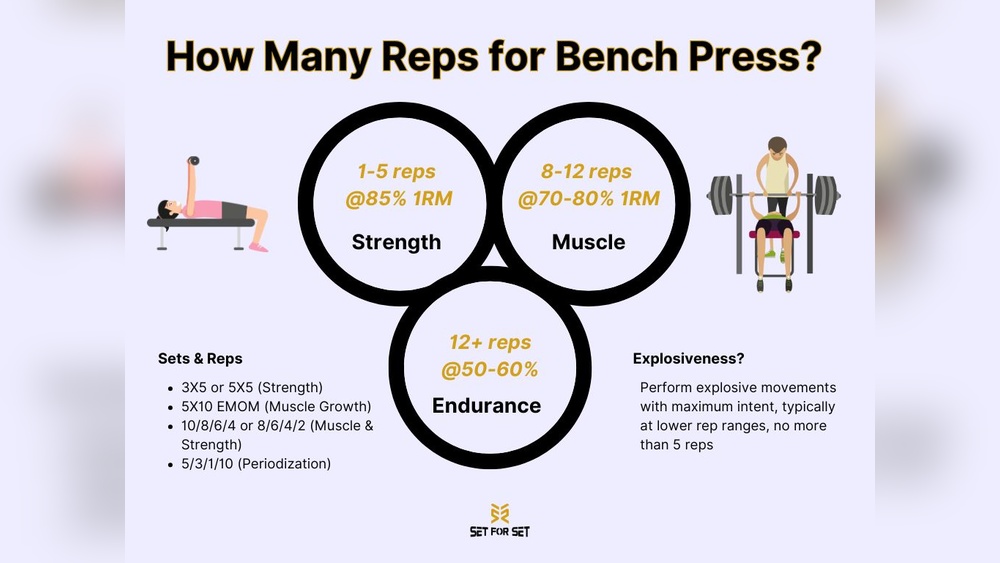
Rep ranges play a key role in muscle growth during dumbbell bench press workouts. Different rep counts target different fitness goals. Choosing the right range helps build strength, size, or endurance effectively.
Understanding how reps affect muscle development can improve your training results. This section explains the effects of low, moderate, and high rep ranges.
Low Reps For Strength
Performing low reps means lifting heavy weights for fewer repetitions. Usually, this means 1 to 5 reps per set. Low reps build maximum strength by training your muscles to handle heavy loads. This range focuses on improving neural efficiency and muscle power. Rest between sets is usually longer to allow full recovery. Low reps help increase your dumbbell bench press max over time.
Moderate Reps For Hypertrophy
Moderate rep ranges typically include 6 to 12 reps per set. This range is ideal for muscle growth, also called hypertrophy. Moderate reps create muscle tension and fatigue, which stimulate muscle fibers to grow. The weights should be challenging but manageable to complete the set. Rest periods are shorter compared to low reps, around 30 to 90 seconds. Most bodybuilders and fitness enthusiasts use this range for size and shape.
High Reps For Endurance
High reps involve doing more than 12 repetitions per set. This range improves muscle endurance and stamina. High reps use lighter weights but focus on longer muscle activation. This helps muscles resist fatigue during extended activities. Rest times between sets are shorter to keep heart rate up. High reps are great for toning muscles and improving overall fitness.
Credit: fitnessvolt.com
Choosing The Right Weight
Choosing the right weight for the dumbbell bench press is key to building strength safely. The weight must challenge your muscles but not hurt your form. Picking too heavy can cause injury or poor technique. Too light, and you may not see progress. Balance is essential to get the best results from your workout.
Balancing Load And Form
Use a weight that lets you complete your reps with control. Your form should stay strong throughout each set. Stop increasing weight if your back arches or elbows flare. These signs show your muscles are struggling to keep good posture. Maintaining form reduces injury risk and targets the chest muscles properly.
Progressive Overload Strategies
Gradually increase the dumbbell weight over time to build muscle. Add small increments as your strength improves. Another option is to increase reps while keeping the same weight. Both methods encourage muscle growth and endurance. Track your progress and adjust weights carefully to avoid plateaus.
Dumbbell Bench Press Variations
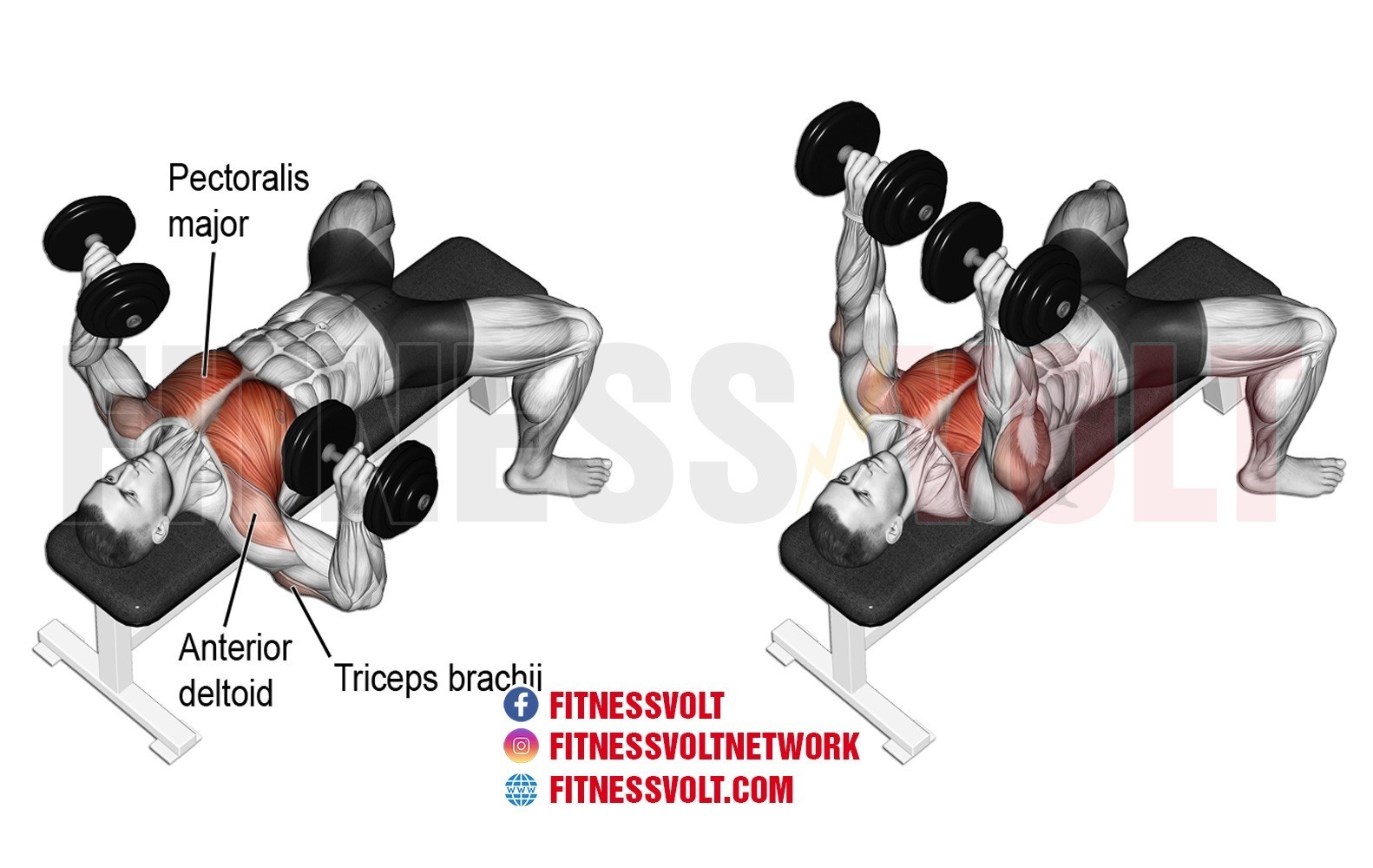
The dumbbell bench press is a versatile exercise that targets the chest muscles. Changing the angle or grip can work different parts of the chest and shoulders. These variations help build strength evenly and avoid workout boredom.
Incline Dumbbell Press
The incline dumbbell press targets the upper chest and shoulders. Set the bench at a 30 to 45-degree angle. Press the dumbbells upward while keeping your elbows slightly bent. This variation adds more focus on the upper chest muscles.
Decline Dumbbell Press
The decline dumbbell press focuses on the lower chest area. Set the bench to a decline position, usually around 15 to 30 degrees. Press the dumbbells up and together. This move helps create a fuller chest shape.
Neutral Grip Press
The neutral grip press uses a palms-facing-in grip. Hold the dumbbells with thumbs pointing up. This grip reduces shoulder strain and engages the triceps more. It is easier on the joints and good for beginners or those with shoulder pain.
Credit: barbend.com
Rest Periods Between Sets
Rest periods between sets play a key role in your dumbbell bench press workout. These breaks help your muscles recover and prepare for the next set. The length of rest affects strength, endurance, and muscle growth. Choosing the right rest time can improve your results and keep your energy steady.
Impact On Muscle Recovery
Short rest periods limit muscle recovery. This causes more fatigue and less strength for the next set. Longer rests allow muscles to rebuild energy stores. They help maintain good form and lift heavier weights. Proper recovery reduces the risk of injury and muscle strain.
Optimizing For Growth
Rest time affects muscle growth differently. To build size, rest about 60 to 90 seconds between sets. This balance creates muscle stress and encourages growth. For strength gains, rest 2 to 3 minutes for full recovery. Adjust rest based on your workout goal and fitness level.
Common Mistakes To Avoid
Many people make common mistakes during the dumbbell bench press. These errors can slow progress and cause injury. Avoiding these mistakes helps improve your strength and form. Focus on proper technique and smart training habits.
Using Too Much Weight
Choosing weights that are too heavy causes poor form. You might lift incorrectly to complete reps. This raises the risk of muscle strain and injury. Start with lighter weights to build control. Gradually increase weight as your strength grows.
Poor Range Of Motion
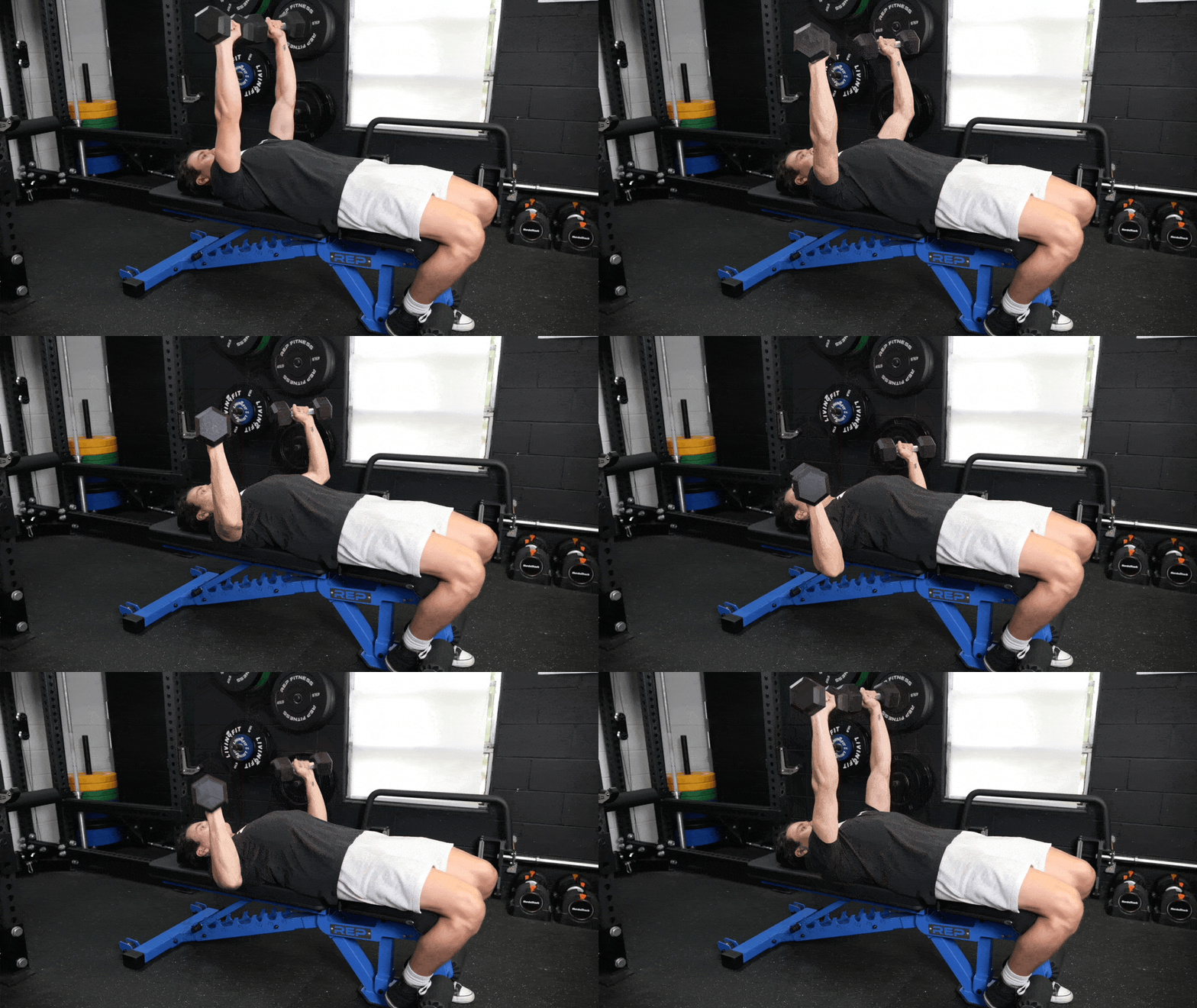
Not moving the dumbbells through the full range limits muscle growth. Stopping too high or lowering too little reduces effectiveness. Aim to lower the dumbbells until your elbows are at chest level. Press all the way up to fully extend your arms.
Neglecting Warm-up
Skipping warm-up increases the chance of injury and stiffness. Warm muscles perform better and recover faster. Spend 5 to 10 minutes warming up with light exercises or dynamic stretches. This prepares your chest, shoulders, and arms for the workout.
Tracking Progress Effectively
Tracking progress effectively is key to improving your dumbbell bench press. It helps you see gains and stay motivated. Without tracking, you might miss signs of improvement or plateaus. Clear records guide your workout choices and keep you on track.
Recording Reps And Sets
Write down the number of reps and sets you complete each session. Note the weight used for each set. This habit shows how much you lift over time. It reveals if you are getting stronger or need to change your routine. Use a notebook or a fitness app. Consistency in recording makes progress visible.
Adjusting Workouts Over Time
Change your reps, sets, or weight based on your records. Increase weight when reps become easy. Lower reps and increase weight to build strength. Raise reps with lighter weights to build endurance. Adjustments prevent plateaus and keep muscles growing. Tracking helps decide when to push harder or rest.
Frequently Asked Questions
How Many Reps For Muscle Growth In Dumbbell Bench Press?
For muscle growth, aim for 8 to 12 reps per set. This rep range promotes hypertrophy by balancing tension and fatigue. Use a weight challenging enough to reach near failure by the last rep. Rest 60-90 seconds between sets for optimal recovery.
What Rep Range Builds Strength With Dumbbell Bench Press?
To build strength, perform 4 to 6 reps per set with heavier weights. This lower rep range helps increase maximum force output. Ensure proper form to avoid injury. Rest 2 to 3 minutes between sets to recover fully.
How Many Reps For Endurance In Dumbbell Bench Press?
For muscular endurance, target 15 to 20 reps per set with lighter weights. This increases stamina and muscle resilience. Keep rest periods short, about 30 to 60 seconds, to maintain intensity.
Should Reps Vary For Dumbbell Bench Press Beginners?
Beginners should start with 10 to 15 reps per set using moderate weights. This helps build technique and endurance safely. Gradually increase weight and lower reps as strength improves. Consistency is key for progress.
Conclusion
Choosing the right number of reps depends on your fitness goals. For strength, aim for fewer reps with heavier weights. For muscle size, try moderate reps with medium weights. For endurance, do more reps with lighter weights. Always listen to your body during workouts.
Rest is important for good results. Keep your form correct to avoid injuries. Change your routine to stay motivated and improve. Consistency brings progress over time. Keep lifting and enjoy the gains.