When it comes to protecting your bike, choosing the right cable lock length is a game-changer. You might wonder, how long should a bike cable lock be to keep your ride safe without making it bulky or hard to carry?
The answer isn’t one-size-fits-all, and getting it wrong could leave your bike vulnerable or weigh you down. You’ll discover the ideal lock length tailored to your needs, helping you secure your bike with ease and confidence. Keep reading, because the right lock could save you from a lot of trouble.
Choosing The Right Cable Length
Picking the right length for a bike cable lock is important for security and convenience.
The cable must be long enough to wrap around your bike and a fixed object.
Too short, and it will not secure your bike properly. Too long, and it can be bulky to carry.
Understanding what length fits your needs helps you make a smart choice.
Factors Affecting Cable Length
The size of your bike influences the cable length you need.
Where you park also matters. Tight spaces need shorter cables.
Long cables give more flexibility but may be heavier to carry.
Your usual parking spots can affect the choice. Think about poles, bike racks, or fences.
Also, consider if you lock multiple bikes together. This needs extra length.
Common Cable Lengths Explained
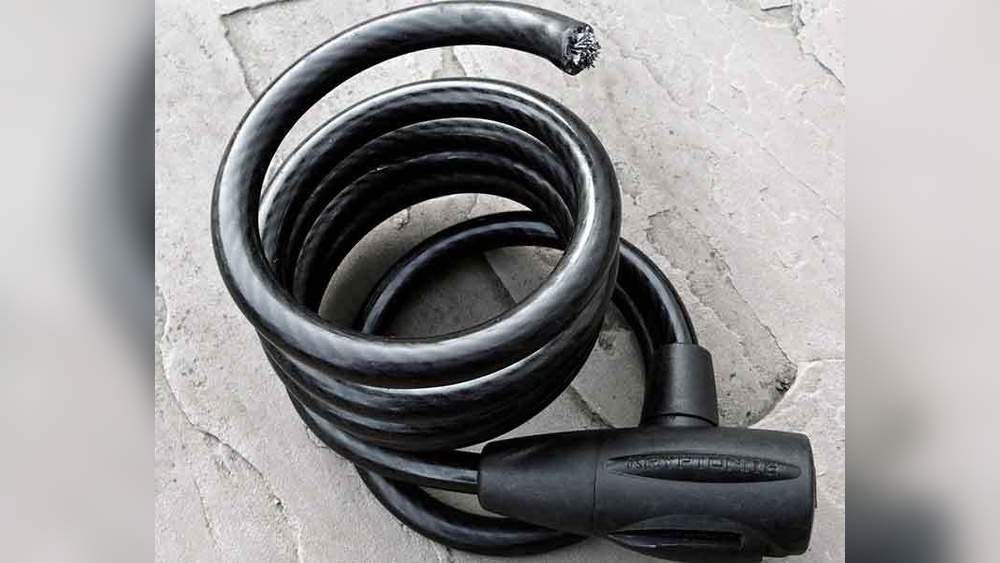
Most bike cable locks come in 3, 5, or 6 feet lengths.
A 3-foot cable suits small bikes or short locking points.
Five-foot cables are popular for standard use and offer good balance.
Longer cables of 6 feet or more help when locking multiple bikes or larger objects.
Choose a length that fits your bike and usual parking spots best.
Balancing Security And Convenience
Choosing the right length for a bike cable lock means finding a balance. Too long, and it becomes hard to carry and use. Too short, and it limits how you secure your bike. The goal is to keep your bike safe without making locking a hassle.
Portability Considerations
A very long cable lock can be heavy and bulky. Carrying it every day may feel tiring. A shorter cable is easier to carry on your bike or in a bag. Think about where you will carry the lock. Make sure the length fits your carrying style and space.
Ease Of Use In Daily Locking
Using a lock should be quick and simple. A cable lock that is too short may not fit around some bike parts or fixed objects. A lock that is too long can tangle or get in the way. Choose a length that lets you lock your bike fast and with little effort.
Matching Cable Length To Bike Types
Choosing the right cable lock length depends on your bike type. Each bike needs a lock that fits its size and shape well. The lock must wrap around the bike frame and a fixed object easily. This helps keep your bike safe. Different bikes need different cable lengths.
Locks For Road Bikes
Road bikes are light and slim. They have smaller frames than other bikes. A cable lock about 3 to 4 feet long works best. It fits around the frame and a bike rack without extra slack. Too long cables can be heavy and hard to carry. Choose a lock that is easy to handle and store.
Locks For Mountain Bikes
Mountain bikes have bigger frames and wider tires. They need a longer cable lock. A lock between 4 to 6 feet is good. This length helps secure the bike to larger objects like posts or trees. It also allows locking the frame and wheels together. The cable should be strong and thick for rough outdoor use.
Locks For Electric Bikes
Electric bikes are heavier and bulkier. They often have extra parts like batteries. A cable lock around 5 to 6 feet works well. It wraps around the frame and a solid object easily. This length gives flexibility to lock both the bike and the battery. Look for a lock with good thickness and strong material for extra protection.

Credit: www.amazon.com
Locking Techniques With Cable Locks
Using a cable lock correctly is key to keeping your bike safe. The right locking techniques reduce theft risks and give peace of mind. It is not just about the lock length but also how you lock your bike. Proper use of cable locks makes a big difference in security.
Securing Wheels And Frame
Always lock both the wheels and the frame. Thieves often steal wheels first. Thread the cable through the front wheel, rear wheel, and the bike frame. This stops anyone from taking parts separately. Tighten the lock to reduce slack in the cable. A loose cable can be easier to cut or slip off.
Using Fixed Objects Effectively
Choose a strong, fixed object to lock your bike. Look for bike racks, poles, or sturdy fences. Avoid objects that can be moved or cut easily. Wrap the cable around the fixed object and the bike. Secure the lock close to the object. This limits space for tools and makes theft harder.
Material And Thickness Impact
Choosing the right material and thickness for a bike cable lock affects its strength and security. These factors decide how well the lock can stop thieves and how long it lasts. Understanding these details helps pick the best lock for your bike.
Cable Durability And Security
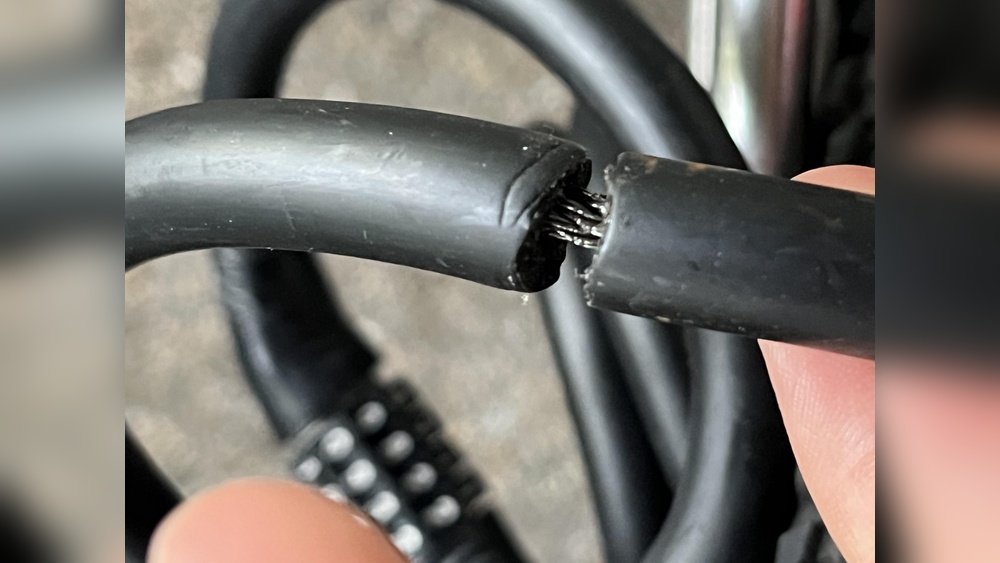
Materials like steel and braided wire offer good protection. Steel cables resist cutting and wear. Braided wires add extra strength and flexibility. Cheaper materials break easier. Strong materials keep your bike safer for a long time.
Thickness Vs. Length Trade-offs
Thicker cables are harder to cut. They give better security but weigh more. Longer cables offer more reach but may be thinner to stay light. Thin cables are easy to carry but less secure. Find a balance between thickness and length for your needs.
Enhancing Security Beyond Cable Length
A long cable lock is helpful, but length alone does not guarantee security. Thieves often use tools to cut cables quickly. A strong lock and smart locking techniques add layers of protection. Combining different types of locks makes stealing your bike harder.
Security depends on more than just the cable’s size. Proper use and quality matter a lot. Using multiple locks or combining locks can keep your bike safer in many places.
Combining Cable With U-locks
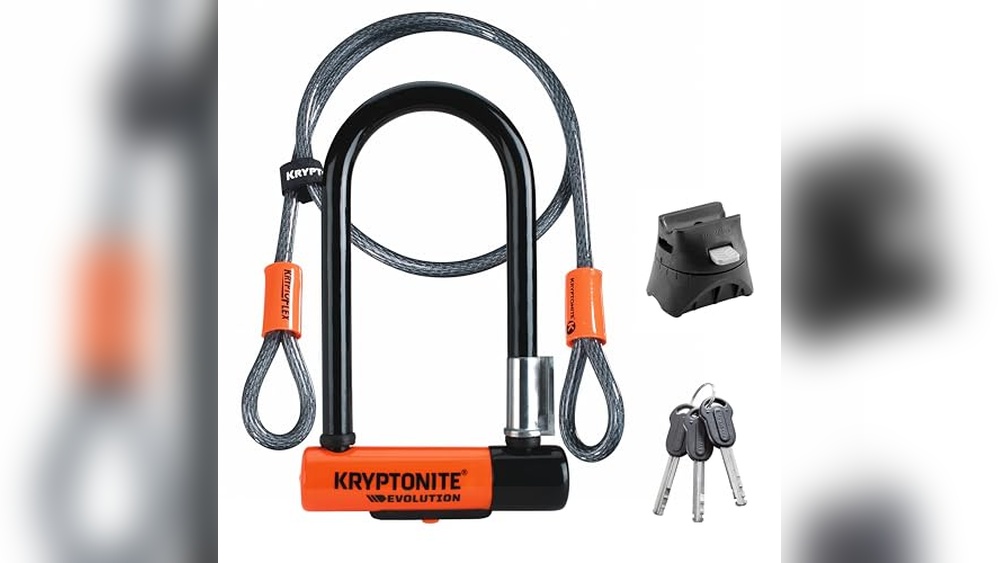
Pairing a cable lock with a U-lock boosts bike security. The U-lock secures the frame and front wheel tightly. The cable lock can secure the rear wheel or accessories. This setup forces thieves to break two different locks. It takes more time and effort, which often stops theft.
Choose a U-lock with a solid steel shackle. Use the cable lock for parts the U-lock cannot reach. This combination covers weak spots and adds peace of mind.
Using Multiple Locks Strategically
Using more than one lock confuses and slows down thieves. Lock your bike in a busy, visible area. Secure the frame and wheels separately. Use different types of locks with different keys. This makes picking or cutting harder.
Keep locks tight and close to the bike frame. Loose locks are easier to attack. Changing your locking method often also helps. Thieves do not like challenges or surprises.
Common Mistakes To Avoid
Choosing the right bike cable lock length is important. Many people make simple mistakes that reduce their bike’s safety. These mistakes often come from not thinking about the lock’s size and quality. Avoid these common errors to keep your bike secure and make your lock easier to use.
Overly Long Or Short Cables
Too long a cable means extra weight and bulk. It can be hard to carry and store. Long cables also give thieves more space to work with tools. Too short a cable limits where you can lock your bike. It might not fit around some bike racks or poles. Choose a cable length that fits most places you lock your bike. Balance between flexibility and convenience.
Ignoring Lock Quality
Not all bike locks offer strong protection. A cheap lock can break quickly. Thieves look for easy targets. Pick a lock with good materials and strong design. Check reviews and ratings before buying. A quality lock adds real security. Avoid focusing only on cable length. The lock’s strength matters just as much.

Credit: thebestbikelock.com
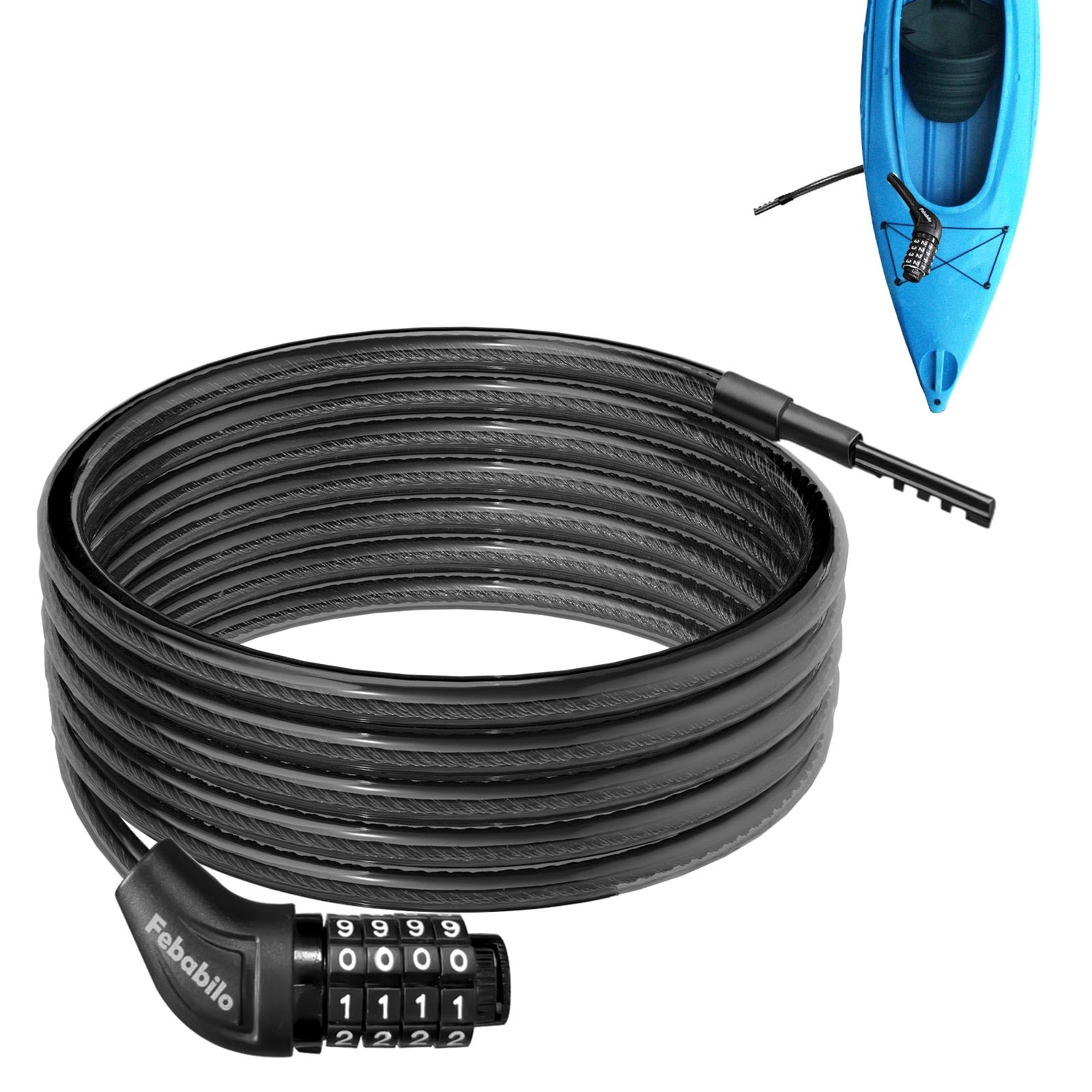
Credit: www.amazon.com
Frequently Asked Questions
How Long Should A Bike Cable Lock Be For Security?
A bike cable lock should be at least 4 to 6 feet long. This length allows securing your bike to various objects while minimizing slack. A lock that’s too short limits flexibility, while too long cables can be easier to cut.
Can A Longer Bike Cable Lock Improve Theft Protection?
Not necessarily. Longer locks offer flexibility but can have more slack, making them easier targets. Choose a cable that balances length and thickness for optimal security.
What Factors Determine The Ideal Bike Cable Lock Length?
Consider your bike size, typical locking spots, and portability. A cable lock around 5 feet fits most situations, allowing you to lock both wheels and frame securely.
Is A Shorter Bike Cable Lock Better For Portability?
Yes. Shorter locks are lighter and easier to carry. But ensure it’s long enough to secure your bike to fixed objects properly.
Conclusion
Choosing the right length for your bike cable lock matters a lot. A lock that is too short limits where you can secure your bike. Too long, and it becomes hard to carry and use. Aim for a length that fits your bike frame and common parking spots.
This balance helps keep your bike safe and makes locking easier. Remember, the right lock length adds convenience and peace of mind every time you ride. Keep these points in mind for smarter bike security.