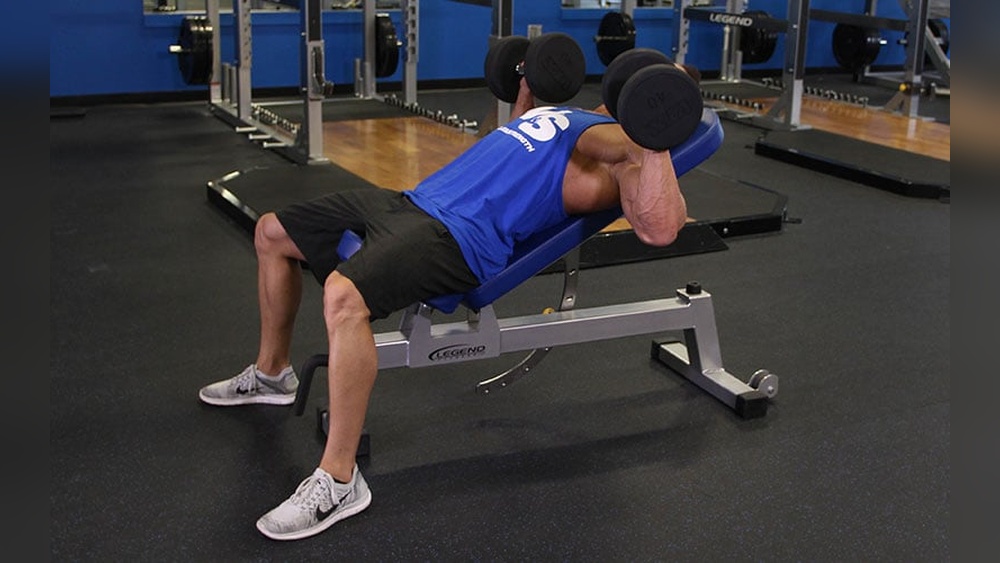
Are you wondering how long it takes to increase your dumbbell weight? You’re not alone.
Many people hit a plateau and ask themselves when they should lift heavier weights to see real progress. The answer isn’t the same for everyone—it depends on your body, routine, and goals. But knowing the right time to step up your game can make all the difference in building strength and avoiding injury.
Keep reading, and you’ll discover exactly when and how to increase your dumbbell weight safely and effectively. Your next breakthrough is closer than you think.
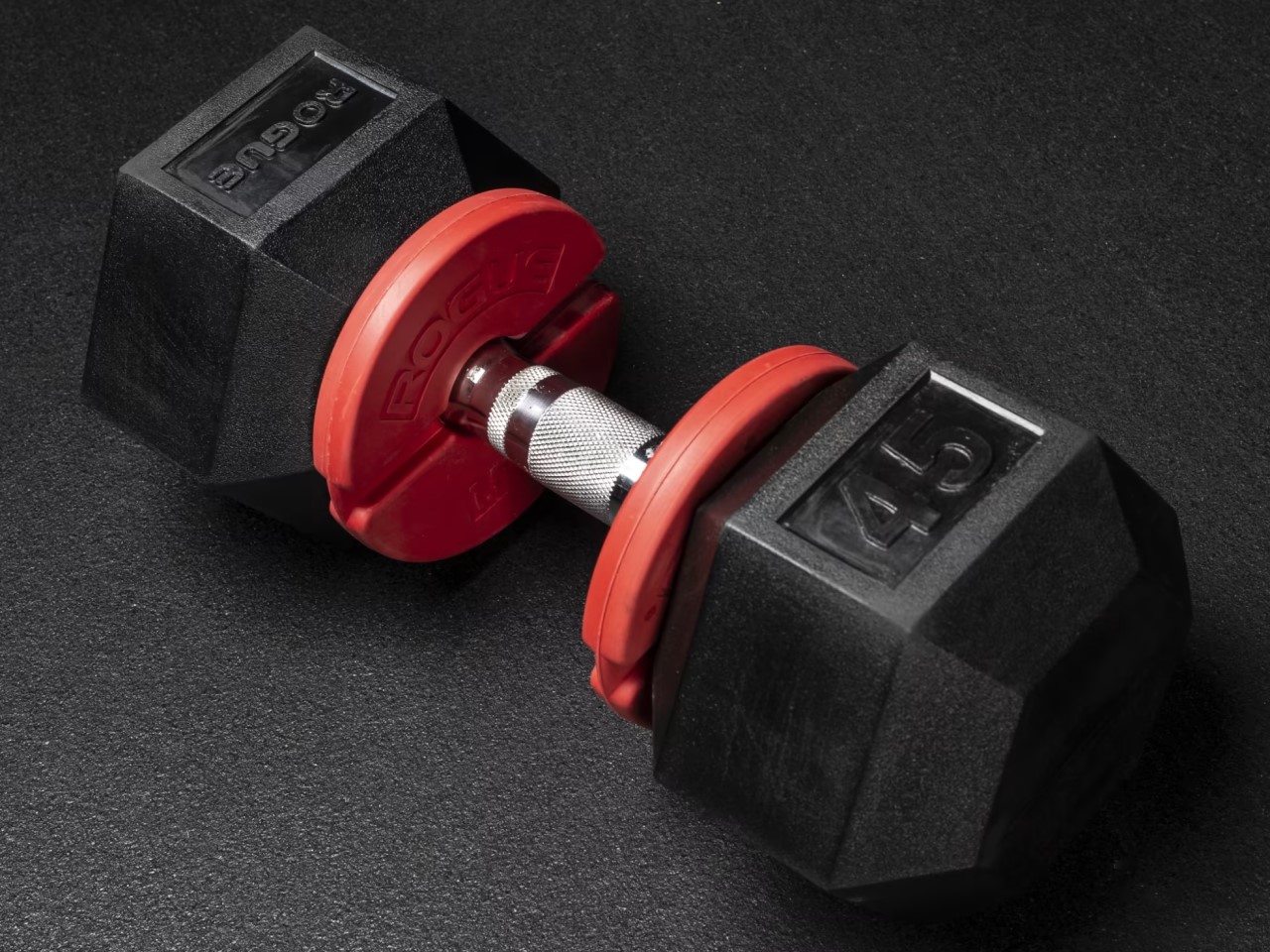
Credit: www.tworepcave.com
When To Increase Dumbbell Weight
Knowing when to increase dumbbell weight is key to steady muscle growth. Using the right weight helps avoid injuries and keeps your workouts effective. Too light, and your muscles won’t get stronger. Too heavy, and you risk poor form or injury. Watch your body closely to pick the right moment to add weight.
Signs You’re Ready
You can do your sets easily without feeling tired. Your muscles don’t feel challenged by the current weight. You finish your reps with good form and no struggle. You can add a few more reps beyond your goal. Your recovery time between workouts is quick and pain-free. These signs mean your muscles are ready for a heavier load.
Common Mistakes To Avoid
Increasing weight too fast can cause injury. Using bad form to lift heavier dumbbells is risky. Trying to lift more before your muscles adapt leads to strain. Skipping warm-ups or ignoring muscle soreness slows progress. Not resting enough between workouts can cause burnout. Avoid these mistakes to safely increase dumbbell weight.

Credit: www.carolinescircuits.com
Factors Affecting Progress
Increasing dumbbell weight depends on several key factors. These factors influence how fast your muscles grow stronger. Understanding them helps set realistic expectations for progress. Consistency and smart choices play a big role in your success.
Training Frequency
The number of times you train each week affects progress. Training too little slows muscle growth. Training too much causes fatigue and injury. Aim for a balanced routine that allows muscle recovery. Most people benefit from training 3 to 4 times weekly.
Exercise Type
Different exercises target muscles in various ways. Compound exercises work multiple muscle groups at once. They often help increase strength faster. Isolation exercises focus on one muscle at a time. Combining both types leads to better overall results.
Nutrition And Recovery
Eating enough protein supports muscle repair and growth. Calories provide the energy needed for workouts and recovery. Sleep is essential for muscle healing and strength gain. Poor nutrition or lack of rest slows progress significantly.
Safe Weight Increase Strategies
Increasing dumbbell weight safely helps avoid injury and boosts strength steadily. A smart approach keeps workouts effective and your body healthy. Focus on small changes and careful tracking for best results.
Gradual Increments
Increase dumbbell weight in small steps. Add 2 to 5 pounds at a time. This helps muscles adjust and grow stronger. Avoid jumping to heavy weights too fast. Gradual increments reduce the risk of strain and injury. Your body needs time to adapt to new challenges.
Tracking Your Progress
Keep a workout log to track dumbbell weight and reps. Write down each session’s details. Notice when exercises feel easier or harder. Tracking helps decide when to increase weight safely. It shows patterns and progress clearly. Use this information to plan your next step.
Expert Tips For Faster Gains
Increasing dumbbell weight takes more than just effort. Smart strategies help you gain strength faster. Focus on key areas to improve safely and effectively.
Proper Form And Technique
Using correct form is essential. It prevents injury and targets muscles well. Start with light weights to learn the movement. Keep your back straight and control the motion. Avoid rushing through exercises. Quality beats quantity every time.
Incorporating Variety
Change exercises regularly to challenge muscles. Use different grips, angles, or tempos. This stops plateaus and keeps workouts fresh. Try combining dumbbell curls with presses or rows. Variety helps muscles grow evenly and stronger.
Rest And Recovery Importance
Rest days let muscles repair and grow. Without enough rest, progress slows down. Sleep well and avoid overtraining. Aim for 48 hours before working the same muscle again. Recovery is part of building strength.
Common Challenges And Solutions
Increasing dumbbell weight is not always smooth. Challenges often slow progress. Knowing common problems helps keep training on track. Solutions make lifting safer and more effective.
Below are frequent issues and ways to handle them. These tips support steady growth in strength and confidence.
Plateaus
Plateaus happen when strength stops improving. Muscles get used to the current weight. This pause can feel frustrating and slow motivation.
To break plateaus, change your routine. Try different exercises or adjust reps and sets. Rest more between sessions. This helps muscles recover and grow stronger.
Track your progress to notice small gains. Even slight improvements matter. Patience and consistency lead to new strength levels.
Injuries And Prevention
Injuries can stop progress quickly. Poor form or too much weight causes strain. Pain signals the need to stop and rest.
Prevent injuries by warming up before lifting. Use proper technique and controlled movements. Avoid sudden jumps in weight. Increase dumbbell size gradually to protect joints and muscles.
Listen to your body. If pain persists, take time off or seek advice. Staying safe means staying strong in the long run.
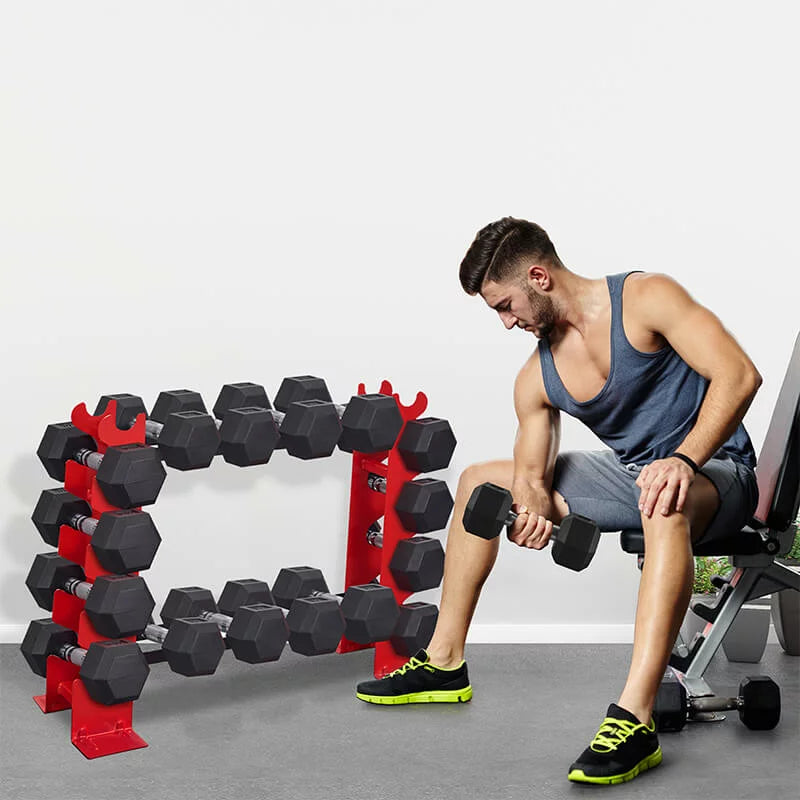
Credit: relifesports.com
Frequently Asked Questions
How Often Should I Increase Dumbbell Weight?
Increase dumbbell weight every 2 to 4 weeks. This depends on your strength progress and workout intensity. Gradual increments prevent injuries and boost muscle growth effectively.
What Signs Indicate It’s Time To Increase Dumbbell Weight?
When exercises feel easier and reps increase without fatigue, it’s time to add weight. Lack of muscle soreness or challenge signals strength improvement.
How Much Weight Should I Add To Dumbbells?
Add 5-10% more weight to your dumbbells at a time. Small increases help maintain proper form and reduce injury risk during workouts.
Can Increasing Dumbbell Weight Too Fast Cause Injury?
Yes, rapidly increasing weight can strain muscles and joints. Progress slowly to allow your body to adapt and avoid setbacks.
Conclusion
Increasing dumbbell weight takes time and patience. Your body needs to adapt and grow stronger. Aim to add weight only when you feel comfortable. Avoid rushing; it can cause injury or burnout. Listen to your muscles and rest when needed.
Small steps lead to steady progress. Track your workouts to see improvements clearly. Stay consistent and focus on good form. Strength builds gradually, so trust the process. Keep challenging yourself safely to reach your goals.