Are you wondering how much you should incline your dumbbell press to get the best results? Finding the right angle can make a big difference in building your chest muscles and avoiding injury.
But with so many opinions out there, it’s easy to feel confused or stuck. You’ll discover the ideal incline angle that suits your body and goals. By the time you finish reading, you’ll know exactly how to adjust your dumbbell press for maximum strength and growth.
Keep reading to unlock the secret to a stronger, more defined upper chest!
Credit: www.marca.com
Benefits Of Incline Dumbbell Press
The incline dumbbell press is a powerful exercise for building upper body strength. It adds variety to your workout and targets muscles in a unique way.
This move helps improve muscle balance and shoulder function. It also supports better posture and chest shape. Many lifters find it essential for upper chest growth.
Muscle Groups Targeted
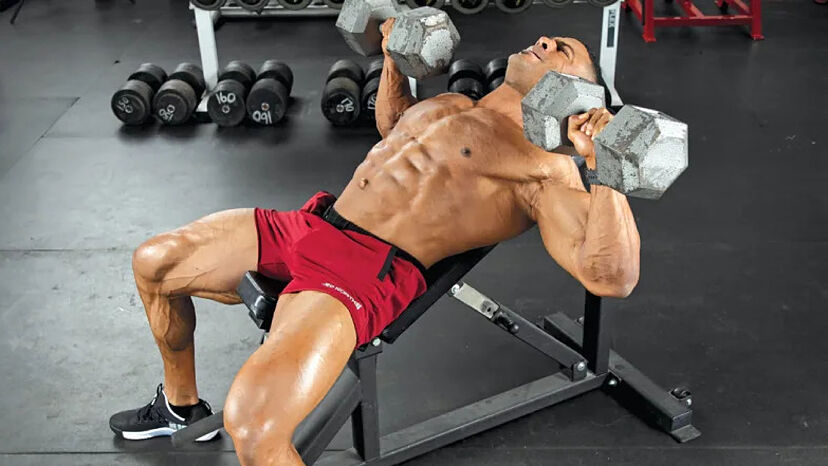
The incline dumbbell press mainly works the upper chest muscles. It also activates the front part of the shoulders and triceps.
Using dumbbells allows each arm to work independently. This improves muscle coordination and fixes strength gaps.
Improved Upper Chest Development
This exercise focuses on the upper pectoral muscles. It helps create a fuller, more defined chest look.
Inclining the bench shifts the effort to the upper chest. This area often lags behind in strength and size.
Enhanced Shoulder Stability
The incline press strengthens the shoulder stabilizer muscles. These small muscles support the shoulder joint during movements.
Stronger stabilizers reduce injury risk and improve overall shoulder health. Dumbbells require more control, boosting stability even more.
Credit: www.bodybuildingmealplan.com
Choosing The Right Incline Angle
Choosing the right incline angle for the dumbbell press affects which chest muscles work the most. It changes how your shoulders and arms move. Picking the best angle helps you train better and avoid injury. Small changes in angle can change your workout results.
Low Vs High Incline Angles
Low incline means the bench is set at about 15 to 30 degrees. This angle targets the upper chest without stressing the shoulders too much. High incline is usually 45 to 60 degrees. It shifts more work to the shoulders and upper chest but can strain the shoulder joints.
Effect On Muscle Activation
Lower inclines activate the upper chest more. This angle also involves the front shoulders and triceps less. Higher inclines increase shoulder muscle use and reduce chest activation. Changing the angle changes which muscles get stronger over time.
Common Incline Settings
Many people use 30 or 45 degrees for incline dumbbell presses. Thirty degrees is good for targeting the upper chest with less shoulder stress. Forty-five degrees works the upper chest and shoulders harder. Try both to see which feels best and matches your goals.
Setting Up Your Bench And Dumbbells
Setting up your bench and dumbbells correctly is key for a good incline dumbbell press. This setup helps target your upper chest while keeping you safe. Small adjustments make a big difference in your workout quality.
Bench Positioning Tips
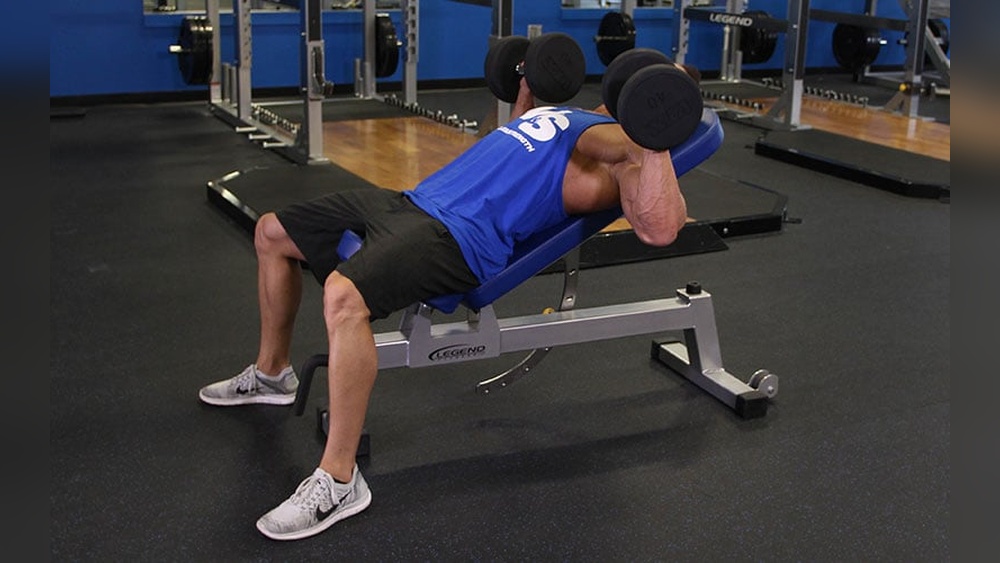
Set your bench at an angle between 30 and 45 degrees. This angle activates the upper chest without stressing your shoulders. Avoid too steep an incline; it shifts focus away from the chest. Make sure your back is flat against the bench. Keep your feet firmly on the floor for stability.
Selecting Dumbbell Weight
Choose dumbbells that challenge your muscles but allow control. Start with lighter weights to learn the movement. Increase weight gradually as you gain strength. Too heavy dumbbells cause poor form and risk injury. Pick a weight that lets you do 8 to 12 reps comfortably.
Safety Precautions
Always warm up before lifting dumbbells. Use a spotter if lifting heavy weights. Check that the bench is stable and secure. Hold dumbbells firmly to avoid slipping. Avoid locking your elbows at the top of the press to protect joints.
Step-by-step Incline Dumbbell Press Technique
The incline dumbbell press targets the upper chest and shoulders. Proper technique helps avoid injury and boosts muscle growth. Follow these steps to perform the exercise safely and effectively. Focus on form before adding heavy weight.
Starting Position
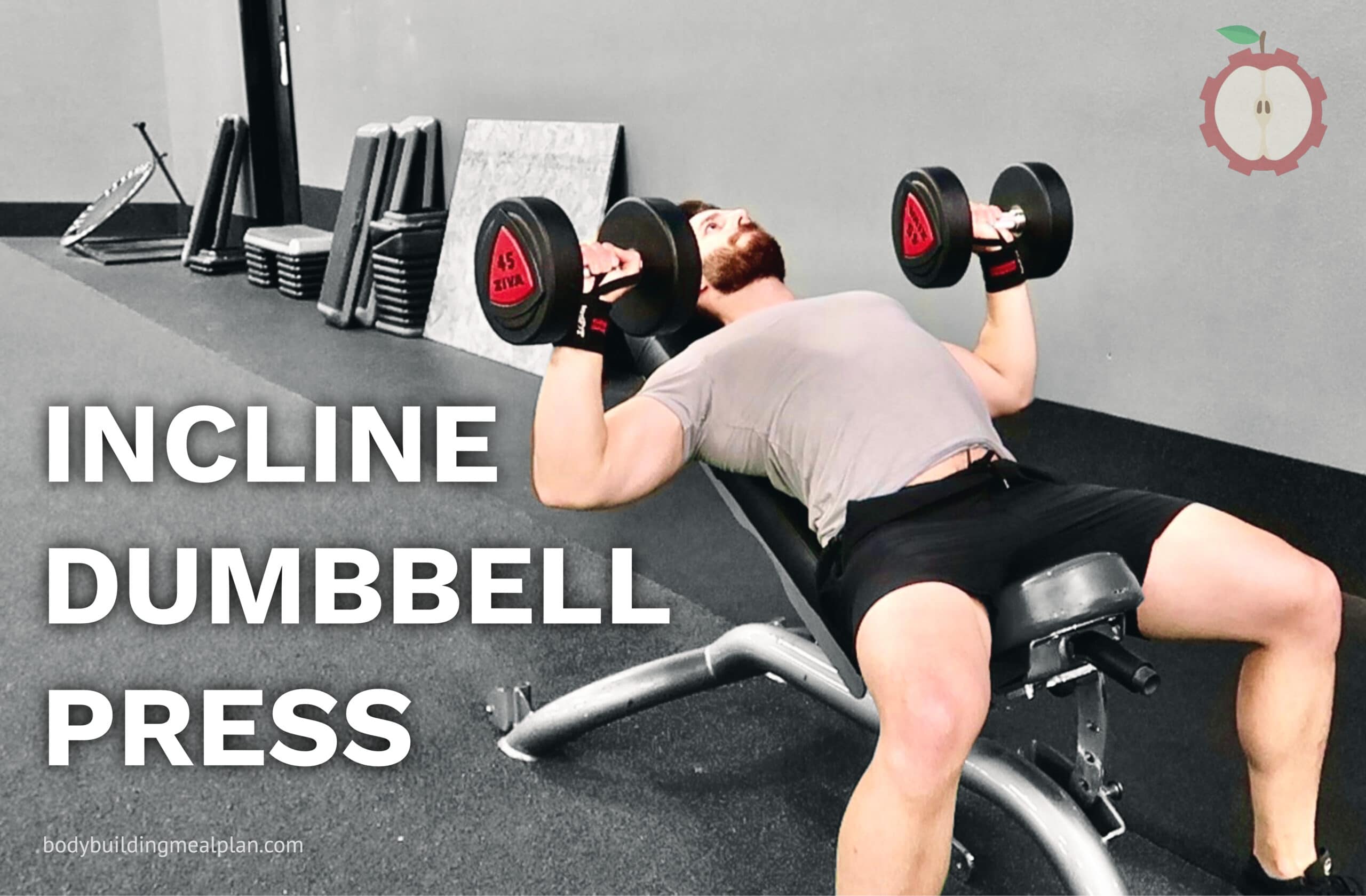
Set the bench at a 30 to 45-degree incline. Sit down and hold a dumbbell in each hand. Rest the dumbbells on your thighs. Lie back slowly, bringing the dumbbells to chest level. Keep your feet flat on the floor. Your back should be pressed firmly against the bench.
Pressing Motion
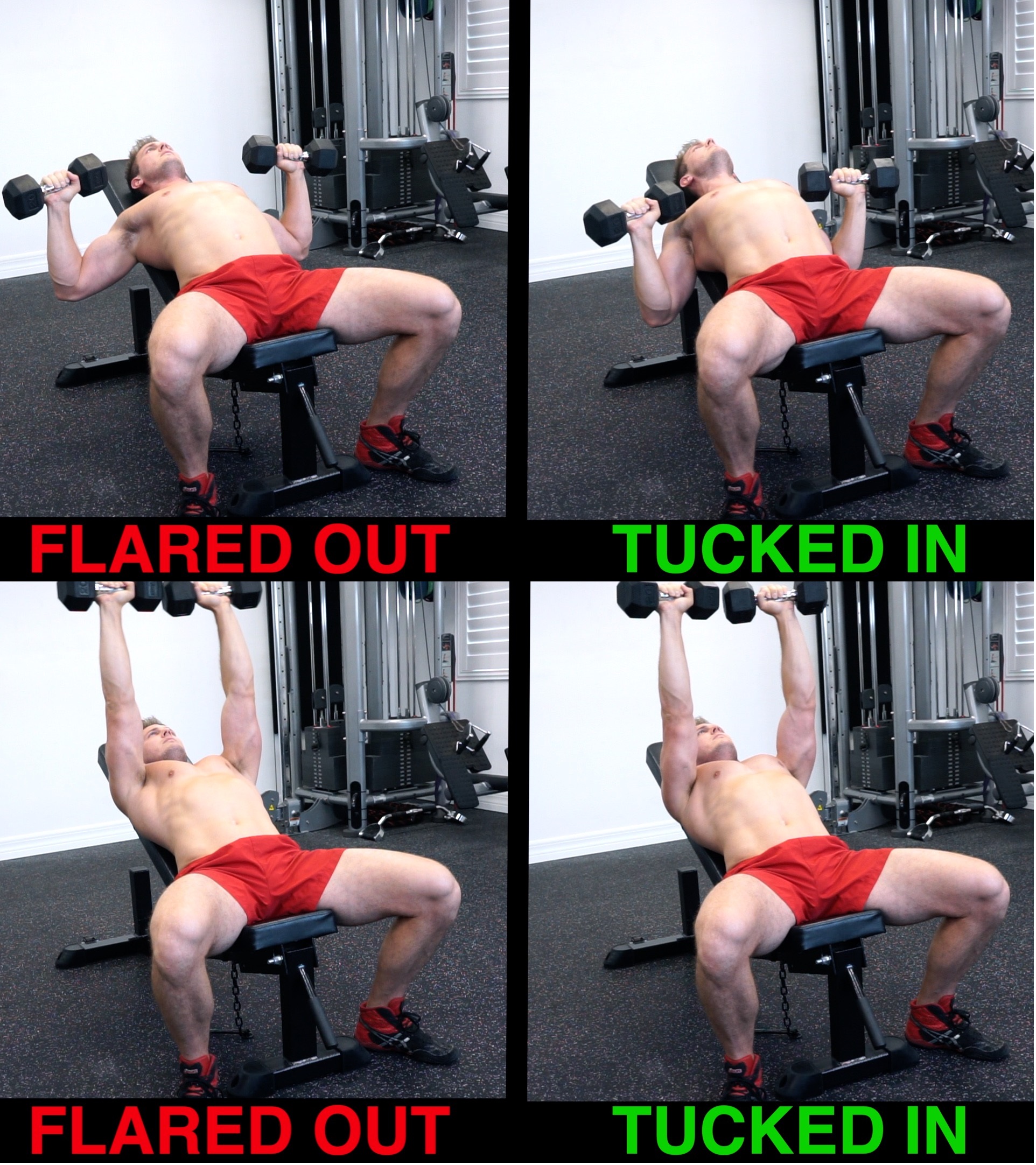
Push the dumbbells upward until your arms are straight but not locked. Keep the weights close but not touching. Lower the dumbbells slowly to chest level. Control the movement to avoid dropping the weights. Keep your elbows at about a 45-degree angle from your body.
Breathing And Tempo
Inhale deeply while lowering the dumbbells. Exhale steadily as you press the weights up. Use a slow and steady pace. Aim for about two seconds down and one second up. Proper breathing improves strength and focus during the exercise.
Common Mistakes To Avoid
Performing the incline dumbbell press correctly is key to building upper chest strength and avoiding injuries. Many people make common mistakes that reduce the exercise’s effectiveness or cause pain. Fixing these errors helps you get better results and stay safe during your workout.
Excessive Incline Angle
Setting the bench too high shifts the focus away from the upper chest. It stresses the shoulders more than needed. Aim for a bench angle between 30 and 45 degrees. This range targets your upper chest without straining your shoulders.
Incorrect Wrist Position
Keeping wrists bent or unstable can lead to injury. Your wrists should stay straight and aligned with your forearms. This position supports the weight evenly. It also helps you lift more safely and effectively.
Overarching The Back
Arching your lower back too much strains your spine. Keep your back pressed lightly against the bench. Engage your core muscles to maintain a neutral spine. This protects your back and improves your pressing power.
Credit: muscularstrength.com
Adjusting Incline For Personal Goals
Adjusting the incline of your dumbbell press changes the focus of the exercise. Different angles target different parts of the chest and shoulders. Choosing the right incline depends on your personal goals. Whether building strength, growing muscle, or recovering from injury, the angle matters.
Strength Building
A lower incline, around 15 to 30 degrees, helps lift heavier weights safely. This angle reduces shoulder strain and lets you press more weight. Heavy lifting at a moderate incline builds overall upper body strength. Keep your form tight and use controlled movements.
Muscle Hypertrophy
For muscle growth, a steeper incline between 30 and 45 degrees works best. This angle targets the upper chest more, creating a fuller look. Use moderate weights with higher repetitions to fatigue muscles. Focus on slow, steady presses to maximize muscle tension.
Rehabilitation Considerations
Injured shoulders or chest muscles require careful incline adjustments. Start with a very low incline or flat bench to reduce stress. Gradually increase the incline as strength and mobility improve. Always listen to your body and avoid pain during exercises.
Incorporating Incline Dumbbell Press Into Your Routine
Adding the incline dumbbell press to your workout helps build upper chest strength and shape. It targets muscles differently than flat presses, giving a balanced look. Proper use in your routine improves muscle growth and strength.
Frequency And Volume
Perform the incline dumbbell press two to three times weekly. Keep sets between three and four per session. Aim for eight to twelve repetitions per set. This balance helps build strength without causing overtraining.
Pairing With Other Exercises
Combine incline presses with flat bench presses for full chest development. Include shoulder presses to strengthen supporting muscles. Add push-ups or dips to vary intensity and movement patterns. This mix promotes muscle balance and reduces injury risk.
Progress Tracking
Note the weight lifted and number of reps each session. Track improvements to adjust your workout plan. Increase weight gradually to avoid plateaus. Keep a workout journal or app to monitor progress effectively.
Frequently Asked Questions
What Is The Ideal Incline Angle For Dumbbell Press?
The ideal incline angle for dumbbell press is between 30 to 45 degrees. This range targets the upper chest effectively. Angles higher than 45 degrees shift focus to shoulders, while lower angles emphasize the middle chest. Adjust based on your comfort and muscle activation.
How Much Weight Should I Use For Incline Dumbbell Press?
Choose a weight that allows 8 to 12 reps with good form. Start lighter to master technique, then gradually increase. Avoid weights that cause strain or poor posture. Proper weight ensures muscle growth and reduces injury risk during incline dumbbell press.
How Does Incline Angle Affect Muscle Targeting?
Increasing the incline angle emphasizes the upper chest and front shoulders. Lower angles activate the middle chest more. The right angle balances muscle engagement and prevents shoulder strain. Adjust the incline to meet your training goals and comfort level.
Can I Use The Same Angle For All Dumbbell Press Workouts?
No, varying the incline angle targets different chest areas. Use higher angles for upper chest and lower angles for middle chest. Changing angles prevents plateaus and promotes balanced muscle development. Incorporate variety for best results.
Conclusion
Choosing the right incline for your dumbbell press matters a lot. A 30 to 45-degree angle usually works best for most people. This angle targets your upper chest without putting too much strain on your shoulders. Start with a light weight to find your comfort zone.
Gradually increase the weight as your strength improves. Pay attention to your body and avoid pain. Consistency and proper form bring the best results. Keep these tips in mind to build a strong, balanced chest safely.