Are you wondering how many dumbbell exercises you should do each day to get the best results? You’re not alone.
Finding the right balance can be tricky. Do too few, and you might not see progress. Do too many, and your body could get overwhelmed or injured. You’ll discover simple guidelines that fit your goals and lifestyle. Keep reading to learn how to make every dumbbell move count and get stronger without wasting time or risking burnout.
Your perfect workout plan is closer than you think.
Benefits Of Dumbbell Workouts
Dumbbell workouts offer many benefits for your body and fitness routine. They help improve strength, flexibility, and allow for a variety of exercises. Using dumbbells can fit any schedule and space. This makes them a smart choice for daily exercise.
Muscle Growth And Strength
Dumbbell exercises target many muscle groups. They help build muscle size and strength effectively. Each arm works independently, improving muscle balance. This leads to better overall strength and muscle tone. Regular use increases muscle endurance and power.
Improved Flexibility
Dumbbell workouts involve many movements that stretch muscles. This helps improve your joint flexibility and range of motion. Flexible muscles reduce injury risk and improve daily movement. Exercises with dumbbells promote natural body movement and control.
Convenience And Versatility
Dumbbells are easy to use at home or gym. They take little space and are portable. You can perform many types of exercises with one set. This saves time and money on equipment. Dumbbells fit different fitness levels and goals easily.
Factors Affecting Exercise Volume
Deciding how many dumbbell exercises to do each day depends on several key factors. These factors shape the right amount of exercise for your body and goals. Understanding them helps you create a balanced workout plan. It also prevents injury and promotes steady progress.
Fitness Level
Your current fitness level plays a big role in exercise volume. Beginners should start with fewer exercises to avoid overtraining. They need time to build strength and learn proper form. Experienced lifters can handle more exercises and higher intensity. Their muscles recover faster and adapt quicker.
Goals And Objectives
Your workout goals decide how many exercises you need. For muscle growth, more exercises targeting different muscles work well. For endurance or general fitness, fewer exercises with higher repetitions might be better. Weight loss goals often focus on full-body routines with moderate volume. Clear goals guide your exercise choices and volume.
Available Time
The time you have for workouts limits how many exercises you can do. Short sessions require focusing on key muscle groups with fewer exercises. Longer sessions allow more variety and volume. Managing time helps keep workouts effective and consistent without feeling rushed.
Recommended Number Of Exercises
Choosing the right number of dumbbell exercises helps you build strength safely. Too few exercises might slow progress. Too many can cause fatigue and injury. The right balance depends on your fitness level. Below are guidelines for beginners, intermediate lifters, and advanced trainers.
Beginners
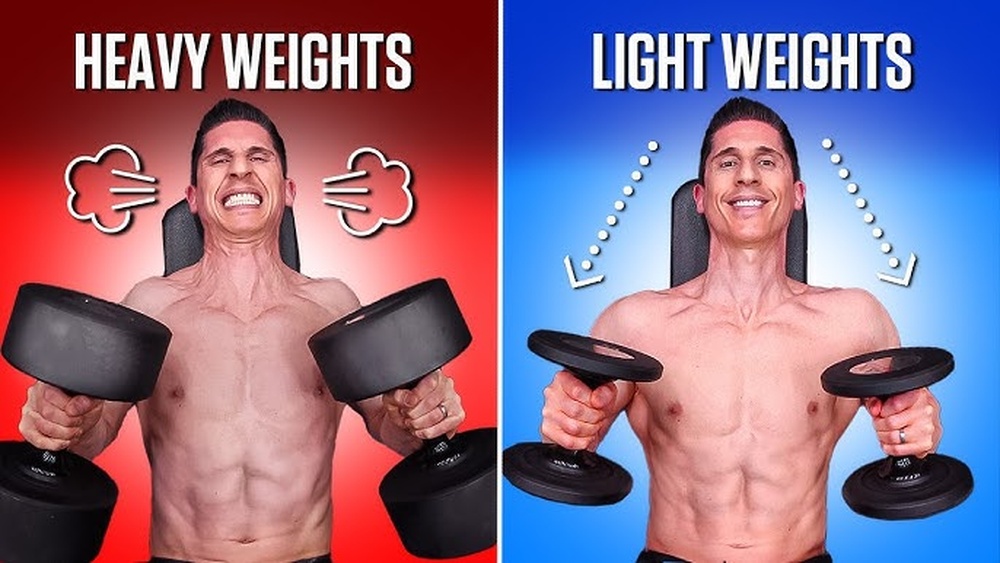
Start with 3 to 4 exercises per session. Focus on major muscle groups like arms, chest, and legs. Use light weights and aim for 10 to 12 repetitions. This helps your body adjust to new movements. Keep sessions short and rest well between sets.
Intermediate Lifters
Try 5 to 7 exercises each workout. Include a mix of compound and isolation movements. Increase weight gradually to build strength. Perform 8 to 12 repetitions per exercise. Allow muscles time to recover with rest days or lighter workouts.
Advanced Trainers
Use 7 to 10 exercises per session for full muscle development. Focus on different angles and muscle groups. Include heavier weights with 6 to 10 repetitions. Add supersets or circuits to increase workout intensity. Monitor your body closely to avoid overtraining.
Credit: www.molnlyckedjurklinik.se
Optimal Repetitions And Sets
Choosing the right number of repetitions and sets is key to effective dumbbell workouts. It helps target your specific fitness goals. Different goals need different workout plans. Understanding these plans will improve your results and keep you motivated.
Strength Training
For strength, use heavier dumbbells. Do fewer repetitions per set, usually 4 to 6. Perform 3 to 5 sets with rest between them. This method builds muscle power. It helps you lift heavier weights over time.
Muscle Endurance
Muscle endurance means lasting longer during activities. Use lighter weights and do 12 to 20 repetitions per set. Complete 2 to 4 sets with short rest periods. This trains your muscles to work longer without tiring.
Hypertrophy
Hypertrophy focuses on muscle size growth. Choose moderate weights and aim for 8 to 12 repetitions. Do 3 to 4 sets with moderate rest breaks. This balance causes muscle fibers to grow bigger and stronger.
Sample Daily Dumbbell Routines
Sample daily dumbbell routines help you plan your workout easily. These routines target different body parts. They balance strength and muscle growth.
Choose a routine based on your goals. Each routine includes simple exercises. You can do them at home or the gym.
Full-body Workout
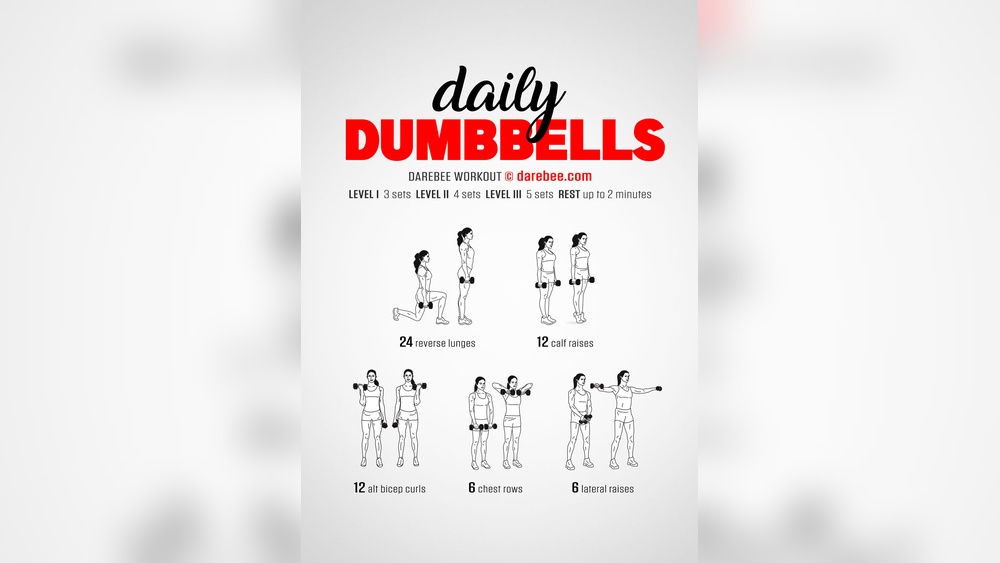
Start with dumbbell squats for leg strength. Follow with dumbbell bench press to work your chest. Add bent-over rows for your back. Include dumbbell shoulder press to target shoulders. Finish with bicep curls and tricep extensions.
Perform 3 sets of 10 to 12 reps each. Rest 30 to 60 seconds between sets. This routine works all major muscles in one session.
Upper Body Focus
Begin with dumbbell chest press to strengthen your chest. Add dumbbell rows to work your back. Use dumbbell shoulder press for shoulder muscles. Include bicep curls and tricep kickbacks.
Do 3 sets of 12 reps per exercise. Rest briefly between sets. This routine builds upper body strength effectively.
Lower Body Focus
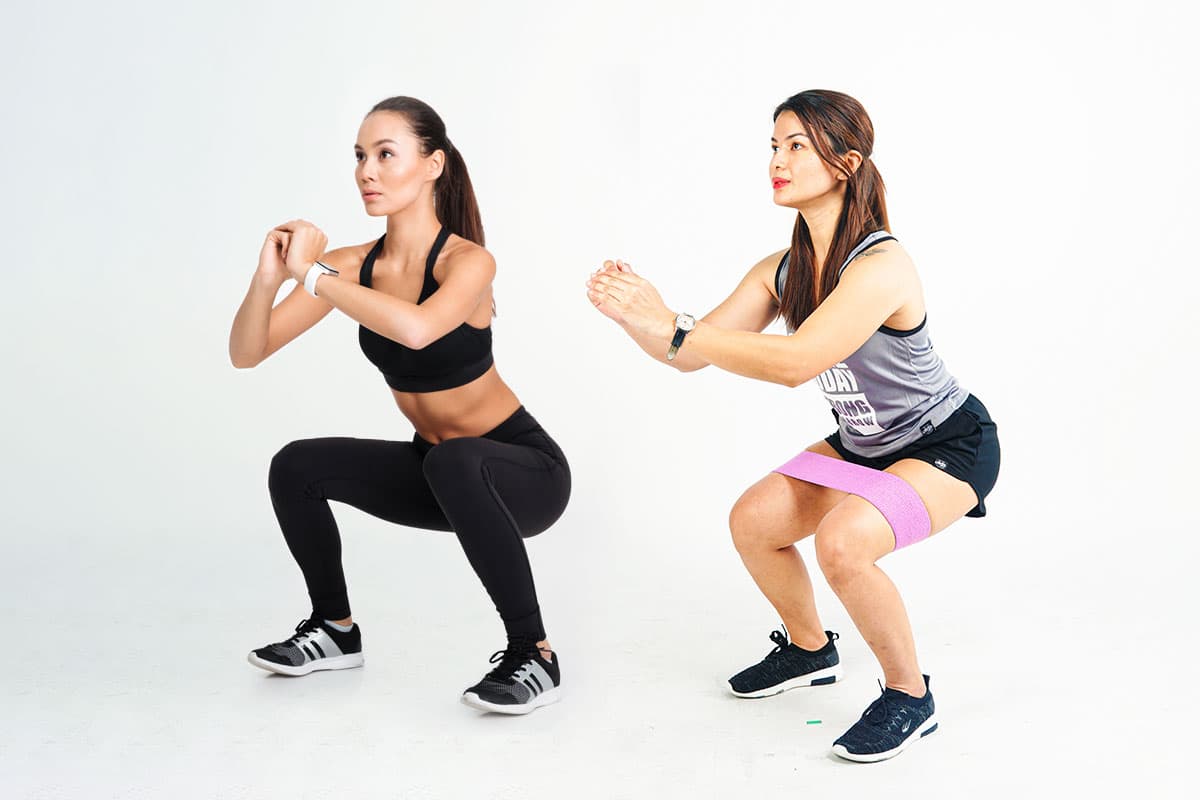
Start with dumbbell lunges for your legs and glutes. Add dumbbell deadlifts to target hamstrings and lower back. Include calf raises holding dumbbells. Finish with goblet squats for overall leg power.
Complete 3 sets of 10 to 15 reps. Take short breaks between sets. This routine helps strengthen and tone your lower body well.
Credit: awtsuprints.com
Signs Of Overtraining
Overtraining happens when you do too many dumbbell exercises without enough rest. Your body needs time to recover. Ignoring rest can cause problems. Recognizing signs of overtraining helps you avoid injury and keep improving. Watch your body closely. It sends clear signals when you push too hard.
Fatigue And Weakness
Feeling very tired after workouts is a common sign. Your muscles may feel weak and heavy. This tiredness does not go away with normal rest. Even simple tasks can seem hard. Your energy levels drop noticeably. This fatigue means your body needs a break.
Decreased Performance
Your strength and endurance may fall suddenly. You might lift lighter weights than usual. Reps become harder to complete. Your speed and focus can also drop. Training feels less effective or enjoyable. This decline shows your muscles are not recovering well.
Increased Injury Risk
Overtraining raises the chance of injuries. Small aches can turn into serious pain. Joint soreness and muscle strains become common. Your body struggles to heal itself. Ignoring pain can make injuries worse. Taking rest prevents these problems from growing.
Tips For Progression
Progressing in your dumbbell workouts is key to gaining strength and muscle. Without progress, your body adapts, and improvements slow down. Small changes make a big difference over time. Focus on smart, steady growth to see results safely and effectively.
Gradual Increase In Volume
Start with a manageable number of sets and reps. Slowly add more sets or repetitions each week. This helps your muscles get stronger without injury. Avoid jumping too fast to heavy weights or too many reps. Consistency is better than sudden spikes.
Varying Exercises
Change the exercises regularly to challenge different muscles. Use different angles or grips to avoid plateaus. Varying exercises keeps your workouts interesting and effective. It also prevents overuse injuries by spreading the load across muscles.
Rest And Recovery
Rest days are as important as workout days. Muscles need time to repair and grow stronger. Avoid training the same muscle groups every day. Proper sleep and nutrition support recovery and performance. Listen to your body to prevent burnout and injury.

Credit: www.youtube.com
Frequently Asked Questions
How Many Dumbbell Exercises Should I Do Daily?
Aim for 3 to 5 dumbbell exercises per day. This balances muscle engagement and prevents overtraining. Focus on form and controlled movements for best results.
Can I Do Dumbbell Exercises Every Day?
Yes, but vary muscle groups to allow recovery. Avoid training the same muscles two days in a row. Rest is essential for muscle growth and injury prevention.
How Long Should A Dumbbell Workout Last?
A dumbbell workout typically lasts 20 to 40 minutes. This duration supports effective muscle stimulation without causing excessive fatigue. Consistency is more important than workout length.
Should I Increase Dumbbell Exercises Over Time?
Gradually increase exercises or weight to challenge muscles. Progressive overload boosts strength and muscle growth. Avoid sudden jumps to prevent injury.
Conclusion
Finding the right number of dumbbell exercises depends on your goals. Aim for a balance between challenge and rest. Too many exercises may cause fatigue. Too few might slow progress. Start with a few exercises targeting different muscles. Gradually add more as you build strength.
Listen to your body and adjust accordingly. Consistency matters more than quantity. Enjoy your workouts and stay patient with results. Keep moving, stay strong!