Are you wondering how many dumbbell lifts you should do each day to see real results? It’s a question that many people ask when starting or improving their workout routine.
The answer isn’t one-size-fits-all, but knowing the right amount can help you build strength faster, avoid injury, and stay motivated. You’ll discover how to find the perfect balance for your body and goals. Keep reading, and you’ll learn simple tips that can make a big difference in your fitness journey.
Credit: powerblock.com
Benefits Of Dumbbell Lifting
Dumbbell lifting offers many benefits for your body and health. It helps build strength, improves how long you can exercise, and keeps your muscles flexible. Using dumbbells is simple and effective for all fitness levels. Regular lifting can make daily tasks easier and boost overall fitness.
Muscle Strength And Growth
Dumbbell lifting targets many muscles at once. Each lift challenges your muscles to work harder. This leads to stronger, bigger muscles over time. Using different weights and exercises helps muscles grow evenly. Strong muscles improve posture and reduce injury risk.
Improved Endurance
Lifting dumbbells regularly increases your muscle stamina. Your muscles can perform longer without getting tired. This helps during sports or physical work. Endurance training with dumbbells also supports heart health. It allows you to stay active for longer periods.
Enhanced Flexibility
Dumbbell exercises often involve full range of motion. This keeps your joints moving well and muscles stretched. Flexible muscles reduce stiffness and pain. It also helps you move smoothly and easily. Flexibility lowers the chance of muscle strains and injuries.

Credit: www.muscleandstrength.com
Factors Influencing Daily Lifts
How many dumbbell lifts you should do each day depends on several factors. These factors help decide the right amount of exercise for your body. Understanding them can improve your workout results and keep you safe.
Each person is different. Your fitness level, goals, and the type of exercises you choose all play a role. Let’s explore these factors to find what works best for you.
Fitness Level
Your current fitness level shapes how many lifts you should do. Beginners need fewer lifts to avoid injury and fatigue. Starting with light weights and low reps helps build strength safely.
Advanced lifters can handle more lifts and heavier weights. Their muscles recover faster and adapt to more stress. Adjust your lifts based on how your body feels and grows stronger.
Goals And Objectives
Your goals affect your daily dumbbell lifts. For muscle growth, higher reps with moderate weights work well. For endurance, use lighter weights and more repetitions.
Fat loss goals might need a mix of strength and cardio. Your daily lifts should match what you want to achieve. Clear goals create focused and effective workouts.
Type Of Dumbbell Exercises
Different exercises demand different effort levels. Compound moves like squats and presses work many muscles and may need fewer reps. Isolation exercises like curls target one muscle and can be done more times.
Choose exercises that fit your fitness level and goals. Vary your routine to avoid plateaus and keep your muscles challenged.
Recommended Reps And Sets
Choosing the right number of reps and sets is key for effective dumbbell training. It helps build strength, endurance, or muscle size. The right plan depends on your fitness level and goals. Here are simple guidelines to follow.
For Beginners
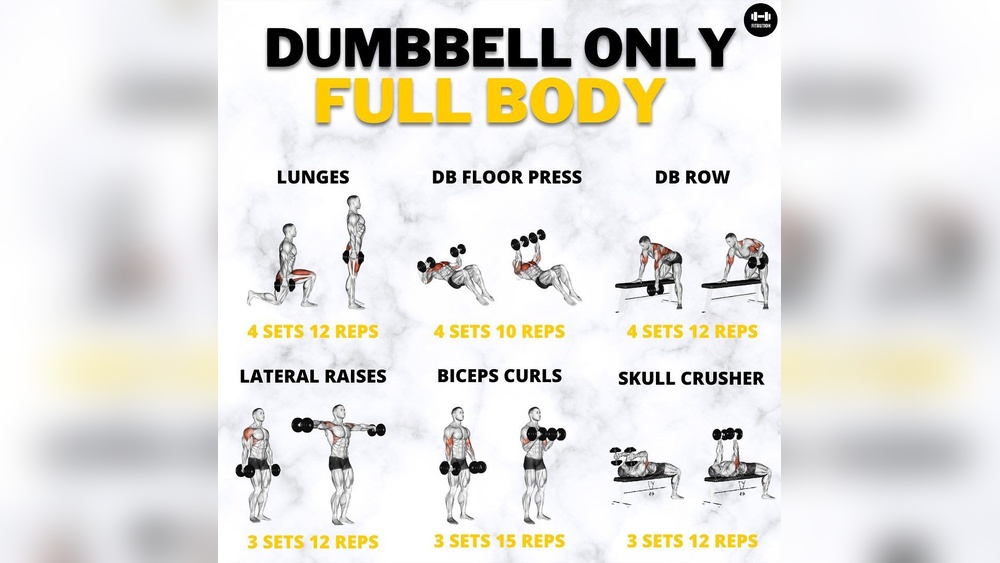
Start with light weights to learn proper form. Aim for 2 to 3 sets per exercise. Each set should have 8 to 12 reps. This range helps build basic strength and control. Rest for 30 to 60 seconds between sets.
For Intermediate Lifters
Use moderate weights that challenge you but allow good form. Perform 3 to 4 sets per exercise. Each set should have 10 to 15 reps. This improves muscle endurance and strength. Take 45 to 90 seconds rest between sets.
For Advanced Lifters
Lift heavier weights with good technique. Do 4 to 5 sets for each exercise. Each set should have 6 to 10 reps. This range focuses on muscle growth and power. Rest 60 to 120 seconds between sets to recover fully.
Frequency Of Dumbbell Workouts
Choosing how often to do dumbbell workouts is key to building strength safely. The right frequency helps muscles grow without causing injury. It depends on your goals, fitness level, and how your body feels.
Finding a balance between training and rest is important. Too much exercise can tire your muscles. Too little may slow progress. Knowing how often to lift dumbbells helps you get the best results.
Daily Vs. Alternate Days
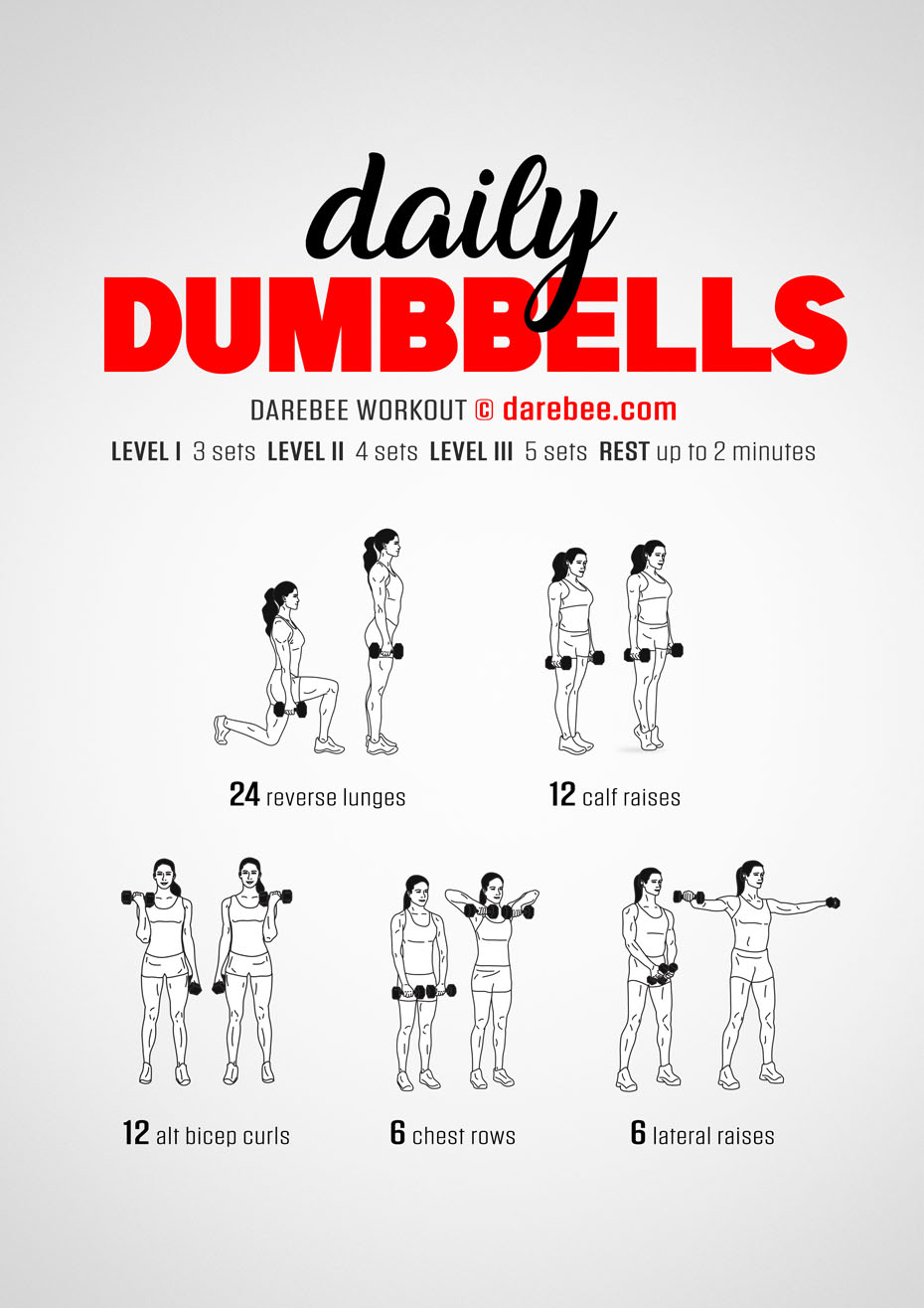
Some people lift dumbbells every day. This works if you use light weights and focus on different muscle groups. Daily workouts keep your body active and improve endurance.
Others choose alternate days. This means working out every other day. It gives muscles time to heal and grow stronger. Alternate days are good for heavier lifting and muscle building.
Rest And Recovery
Rest days are just as important as workout days. Muscles need time to repair after lifting weights. Without rest, muscles can get weak or injured.
Try to include at least one or two rest days each week. Use this time to stretch or do light activities. Rest helps prevent burnout and keeps you motivated.
Signs Of Overtraining
Watch for signs of overtraining. Feeling very tired, sore, or weak can mean you need a break. Trouble sleeping and loss of appetite are also signals.
Ignoring these signs can lead to injury. Take extra rest if you feel pain or extreme fatigue. Listen to your body to stay healthy and strong.
Tips To Maximize Results
Maximizing your dumbbell lifts means more than just counting reps. Small changes can lead to better strength and muscle gains. Focus on key strategies to get the most from every workout.
Proper Form And Technique
Using the right form protects you from injury. It also targets muscles better. Keep your back straight and move smoothly. Avoid jerky motions or swinging the weights. Control each lift from start to finish.
Progressive Overload
Challenge your muscles by increasing weight or reps gradually. This helps muscles grow stronger over time. Don’t rush to lift heavy weights. Increase the load step by step to stay safe and improve steadily.
Balanced Nutrition
Your body needs fuel to build muscle. Eat enough protein, carbs, and healthy fats daily. Drink plenty of water to stay hydrated. Good nutrition supports recovery and strength gains.
Credit: darebee.com
Common Mistakes To Avoid
Many beginners make mistakes when starting dumbbell exercises. These errors can slow progress and cause injury. Avoid these common pitfalls to keep your workouts safe and effective.
Lifting Too Heavy Too Soon
Picking weights that are too heavy is a big mistake. It strains muscles and joints. Start with lighter dumbbells. Focus on perfect form first. Increase weight gradually as strength builds.
Ignoring Warm-up And Cool-down
Skipping warm-up can cause muscle injury. Warm-up prepares your body for exercise. Cool-down helps muscles recover. Spend 5-10 minutes on both. Simple stretches and light movements work well.
Neglecting Rest Days
Rest days are essential for muscle growth. Exercising every day without breaks leads to fatigue. Muscles need time to repair. Plan at least one or two rest days weekly. It helps avoid burnout and injury.
Frequently Asked Questions
How Many Dumbbell Lifts Are Ideal Per Day?
For most people, 3 sets of 10-15 reps per exercise daily is effective. This balances muscle growth and recovery.
Can Daily Dumbbell Lifting Cause Muscle Fatigue?
Yes, overdoing daily lifts without rest may lead to fatigue. Allow at least 24 hours for muscle recovery.
Should Beginners Do Fewer Dumbbell Lifts Daily?
Beginners should start with 1-2 sets of 8-12 reps. Gradually increase volume as strength improves to avoid injury.
How Long Should A Dumbbell Lifting Session Last?
A session typically lasts 20-30 minutes. Focus on quality reps rather than quantity for best results.
Conclusion
Dumbbell lifts help build strength and tone muscles effectively. Doing the right number each day matters most. Start with a small amount, then increase gradually. Rest days are important to let muscles recover. Consistency beats doing too much at once.
Focus on form to avoid injuries and get results. Listen to your body and adjust your routine. Small daily efforts lead to steady progress. Keep your goals clear and stay patient. Enjoy the process of getting stronger every day.