Are you wondering how many reps you should do with dumbbells to get the best results? Whether your goal is to build muscle, tone up, or improve endurance, the number of reps you choose can make all the difference.
Getting this right can help you avoid wasted effort and frustration. You’ll discover the ideal rep ranges tailored to your goals, so you can maximize every workout and see real progress faster. Keep reading to find out exactly how many reps you should be doing with dumbbells to reach your fitness goals.

Credit: www.liftingitalia.com
Reps And Muscle Growth
Reps, or repetitions, play a key role in muscle growth. The number of reps affects how muscles respond to dumbbell workouts. Different rep ranges target different muscle goals. Understanding these ranges helps you reach your desired results.
Low Reps For Strength
Low reps usually mean 1 to 5 repetitions per set. This range builds muscle strength. Lifting heavy dumbbells with low reps trains your muscles to handle more weight. It improves power and force production. Rest periods between sets are longer for full recovery.
Moderate Reps For Hypertrophy
Moderate reps range from 6 to 12 repetitions per set. This range promotes muscle growth or hypertrophy. It creates muscle damage and tension needed for growth. Dumbbell workouts in this range increase muscle size. Rest times are shorter than strength training to keep muscles under tension.
High Reps For Endurance
High reps involve 15 or more repetitions per set. This range develops muscle endurance and stamina. It trains muscles to work longer without fatigue. Dumbbells used are lighter to maintain form. Rest periods are brief to improve cardiovascular fitness.

Credit: www.stansellfit.com
Choosing The Right Weight
Choosing the right weight for dumbbell exercises is key to effective workouts. The right weight helps build strength without causing injury. It also keeps you motivated and improves performance over time. Picking a weight that fits your strength and goals makes your training safe and productive.
Determining Your Max Load
Max load means the heaviest weight you can lift once with good form. Start by picking a weight you can lift comfortably five times. Increase the weight slowly until you find one that you can only lift once. This helps you understand your strength limits. Knowing your max load guides your workout plan and weight choices.
Adjusting Weight For Rep Range
Different goals need different rep ranges and weights. For building strength, use heavier weights with fewer reps, about 4 to 6. For muscle size, choose medium weights and do 8 to 12 reps. For endurance, pick lighter weights and aim for 15 or more reps. Adjust your dumbbell weight to match your rep target for best results.
Rep Schemes For Dumbbell Exercises
Rep schemes play a key role in dumbbell workouts. They guide how many times you lift weights in one set. Choosing the right number of reps affects your strength, muscle size, and endurance. Understanding rep schemes helps you reach your fitness goals faster.
Common Dumbbell Movements
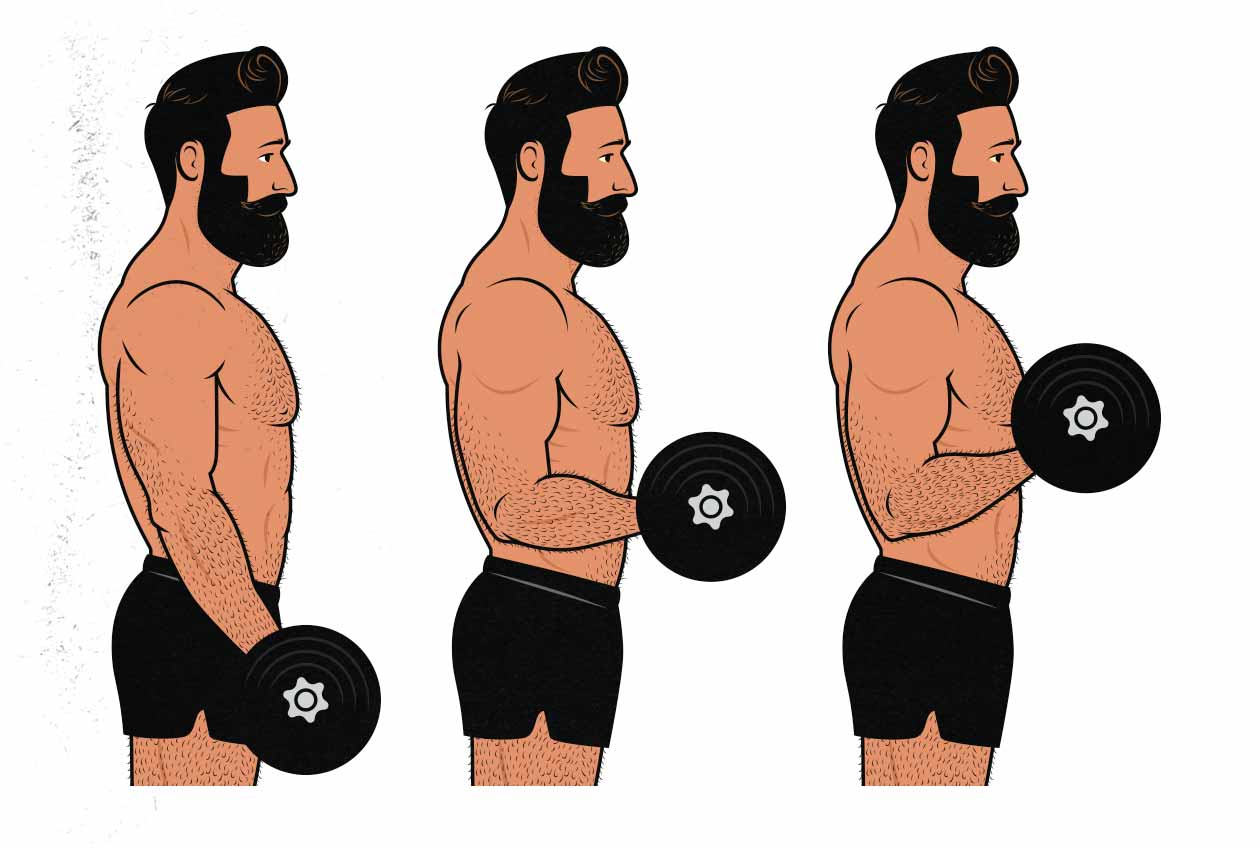
Dumbbells work many muscles with simple moves. Examples include bicep curls, shoulder presses, and dumbbell rows. Other common exercises are chest presses and lunges. Each move targets a different muscle group. This variety helps build balanced strength.
Ideal Reps Per Exercise
Reps depend on your workout goal. For strength, aim for 4 to 6 reps with heavy weights. For muscle size, 8 to 12 reps work best. For endurance, try 15 to 20 reps with lighter weights. Rest time between sets also matters for results.
Credit: outlift.com
Balancing Volume And Intensity
Balancing volume and intensity is key to effective dumbbell training. Volume means the total amount of work done, like sets and reps. Intensity relates to how hard the exercise feels, often linked to the weight used. Finding the right mix helps build strength and muscle without causing injury or burnout.
Too much volume with low intensity may lead to slow progress. Too much intensity and low volume can cause fatigue quickly. The goal is to match the reps and weight to your fitness level and training goals. This balance keeps workouts efficient and safe.
Sets And Rest Periods
Sets are groups of repetitions. Usually, 3 to 5 sets work well for most exercises. Rest periods between sets help muscles recover. Short rests of 30 to 60 seconds keep the workout intense. Longer rests of 1 to 2 minutes allow more strength recovery. Choose rest time based on your training goal. For muscle growth, rest about 60 seconds. For strength, rest longer.
Progressive Overload Techniques
Progressive overload means gradually increasing exercise difficulty. It forces muscles to adapt and grow stronger. Increase weight slightly every week or two. Another way is to add more reps or sets. You can also reduce rest time to increase intensity. Change your routine every 4 to 6 weeks to avoid plateaus. Small, steady changes build strength safely over time.
Avoiding Common Mistakes
Avoiding common mistakes during dumbbell workouts helps you get better results. It also keeps your body safe. Many people push too hard or lose proper form. This can cause injuries and slow progress. Focus on smart training and listen to your body. Learn key risks to avoid and keep your routine effective.
Overtraining Risks
Doing too many reps or sets can lead to overtraining. Your muscles need time to rest and grow. Without breaks, you may feel constant fatigue and soreness. Overtraining can cause weakness and lower your immune system. It also increases the chance of injuries. Stop if you feel pain or extreme tiredness. Balance work and rest for steady gains.
Form Breakdown And Injury
Good form is crucial for safe dumbbell exercises. Poor form puts stress on joints and muscles. It can lead to strains or worse injuries. Use a weight you can control easily. Focus on smooth and steady movements. If your form breaks, lower the weight or reps. Watch yourself in a mirror or ask for help. Proper technique protects your body and improves results.
Tracking Progress Effectively
Tracking progress is key to improving your dumbbell workouts. It helps you see what works and what needs change. Keeping track keeps you motivated and focused on your goals. Small steps add up to big results over time.
Using Logs And Apps
Writing down your sets, reps, and weights helps track progress well. A workout log is simple and shows your gains clearly. Apps can do the same and add features like reminders and charts. They make tracking easier and more fun. You can check your history anytime and adjust your plan.
Adjusting Reps Over Time
Change your reps based on your strength and goals. Start with a number that challenges you but feels doable. When reps get easy, increase them or add more weight. This keeps your muscles working hard and growing. Tracking helps know when to push harder or rest.
Customizing Reps For Goals
Customizing your dumbbell reps depends on your fitness goals. Different goals need different rep ranges. Choosing the right reps helps you train smarter. It also makes your workouts more effective and focused.
Strength Focus
For building strength, use heavy dumbbells. Aim for 3 to 6 reps per set. Rest longer between sets to recover fully. This low rep range helps muscles grow stronger. Focus on lifting with good form and control.
Muscle Size Focus
To increase muscle size, try 8 to 12 reps per set. Use moderate weights that challenge you. Keep rest periods shorter than strength training. This rep range encourages muscle growth and fullness. Maintain steady, controlled movements during each rep.
Endurance Focus
For muscle endurance, do 15 to 20 reps or more. Choose lighter weights to keep moving easily. Short rest times between sets improve stamina. High reps train muscles to last longer. This approach helps in activities needing long-lasting strength.
Frequently Asked Questions
How Many Reps Should I Do With Dumbbells?
For muscle growth, aim for 8-12 reps per set. For endurance, try 12-20 reps. Adjust reps based on your goals and weight.
What Reps Build Muscle Fastest With Dumbbells?
Performing 8-12 reps per set with challenging weights builds muscle effectively. This range balances strength and hypertrophy gains.
How Do Reps Affect Dumbbell Workout Results?
Lower reps (6-8) increase strength, moderate reps (8-12) build muscle, and higher reps (12-20) improve endurance. Choose reps based on your goal.
Should Beginners Do More Or Fewer Dumbbell Reps?
Beginners should start with 12-15 reps using lighter weights. This builds endurance and helps learn proper form safely.
Conclusion
Choosing the right number of dumbbell reps depends on your goals. For strength, aim for fewer reps with heavier weights. For endurance, do more reps with lighter weights. Always listen to your body and adjust as needed. Consistency matters more than perfect numbers.
Keep your form correct to avoid injury. Enjoy your workouts and track your progress regularly. This helps you stay motivated and see results. Remember, small steps lead to big changes over time. Keep lifting and stay strong!


