You’ve just parked your bike, and now comes the most important step: locking it up safely. But how do you make sure your bike stays secure with just a padlock?
You might think it’s simple, but the way you lock your bike can make all the difference between coming back to a safe ride or an empty spot. You’ll discover easy, effective tips to lock your bike with a padlock the right way.
Keep reading to protect your bike and avoid the heartache of theft.

Credit: www.bicycling.com
Choosing The Right Padlock
Choosing the right padlock is key to keeping your bike safe. A good padlock stops thieves and gives you peace of mind. Not all padlocks are the same. Some are stronger and last longer. Others fit better on your bike. Understanding the differences helps you pick the best one.
Types Of Padlocks
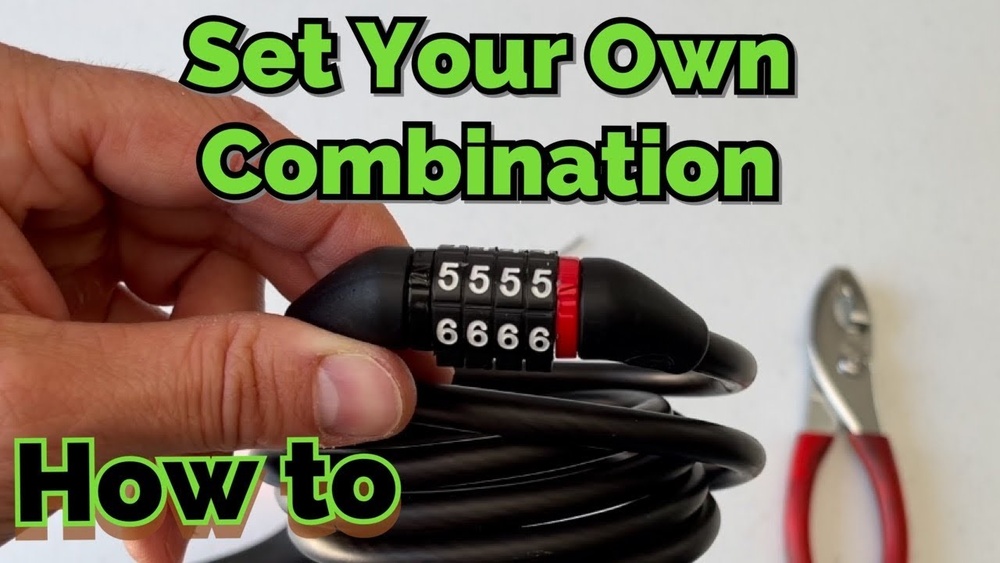
There are several types of padlocks. Keyed padlocks open with a key. Combination padlocks use a number code. Some have a disc shape, which is hard to cut. Others have a traditional shape with a shackle. Choose one that fits your bike and your needs.
Material And Durability
Padlocks come in different materials. Hardened steel is strong and resists cutting. Brass padlocks resist rust and last long outside. Stainless steel is good for wet places. Avoid cheap metals that break easily. A durable padlock protects your bike better.
Size And Shackle Thickness
The size of a padlock matters. A thicker shackle is harder to cut. Thin shackles break easily with tools. The shackle should fit around your bike frame and the lock point. Not too tight, not too loose. Pick a size that works for your bike’s shape.
Preparing Your Bike For Locking
Preparing your bike before locking it is important. It helps keep your bike safe and prevents theft. Taking simple steps can make a big difference in protecting your bike. Follow these tips to get your bike ready for locking with a padlock.
Selecting A Secure Location
Choose a well-lit place to lock your bike. Places near busy streets or cameras are best. Avoid dark or hidden spots where thieves can work quietly. Look for a sturdy bike rack or a fixed object. Make sure the object cannot be moved or cut easily.
Positioning The Bike
Place your bike close to the locking point. Keep the frame and wheels near the padlock. This reduces space for thieves to use tools. Position the bike so the lock is hard to reach. Lock the parts that are hard to remove, like the frame.
Removing Accessories
Take off any removable items before locking. Lights, bags, and quick-release parts should come off. These items can attract thieves if left on the bike. Carry them with you or store them safely. This step lowers the chance of losing your accessories.
Locking Techniques
Locking your bike properly keeps it safe from thieves. Using the right techniques makes a big difference. Simple habits protect your bike better. Focus on how and what you lock. These methods help you secure your bike with a padlock.
Locking The Frame And Wheel
Always lock the frame to a solid object. The frame is the strongest part of your bike. Include at least one wheel in the lock. This stops thieves from taking parts quickly. Make sure the padlock passes through the frame and wheel. Use a fixed bike rack or a pole. Avoid locking only the wheel or seat.
Using Multiple Locks
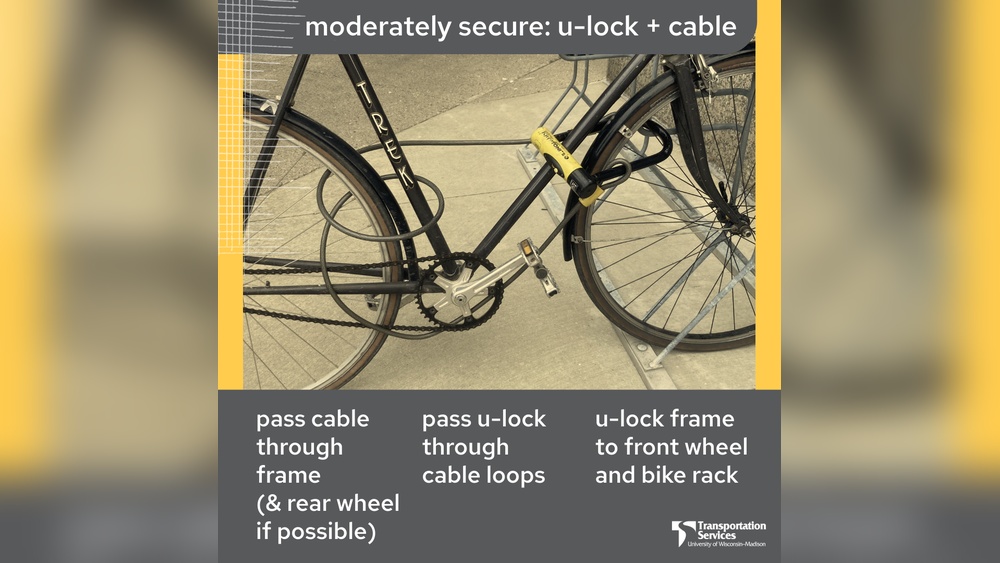
Using more than one lock adds extra security. Use a padlock and a cable lock together. One lock secures the frame, the other the wheels. This slows down thieves and makes stealing harder. Different types of locks confuse thieves and waste their time. Multiple locks are useful in busy or risky areas.
Avoiding Common Mistakes
Don’t lock your bike to something easy to break. Avoid thin trees, loose signs, or weak fences. Never leave your lock slack or touching the ground. Thieves can use tools to break locks on the ground. Avoid locking only the front wheel. Avoid locking in isolated or dark places. Always check that your lock is tight and secure.

Credit: thebestbikelock.com
Enhancing Security Measures
Enhancing security measures is vital to protect your bike from theft. A single padlock might not be enough for full protection. Adding extra locks and securing all parts strengthens your bike’s safety. Small steps make a big difference in keeping your bike secure.
Adding Secondary Locks
Use a second lock for added protection. A second lock makes it harder for thieves to steal your bike. You can lock different parts of the bike with each lock. This forces thieves to spend more time trying to break in. More time means less chance they will succeed.
Using Cable Or Chain Locks
Cable or chain locks work well with a padlock. Wrap the cable or chain around the frame and a fixed object. Use the padlock to secure the ends together. These locks add flexibility and cover parts a padlock alone cannot. Choose a thick, strong cable or chain for better security.
Securing Quick-release Parts
Quick-release parts like wheels and seats are easy targets. Use extra locks to secure these parts. You can use small locks or special security skewers. This prevents thieves from stealing parts without unlocking the main lock. Securing all parts protects your whole bike.
Maintaining Your Padlock
Maintaining your padlock is key to keeping your bike safe. A well-cared-for lock works smoothly and lasts longer. Simple steps can protect it from damage and rust. Regular care saves you from lock troubles and extra costs.
Cleaning And Lubricating
Clean your padlock often to remove dirt and dust. Use a soft brush or cloth for cleaning. Avoid water inside the lock to stop rust. Apply a small amount of lubricant to the keyhole and shackle. This helps the lock open and close easily. Use a lubricant made for locks, not oil or grease.
Preventing Rust
Rust can spoil your padlock and make it hard to use. Keep the lock dry after rain or washing. Wipe off any water on the lock quickly. Store the padlock in a dry place when not in use. Use a cover or plastic bag to protect it from moisture. Rust-resistant padlocks are also a good choice.
Regular Inspection
Check your padlock regularly for signs of wear or damage. Look for rust, cracks, or stuck parts. Test the key and locking mechanism often. Fix small problems early to avoid big issues. Replace the padlock if it shows serious damage or stops working well. Good maintenance keeps your bike lock strong and reliable.

Credit: thebestbikelock.com
Additional Security Tips
Securing your bike goes beyond just locking it with a padlock. Extra steps can protect your bike from theft and help you recover it if stolen. These additional security tips improve your bike’s safety and your peace of mind.
Registering Your Bike
Register your bike with local or national bike registries. This links your bike to your name and contact details. If someone finds your bike, they can contact you easily. Registration also helps police track stolen bikes. Keep a record of your bike’s serial number and photos for registration.
Using Gps Trackers
GPS trackers help you find your bike if it is stolen. Small devices attach to your bike and send location data to your phone. Some trackers work with apps to alert you of movement. This technology adds a layer of security beyond the padlock. It increases chances of recovering your bike quickly.
Insurance Options
Bike insurance covers theft and damage costs. Check if your home insurance includes bike coverage. If not, consider buying separate bike insurance. It protects your money if your bike is stolen or broken. Read policy details carefully to understand what is covered.
Frequently Asked Questions
How Do I Secure My Bike With A Padlock?
Use a sturdy padlock to lock the frame and one wheel to a fixed object. Ensure the lock is tight and hard to cut. Choose a location with good visibility to deter thieves.
What Is The Best Way To Lock A Bike Frame?
Lock the frame and at least one wheel to a solid, immovable object. Avoid locking only the wheel, as it can be removed easily. This method provides the best protection against bike theft.
Can I Use Any Padlock For My Bike?
Not all padlocks are suitable. Use a heavy-duty, weather-resistant padlock designed for outdoor use. Avoid cheap or small locks, as they are easier to break or cut.
Where Should I Lock My Bike For Maximum Safety?
Lock your bike in a well-lit, busy area with high foot traffic. Avoid isolated or dark spots. The visibility reduces theft risk and increases chances of recovery if stolen.
Conclusion
Locking your bike with a padlock keeps it safe and secure. Choose a strong padlock and a sturdy lock point. Wrap the lock around the frame and a fixed object. Double-check the lock before leaving your bike. Small steps protect your bike from theft.
Practice locking your bike to get faster and better. Stay alert and park in well-lit areas for extra safety. Protecting your bike is simple with the right method. Keep your bike safe every time you lock it.