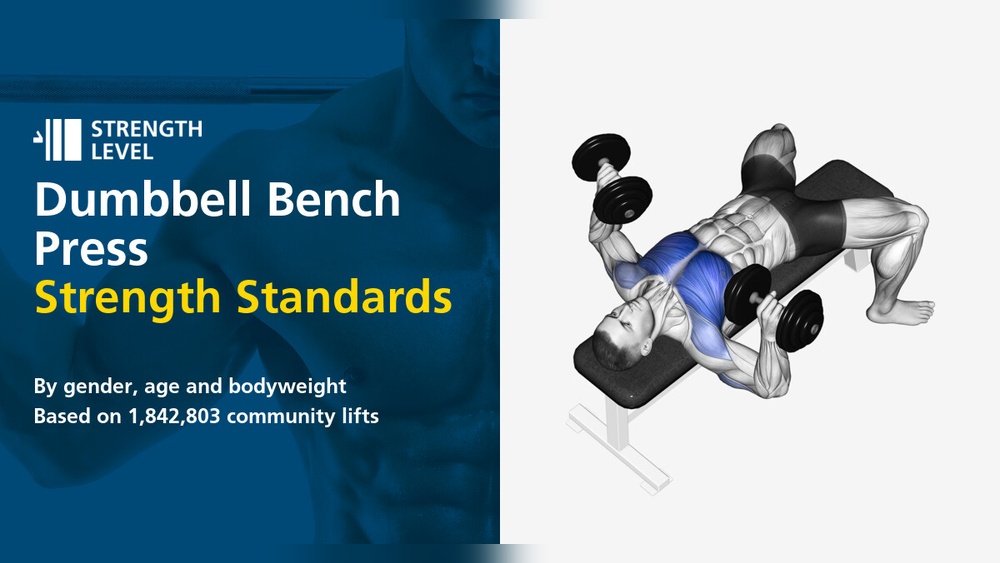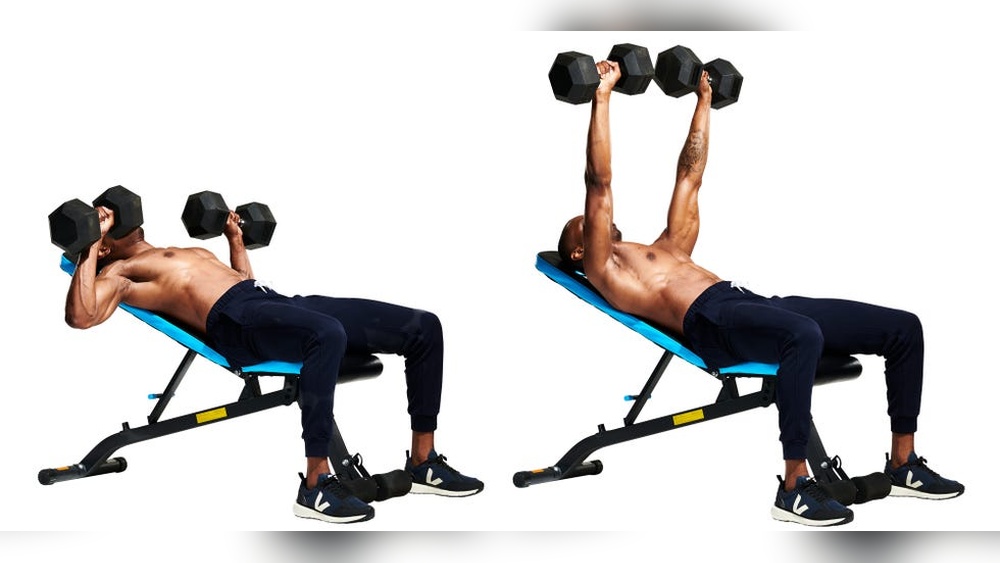
Are you struggling to find the perfect number of reps for your incline dumbbell press? Getting this right can make a huge difference in building your chest muscles and avoiding injury.
Whether you want to build strength, increase muscle size, or improve endurance, the reps you choose matter a lot. Keep reading, and you’ll discover exactly how many reps you should be doing to reach your fitness goals faster and smarter.
Your best workout starts here.
Benefits Of Incline Dumbbell Press
The incline dumbbell press offers many benefits for building upper body strength. It targets key muscles that help improve chest shape and shoulder function. This exercise supports better muscle balance and stability. Including it in your workout can boost overall upper body performance.
Targeted Muscle Groups
The incline dumbbell press mainly works the upper chest muscles. It also engages the front shoulder muscles and triceps. This focus helps create a balanced, strong upper body. Using dumbbells allows for a natural range of motion. This reduces stress on joints and muscles.
Improved Upper Chest Definition
This exercise shapes the upper chest area effectively. It adds muscle mass and creates a fuller chest look. A well-defined upper chest improves posture and appearance. Regular practice can help reduce chest sagging. It enhances the overall chest contour.
Enhanced Shoulder Stability
The incline dumbbell press strengthens shoulder stabilizer muscles. It improves shoulder joint control during lifting movements. Stronger shoulders reduce injury risk in daily activities and sports. This exercise promotes better balance and coordination. It supports long-term shoulder health.

Credit: www.youtube.com
Rep Ranges And Muscle Goals
Choosing the right number of reps for the incline dumbbell press depends on your muscle goals. Different rep ranges help build strength, size, or endurance. Understanding these ranges helps you train smarter.
Strength Building Reps
Use low reps with heavy weights to build strength. Aim for 3 to 6 reps per set. This challenges your muscles and nervous system. Rest longer between sets to recover fully. Strength training improves your power and force.
Hypertrophy Reps
To grow muscle size, use moderate reps. Perform 8 to 12 reps per set. This range causes muscle fibers to swell and grow. Keep the rest time shorter than strength training. Hypertrophy training shapes and tones your chest muscles.
Endurance Reps
High reps with lighter weights boost muscle endurance. Try 15 to 20 reps or more per set. This trains muscles to work longer without fatigue. Use shorter rest periods to increase stamina. Endurance reps help with muscle control and lasting effort.
Choosing The Right Rep Range
Choosing the right rep range for the incline dumbbell press is key to getting good results. The number of reps you do changes how your muscles grow and get stronger. Finding the right balance helps you reach your fitness goals faster. This section helps you pick the best rep range for your workouts.
Assessing Your Fitness Level
Start by knowing your current strength and endurance. Beginners should pick lighter weights with more reps. This builds muscle and improves form safely. Advanced lifters can use heavier weights and fewer reps. This helps increase muscle size and power. Be honest about your fitness to avoid injury.
Aligning Reps With Goals
Different goals need different rep ranges. For muscle growth, aim for 8 to 12 reps per set. For strength, choose 4 to 6 reps with heavier weights. For endurance, try 15 or more reps with lighter weights. Pick a rep range that matches what you want to achieve.
Balancing Weight And Reps
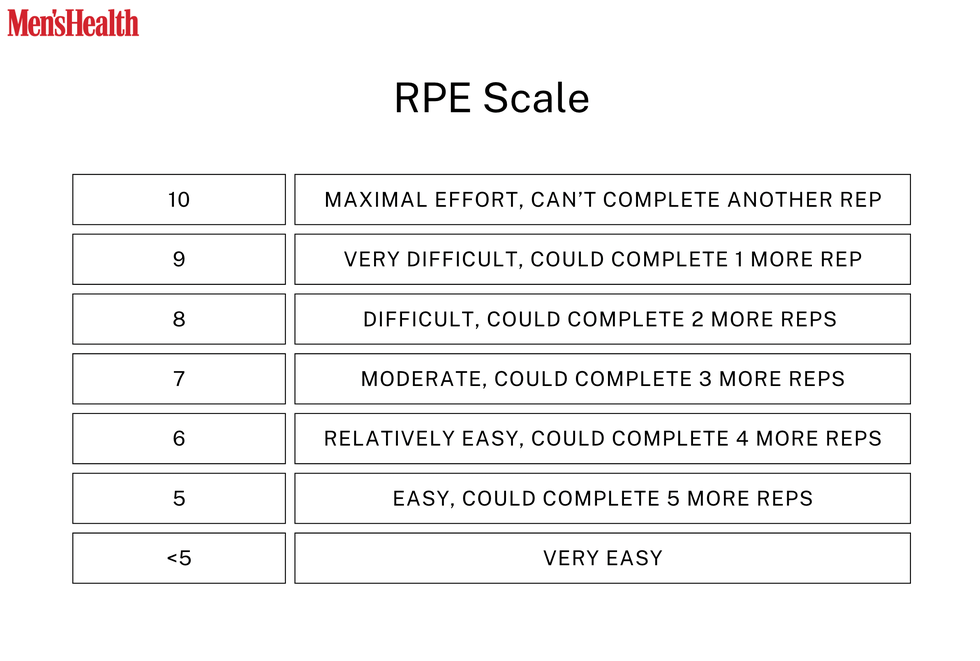
Use a weight that challenges your muscles without losing form. If you can do too many reps easily, increase the weight. If your form breaks, lower the weight. The right balance helps you improve safely and effectively. Focus on controlled movements during each rep.
Credit: www.muscleandstrength.com
Proper Form For Incline Dumbbell Press
Proper form is key for the incline dumbbell press. It helps target your upper chest effectively. It also prevents injuries and improves workout results. Each step must be done carefully. Pay close attention to how you position your body and move the weights.
Setting Up The Bench
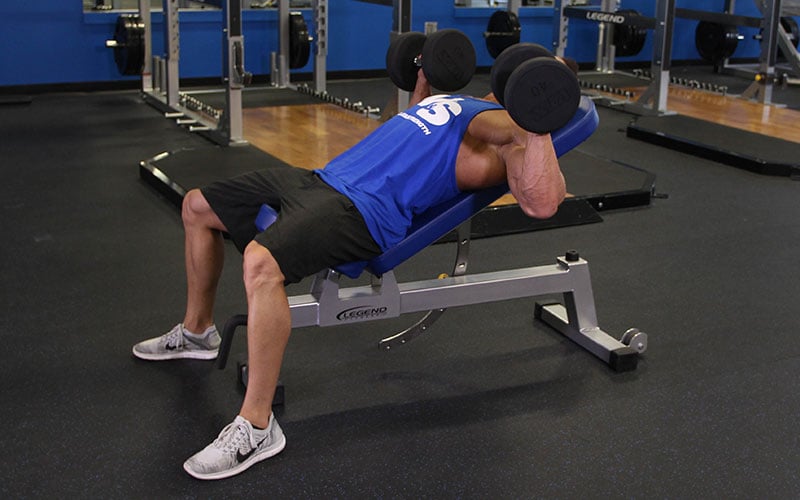
Start by setting the bench at a 30 to 45-degree angle. This angle targets the upper chest best. Sit on the bench and place your feet flat on the floor. Keep your back pressed against the bench. Avoid arching your lower back too much. This setup keeps your body stable during the lift.
Grip And Arm Position
Hold the dumbbells with a firm grip. Your palms should face forward. Keep your elbows at about a 45-degree angle from your body. Avoid flaring your elbows out wide. This position reduces shoulder strain and activates the chest muscles. Keep your wrists straight to avoid injury.
Controlled Movement
Lift the dumbbells slowly and steadily. Push the weights up until your arms are almost straight. Do not lock your elbows at the top. Lower the dumbbells slowly back to the starting position. Control the movement to engage muscles fully. Avoid dropping the weights quickly. Controlled motion helps build strength safely.
Common Mistakes To Avoid
Performing the incline dumbbell press correctly is key to building chest muscles safely. Many people make common mistakes that slow progress and cause injuries. Avoid these errors to get the best results from your workout.
Overloading Weight
Picking weights that are too heavy is a common error. It leads to poor form and raises injury risk. Using manageable weights helps maintain control and muscle engagement. Focus on quality over quantity for better gains.
Neglecting Full Range Of Motion
Stopping short during the press limits muscle activation. Lower the dumbbells fully and press until your arms almost lock. This ensures muscles work through their entire length. It also improves strength and muscle growth.
Ignoring Shoulder Alignment
Wrong shoulder position can cause pain and damage. Keep shoulders down and back during the press. Avoid letting elbows flare out too much. Proper alignment protects joints and targets the chest better.
Progressive Overload Techniques
Progressive overload is key to building strength and muscle with the incline dumbbell press. It means increasing the challenge on your muscles over time. This helps your muscles grow and get stronger. Using different techniques keeps your workouts fresh and effective. Here are some simple ways to apply progressive overload.
Increasing Reps
One way to increase difficulty is by adding more reps. Start with a comfortable number of reps per set. Gradually add one or two reps each week. This forces your muscles to work harder. Increasing reps builds endurance and strength.
Adding Weight Gradually
Another method is to increase the dumbbell weight. Use small weight jumps to avoid injury. Adding weight challenges your muscles to adapt. This method helps build muscle size and power. Always keep good form to prevent strain.
Adjusting Tempo
Changing the speed of your reps affects muscle tension. Slow down the lowering phase of the press. Hold the dumbbells briefly at the bottom. Speed up the pressing movement. This variation increases time under tension. It enhances muscle growth and control.
Incorporating Rest And Recovery
Rest and recovery play a key role in any workout routine, including the incline dumbbell press. Taking time to rest helps your muscles grow stronger and prevents injury. It also improves your performance for each set.
Without proper rest, your muscles cannot repair well. This leads to fatigue and less effective workouts. Planning rest and recovery correctly ensures you get the best results from your training.
Optimal Rest Between Sets
Rest time affects how many reps you can do and how strong you feel. For strength and muscle growth, rest about 60 to 90 seconds between sets. Shorter rest helps endurance but may lower strength in the next set. Longer rest of 2 to 3 minutes is good for heavy lifting and full recovery.
Muscle Recovery Tips
After your workout, give your muscles time to heal. Eat protein-rich foods to help rebuild muscle fibers. Stay hydrated to support recovery and reduce soreness. Light stretching or gentle movement can reduce stiffness. Sleep well to boost muscle repair and energy levels.
Avoiding Overtraining
Training too hard without rest can cause overtraining. Signs include constant tiredness, pain, and poor performance. Take rest days to let your body recover fully. Mix hard workouts with easier days. Listen to your body and avoid pushing through pain.
Sample Rep Schemes For Muscle Growth
Sample rep schemes help guide your incline dumbbell press workouts. They target muscle growth with clear sets and reps. Following a plan fits your skill level and goals. Below are three routines for different experience levels. Each scheme balances effort and rest for best results.
Beginner Routine
Start with 3 sets of 10 to 12 reps. Use light to moderate weight. Focus on form and control. Rest 60 to 90 seconds between sets. This routine builds strength and muscle safely. Keep the pace steady and avoid rushing.
Intermediate Routine
Try 4 sets of 8 to 10 reps. Increase the weight slightly from beginner level. Push your muscles to work harder but stay controlled. Rest 60 seconds between sets. This scheme promotes muscle size and endurance. Keep your movements smooth and precise.
Advanced Routine
Perform 5 sets of 6 to 8 reps. Use heavier weights to challenge muscles fully. Focus on strong, slow lifts. Rest 90 seconds between sets to recover. This routine boosts muscle growth and strength. Maintain good form to avoid injury.
Credit: www.menshealth.com
Frequently Asked Questions
How Many Reps Should I Do For Incline Dumbbell Press?
For muscle growth, aim for 8-12 reps per set. Use a weight that challenges you but allows proper form. Lower reps (4-6) target strength, while higher reps (12-15) improve endurance.
What Is The Ideal Rep Range For Muscle Growth?
The ideal rep range for hypertrophy is 8-12 reps. This range balances muscle tension and fatigue, promoting optimal growth. Adjust weights to maintain good form throughout the set.
How Many Sets Are Best For Incline Dumbbell Press?
Perform 3 to 4 sets per workout for best results. This volume helps stimulate muscle growth without overtraining. Rest 60-90 seconds between sets for recovery.
Should I Vary Reps For Incline Dumbbell Press?
Yes, varying reps can enhance strength and size. Use heavier weights with fewer reps occasionally. Incorporate higher reps for endurance and muscle definition.
Conclusion
Choosing the right number of reps for the incline dumbbell press depends on your goals. Want to build strength? Aim for 4 to 6 reps with heavier weights. Trying to grow muscle size? Try 8 to 12 reps. For endurance, go for 12 to 15 reps with lighter weights.
Always focus on good form to avoid injury. Rest well between sets to recover. Adjust your reps as you get stronger. Keep track of your progress and stay consistent. Small changes lead to big results over time.