Choosing the right size for your boxing gloves is more important than you might think. If your gloves are too big or too small, it can affect your comfort, performance, and even safety.
You want gloves that fit perfectly, protect your hands, and help you train or compete with confidence. You’ll discover exactly how to find the perfect glove size for your needs. Keep reading, because the right fit can make all the difference in your boxing journey.
Credit: www.dickssportinggoods.com
Choosing Boxing Glove Sizes
Choosing the right boxing glove size is very important for comfort and safety. Gloves that are too small can hurt your hands. Gloves that are too big can reduce your control and power. Knowing how to pick the right size helps you train better and avoid injuries.
Boxing gloves come in different sizes and weights. Understanding these differences helps you find the perfect fit. This section explains key points to consider when choosing glove sizes.
Weight Vs. Size: What Matters
Glove weight is often shown in ounces (oz). It measures the padding inside the glove. More padding means heavier gloves. Size refers to how the glove fits your hand. Weight affects protection and comfort. Size affects how well you can move your hand inside the glove.
Heavier gloves give more protection but can feel bulky. Lighter gloves allow faster movement but less padding. Choose a glove weight that matches your training type. Make sure the glove size fits your hand snugly without pain.
Common Glove Sizes Explained
Boxing gloves usually come in 8oz, 10oz, 12oz, 14oz, and 16oz. 8oz and 10oz gloves are common for competition and smaller hands. 12oz and 14oz gloves are popular for training and bag work. 16oz gloves are often used for sparring to protect both fighters.
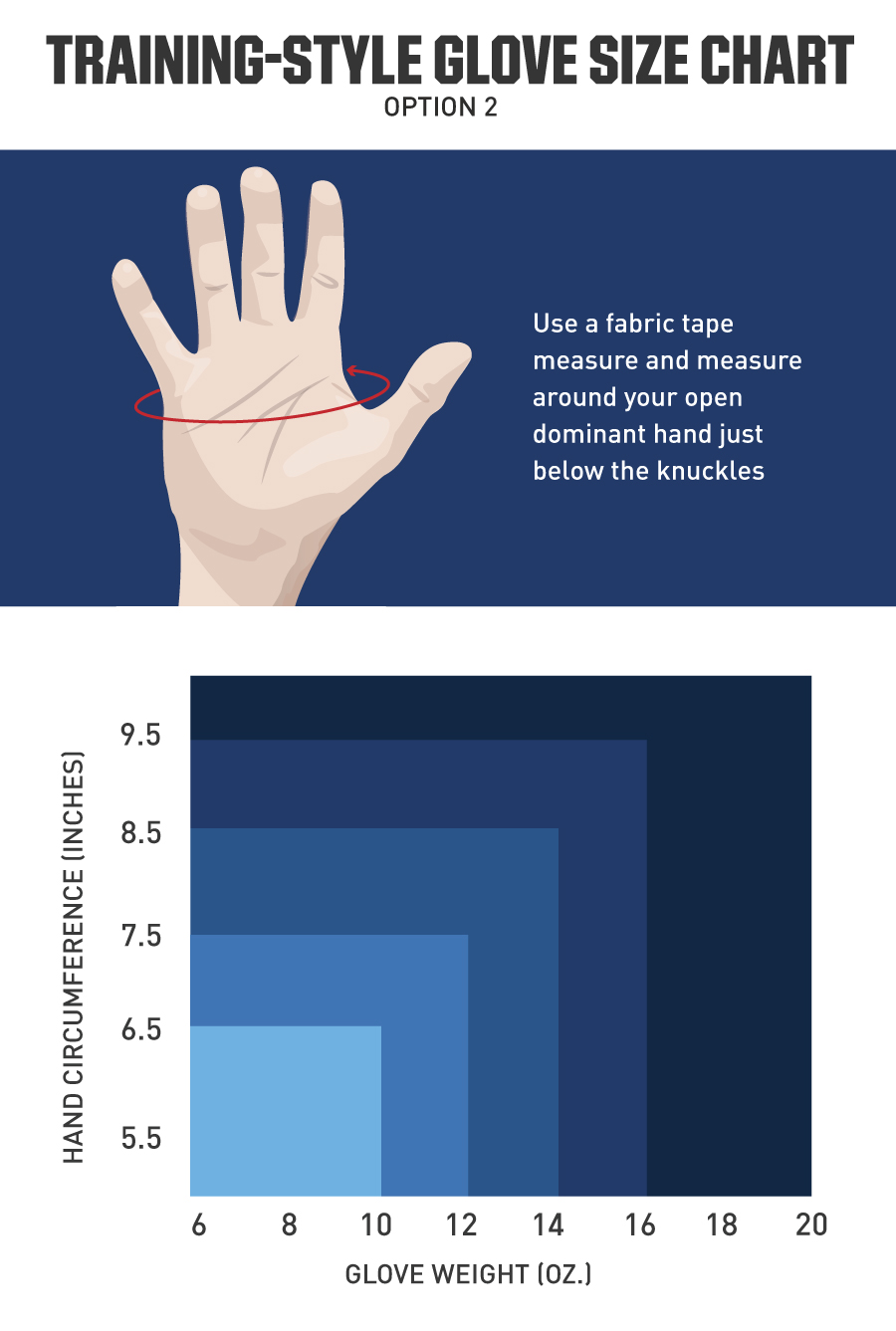
Size also depends on hand circumference. Measure around your hand just below the knuckles. Use this to check glove size charts. This helps you find gloves that fit your hand shape well.
How Weight Classes Influence Glove Size
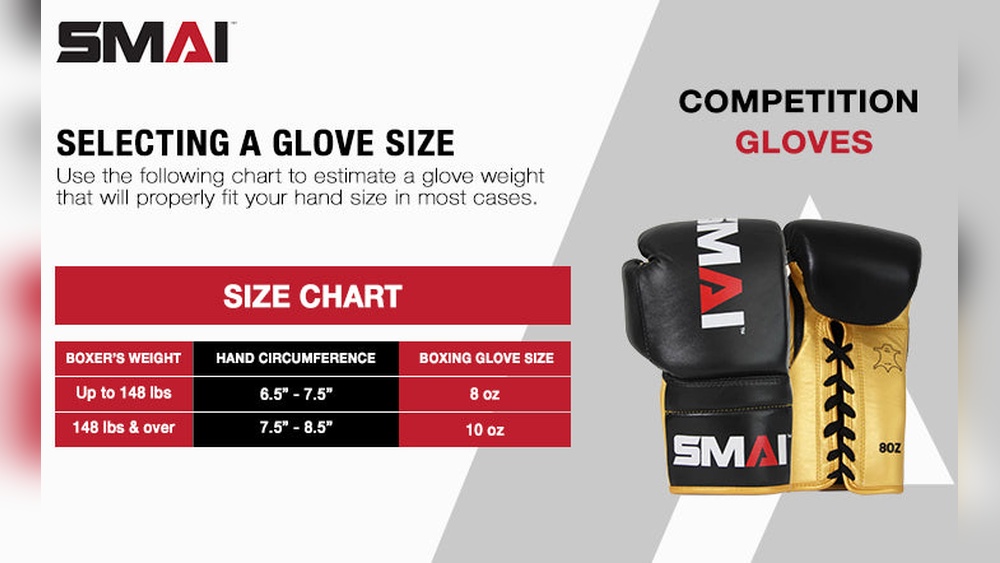
Boxers in different weight classes use different gloves. Lighter weight classes usually wear smaller gloves like 8oz or 10oz. Heavier classes wear bigger gloves like 14oz or 16oz. This helps balance power and protection.
Training gloves may differ from competition gloves. Always check your weight class rules before buying gloves. Using the right size gloves for your class keeps you safe and fair during fights.

Credit: www.smai.com.au
Measuring Your Hand For Gloves
Choosing the right size boxing gloves starts with measuring your hand correctly. Accurate measurements help you find gloves that fit well and protect your hands during training or matches. This guide explains how to measure your hand to pick the best glove size.
Hand Circumference Guide
Wrap a soft tape measure around your dominant hand’s knuckles. Keep your fingers together but relaxed. Measure the widest part, excluding the thumb. Note the number in inches or centimeters. This measurement shows your hand’s circumference, important for glove size.
Measuring Hand Length
Place your hand flat on a table, palm down. Measure from the tip of the middle finger to the base of your palm. Use a ruler or tape measure. Record the length in inches or centimeters. Hand length helps confirm the glove size for comfort.
Using Your Measurements To Pick Size
Compare your hand circumference and length with a glove size chart. Most brands list sizes based on these numbers. If your measurements fall between two sizes, choose the larger one for better fit and protection. Correct glove size improves your performance and safety.
Types Of Boxing Gloves And Fit
Choosing the right size boxing gloves depends on their type and fit. Different gloves serve different purposes. Each type offers unique features and padding. Understanding glove types helps pick the best fit for your needs. Proper fit protects your hands and your training partner.
Training Gloves
Training gloves are for daily workouts. They have extra padding to protect your hands. These gloves should fit snug but not tight. Size depends on your hand weight and comfort. Most training gloves range from 12 to 16 ounces.
Sparring Gloves
Sparring gloves offer more padding than training gloves. This extra cushion protects both fighters during practice. They are usually bigger, around 14 to 18 ounces. A looser fit helps absorb impact better. Always try sparring gloves on before buying.
Competition Gloves
Competition gloves are lighter and less padded. They focus on speed and power for matches. Sizes typically range from 8 to 10 ounces. These gloves fit tight to improve control. Proper fit is critical to avoid injury during fights.
Impact Of Glove Size On Performance
The size of your boxing gloves affects how you perform in the ring. Different sizes change your comfort, speed, power, and safety. Choosing the right size helps you train better and fight smarter. Understanding these impacts guides you to pick gloves that suit your needs.
Protection And Comfort
Bigger gloves offer more padding. They protect your hands and your opponent better. This extra cushion reduces pain and bruises. A well-padded glove feels soft and secure on your hand. Comfort helps you focus on your technique, not on hurting your hands.
Speed And Power
Smaller gloves are lighter and allow faster punches. They help you improve your hand speed and reaction time. Bigger gloves slow you down but add weight to your punches. This added weight can build your punching power over time. Choose size based on your training goals.
Injury Prevention
Proper glove size helps avoid injuries. Gloves that are too small cause hand and wrist pain. Too large gloves can slip, leading to accidents. Well-fitting gloves keep your wrist stable during impact. This lowers the chance of sprains and fractures.
Tips For Trying On Boxing Gloves
Trying on boxing gloves is an important step before buying. Gloves should feel comfortable and protect your hands well. A proper fit helps prevent injuries and improves your performance. Follow these tips to find the right size and feel for your gloves.
What To Look For In Fit
Gloves must fit snugly but not too tight. Your fingers should move slightly inside the glove. The wrist area needs good support without cutting off circulation. Check if the padding covers your knuckles fully. The gloves should feel balanced on your hand.
Common Fit Issues
Gloves that are too big can slide around and cause blisters. Too small gloves feel tight and restrict movement. Wrist straps that are loose reduce support. Padding that feels uneven can hurt during punches. Avoid gloves that pinch or cause discomfort.
Adjusting Gloves For Better Fit
Tighten wrist straps firmly but comfortably. Use hand wraps to fill extra space inside gloves. Try different brands if one feels off. Test gloves with light punches to check comfort. Adjust gloves until you feel secure and protected.
Special Considerations
Choosing the right size for boxing gloves involves more than just hand measurement. Several special factors affect the size and type of gloves you need. This section explains key points to consider for the best fit and protection.
Gloves For Kids Vs. Adults
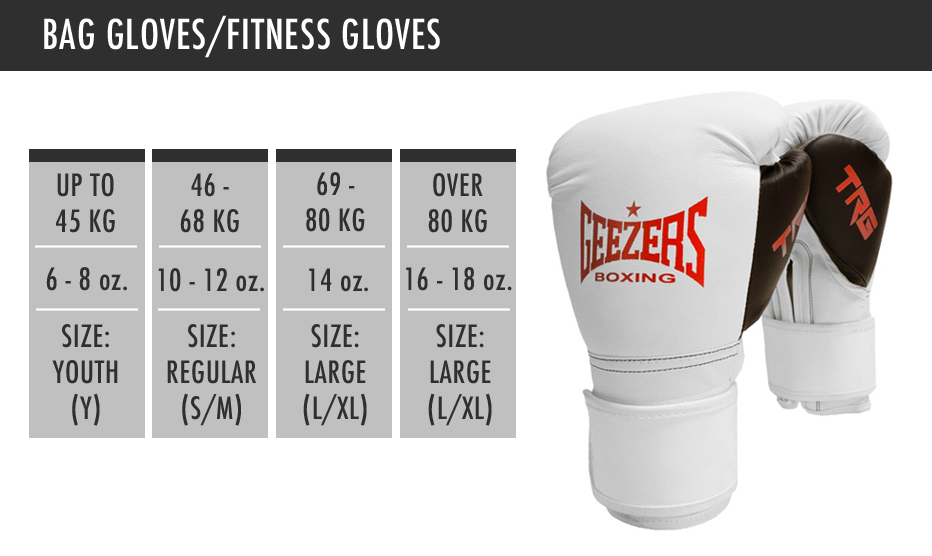
Kids need smaller gloves with lighter padding to protect their hands. Adult gloves come in larger sizes and heavier weights. Kids’ gloves usually range from 6 to 10 ounces. Adults typically use 12 to 16 ounces, depending on training needs. Using the correct size helps avoid injuries and improves comfort.
Gloves For Different Training Styles
Boxing gloves vary by training style. Bag gloves are lighter and less padded for hitting heavy bags. Sparring gloves have extra padding to protect both fighters. Competition gloves are lighter for faster punches. Choose the glove size based on your main training activity. This ensures safety and better performance.
Material And Padding Differences
Gloves come in different materials like leather and synthetic leather. Leather gloves last longer and feel softer. Padding also varies; some gloves have dense foam, others use gel. Padding affects glove weight and protection level. Pick gloves with padding that fits your training style and comfort needs.
Maintaining Your Boxing Gloves
Maintaining your boxing gloves helps them last longer and stay fresh. Gloves take a lot of wear and sweat. Proper care keeps them clean and comfortable. Simple steps extend their life and protect your hands.
Cleaning Tips
Wipe gloves with a damp cloth after each use. Avoid soaking them in water. Use mild soap if needed, but do not use harsh chemicals. Let gloves air dry completely before storing. Do not put gloves in direct sunlight or near heat. Spray a small amount of disinfectant or deodorizer inside to remove odor.
Storage Recommendations
Store gloves in a cool, dry place. Avoid leaving them in your gym bag for a long time. Use a breathable bag or mesh pouch to let air circulate. Do not crush or fold gloves when storing. Keep them away from moisture and dust. Proper storage keeps gloves in good shape and reduces smell.
When To Replace Gloves
Replace gloves if padding feels hard or thin. Look for tears or loose stitching on the outside. If gloves smell bad even after cleaning, consider new ones. Old gloves lose protection and may cause injury. Choose new gloves that fit well and suit your training style.
Credit: www.geezersboxing.co.uk
Frequently Asked Questions
What Size Boxing Gloves Suit Beginners Best?
For beginners, 12 to 14 oz gloves offer a good balance of protection and comfort. They help absorb impact and reduce injury risk. This size also allows better control and technique development during training sessions.
How To Choose Gloves For Heavy Bag Training?
Use 14 to 16 oz gloves for heavy bag workouts. They provide extra padding to protect your knuckles and wrists from repeated impact. Heavier gloves also build strength and improve endurance during bag sessions.
Does Glove Size Vary By Hand Weight Or Age?
Yes, glove size depends on hand weight and age. Kids typically use 6 to 8 oz gloves, while adults choose 12 to 16 oz. Heavier or larger hands need bigger gloves for proper fit and protection.
Can Glove Size Affect My Boxing Performance?
Absolutely. Incorrect glove size reduces comfort and protection. Too small gloves can cause hand injuries. Too large gloves limit speed and accuracy. Choose the right size to enhance technique and safety.
Conclusion
Choosing the right boxing glove size protects your hands and improves comfort. Gloves that fit well help you train better and avoid injuries. Think about your weight, hand size, and training type. Smaller gloves offer speed and control, while larger ones give more padding.
Always try gloves before buying to find the best fit. Remember, the right size keeps you safe and confident in the ring. Take your time and choose wisely for the best boxing experience.