Are you wondering how many reps of dumbbell curls you should be doing to see real results? Whether you want bigger arms, more strength, or better muscle tone, the number of reps you choose can make all the difference.
Getting it right means working smarter, not harder, and avoiding wasted effort or injury. You’ll discover the ideal rep ranges that match your goals and how to adjust your routine for maximum impact. Keep reading to unlock the secret to curling your way to stronger, more defined arms.
Benefits Of Dumbbell Curls
Dumbbell curls offer many benefits for your arms and overall fitness. They are simple but effective exercises. These curls help build strength and shape your muscles. Using dumbbells allows you to work on each arm separately. This balances muscle development and reduces injury risks.
Targeted Muscle Activation
Dumbbell curls focus mainly on the biceps. They also engage the forearms and shoulders slightly. This targeted effort helps muscles grow stronger and more defined. You can adjust the weight and reps to fit your needs. This precision makes dumbbell curls a top choice for arm training.
Improved Arm Strength
Regular dumbbell curls increase arm strength over time. Stronger arms improve daily tasks like lifting and carrying. They also support other exercises by providing better grip and control. The steady resistance builds muscle endurance and power. This leads to better performance in sports and workouts.
Versatility In Workouts
Dumbbell curls fit into many workout routines. You can do them standing, seated, or even on an incline. This variety targets muscles differently and keeps workouts fresh. They work well alone or combined with other exercises. Their portability means you can train almost anywhere.
Credit: www.muscleandfitness.com
Reps And Muscle Growth
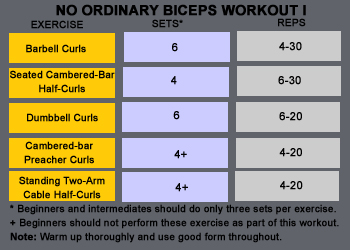
Reps play a key role in muscle growth during dumbbell curls. Different rep ranges target different muscle goals. Adjusting reps can help build strength, size, or endurance. Understanding these ranges helps you plan your workouts better.
Low Reps For Strength
Performing low reps means doing about 1 to 6 curls per set. This range focuses on building muscle strength. Lifting heavier weights with fewer reps trains your muscles to handle more load. It helps improve power but causes less muscle size growth.
Moderate Reps For Hypertrophy
Doing 8 to 12 reps per set is ideal for muscle growth or hypertrophy. This range balances weight and reps to create muscle size. It causes more muscle fiber damage, leading to better growth during rest. Most bodybuilders follow this rep range for bigger arms.
High Reps For Endurance
High reps mean doing 15 or more curls per set. This trains muscle endurance and helps muscles resist fatigue. Using lighter weights with many reps improves blood flow and muscle stamina. It is useful for toning muscles and increasing workout duration.
Finding The Right Rep Range
Finding the right rep range for dumbbell curls helps you reach your fitness goals. The number of repetitions affects muscle growth, strength, and endurance. Choosing the best rep range depends on your current fitness level and what you want to achieve. This section explains how to find the right balance for your workout.
Assessing Your Fitness Level
Start by understanding your current strength and endurance. Beginners should begin with fewer reps and lighter weights. This helps avoid injury and builds a good foundation. Experienced lifters can handle more reps or heavier weights. Knowing your limits ensures you train safely and effectively.
Balancing Volume And Intensity
Volume means the total reps and sets you do. Intensity means the weight you lift. High volume with low weight builds endurance. Low volume with high weight builds strength and muscle size. Find a balance that challenges your muscles without causing pain. Change volume and intensity as you progress to avoid plateaus.
Progressive Overload Importance
Progressive overload means increasing the challenge over time. Add more reps, sets, or weight gradually. This forces muscles to adapt and grow stronger. Without progressive overload, gains slow down. Track your workouts to make steady progress. Small increases lead to big results over time.
Optimal Rep Recommendations
Choosing the right number of dumbbell curl reps helps build strength and muscle effectively. Different skill levels need different rep ranges. This ensures steady progress without injury or burnout. Follow these guidelines to match your current fitness level and goals.
Beginners: 8-12 Reps
Beginners should aim for 8 to 12 reps per set. This range helps develop muscle endurance and form. Use lighter weights to focus on technique and avoid strain. It builds a solid foundation for future strength gains.
Intermediate: 6-10 Reps
Intermediate lifters benefit from 6 to 10 reps each set. This rep count increases muscle size and strength. Choose a moderate weight that challenges muscles but allows control. This stage is for growing muscle and improving power.
Advanced: 4-8 Reps
Advanced trainers can handle 4 to 8 reps per set. Heavier weights target maximum strength and muscle growth. Focus on controlled movements to prevent injury. This range is best for building serious muscle mass and power.
Common Mistakes To Avoid
Many people struggle with dumbbell curls because of common mistakes. These errors can slow progress and cause injuries. Avoiding them helps you get better results safely.
Using Too Much Weight
Choosing weights that are too heavy is a common problem. It makes your body cheat by using other muscles. This reduces the focus on your biceps. Start with lighter weights and increase slowly. This keeps your form clean and your muscles working well.
Poor Form And Technique
Bad form limits your gains and causes pain. Swinging your body or moving your elbows forward are common errors. Keep your back straight and elbows close to your sides. Lift the dumbbells slowly and lower them with control. Good technique helps you build strength safely.
Neglecting Recovery
Muscles need time to heal after exercise. Skipping rest days or working the same muscles daily harms progress. Rest allows muscle fibers to repair and grow. Include recovery days in your workout schedule. Your biceps will get stronger with proper rest.

Credit: www.vbafitness.com
Enhancing Growth With Variation
Adding variety to your dumbbell curl routine helps muscles grow stronger. Your muscles adapt quickly to the same exercises. Changing how you do curls keeps your muscles challenged. This leads to better growth and strength gains.
Different techniques target muscles in new ways. This prevents plateaus and improves overall arm development. Small changes in reps, sets, or speed make a big difference.
Changing Rep Schemes
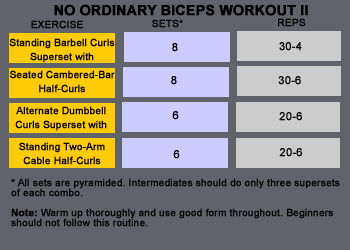
Switch your rep ranges often to stimulate growth. Use low reps with heavy weights for strength. Try 6 to 8 reps per set for this. Use higher reps with lighter weights for endurance. Aim for 12 to 15 reps in this case. Mixing these rep schemes boosts muscle size and power.
Incorporating Drop Sets
Drop sets push your muscles beyond normal fatigue. Start with a heavy weight and do curls until failure. Then lower the weight quickly and continue without rest. This extends the set and breaks muscle barriers. Drop sets increase muscle stress and growth stimulus.
Using Tempo And Pauses
Control the speed of your curls for better results. Slow down the lifting and lowering phases to increase tension. Try counting to three on both the up and down motions. Add short pauses at the top to hold the contraction. This helps activate more muscle fibers and builds strength.
Tracking Progress Efficiently
Tracking progress efficiently is key to improving your dumbbell curls. It helps you see real gains and keeps you motivated. Without tracking, you might miss signs of improvement or overwork your muscles. Simple methods can make a big difference in your workout results.
Logging Reps And Weight
Write down the number of reps and the weight you use each session. This record shows your progress over time. You can spot when to increase weight or reps. Use a notebook or a mobile app for easy tracking.
Listening To Muscle Fatigue
Pay attention to how your muscles feel during and after curls. Fatigue means your muscles are working hard. Too much fatigue might mean you need to rest or reduce weight. Proper rest helps muscles grow stronger and avoid injury.
Adjusting Plans Regularly
Change your reps or weight based on your progress. If reps feel easy, add more or increase weight slightly. If too hard, reduce reps or weight. Regular adjustments keep your muscles challenged and improving.
Credit: www.muscleandfitness.com
Frequently Asked Questions
How Many Dumbbell Curl Reps Build Muscle Best?
Perform 8-12 reps per set for optimal muscle growth. This range maximizes muscle tension and fatigue for hypertrophy. Use a challenging weight that maintains good form throughout. Aim for 3-4 sets to effectively stimulate muscle fibers and promote strength gains.
What Rep Range Suits Dumbbell Curls For Endurance?
For muscular endurance, perform 15-20 reps per set. This higher range improves muscle stamina and resistance to fatigue. Use lighter weights to maintain proper technique. Completing 2-3 sets helps build endurance without risking injury or excessive fatigue.
How Often Should I Do Dumbbell Curls Weekly?
Training dumbbell curls 2-3 times per week is ideal. This frequency allows muscles to recover and grow effectively. Avoid training the same muscle group daily to prevent overuse injuries. Rest days are crucial for optimal strength development and muscle repair.
Should I Increase Reps Or Weight For Progress?
Increase weight when you can complete your target reps easily. Gradually adding weight challenges muscles and prevents plateaus. If you cannot increase weight, increase reps slightly to continue progress. Balance both methods for steady strength and muscle gains.
Conclusion
Finding the right number of dumbbell curl reps helps build strong arms. Start with a weight that feels good but challenges your muscles. Aim for 8 to 12 reps per set to build strength and size. Rest between sets to avoid fatigue and keep good form.
Listen to your body and adjust reps as you grow stronger. Consistency matters most for steady progress. Keep curling, stay patient, and enjoy your arm gains. Simple steps lead to better results.