Choosing the right weight of boxing gloves can change everything about your training and performance. If you pick gloves that are too heavy, you might tire out quickly.
Too light, and you could risk injury or not get the right protection. You might be wondering, “What weight of boxing gloves should I use? ” This guide will clear up the confusion and help you find the perfect fit for your style, skill level, and goals.
Keep reading to discover how to protect your hands, improve your punches, and get the most out of every workout.
Credit: www.tondicaffe.com
Choosing Gloves By Weight Class
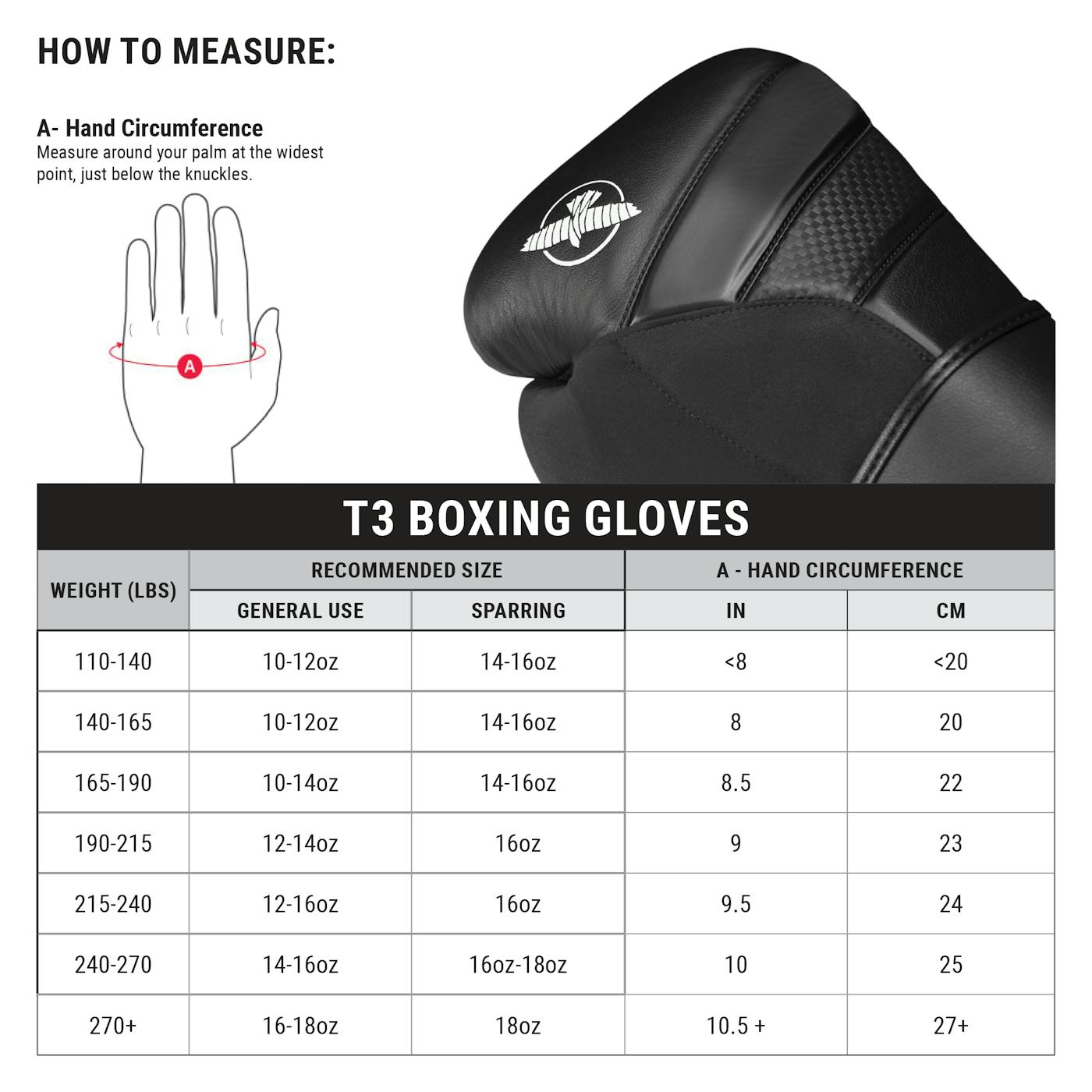
Choosing the right boxing gloves depends on your weight class. Gloves come in different weights to match your body size and training needs. The right glove weight helps protect your hands and your opponent. It also improves your performance in the ring. Below are recommendations based on common weight classes.
Lightweight Fighters
Lightweight fighters usually weigh under 135 pounds. Gloves weighing 10 to 12 ounces suit them best. These gloves offer good hand protection without adding too much bulk. They allow faster punches and better control. Lightweight gloves also reduce fatigue during training and fights.
Middleweight Fighters
Middleweight fighters weigh between 135 and 160 pounds. Gloves of 12 to 14 ounces work well for this group. These gloves balance protection and power. They help absorb impact while keeping your hands quick. Middleweight gloves support longer training sessions and safer sparring.
Heavyweight Fighters
Heavyweight fighters weigh over 160 pounds. Gloves of 14 to 16 ounces are ideal for them. Heavier gloves provide extra padding for stronger punches. They protect the hands and wrists during heavy hits. These gloves also help control power and reduce injury risk.

Credit: kdfoundation.org
Glove Weights And Training Types
Choosing the right glove weight depends on your training type. Different gloves suit different workouts. Using the correct gloves helps protect your hands and improves your training results.
Understanding glove weights and their uses makes your training safer and more effective. Let’s explore glove types and their common weights.
Sparring Gloves
Sparring gloves are heavier to protect both you and your partner. They usually weigh 14 to 16 ounces. The extra padding reduces impact during practice fights. These gloves help avoid injuries and keep sparring safe.
Bag Gloves
Bag gloves are lighter and designed for punching bags. They often weigh between 10 and 12 ounces. These gloves allow faster punches and better wrist support. They protect your knuckles from bag impact and improve technique.
Competition Gloves
Competition gloves are lighter and made for matches. They usually weigh 8 to 10 ounces depending on the boxing rules. These gloves offer less padding for faster punches. They help you deliver strong, quick hits during fights.
Factors Influencing Glove Choice
Choosing the right weight for boxing gloves depends on several key factors. These factors help ensure comfort, safety, and adherence to rules. Understanding them makes selecting gloves easier. Each factor plays an important role in your boxing experience.
Hand Size And Comfort
Glove weight must match your hand size for a good fit. Gloves too heavy or too light can feel uncomfortable. Proper fit allows better control and movement during training or fights. Try gloves on before buying to check comfort and fit.
Protection And Safety
Heavier gloves provide more padding and reduce injury risk. They protect your hands and your opponent during sparring or matches. Lighter gloves give faster punches but less protection. Choose gloves that balance speed and safety for your needs.
Regulations And Rules
Different competitions require specific glove weights. Amateur and professional matches may have different rules. Check the rules before buying gloves for competition use. Using the correct glove weight avoids penalties and disqualification.
Material And Construction Impact
Choosing the right weight of boxing gloves involves more than just size. The material and how the gloves are made affect comfort and protection. These factors impact your training and performance. Understanding these details helps pick gloves that suit your needs.
Leather Vs. Synthetic
Leather gloves last longer and feel softer. They mold to your hand over time. Synthetic gloves cost less and dry faster. They suit beginners or casual users. Leather offers durability. Synthetic offers easy care and lighter weight.
Padding Thickness
Thicker padding protects your knuckles better. It also absorbs shock during punches. Thinner padding gives more speed and control. Choose padding based on your training style. More padding suits heavy bag work. Less padding suits sparring and speed drills.
Wrist Support
Good wrist support prevents injuries. It keeps your wrist stable during punches. Gloves with strong wrist straps offer better control. Look for gloves with adjustable closures. This helps fit the gloves tightly. Support matters for both beginners and pros.
Common Mistakes In Glove Selection
Choosing the right boxing gloves is not always easy. Many beginners make common mistakes that affect their training and safety. Picking gloves without careful thought can lead to discomfort and injury. This section highlights frequent errors in glove selection to help avoid them.
Choosing Too Light Or Too Heavy
Some boxers select gloves that are too light. Light gloves offer less padding and protection. This can cause hand pain and injuries during intense training. Others pick gloves that are too heavy. Heavy gloves tire out the arms quickly and slow down movements. The right weight balances protection and comfort.
Ignoring Fit And Comfort
Many ignore how gloves fit their hands. Gloves that are too tight cause pain and restrict movement. Gloves that are too loose reduce control and increase injury risk. Comfortable gloves support the wrist and allow natural hand motion. Proper fit improves performance and safety.
Overlooking Intended Use
Different gloves serve different purposes. Training gloves differ from competition gloves. Sparring gloves have extra padding to protect both fighters. Bag gloves focus on durability and wrist support. Using the wrong glove type reduces effectiveness and raises injury chances.
Tips For Trying And Buying Gloves
Choosing the right boxing gloves takes more than just picking a weight. Trying and buying gloves carefully helps you find comfort and protection. Follow simple tips to make your choice easier and better.
Testing Fit And Flexibility
Wear the gloves and check how they feel on your hands. They should fit snugly without squeezing too much. Move your fingers and make a fist to test flexibility. Gloves that limit your movement can cause discomfort and reduce performance.
Considering Brand Reputation
Pick gloves from brands known for quality and safety. Trusted brands often use better materials and offer good padding. Reading reviews or asking experienced boxers helps find reliable options. A well-known brand usually means better protection for your hands.
Budget And Longevity
Set a budget before buying gloves. Cheaper gloves may wear out fast and need replacing soon. Investing in gloves with good durability saves money over time. Look for gloves that balance cost and quality for the best value.
:format(jpeg)/f/115220/1244x700/b5324542a6/boxing-glove-ounces-explained-youtube-video.jpg)
Credit: blog.joinfightcamp.com
Frequently Asked Questions
What Weight Boxing Gloves Are Best For Beginners?
For beginners, 12 to 14-ounce gloves provide balanced protection and comfort. They help reduce hand injuries and improve technique while training.
How To Choose Glove Weight For Sparring?
Choose 16-ounce gloves for sparring to ensure safety. Heavier gloves offer better padding, protecting both you and your partner during practice.
Do Heavier Gloves Build More Strength?
Yes, heavier gloves increase arm endurance and strength. Training with 16-ounce or higher gloves enhances muscle tone and punching power over time.
What Glove Weight Is Suitable For Bag Work?
For bag work, 12 to 14-ounce gloves are ideal. They offer enough padding to protect your hands and allow effective striking.
Conclusion
Choosing the right boxing glove weight helps protect your hands and improves training. Lighter gloves feel faster but offer less padding. Heavier gloves slow you down but give more protection. Think about your purpose: sparring, bag work, or competition. Also, consider your hand size and strength.
Trying different gloves can help you find the best fit. Stay comfortable and safe to enjoy boxing more. Your gloves should match your needs and skill level. Keep practicing and adjusting as you grow.