Are you wondering how many reps of dumbbell press you should do to get the best results? Whether your goal is building muscle, gaining strength, or toning your chest, the number of reps you choose can make a big difference.
Getting it right helps you avoid wasted effort and frustration. You’ll discover the ideal rep range tailored to your goals, so you can maximize every workout and see real progress faster. Keep reading to find out how to make your dumbbell press sessions work harder for you!
Dumbbell Press Basics
The dumbbell press is a popular exercise for building upper body strength. It uses dumbbells to work multiple muscles at once. This exercise helps improve muscle balance and coordination. It also allows for a greater range of motion than a barbell press. Beginners and experienced lifters can benefit from the dumbbell press.
Understanding the basics of this exercise is important. Proper technique prevents injury and improves results. Knowing which muscles are targeted helps focus your workout. Keep reading to learn about the main muscles worked and tips for good form.
Muscles Targeted
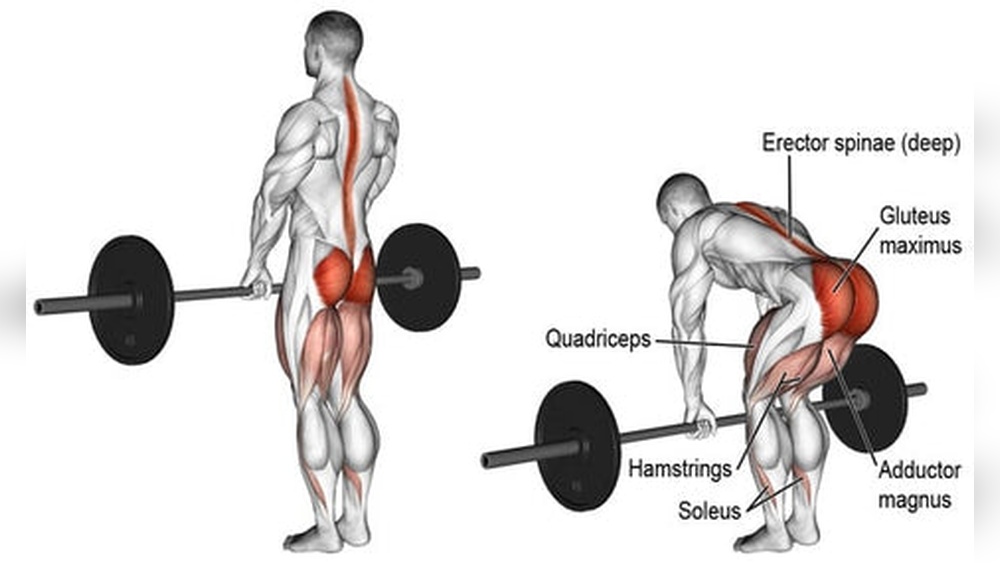
The dumbbell press mainly works the chest muscles, especially the pectoralis major. It also engages the shoulders, particularly the anterior deltoids. The triceps brachii in the back of the arms assist in pressing the weights up. The stabilizer muscles in the core and upper back help keep balance during the movement. This combination builds strength and muscle size in the upper body.
Proper Form Tips
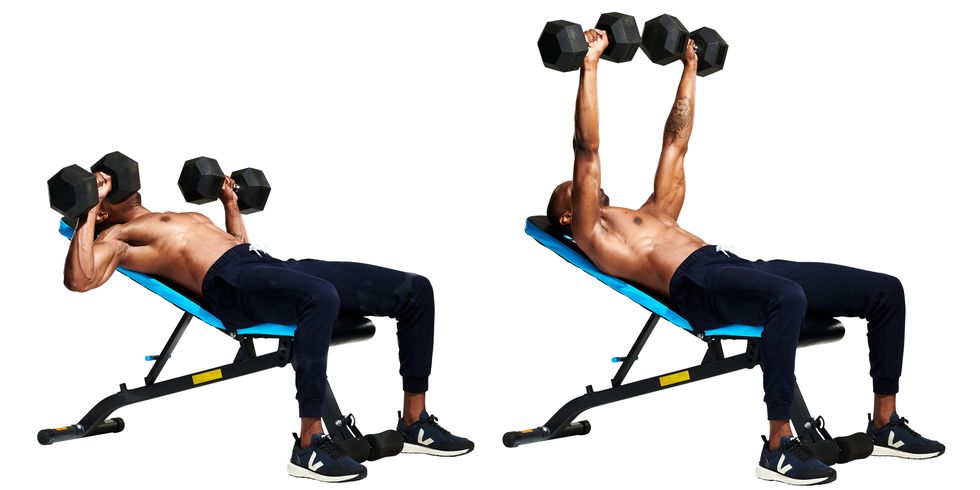
Start by lying flat on a bench with a dumbbell in each hand. Keep your feet flat on the floor for stability. Hold the dumbbells at chest level with palms facing forward. Press the weights upward until your arms are fully extended but not locked. Lower the dumbbells slowly back to the starting position. Keep your back flat against the bench and avoid arching. Control your movements to avoid injury and get the best results. Breathe out as you press up and breathe in as you lower the weights.
Credit: www.menshealth.com
Rep Ranges For Muscle Growth
Choosing the right number of reps in your dumbbell press affects muscle growth. Different rep ranges target different fitness goals. Knowing these ranges helps you train smarter and see better results.
Low Reps And Strength
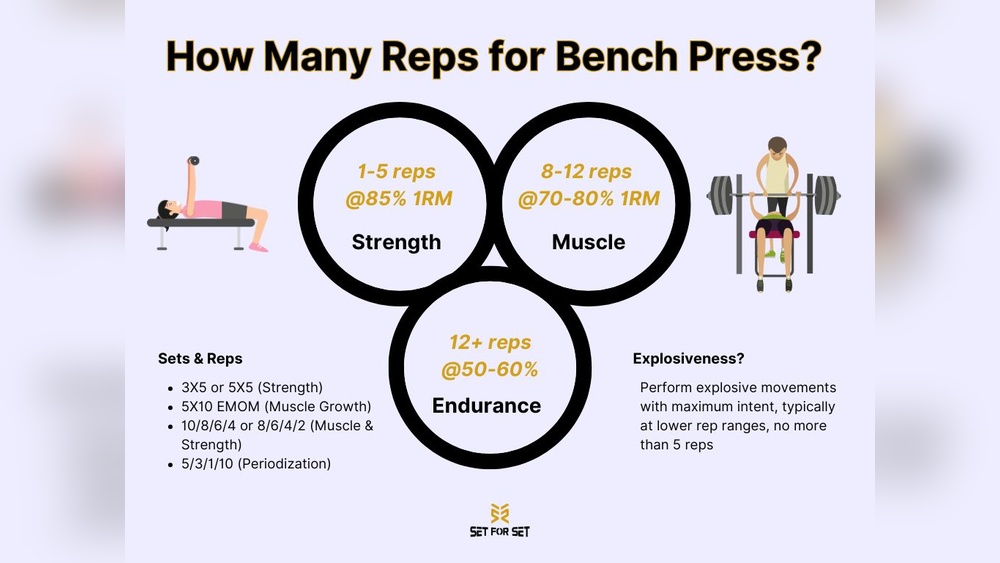
Low reps mean lifting heavy weights for fewer repetitions. Usually, this is 1 to 5 reps per set. This range builds more strength and power. Your muscles get stronger but may not grow much in size. It also improves your ability to lift heavy weights.
Moderate Reps And Hypertrophy
Moderate reps fall between 6 and 12 reps per set. This range is best for muscle growth or hypertrophy. It creates muscle tension and fatigue, which helps muscles grow bigger. Using moderate reps with proper weight makes muscles thicker and fuller.
High Reps And Endurance
High reps mean doing 15 or more reps per set. This range builds muscle endurance and stamina. Your muscles learn to work longer without getting tired. It also helps improve blood flow and muscle tone, but does not increase muscle size much.
Choosing The Right Weight
Choosing the right weight for your dumbbell press is key to effective workouts. The right weight helps you build strength safely and avoid injury. It also keeps your muscles challenged without overdoing it. Picking too light a weight wastes effort. Too heavy a weight can cause poor form and strain.
Finding Your Max Load
Start by testing your max load. This is the heaviest weight you can lift once with good form. Use a spotter for safety. Warm up first to prevent injury. Increase the weight gradually. Stop when you cannot lift the dumbbells properly. This weight is your max load.
Adjusting Weight For Reps
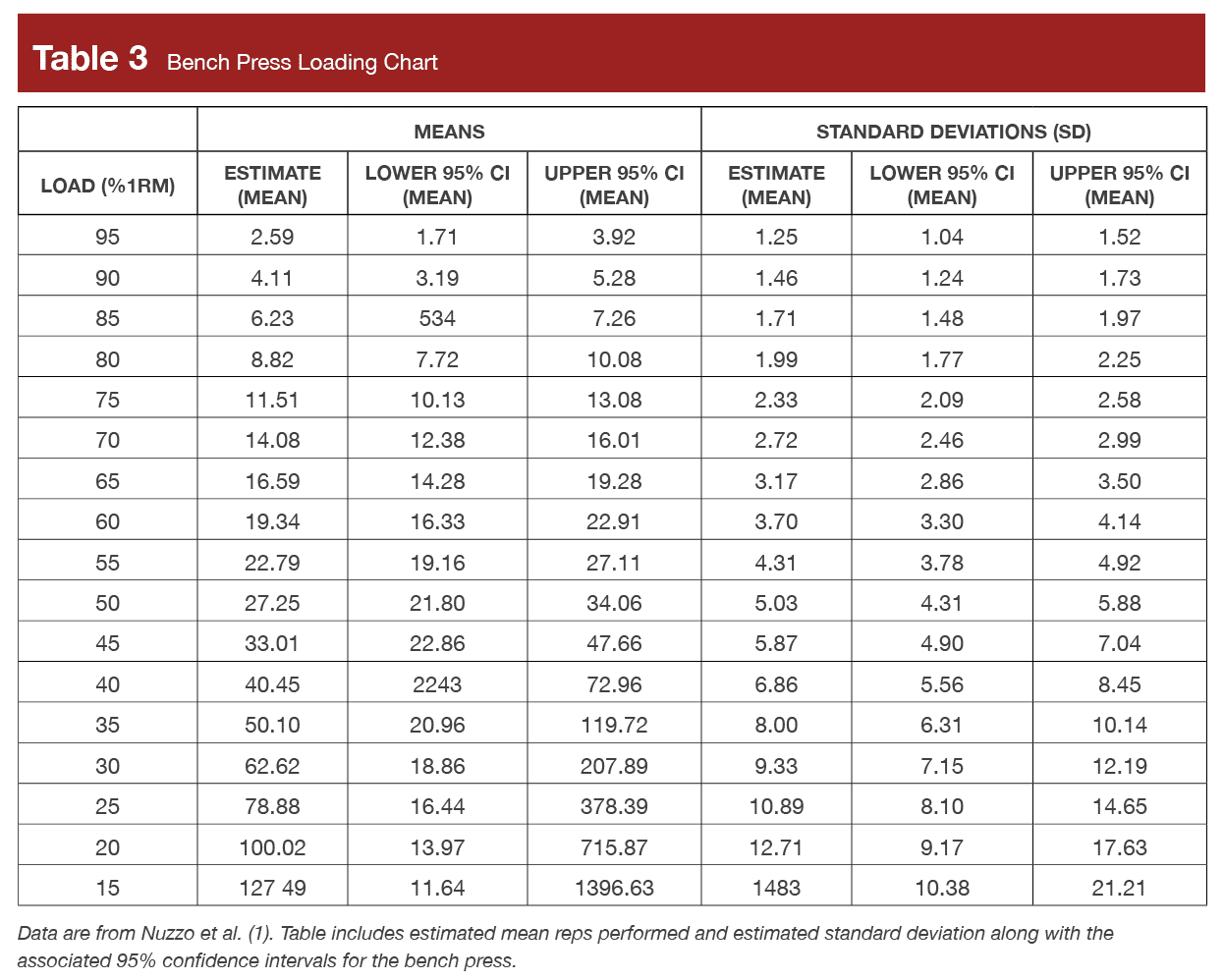
Your weight choice depends on your rep goals. For muscle strength, pick a weight you can lift 4-6 times. For muscle size, aim for 8-12 reps. For endurance, choose a lighter weight for 15-20 reps. Adjust the weight if you cannot finish your reps. Change it if reps feel too easy.
Sets And Rest Periods
Sets and rest periods are key parts of any dumbbell press routine. They affect muscle growth and recovery. Choosing the right number of sets and rest time helps you reach your fitness goals faster. Let’s explore how to optimize these factors.
Optimal Sets For Growth
For muscle growth, aim for 3 to 5 sets of dumbbell press. This range balances effort and recovery. Fewer than 3 sets may limit muscle stimulus. More than 5 sets can cause fatigue and reduce performance. Stick to this set range for steady progress.
Rest Time Between Sets
Rest periods influence your strength and muscle gains. Rest for 60 to 90 seconds between sets. This time allows muscles to recover enough for the next set. Shorter rests increase intensity and endurance. Longer rests help you lift heavier weights. Adjust rest based on your goal and fitness level.
Common Mistakes To Avoid
Knowing how many reps to do in a dumbbell press is important. Avoiding common mistakes helps you get better results and stay safe. These errors can slow progress or cause injury. Focus on good habits and smart training.
Overtraining Risks
Doing too many reps can tire your muscles. Overtraining slows down recovery. It can cause pain and muscle damage. Rest days are just as important as workout days. Balance work and rest to keep improving. Stop if you feel sharp pain or extreme fatigue.
Form Breakdown Issues
Bad form leads to injuries and poor results. Dropping elbows too low strains your shoulders. Arching your back too much can hurt your spine. Keep your movements controlled and steady. Use a weight you can handle without losing form. Quality beats quantity every time.
Credit: www.strongerbyscience.com
Progression Strategies
Progression strategies help you improve your dumbbell press over time. They guide how to increase strength and muscle safely. Without a plan, progress can stall or injuries may happen. Focus on steady, small changes for lasting results.
Increasing Reps Over Time
Start by choosing a weight you can lift with good form. Try to do the same number of reps each workout. Once it feels easier, add one or two more reps. Slowly increase reps week by week. This builds endurance and strength without strain. Avoid pushing too hard too fast. Your muscles need time to adapt.
Adding Weight Safely
After increasing reps, raise the dumbbell weight a little. Choose a small jump in weight to keep control. Make sure you can still do the exercise with proper form. Lower the weight if your form breaks down. Always warm up before lifting heavier. Add weight only when your muscles feel ready. Safety prevents injuries and helps steady gains.
Integrating Dumbbell Press Into Workouts
The dumbbell press is a versatile exercise. It targets the chest, shoulders, and triceps. Adding it to your workout can improve upper body strength and muscle balance. Using dumbbells allows for a greater range of motion. This helps activate more muscle fibers than machines or barbells. Integrating the dumbbell press into your routine enhances overall fitness and muscle symmetry.
Choosing the right number of reps depends on your goals. Lower reps build strength, while higher reps increase endurance. Combining the dumbbell press with other exercises boosts workout variety. This keeps your sessions effective and interesting.
Pairing With Other Exercises
Pair the dumbbell press with exercises targeting different muscles. For example, combine it with rows for balanced upper body training. Include shoulder raises to focus on the deltoids. Add push-ups or dips to increase chest and tricep strength. This approach prevents muscle imbalances. It also improves overall body coordination.
Sample Workout Routines
Try this beginner routine: 3 sets of 10 dumbbell presses, 3 sets of 12 bent-over rows, and 3 sets of 15 shoulder raises. For strength, perform 4 sets of 6 dumbbell presses, 4 sets of 8 pull-ups, and 4 sets of 10 dips. For endurance, do 3 sets of 15 dumbbell presses, 3 sets of 20 push-ups, and 3 sets of 20 tricep kickbacks. Adjust weights and reps based on your fitness level.

Credit: www.setforset.com
Frequently Asked Questions
How Many Reps Of Dumbbell Press Build Muscle?
Perform 8 to 12 reps per set to build muscle effectively. This range maximizes muscle hypertrophy by creating optimal tension. Use a challenging weight to ensure muscle fatigue within these reps.
What Rep Range Suits Dumbbell Press For Strength?
For strength, aim for 4 to 6 reps per set with heavier weights. This low rep range improves muscle power and neural adaptations. Rest longer between sets to recover fully.
How Many Dumbbell Press Reps For Endurance Training?
To boost muscular endurance, perform 15 to 20 reps per set using lighter weights. This helps muscles sustain prolonged activity. Keep rest periods short to maintain intensity.
Should Reps Vary For Dumbbell Press Workouts?
Yes, varying reps prevents plateaus and promotes balanced gains. Combine low, moderate, and high reps in your routine. This approach targets strength, size, and endurance effectively.
Conclusion
Choosing the right number of dumbbell press reps matters a lot. It helps build strength or improve muscle endurance. Beginners should start with fewer reps and lighter weights. More reps with moderate weight suit those aiming for endurance. Always focus on good form to avoid injury.
Rest between sets is important for recovery. Listen to your body and adjust reps as needed. Consistency and patience bring the best results. Keep your workout simple and steady. Progress comes step by step, not all at once.