Are you wondering how much weight you should use for your dumbbell rows? Choosing the right weight can make all the difference in building strength without risking injury.
If you lift too light, you might not see progress. Too heavy, and you could strain your muscles or lose proper form. This guide will help you find the perfect balance, so your workouts become more effective and rewarding. Keep reading to discover how to pick the right dumbbell weight for your rows and get the most out of every rep.

Credit: strengthlevel.com
Benefits Of Dumbbell Rows
Dumbbell rows are a powerful exercise with many benefits. They help build strength in your back and arms. This move also supports better movement and body control. Many people use dumbbell rows to improve their fitness and daily activities. The benefits go beyond just muscle growth. Let’s explore the key advantages of dumbbell rows.
Targeted Muscle Groups
Dumbbell rows mainly work the muscles in your upper back. These include the lats, traps, and rhomboids. Your biceps and shoulders also get a good workout. Strong back muscles help balance your front body muscles. This balance reduces the risk of injury. It also improves overall strength and shape.
Improved Posture And Stability
Strong back muscles help you stand tall. Dumbbell rows strengthen muscles that support your spine. This leads to better posture and less back pain. Stability improves as your core and lower back engage during the exercise. Better posture means less strain on your neck and shoulders. Daily tasks become easier and more comfortable.
Enhanced Athletic Performance
Dumbbell rows increase pulling strength and power. This helps in sports that need quick arm and back movements. Stronger muscles improve your ability to lift, pull, and carry objects. Better muscle control reduces the chance of injuries. Athletic skills like running and jumping get a boost too.

Credit: www.youtube.com
Choosing The Right Weight
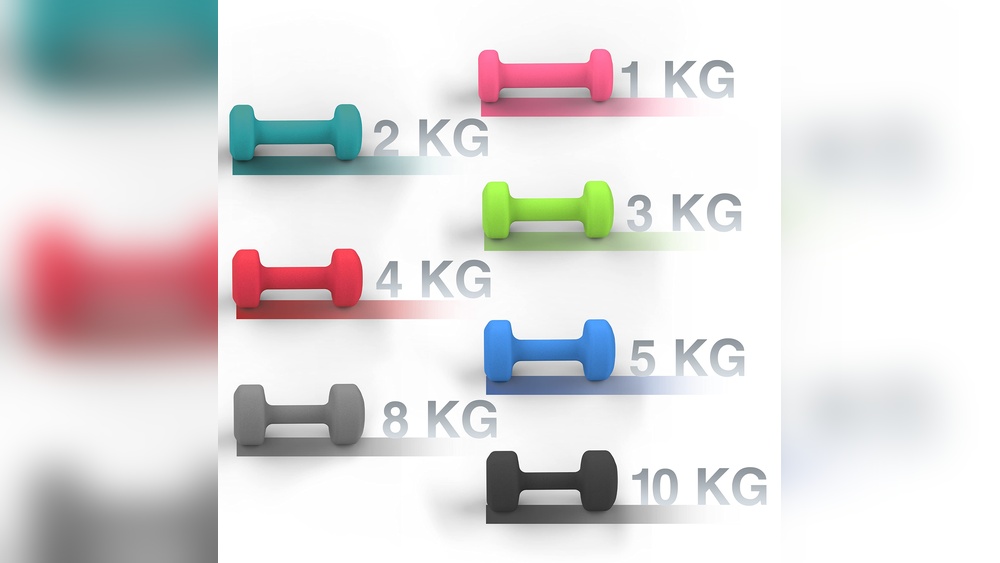
Choosing the right weight for dumbbell rows is important for building strength safely. Picking a weight that fits your current ability helps you do the exercise correctly. It also prevents injury and helps you see progress over time.
Starting Point For Beginners
Beginners should start with light dumbbells. Choose weights that allow 10 to 15 controlled reps. The last few reps should feel challenging but doable. Focus on good form before increasing weight. Start low and build confidence.
Progressive Overload Principles
Progressive overload means gradually increasing weight or reps. This helps muscles grow stronger over time. Add small weight increments every one to two weeks. You can also increase reps or sets. Keep challenging your muscles to avoid plateaus.
Signs You Need To Adjust Weight
If your form breaks down, the weight may be too heavy. Feeling pain or discomfort means stop and lower the weight. If the last reps feel easy, try a heavier dumbbell. Listen to your body and adjust as needed.
Proper Dumbbell Row Form
Proper dumbbell row form is key for a safe, effective workout. It helps target the back muscles well and reduces injury risk. Focus on body position, movement, and avoiding common errors. This ensures you get the most from your exercise sessions.
Body Positioning
Stand with feet shoulder-width apart. Hold a dumbbell in one hand. Bend at the hips, keeping your back flat. Your chest should be close to your thighs. Keep your knees slightly bent. The other hand can rest on a bench for support. This setup gives a strong base for lifting.
Movement Technique
Pull the dumbbell toward your waist. Lead with your elbow, not your hand. Keep your elbow close to your body. Pause briefly at the top of the movement. Slowly lower the dumbbell back down. Control the weight throughout the lift. Avoid swinging the dumbbell to keep tension on muscles.
Common Mistakes To Avoid
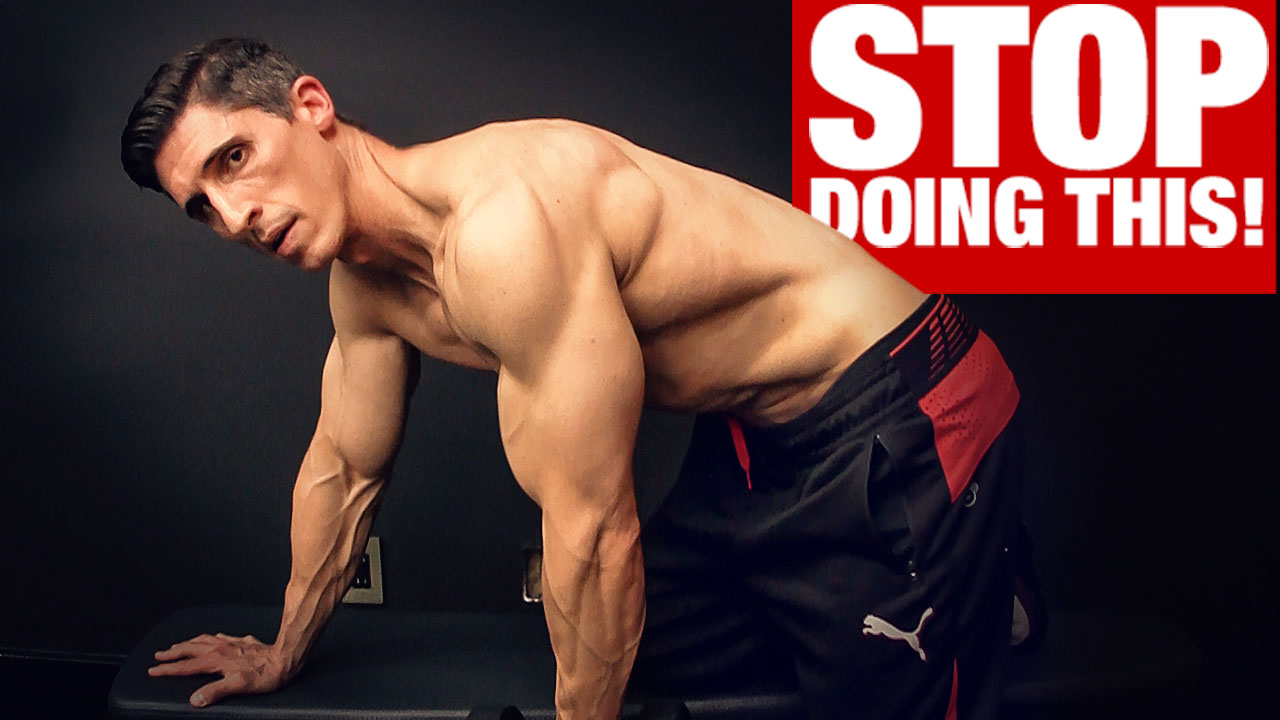
Do not round your back during the lift. Avoid using momentum to lift the dumbbell. Don’t let your shoulders twist or drop. Avoid lifting with your arm only; use your back muscles. Keep your neck neutral, not looking up or down. These mistakes reduce workout quality and increase injury risk.
Reps And Sets For Different Goals
Choosing the right number of reps and sets for dumbbell rows depends on your fitness goals. Different goals require different approaches. Understanding these can help you train smart and see better results.
Building Strength
To build strength, focus on fewer reps with heavier weights. Aim for 4 to 6 reps per set. Perform 3 to 5 sets. Rest for 2 to 3 minutes between sets. This allows your muscles to recover and lift heavier each time.
Increasing Muscle Size
For muscle growth, choose moderate weights with more reps. Try 8 to 12 reps per set. Do 3 to 4 sets to challenge your muscles. Rest for 60 to 90 seconds between sets. This keeps the muscles under tension longer, encouraging growth.
Endurance And Conditioning
To improve endurance, use lighter weights with high reps. Perform 15 to 20 reps per set. Complete 2 to 3 sets with short rests, about 30 seconds. This builds muscle stamina and helps with overall fitness.
Incorporating Dumbbell Rows Into Your Routine
Incorporating dumbbell rows into your workout helps build a stronger back. This exercise targets key muscles like the lats, rhomboids, and traps. Adding dumbbell rows can improve posture and increase pulling strength. It fits well in most strength training routines.
To get the best results, balance dumbbell rows with other back exercises. Adjust frequency to allow muscle recovery. Prepare your body with warm-ups and finish with cool-downs.
Balancing With Other Back Exercises
Combine dumbbell rows with exercises like pull-ups, lat pulldowns, and deadlifts. This approach works your back from different angles. It prevents muscle imbalances and reduces injury risk. Include both pulling and rowing movements for a full workout.
Frequency And Recovery
Train your back 2 to 3 times a week for good progress. Allow at least 48 hours between sessions to recover. Rest helps muscles repair and grow stronger. Avoid training the same muscles every day to prevent burnout.
Warm-up And Cool-down Tips
Start with light cardio or dynamic stretches to warm up your back muscles. This increases blood flow and reduces injury chances. After your workout, stretch your back gently. Cooling down helps relax muscles and improves flexibility.
Credit: learn.athleanx.com
Tracking Progress And Adjusting Workouts
Tracking progress and adjusting workouts are key to getting stronger with dumbbell rows. Recording your lifts helps you see improvement and avoid plateaus. Adjustments keep your muscles challenged and prevent injury. This section explains simple ways to track and change your routine effectively.
Using Logs And Apps
Write down your sets, reps, and weights after each workout. Use a notebook or a workout app on your phone. Apps can show your progress over time with charts and reminders. Tracking data helps you stay focused and motivated.
Listening To Your Body
Pay attention to how your muscles feel during and after workouts. Mild soreness is normal, but sharp pain is a warning. Rest if you feel too tired or sore. Your body signals when to push harder or take a break.
When To Increase Weight Or Volume
Increase weight when you can do all reps easily with good form. Add more sets or reps if you want more challenge. Gradual changes prevent injury and build strength steadily. Keep challenging yourself to make progress.
Common Challenges And Solutions
Understanding common challenges with dumbbell rows helps improve your workout. These issues often slow progress or cause discomfort. Recognizing them early allows you to adjust and keep moving forward. Below are some typical challenges and how to solve them.
Plateaus In Strength Gains
Strength plateaus happen when progress stops. Your muscles get used to the same weight and routine. Try increasing the dumbbell weight in small steps. Change your rep range or rest time. Varying the speed of your lifts also helps. These changes shock your muscles and promote growth.
Preventing Injury
Injuries often occur from poor form or lifting too heavy. Always start with a weight you can control. Keep your back straight and core tight during each row. Avoid jerky or fast movements. Warm up before exercise and stretch after. These habits protect your muscles and joints.
Dealing With Muscle Imbalances
Muscle imbalances cause one side to be stronger than the other. This can lead to pain or poor posture. Focus on working each arm separately with dumbbell rows. Use equal weight and reps on both sides. Pay attention to the weaker side to build balance. Consistency will even out strength over time.
Frequently Asked Questions
How Much Weight Should I Dumbbell Row Initially?
Start with a weight that allows 8-12 reps with good form. Typically, beginners use 10-25 lbs dumbbells. Choose a weight challenging enough to feel muscle engagement but not cause strain or poor form.
How To Increase Dumbbell Row Weight Safely?
Increase weight gradually by 5-10% once you can complete 12 reps easily. Focus on maintaining proper technique to avoid injury. Progressive overload helps build strength effectively over time.
How Often Should I Perform Dumbbell Rows Weekly?
Perform dumbbell rows 2-3 times per week with 48 hours rest between sessions. This frequency supports muscle recovery and growth without overtraining. Adjust based on your overall workout plan.
Can Dumbbell Row Weight Affect Muscle Growth?
Yes, using appropriate weight that challenges muscles promotes growth. Too light weight limits gains, while too heavy risks injury. Balance weight and reps to maximize hypertrophy safely.
Conclusion
Choosing the right dumbbell row weight matters for safe progress. Start with a weight you can lift well. Focus on form to avoid injury. Increase weight slowly as you get stronger. Listen to your body’s signals every workout. Consistency beats lifting too heavy too fast.
Keep your goals clear and stay patient. Strength builds over time, not overnight. Enjoy the process and celebrate small wins. This helps you stay motivated and improve steadily.