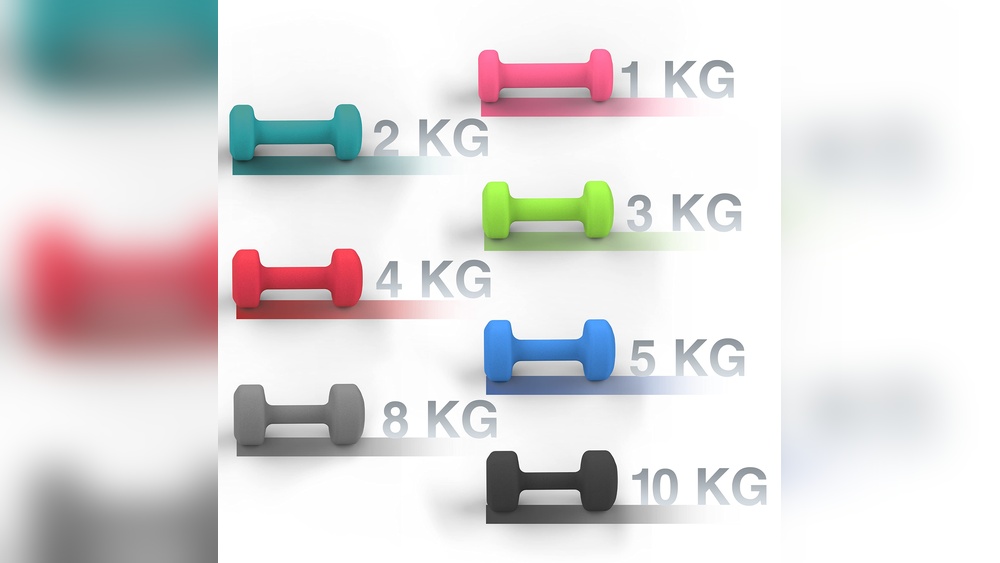
Choosing the right dumbbell weight as a beginner can feel confusing. You want to challenge your muscles but avoid injury or frustration.
Picking weights that are too heavy might leave you struggling, while ones that are too light won’t give you the results you’re after. So, how do you find that perfect starting point? You’ll discover simple tips to help you select the best dumbbells for your strength and goals.
By the end, you’ll feel confident and ready to lift with purpose and safety. Keep reading—you’re closer to unlocking your full potential than you think.
Choosing Dumbbells For Beginners
Starting with the right dumbbell weight is important for safety and progress. Beginners should pick weights that challenge muscles without causing strain. The goal is to build strength gradually and avoid injury. Choosing dumbbells is not just about lifting heavy. It’s about finding the right balance for your current fitness level.
Using dumbbells that are too heavy can lead to poor form and pain. Too light, and the exercises may not be effective. The right weight helps you complete exercises with good technique and feels challenging in the last few reps. This approach helps muscles grow and improves endurance over time.
Factors To Consider
Start by assessing your fitness level and experience with weights. Consider any joint or muscle pain you may have. Think about your workout goals, such as building strength or toning muscles. The type of exercises you plan to do matters too. Some moves need lighter weights, others heavier.
Try to test different dumbbell weights before buying. Choose a weight that lets you do 10 to 15 reps comfortably. The last two reps should feel hard but doable. Also, think about your grip and comfort. The dumbbell should feel secure and easy to hold.
Common Weight Ranges
Most beginners start with dumbbells between 3 to 10 pounds. Women often begin around 3 to 5 pounds. Men may start with 5 to 10 pounds. For smaller muscle groups, use lighter weights. Bigger muscles can handle heavier dumbbells.
Adjust the weight as you get stronger. Increase by 2 to 5 pounds when the current weight feels too easy. Using adjustable dumbbells can save space and money. They let you change weights as you improve.
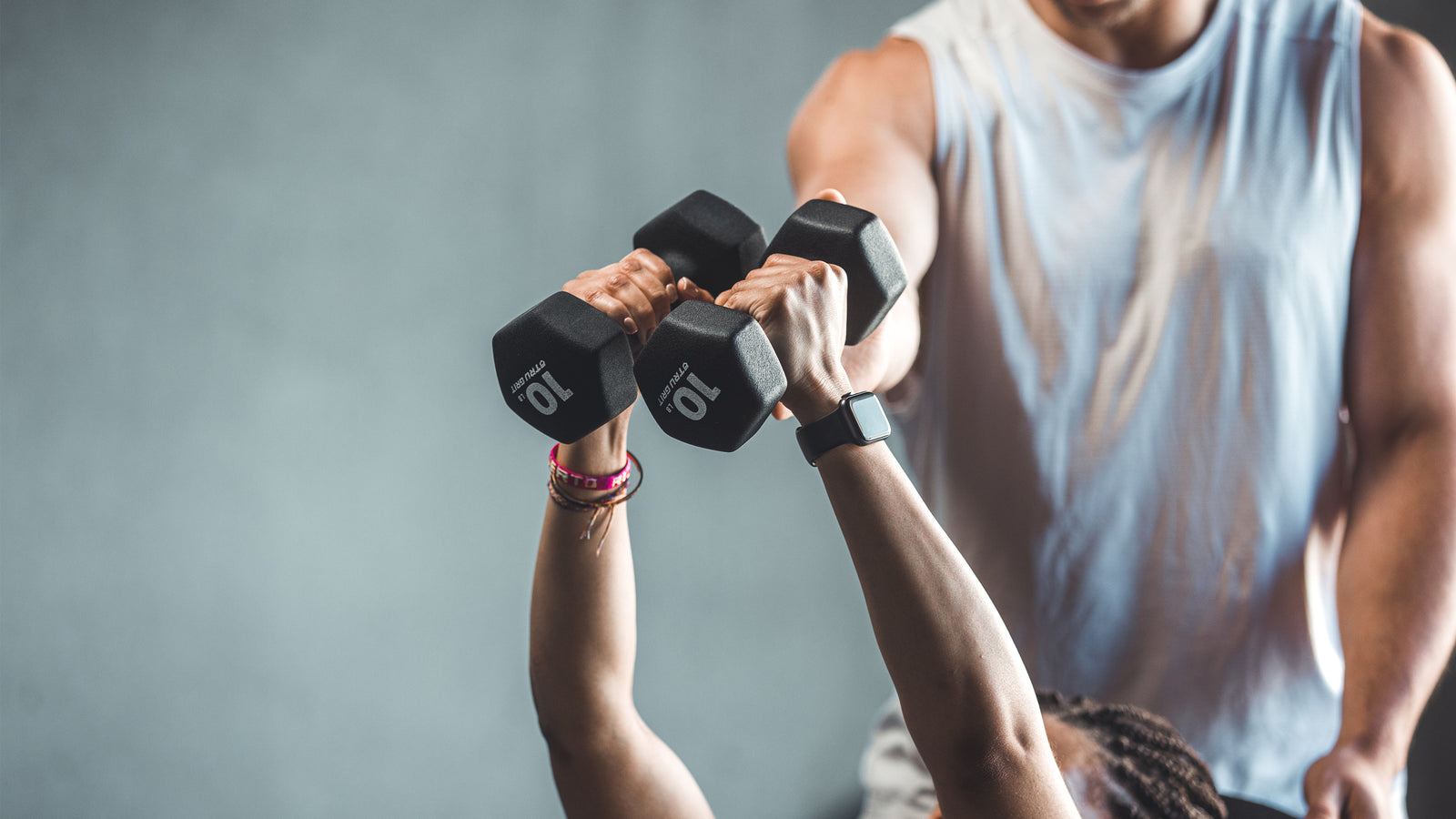
Credit: trugrit-fitness.com
Assessing Your Fitness Level
Assessing your fitness level is the first step in choosing the right dumbbell weight. It helps avoid injury and ensures steady progress. Knowing your strength helps pick dumbbells that suit your current ability. It also builds confidence as you start your workout journey.
Start by understanding your body’s current condition. Don’t rush to lift heavy weights. Small, measured steps work best for beginners. This approach keeps exercise safe and effective.
Strength Assessment Methods
Strength tests measure how much weight your muscles can handle. Simple methods include lifting a dumbbell to check comfort and control. Another way is to try a few repetitions with different weights. The goal is to find a weight that challenges muscles without causing strain.
You can also use bodyweight exercises like push-ups or squats to gauge strength. These help decide dumbbell weight based on your ability to complete sets. Tracking progress over time shows when to increase weight safely.
Identifying Your Starting Point
Begin with light dumbbells to test your strength. Choose a weight that lets you do 10 to 15 reps easily. If the weight feels too light, increase it slightly. Too heavy means lowering the weight to avoid injury.
Listen to your body’s signals. Muscle fatigue is normal, but sharp pain is not. Starting light helps build good form and prevents bad habits. This foundation is key to long-term fitness success.
Setting Realistic Goals
Setting realistic goals is key for beginners using dumbbells. It helps keep workouts safe and effective. Clear goals guide your choice of weight and exercises. Start small and build strength step by step. This approach avoids frustration and injury.
Knowing your limits lets you progress without overdoing it. Setting goals that fit your current fitness level makes exercise enjoyable. Consistent effort leads to steady improvement.
Building Strength Safely
Choose dumbbells that challenge your muscles but do not strain them. Start with light weights to learn correct form. Good technique prevents bad habits and muscle strain. Increase weight gradually as your strength improves. Small steps help muscles adapt and grow stronger. Rest days are important for muscle recovery.
Avoiding Injury
Using weights too heavy causes muscle tears and joint pain. Focus on smooth, controlled movements. Avoid jerky or fast motions that stress your body. Listen to pain signals and stop if you feel discomfort. Warm up before lifting to prepare your muscles. Cooling down after exercise helps prevent stiffness.

Credit: www.youtube.com
Recommended Dumbbell Weights By Exercise
Choosing the right dumbbell weight is key for safe and effective workouts. Different exercises need different weights. This helps build strength without causing injury. Beginners should start with lighter weights. Gradually increase the weight as strength improves. Below are recommended dumbbell weights by exercise type.
Upper Body Exercises
For upper body moves like bicep curls or shoulder presses, start with 5 to 10 pounds. Use lighter weights for smaller muscles like shoulders. Bigger muscles, like chest or back, can handle 10 to 15 pounds. Focus on control and form. Avoid heavy weights that cause strain or shaking.
Lower Body Exercises
Leg exercises often need heavier weights. Start with 10 to 20 pounds for squats or lunges. Calf raises and smaller leg muscles can use 5 to 10 pounds. Keep the weight manageable to keep balance and avoid injury. Increase weight slowly as legs get stronger.
Full Body Workouts
Full body workouts use many muscles at once. Choose moderate weights from 8 to 15 pounds to start. This helps keep good form and steady movement. You can adjust weights depending on the exercise difficulty. The goal is steady progress and safety.
Adjusting Weight Over Time
Adjusting the weight of dumbbells over time is key to steady strength gains. Starting with the right weight helps avoid injury. Gradually increasing weight challenges your muscles to grow stronger. This process keeps workouts effective and exciting.
Signs To Increase Weight
Notice if exercises feel easy after several sessions. You can finish all reps without losing form. Your muscles do not feel tired or sore. You can lift the dumbbells faster than before. These signs show it is time to add weight.
Tracking Progress
Keep a workout log to track weights and reps. Write down how many sets you complete each day. Note how your body feels during and after exercise. Tracking helps spot when you are ready for heavier dumbbells. It also motivates you to keep improving.
Tips For Effective Dumbbell Training
Dumbbell training can build strength and improve fitness. Using the right tips helps beginners train safely and effectively. Focus on key habits to get the best results and avoid injury.
Start with simple steps to make workouts productive. Small changes can lead to better muscle growth and endurance.
Proper Form And Technique
Good form keeps your body safe during exercises. Hold dumbbells firmly but not too tight. Move slowly and control every motion. Avoid swinging weights or using momentum. Keep your back straight and core tight. Correct posture reduces the risk of injury. Practice in front of a mirror to check your technique. Ask for advice from a trainer if unsure. Proper form helps muscles work better and grow stronger.
Rest And Recovery
Muscles need time to heal after workouts. Take breaks between training days for the same muscle group. Rest helps prevent soreness and fatigue. Sleep well to support muscle repair and energy. Avoid training the same muscles two days in a row. Light stretching on rest days can ease stiffness. Recovery is as important as exercise for progress. Plan rest days to keep your body fresh and ready.
Common Mistakes To Avoid
Starting with dumbbells can be exciting. Yet, beginners often make mistakes that slow progress. Avoiding common errors helps build strength safely. Focus on good habits from the start.
Using Too Heavy Weights
Choosing weights that are too heavy causes poor form. It leads to injury and muscle strain. Beginners should pick light weights to learn correct moves. Gradually increase weight as strength improves.
Neglecting Warm-up
Skipping warm-up puts muscles at risk of injury. A warm-up prepares muscles for exercise. Spend five to ten minutes on light cardio or stretching. Warm muscles perform better and recover faster.

Credit: www.wikihow.com
Frequently Asked Questions
What Is The Ideal Dumbbell Weight For Beginners?
Beginners should start with dumbbells weighing 3 to 5 pounds. This weight helps build strength without risking injury. Adjust weight gradually as you gain confidence and muscle endurance.
How To Choose Dumbbell Weight For Strength Training?
Pick a weight that allows 8-12 reps with good form. If you struggle, reduce the weight. If it feels too easy, increase it slowly to challenge muscles.
Can Beginners Use Heavy Dumbbells Safely?
Heavy dumbbells can cause injury if used improperly. Beginners should focus on light weights to learn correct technique first. Gradually increase weight as strength and control improve.
How Often Should Beginners Increase Dumbbell Weight?
Increase dumbbell weight every 2 to 4 weeks. This depends on your progress and comfort level. Listen to your body to avoid overtraining and injury.
Conclusion
Choosing the right dumbbell weight is key to safe progress. Start light to learn good form and avoid injury. Gradually increase weight as your strength improves. Listen to your body and rest when needed. Remember, steady effort brings the best results.
Stay consistent and patient with your workouts. Enjoy the process and celebrate small wins. This approach helps build strength and confidence over time. Keep your goals clear and workout smart. Simple steps lead to lasting fitness success.


