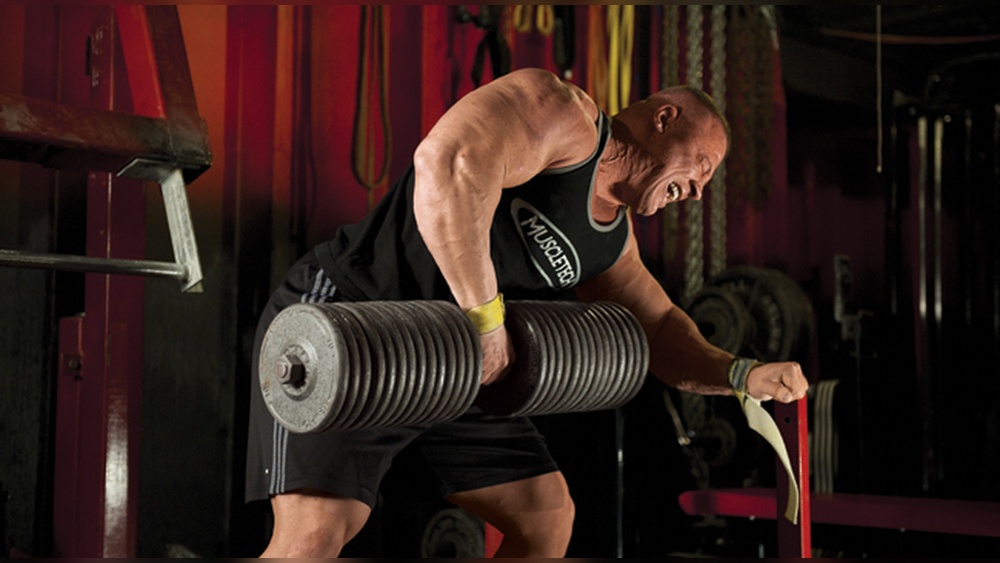
How much should you be able to dumbbell press? It’s a question that many fitness enthusiasts ask but often struggle to answer.
Whether you’re just starting out or looking to push your limits, knowing the right weight to aim for can help you stay motivated and track your progress. You’ll discover what factors influence your dumbbell press strength and how to find the ideal weight for your body.
Ready to unlock your true potential and avoid common mistakes? Keep reading, because the answer might surprise you.
Credit: powerliftingtechnique.com
Dumbbell Press Basics
The dumbbell press is a popular exercise for building upper body strength. It targets several key muscles and helps improve muscle balance. Understanding the basics is important for safe and effective workouts.
Good technique reduces injury risk and improves results. Let’s explore the muscles worked, proper form, and common variations of the dumbbell press.
Muscles Worked
The dumbbell press mainly works the chest muscles, especially the pectoralis major. It also targets the shoulders, focusing on the anterior deltoids. The triceps help extend the arms during the press. Core muscles engage to keep the body stable. This combination helps build upper body strength and size.
Proper Form
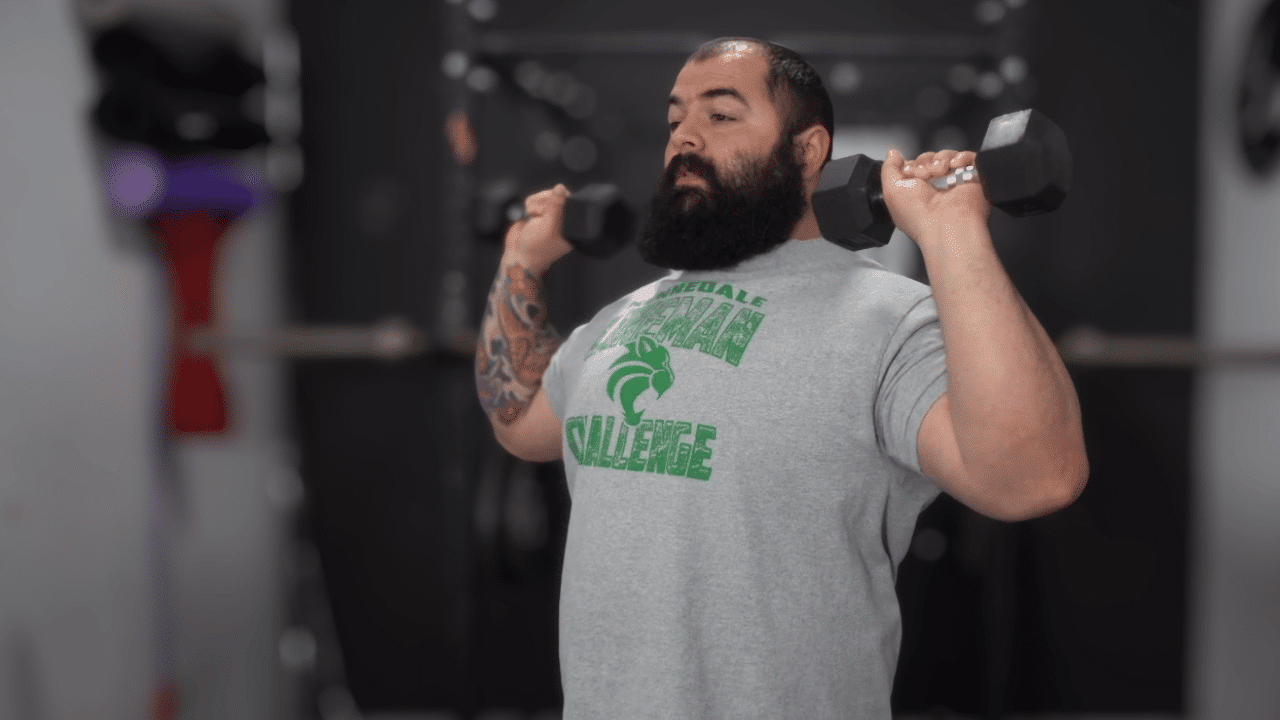
Start by lying flat on a bench or floor with a dumbbell in each hand. Keep your feet flat and back pressed lightly against the surface. Hold the dumbbells at shoulder level with elbows bent. Press the weights upward until your arms are straight but not locked. Lower the dumbbells slowly back to the start. Keep your wrists straight and control the movement. Avoid arching your back or letting your elbows flare out too much.
Common Variations
Several variations target muscles differently. The incline dumbbell press focuses more on the upper chest. The decline dumbbell press targets the lower chest. Using a neutral grip (palms facing each other) reduces shoulder strain. Single-arm presses help improve balance and fix muscle imbalances. Each variation offers unique benefits for strength and muscle growth.
Credit: powerliftingtechnique.com
Factors Influencing Strength
Strength in the dumbbell press varies greatly between individuals. Several factors affect how much weight you can lift. Understanding these helps set realistic goals. Strength depends on more than just effort in the gym.
Body Weight And Size
Body weight and size play a big role in strength. Larger muscles can generate more force. People with bigger frames often lift heavier dumbbells. Muscle mass around the chest, shoulders, and arms is crucial. Those with less body weight might lift lighter dumbbells but still be strong for their size.
Training Experience
Experience affects how much weight you can press. Beginners usually start with lighter weights. Regular training builds muscle and improves technique. Over time, strength increases as the body adapts. Consistency in workouts leads to better results.
Age And Gender
Age impacts muscle strength naturally. Younger people tend to have more strength. Muscle mass and recovery slow down with age. Gender also matters due to hormonal differences. Men generally have more upper body strength. Women can still achieve impressive dumbbell press weights with training.
Strength Standards
Strength standards help you know how much weight to lift with dumbbells. They show common levels based on your experience. This helps set clear goals and track progress. Everyone starts somewhere, and these levels guide your training safely. Here is a simple breakdown for dumbbell press strength.
Beginner Levels
Beginners often lift light weights. Usually, 10 to 20 pounds per hand is common. Focus on learning the right form. Building a good base is key. Strength grows with consistent practice and patience. Beginners should aim to press their own body weight divided by ten.
Intermediate Levels
Intermediate lifters handle moderate weights. Pressing 20 to 40 pounds per hand fits this group. Strength improves with regular training. You can do more reps and sets now. This level shows solid muscle development. It’s a good milestone to reach before advancing.
Advanced Levels
Advanced lifters push heavy dumbbells. Lifting 40 to 60 pounds or more per hand is normal. This level demands good technique and strength. Training intensity and frequency increase here. Advanced lifters build muscle size and power. They often combine dumbbell press with other lifts.
Testing Your Dumbbell Press
Testing your dumbbell press strength helps you understand your progress. It shows how much weight you can lift safely and effectively. This step is important for setting goals and avoiding injuries. Follow simple steps to test yourself correctly.
Warm-up Tips
Start with light weights to prepare your muscles. Do slow, controlled presses to avoid strain. Warm-up increases blood flow and reduces injury risk. Spend 5 to 10 minutes warming up before testing. Include shoulder rotations and arm swings for full readiness.
Max Rep Vs Max Weight
Max rep means lifting a lighter weight many times. Max weight means lifting the heaviest weight once. Both methods measure strength differently. Max reps show endurance, while max weight shows raw power. Choose the method that fits your training goals.
Tracking Progress
Write down your weights and reps after each test. Use a journal or app to keep records. Compare results over weeks or months to see gains. Tracking helps adjust workouts for better results. Celebrate small improvements to stay motivated.
Improving Your Dumbbell Press
Improving your dumbbell press takes focus on several key areas. Strength grows through smart training, supporting exercises, and good rest. Simple steps can help increase your pressing power safely and steadily.
Effective Workout Plans
Choose a workout plan that fits your current level. Start with lighter weights and increase gradually. Use sets of 8 to 12 reps for muscle growth. Include rest days to avoid overtraining. Track your progress to stay motivated and see gains.
Accessory Exercises
Work on muscles that support the dumbbell press. Focus on shoulders, triceps, and chest. Exercises like push-ups, overhead presses, and dips help build strength. Strengthen your core to keep balance during presses. These exercises improve overall pressing power.
Nutrition And Recovery
Eat enough protein to help muscles repair and grow. Include healthy carbs and fats for energy. Drink plenty of water to stay hydrated. Sleep well to support muscle recovery. Proper rest helps you lift heavier over time.

Credit: strengthlevel.com
Avoiding Injury
Avoiding injury while dumbbell pressing is vital for steady progress. Injuries slow down your gains and cause pain. Knowing how to protect your body helps you lift safely and effectively. Proper form and care keep your joints and muscles healthy. Let’s explore key ways to avoid common mistakes and protect your joints.
Common Mistakes
Many lifters press too heavy too soon. This strains muscles and joints. Another mistake is poor wrist position. Bent wrists add stress and risk injury. Arching your back too much also harms your spine. Not warming up properly can cause muscle tears. Focus on controlled, steady movements. Use weights that match your strength level.
Joint Health Tips
Keep your wrists straight and stable during the press. Avoid locking your elbows at the top. Keep a slight bend to reduce joint strain. Strengthen surrounding muscles to support your joints. Stretch your chest, shoulders, and arms regularly. Use light weights to warm up before heavy sets. Rest and recover to let your joints heal.
When To Seek Help
Sharp or persistent pain is a warning sign. Stop lifting immediately if pain occurs. Consult a trainer to check your form. A physical therapist can help with injuries. Do not ignore swelling or joint stiffness. Early help prevents long-term damage. Safe lifting means listening to your body.
Frequently Asked Questions
How Much Weight Should Beginners Dumbbell Press?
Beginners should start with light dumbbells, around 10-20 pounds. Focus on form and controlled movements. Gradually increase weight as strength improves to avoid injury and build muscle effectively.
What Is A Good Dumbbell Press Weight For Men?
A good starting weight for men is 30-50 pounds per dumbbell. Intermediate lifters often press 50-70 pounds, while advanced lifters may exceed 70 pounds. Strength varies by body weight and training experience.
How Much Can Women Dumbbell Press On Average?
Women typically start with 8-15 pounds per dumbbell. Intermediate lifters may press 20-35 pounds. Strength gains depend on training consistency, muscle mass, and fitness level.
How Many Reps Are Ideal For Dumbbell Pressing?
Perform 8-12 reps per set for muscle growth. Use a weight that challenges you but allows proper form. Lower reps with heavier weights build strength; higher reps improve endurance.
Conclusion
Dumbbell pressing strength varies by age, gender, and experience. Set realistic goals and track your progress over time. Focus on proper form to avoid injury and build muscle safely. Consistent practice helps you lift heavier weights gradually. Remember, strength gains come with patience and effort.
Keep challenging yourself without rushing the process. Enjoy the journey of getting stronger each day.