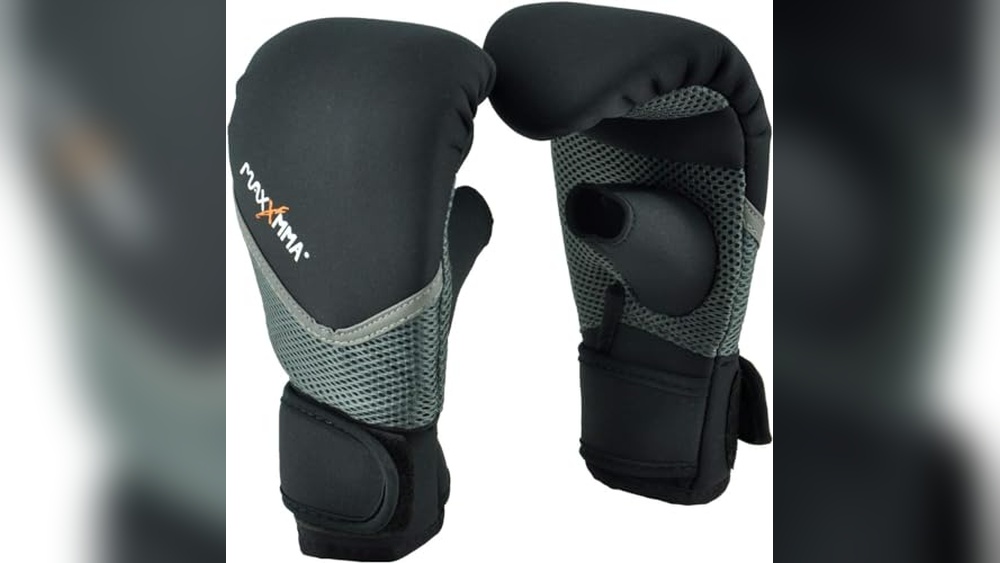
Are you wondering how much boxing gloves actually weigh and why that matters for your training or fights? The weight of your gloves can make a big difference in your performance, protection, and comfort.
Whether you’re hitting the bag, sparring with a partner, or stepping into the ring for competition, choosing the right glove weight is key to getting the most out of your boxing experience. You’ll discover the common glove weights, what they’re used for, and how to pick the perfect gloves based on your needs.
Keep reading to make sure your gloves work for you—not against you.
Boxing Glove Weight Basics
Boxing gloves come in different weights. Each weight serves a specific purpose. Choosing the right glove weight affects performance and safety.
Glove weight depends on training type, hand size, and protection needed. Understanding glove weights helps pick the best fit for your needs.
Common Weight Ranges
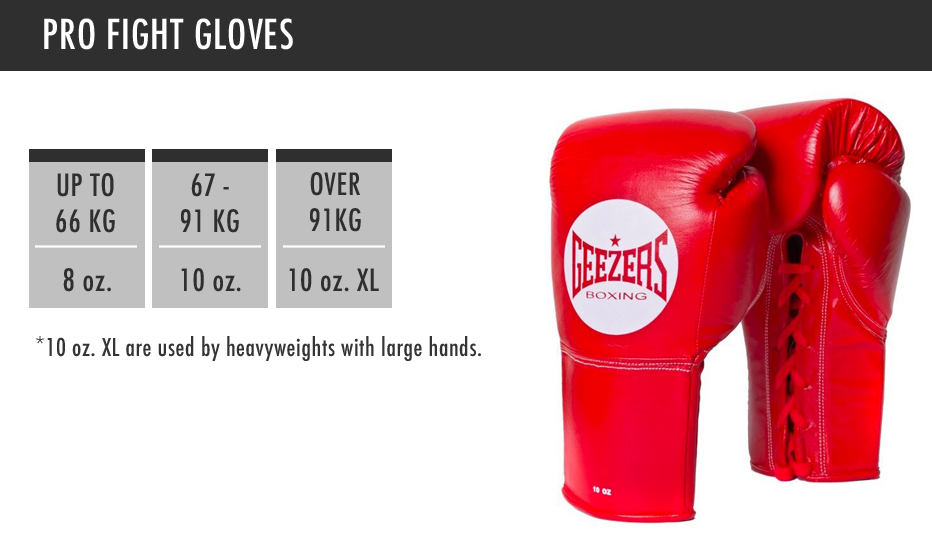
Boxing gloves usually weigh between 8 and 18 ounces (oz). Lighter gloves, around 8 to 10 oz, suit competitions. These gloves allow faster punches and less padding.
Mid-weight gloves, from 12 to 14 oz, work well for training and bag work. They offer a good balance of speed and protection. Heavier gloves, 16 to 18 oz, provide extra padding. These are best for sparring to protect both fighters.
Weight And Protection
Heavier gloves have more padding to reduce injury risk. They cushion the hands and the opponent during sparring. Lighter gloves have less padding, focusing on speed and impact.
Choosing glove weight depends on your training goal. More padding means better protection but slower punches. Less padding means faster punches but less hand safety.
Credit: www.geezersboxing.co.uk
Glove Weight Categories
Boxing gloves come in different weight categories. Each weight serves a specific purpose. Choosing the right glove weight helps improve performance and safety.
Glove weight affects speed, power, and protection. Lighter gloves allow faster punches. Heavier gloves offer more padding for safety during training.
8 To 10 Ounces
These gloves are common in professional and amateur matches. They are light and allow quick, strong punches. Less padding means more impact but less protection. Fighters use these gloves mainly in competitions.
12 To 14 Ounces
This range suits most training sessions. They balance speed and hand protection well. Good for bag work and pad training. These gloves help prevent injuries during everyday practice.
16 To 18 Ounces
Heavier gloves are best for sparring and intense bag work. Extra padding protects both hands and partners. They slow down punches but increase safety. Many trainers recommend these for regular sparring.
Choosing Gloves By Purpose
Choosing the right boxing gloves depends on what you want to do in the ring or gym. Different activities need different glove weights and styles. Picking the best gloves helps protect your hands and improves your performance. Below, learn about gloves for competition, training, and sparring.
Competition Gloves
Competition gloves are usually lighter. They weigh around 8 to 10 ounces. Lighter gloves let you punch faster and hit harder. These gloves have less padding to keep your punches quick. They meet strict rules for boxing matches. Use these gloves only in fights, not for training.
Training Gloves
Training gloves weigh between 12 and 14 ounces. They offer a good balance of speed and protection. These gloves work well for bag work and pad drills. They protect your hands from injury during long workouts. Training gloves are a great all-around choice for most boxers.
Sparring Gloves
Sparring gloves are the heaviest, usually 16 to 18 ounces. They have extra padding to protect both you and your partner. Heavier gloves slow punches down to reduce impact. Sparring gloves keep your hands safe during practice fights. Use these gloves to avoid injuries in the gym.
Factors Influencing Glove Weight
Several factors affect the weight of boxing gloves. Choosing the right weight depends on your body, training style, and protection needs. Understanding these factors helps pick gloves that suit your boxing goals.
Glove weight influences comfort, performance, and safety during boxing sessions. Different gloves serve different purposes, so knowing what impacts their weight is crucial.
Body Weight Considerations
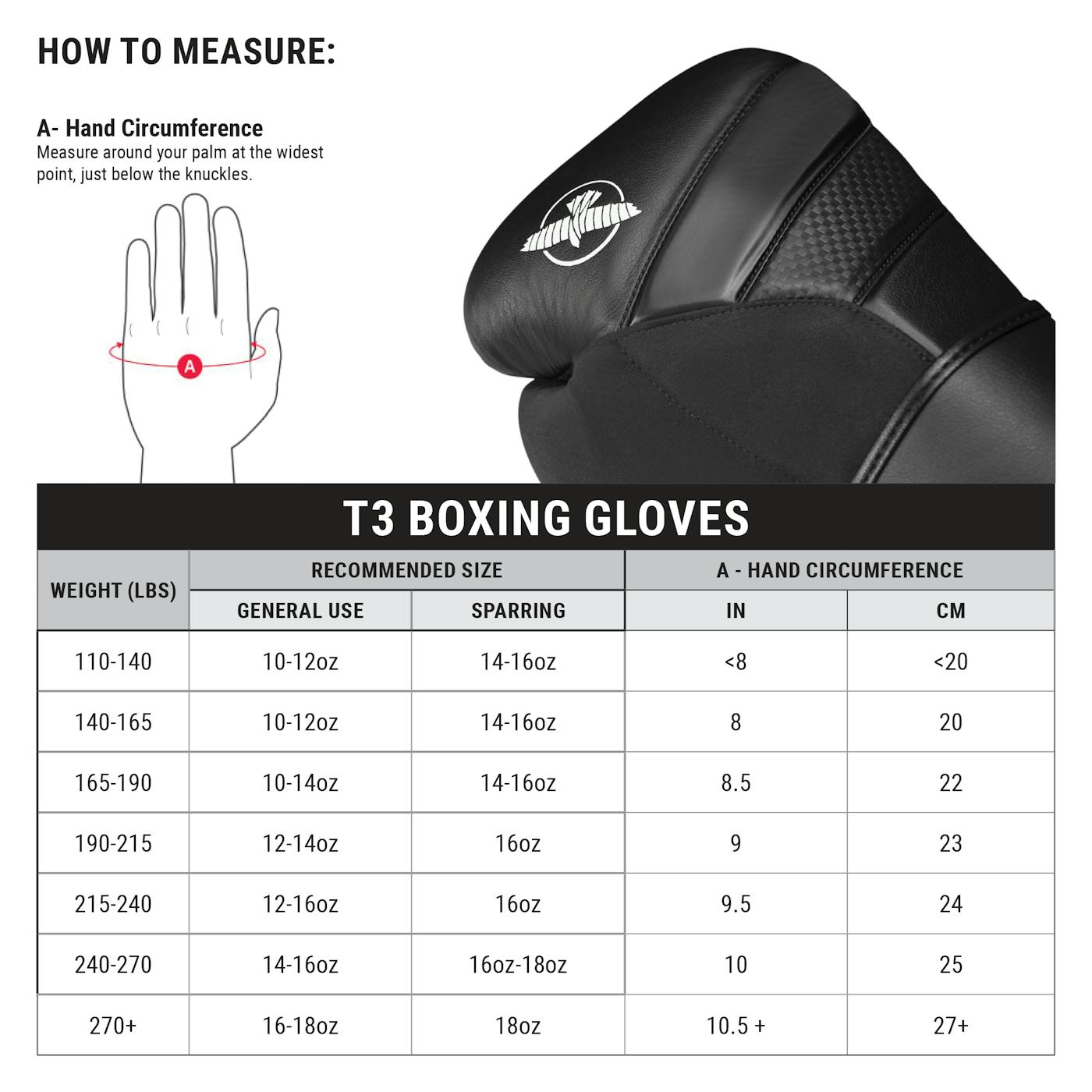
Heavier boxers often use heavier gloves for better protection. Lighter gloves may not provide enough padding for bigger hands. Proper glove weight helps avoid injuries and improves control. Your body size plays a key role in choosing glove weight.
Type Of Training
Glove weight varies with training type. Sparring needs heavier gloves to protect both fighters. Bag work allows medium-weight gloves for speed and impact. Light gloves are common in competitions for faster punches. Match glove weight to training to enhance performance.
Level Of Protection Needed
The amount of padding affects glove weight and protection. More padding means heavier gloves and better hand safety. Beginners often need heavier gloves to reduce injury risks. Experienced boxers may select lighter gloves for speed but less padding. Choose glove weight based on how much protection you want.
Professional Fighters’ Glove Choices
Professional boxers choose glove weights carefully. Their choices affect speed, power, and safety. Gloves must suit the fighter’s style and fight rules.
Different fights and training sessions require different glove weights. Fighters balance protection and performance with their glove selection.
Mike Tyson’s Glove Weights
Mike Tyson used 8-ounce gloves in most of his professional fights. These gloves are lighter and allow faster punches. Tyson’s aggressive style matched well with lighter gloves.
During training, Tyson switched to heavier gloves for better hand protection. This helped him build strength while reducing injury risk.
Common Pro Boxing Glove Sizes
Pro boxing gloves usually weigh between 8 and 10 ounces. Lighter gloves help fighters punch faster in matches. Heavier gloves, from 12 to 16 ounces, are common in training.
Training gloves provide more padding to protect hands and sparring partners. Fighters often use heavier gloves for sparring to avoid injuries.
Impact On Performance
Lighter gloves increase punch speed and power. They give an advantage in competition but offer less padding. Heavier gloves slow punches but provide better hand protection.
Choosing the right glove weight affects stamina and accuracy. Fighters must balance between speed and safety for best results.
Credit: www.hayabusafight.com
Glove Weight And Hand Safety
Boxing glove weight plays a key role in hand safety. Gloves come in different weights to match various training and fighting needs. Choosing the right glove weight helps protect your hands from injuries. It also keeps your training partners safe during sparring sessions. Proper glove weight balances comfort, protection, and performance.
Padding And Injury Prevention
Heavier gloves have more padding to absorb impact better. This padding reduces stress on your knuckles and wrists. It lowers the chance of fractures and sprains while punching. Lightweight gloves offer less padding but increase speed and power. Using gloves with adequate padding is crucial for long-term hand health. Over time, consistent protection helps prevent chronic injuries.
Protecting Training Partners
Glove weight also affects your sparring partner’s safety. Heavier gloves soften the blows delivered during practice. This prevents cuts, bruises, and other injuries for both fighters. Using lighter gloves in sparring can cause more damage to your partner. Always use gloves that offer enough padding to protect others. Respect for safety builds trust and improves training quality.
Sizing Tips For Boxing Gloves
Choosing the right size boxing gloves matters for performance and safety. Gloves that fit well protect your hands and improve your punches. Use these sizing tips to find gloves that feel just right.
Measuring Your Hand Size
Start by measuring your hand circumference. Wrap a tape measure around the widest part of your palm, just below the knuckles. Do not include your thumb in the measurement. Record the size in inches or centimeters. This number helps determine the glove size you need.
Matching Size To Weight
Boxing gloves come in weights from 8 oz to 18 oz or more. Lighter gloves (8-10 oz) suit competition and fast punches. Medium gloves (12-14 oz) work well for training and bag work. Heavier gloves (16-18 oz) offer extra padding for sparring. Match your glove weight to your hand size and training style for best results.
Fitting For Comfort And Safety
Try on gloves to check the fit before buying. Your fingers should move freely but not slide inside the glove. The wrist strap must feel snug to support your wrist. Good fit prevents injuries and keeps your hands comfortable during long sessions.
Using Gloves For Different Training Types
Choosing the right boxing glove weight depends on the type of training you plan to do. Different exercises require different glove weights for safety and effectiveness. Using the correct gloves helps protect your hands and your training partner. It also improves your performance and comfort during workouts.
Bag Work
For bag work, gloves usually weigh between 12 and 14 ounces. These gloves offer enough padding to protect your knuckles from hitting the heavy bag. They are light enough to allow fast punches and good wrist movement. Using gloves that are too heavy can slow your punches and tire your arms quickly.
Pad Work
Pad work needs gloves similar in weight to bag work, often 12 to 14 ounces. These gloves provide good hand protection while letting you punch quickly. Trainers prefer this glove weight because it balances speed and safety. Lightweight gloves help you focus on technique and accuracy during pad drills.
Sparring Sessions
Sparring gloves are heavier, usually 16 to 18 ounces. The extra padding protects both you and your sparring partner from hard impacts. Heavier gloves reduce the risk of injury during practice fights. They slow your punches slightly, encouraging control and safer training. Wearing the right sparring gloves builds confidence and endurance.
Adjusting Glove Weight Over Time
Adjusting the weight of your boxing gloves over time helps improve your training and performance. As your skills grow, your needs for glove weight will change. Choosing the right glove weight supports your progress and prevents injuries. It also adapts to the intensity of your workouts. This balance is key for steady improvement and safety.
Progressing With Skill Level
Beginners should start with heavier gloves for more padding and protection. These gloves reduce the risk of hand injuries. As skills improve, lighter gloves help increase speed and technique. Advanced boxers often prefer gloves weighing 8 to 10 ounces for faster punches. Adjusting glove weight aligns with your growing strength and skill. This approach builds confidence and sharpens your boxing style.
Adapting To Training Intensity
Training sessions vary in intensity and purpose. Heavy gloves, like 16 to 18 ounces, suit sparring and heavy bag work. They offer extra padding to protect hands and partners. Lighter gloves are better for fast pad work and competition training. Changing glove weight based on training type prevents fatigue and injury. It also helps maintain high performance throughout your routine.
:format(jpeg)/f/115220/1244x700/b5324542a6/boxing-glove-ounces-explained-youtube-video.jpg)
Credit: blog.joinfightcamp.com
Frequently Asked Questions
How Many Pounds Do Boxing Gloves Weigh?
Boxing gloves typically weigh between 8 and 18 pounds. Lighter gloves (8-10 oz) suit competition, heavier ones (16-18 oz) fit training and sparring. Choose weight based on purpose and protection needs.
How Heavy Are Mike Tyson’s Boxing Gloves?
Mike Tyson’s boxing gloves typically weigh 8 to 10 ounces. These gloves suit professional competition, allowing faster, harder punches.
Is 14 Oz Heavy For Boxing Gloves?
A 14 oz boxing glove offers balanced protection and speed. It’s ideal for training, bag work, and pad drills. It’s not too heavy or light, making it suitable for most boxers during practice.
Do Pro Boxers Use 12 Oz Gloves?
Professional boxers usually wear 8-10 oz gloves for competition. They rarely use 12 oz gloves in pro fights.
Conclusion
Boxing gloves come in different weights for various uses. Lighter gloves, like 8 to 10 ounces, suit competitions and fast punches. Mid-weight gloves, around 12 to 14 ounces, work well for training and bag work. Heavier gloves, 16 to 18 ounces, protect hands during sparring.
Choosing the right weight depends on your activity and protection needs. Always match glove weight to your training or fighting style. This helps keep you safe and improves your performance. Understanding glove weight guides you to better boxing experiences.