You’ve invested in a good pair of boxing gloves, but how do you know when it’s time to replace them? Using worn-out gloves can hurt your hands, reduce your performance, and even lead to injuries.
So, how often should you change boxing gloves to stay safe and train effectively? You’ll discover the key signs that tell you it’s time for new gloves, factors that affect their lifespan, and simple tips to make your gloves last longer.
Keep reading to protect your hands and get the most out of every punch.
:format(png)/f/115220/2400x900/c783211dfa/how-to-care-for-your-boxing-wraps-and-gloves.png)
Credit: blog.joinfightcamp.com
Boxing Glove Lifespan
Boxing gloves do not last forever. Their lifespan depends on many factors. Knowing how long gloves last helps you decide when to replace them. Worn-out gloves can cause injuries and reduce performance. Understanding the lifespan keeps you safe and improves training.
Each pair of gloves wears out differently. Use, training style, material, and care all affect their life. Below are key points to consider about boxing glove lifespan.
Frequency Of Use
The more often you train, the faster gloves wear out. Daily training wears gloves quicker than weekly sessions. Gloves used several times a week usually last six months to a year. Less frequent use can extend their life beyond one year.
Heavy use breaks down the padding and fabric. Sweat and impact cause damage over time. Regular users must replace gloves more often to stay protected.
Training Type Impact
Different training types affect glove durability. Sparring gloves have thinner padding for better hand movement. This makes them wear out faster than bag gloves. Heavy bag gloves are thicker and built to absorb strong hits.
Gloves used mainly for sparring may last six months. Bag gloves can last a year or more. Choose gloves based on your training to get the best lifespan.
Material Differences
Gloves made from genuine leather usually last longer. Leather is tough and resists wear better than synthetic materials. Synthetic gloves tend to crack and tear sooner. However, good synthetic gloves can still last many months.
Inside padding material also matters. High-quality foam keeps shape and protection longer. Cheap padding breaks down quickly and loses cushioning.
Effect Of Maintenance
Proper care extends glove life. Always dry gloves after use to prevent mold and odor. Use glove deodorizers or baking soda to keep them fresh. Clean gloves regularly with a damp cloth and mild soap.
Wearing hand wraps reduces sweat inside gloves. This helps keep padding dry and intact. Store gloves in a well-ventilated area, not in a closed bag.
Good maintenance can add months to glove life and maintain comfort.

Credit: mmafactory.com.au
Replacement Signs
Knowing when to replace your boxing gloves is key to protecting your hands and improving performance. Gloves wear out over time from repeated use. Watch for clear signs that show your gloves need changing. These signs help prevent injury and keep training effective.
Worn-out Padding
Padding cushions your hands during impact. Over time, padding thins or shifts out of place. You may start feeling harder hits through your gloves. Thin padding means less shock absorption. Replace gloves when padding no longer protects well.
Visible Damage
Check gloves for cracks, tears, or holes. Damage appears on seams or outer material. Rips expose your hands to injury and let sweat inside. Visible damage lowers glove durability. Change gloves if you see obvious wear or broken parts.
Persistent Odor
Boxing gloves often smell after use. A strong, bad odor that stays after cleaning signals bacteria buildup. This smell means gloves are unhygienic and may cause skin problems. Replace gloves if the odor does not go away with washing.
Discomfort And Pain
Gloves should feel comfortable and supportive. Pain in your hands or knuckles after training suggests gloves no longer protect well. Discomfort can cause injuries over time. If gloves cause aches or soreness, it is time to get new ones.
Loose Fit Issues
Gloves that feel loose reduce control and protection. Padding can compress or gloves may stretch out. Loose gloves shift during punches and increase injury risk. Replace gloves when they no longer fit snugly and securely.
Extending Glove Life
Boxing gloves are an important investment for every fighter. Taking care of them well helps keep them in good shape for longer. Extending glove life saves money and ensures better performance. Simple daily habits can protect your gloves from damage. Clean, dry gloves last much longer and stay comfortable.
Proper Drying Techniques
After each session, remove gloves and let them air dry. Avoid leaving gloves in a gym bag or damp place. Use a fan or open window to speed up drying. Do not use direct heat like a hairdryer or radiator. Heat can damage the glove material and padding. Stuff gloves with newspaper or dry towels to absorb moisture. Replace the stuffing after a few hours for better drying.
Regular Cleaning Routine
Wipe gloves inside and out with a clean cloth after every use. Use mild soap and water to remove sweat and dirt. Avoid soaking gloves or using harsh chemicals. Spray the interior with a disinfectant made for sports gear. This reduces bacteria and prevents odor. Let gloves dry completely before storing them. Clean gloves stay fresh and last longer.
Using Hand Wraps
Always wear hand wraps under your gloves. They absorb sweat and protect your skin. Hand wraps keep gloves cleaner and reduce odor buildup. Wash wraps regularly to maintain hygiene. Using wraps also helps keep glove padding intact. This simple step reduces wear and tear inside the gloves.
Storage Tips
Store gloves in a cool, dry place after use. Avoid leaving gloves in direct sunlight or humid areas. Use a mesh bag for ventilation during storage or transport. Keep gloves separate from heavy or sharp objects. Proper storage prevents material cracking and keeps gloves fresh. Taking time to store gloves well adds to their lifespan.
Credit: www.fereliboxing.com
Choosing The Right Gloves
Choosing the right boxing gloves is essential for safety and performance. Gloves differ based on their purpose, material, and fit. Picking gloves that suit your training helps protect your hands and improves your experience.
Gloves For Sparring
Sparring gloves have extra padding to protect both fighters. They are softer and lighter to reduce injury risk. Choose gloves that cushion well and allow good hand movement. Using the right sparring gloves helps keep training safe and effective.
Gloves For Heavy Bag Work
Heavy bag gloves need strong padding to absorb powerful hits. They are tougher and last longer against repeated impact. These gloves focus on durability over softness. Pick gloves made to handle heavy punching to protect your wrists and knuckles.
Material Quality
Good material improves glove lifespan and comfort. Leather gloves usually last longer than synthetic ones. Check for strong stitching and thick padding. Quality materials resist wear and keep your hands safe during training.
Fit And Comfort
Proper fit prevents injuries and increases control. Gloves should feel snug but not tight. Try gloves with adjustable straps for a secure fit. Comfortable gloves help you train longer without pain or distraction.
Impact On Performance
Boxing gloves play a key role in your performance. Old gloves lose their ability to absorb shocks well. This impacts your power and control during training or fights. Using worn-out gloves can make your punches feel weaker and less precise. It also affects your comfort and confidence in the ring. Changing gloves at the right time keeps your skills sharp and your hands safe.
Protection Levels
Gloves protect your hands and your opponent from injury. Over time, the padding inside the gloves breaks down. Thin padding means less shock absorption and more impact on your knuckles. This can cause pain and long-term damage. New gloves offer better cushion and support. They reduce the risk of injuries and let you punch harder without hurting yourself.
Training Effectiveness
Good gloves help you train longer and better. Worn gloves can cause discomfort and distract you. They may also slip or feel loose, reducing your punch accuracy. Fresh gloves fit snugly and feel comfortable. This helps you focus on technique and power. Proper gloves improve your training quality and boost your progress.
Injury Prevention
Using old gloves raises the chance of injuries. Thin padding and damaged gloves fail to protect your wrists and hands. This can lead to bruises, fractures, or sprains. New gloves support your wrists and absorb impact well. They protect your joints and reduce stress. Changing gloves on time helps keep you injury-free and ready for action.
Common Mistakes
Many boxers make mistakes that shorten their gloves’ life. Knowing these errors helps keep gloves safe and long-lasting. Avoiding common pitfalls ensures better performance and protection.
Ignoring Wear Signs
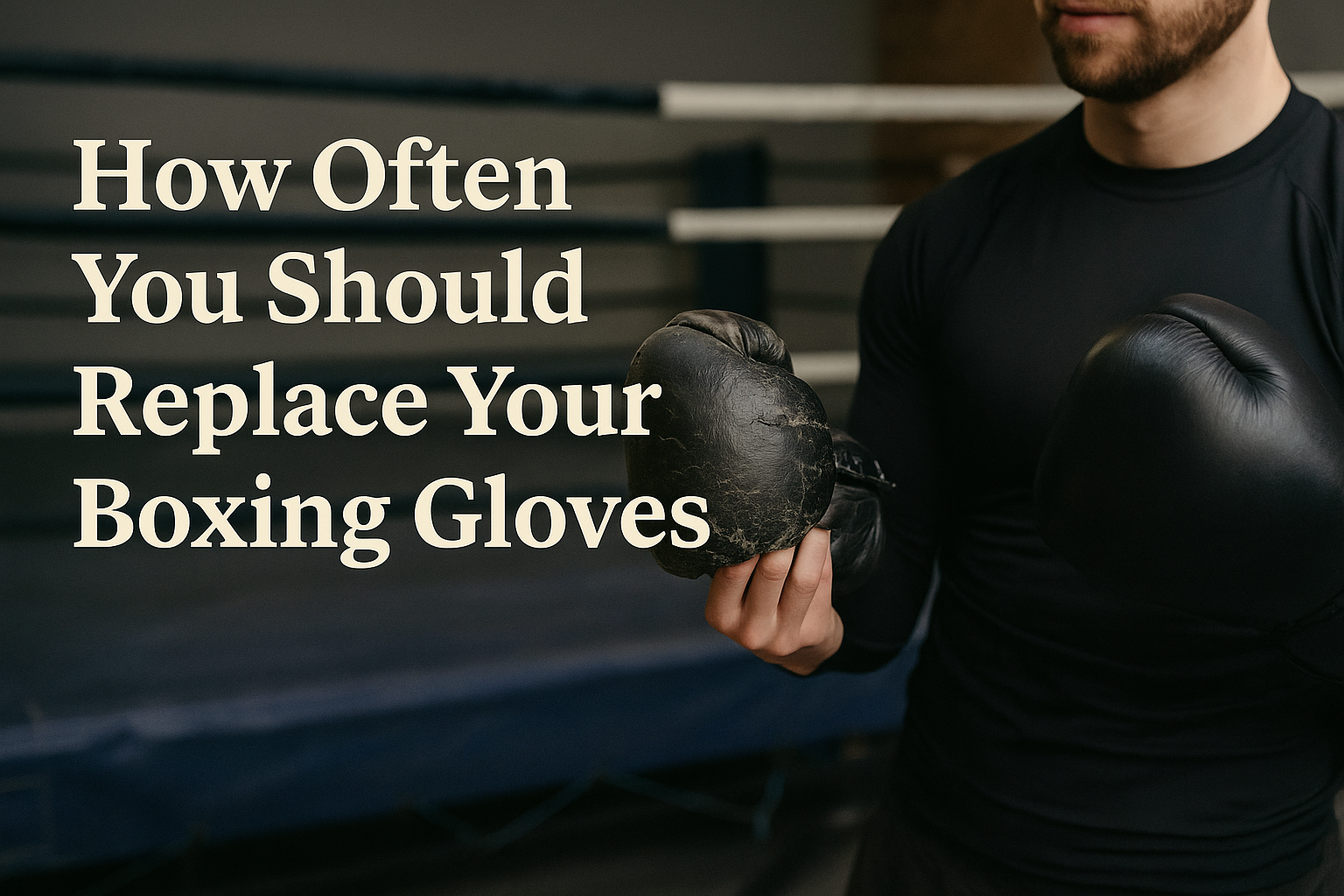
Ignoring damage is a big mistake. Worn padding feels hard and thin. Cracks or tears on the gloves show they need replacement. Small signs grow worse fast. Waiting too long harms your hands.
Poor Maintenance
Neglecting cleaning causes bad smells and bacteria growth. Gloves stay wet and smelly if not dried properly. Dirt and sweat break down the material. Clean and dry gloves after every use. This keeps them fresh and durable.
Overusing Gloves
Using gloves too often without rest reduces their padding. Overuse makes gloves less protective. Rotate between pairs to extend each glove’s life. Heavy bag gloves wear out faster than sparring gloves. Use the right gloves for each activity.
Frequently Asked Questions
How Long Should Boxing Gloves Last?
Boxing gloves typically last 1-3 years, depending on use, training type, material, and care. Replace gloves if padding thins, material tears, odor persists, or you feel hand pain. Proper maintenance extends lifespan.
When Should I Change Boxing Gloves?
Change boxing gloves when padding thins, gloves show tears, smell bad, cause pain, or fit becomes loose. Regular use and maintenance affect lifespan.
Why Is Mike Tyson Using 14 Oz Gloves?
Mike Tyson uses 14 oz gloves to balance protection and power during training and sparring sessions. These gloves reduce hand injuries while maintaining effective impact.
How Often Do Boxers Get New Gloves?
Boxers typically get new gloves every 1 to 2 years, depending on usage and glove condition. Replace gloves if padding wears out, tears appear, odors persist, or hand pain occurs. Proper care and maintenance can extend their lifespan. Regularly inspect gloves for signs of damage.
Conclusion
Changing boxing gloves regularly protects your hands and improves performance. Check gloves often for worn padding, tears, or bad smells. Replace gloves once they lose cushioning or comfort. Proper care can extend glove life but won’t prevent eventual wear. Using fresh gloves reduces injury risk during training or sparring.
Remember, gloves are key to safe boxing practice. Stay alert to signs that show it’s time to switch. Your hands will thank you for the extra care. Keep training safe and effective by changing gloves on time.