
Have you ever wondered how much dumbbells weigh and what that means for your workout? Choosing the right weight is key to getting stronger without risking injury.
Whether you’re just starting out or looking to level up your fitness, knowing the weight of dumbbells helps you plan smarter workouts. You’ll discover everything you need to know about dumbbell weights, so you can pick the perfect set for your goals and start seeing real results faster.
Keep reading to take control of your fitness journey with confidence!
Credit: www.tworepcave.com
Dumbbell Weight Basics
Dumbbell weight is a key factor in strength training. Choosing the right weight helps improve muscle and avoid injury. Dumbbells come in many sizes and materials. Knowing their basics makes workout planning easier.
Understanding weight ranges and materials helps pick dumbbells that suit your needs. This section explains common dumbbell weights and how materials affect their heaviness.
Common Weight Ranges
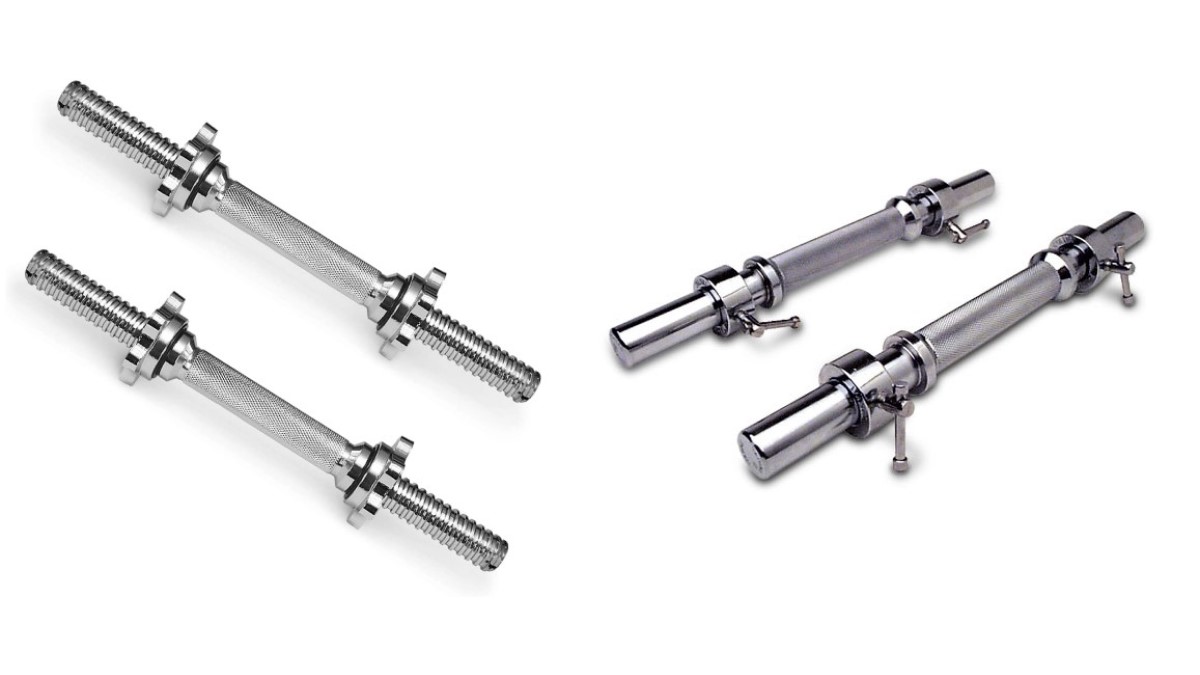
Dumbbells often start as light as 1 pound. They can go up to 100 pounds or more. Most home users choose weights between 5 and 50 pounds. Beginners usually start with lighter weights. Advanced users prefer heavier dumbbells for more challenge. Adjustable dumbbells offer a range of weights in one set. This variety saves space and money.
Materials And Their Impact On Weight
Dumbbells come in different materials like cast iron, steel, and rubber. Cast iron is dense and heavy for its size. Steel dumbbells are strong and last long. Rubber-coated dumbbells reduce noise and protect floors. Plastic dumbbells are lighter and less durable. Material affects how heavy and comfortable a dumbbell feels. It also impacts the dumbbell’s price and lifespan.
Credit: darebee.com
Selecting Dumbbells For Beginners
Selecting dumbbells for beginners is a key step in starting a fitness journey. Choosing the right weight helps avoid injuries. It also boosts confidence during workouts. Beginners need to focus on comfort and control. Proper weight selection supports steady progress. This section guides you to find the best dumbbells for your level.
Assessing Your Fitness Level
Know your current strength before picking dumbbells. Think about your daily activities and any exercise done before. If you do little or no exercise, start light. Some people may have muscle weakness or joint pain. Consider these factors carefully. Use simple tests like lifting household items. This helps estimate your strength. Understanding your fitness helps choose safe weights.
Starting Weight Recommendations
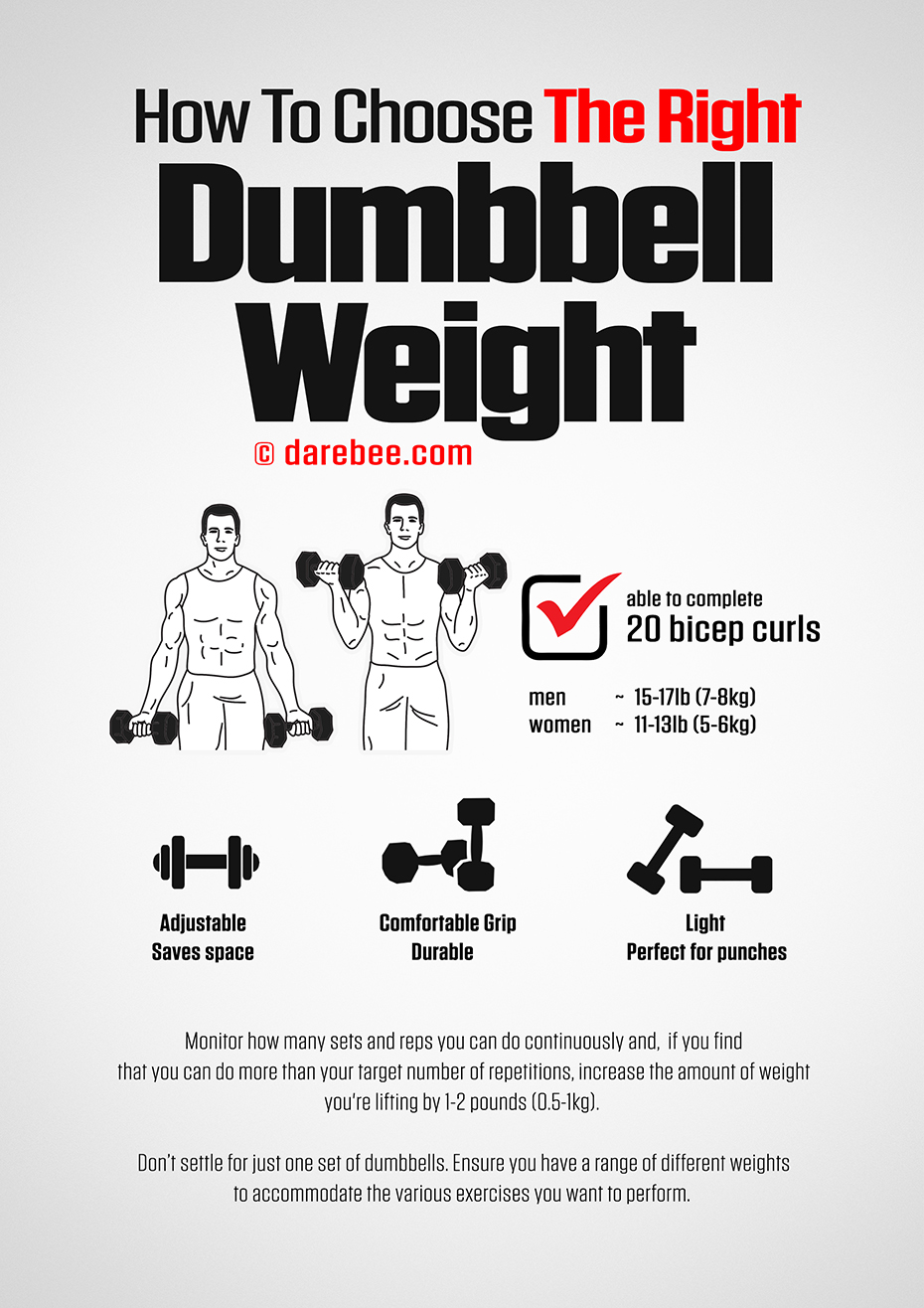
Start with dumbbells you can lift easily 12-15 times. For most beginners, 3 to 5 pounds is good. Women often start at 3 to 8 pounds. Men usually begin with 5 to 10 pounds. Choose weights that allow good form without strain. Increase weight gradually as strength improves. Avoid heavy dumbbells that cause pain or poor form.
Weights For Different Workout Goals
Choosing the right dumbbell weight depends on your workout goal. Different goals need different weights. Picking the correct weight helps you exercise safely and effectively.
Strength Training
For building muscle and strength, heavy dumbbells work best. Men often start with 20 to 50 pounds. Women usually begin with 10 to 25 pounds. The goal is to challenge muscles. Use weights that allow 6 to 12 reps per set.
Endurance And Toning
Light to medium dumbbells suit endurance and toning. Weights between 5 to 15 pounds help. This range improves muscle stamina and shape. Perform 15 to 20 reps to boost endurance. Focus on controlled, steady movements.
Rehabilitation And Light Exercises
Very light dumbbells aid recovery and gentle workouts. Weights from 1 to 5 pounds are ideal. They help regain strength after injury. Use slow, careful motions to avoid strain. These weights support gradual muscle rebuilding.
Credit: flybirdfitness.com
Adjustable Vs Fixed Dumbbells
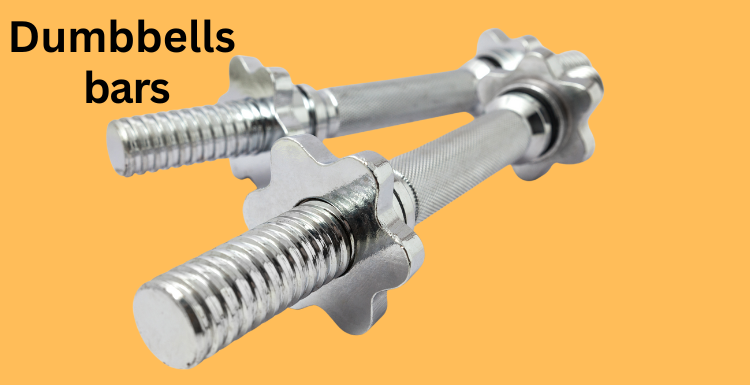
Dumbbells come in two main types: adjustable and fixed. Each type has its own pros and cons. Knowing the difference helps in choosing the right one for your workout. Adjustable dumbbells let you change the weight easily. Fixed dumbbells have a set weight and do not change. Both types serve different needs and spaces.
Weight Flexibility
Adjustable dumbbells offer many weight options in one set. You can increase or decrease weight quickly. This suits workouts that need different weights. Fixed dumbbells stay the same weight always. They are simple and ready to use. For steady, repetitive exercises, fixed dumbbells work well.
Space And Cost Considerations
Adjustable dumbbells save space. One set replaces many fixed dumbbells. This is good for small rooms or home gyms. They cost more upfront but save money over time. Fixed dumbbells take up more room. You need many pairs for different weights. They cost less per dumbbell but add up if you buy many.
How To Test Dumbbell Weight
Testing the weight of dumbbells is important before starting any workout. It helps you avoid injuries and choose the right weight for your strength. You can check the dumbbell weight easily with a few simple steps. These steps also ensure you get the most out of your exercise.
Proper Lifting Techniques
Hold the dumbbell firmly with your palm facing up. Lift it slowly and keep your wrist straight. Avoid sudden movements or jerks. Use your legs and core to help lift if needed. Lower the dumbbell gently to avoid strain. Repeat the lift a few times to feel the weight. This method helps you know if the dumbbell is too light or too heavy.
Signs Of Appropriate Weight
You should feel some effort but not pain. You can lift the dumbbell 8 to 12 times without losing form. Your muscles should feel tired but not exhausted after the set. If you struggle to lift once, the weight is too heavy. If it feels very easy, the dumbbell is too light. Proper weight helps build strength safely and effectively.
Progressing With Dumbbell Weights
Progressing with dumbbell weights is key to building strength and muscle. Using the same weight for too long slows progress. Changing weights helps muscles grow and improves fitness. Knowing when and how to increase dumbbell weights keeps workouts effective and exciting.
When To Increase Weight
Increase dumbbell weight when exercises feel easy. If you finish all reps without struggle, try heavier weights. Your muscles need challenge to grow stronger. Use a weight that lets you complete reps with good form. Stop before your muscles feel too tired or shaky.
Avoiding Plateaus
Plateaus happen when muscles get used to the same weight. Change your routine by adding weight or reps. Try different exercises or change your workout order. Small increases in weight keep muscles guessing. This helps avoid stalls and keeps progress steady.
Safety Tips For Using Dumbbells
Using dumbbells is a great way to build strength and tone muscles. Safety is key to avoid injuries and get the best results. Following simple safety tips makes your workouts safer and more effective.
Warm-up And Form
Always start with a warm-up to prepare your muscles. Stretch gently and do light cardio for five to ten minutes. This step reduces the risk of strains and sprains.
Use proper form when lifting dumbbells. Keep your back straight and control your movements. Avoid jerking or swinging the weights. Good form protects your joints and muscles from damage.
Preventing Injuries
Choose dumbbells that match your strength level. Start with lighter weights and increase gradually. Overloading can cause muscle tears or joint pain.
Keep the workout area clear of obstacles. A clean space helps prevent trips and falls. Use a non-slip mat for extra safety.
Listen to your body. Stop if you feel pain or discomfort. Rest between sets to allow your muscles to recover.
Frequently Asked Questions
What Is The Standard Weight Range For Dumbbells?
Dumbbells typically weigh between 1 to 50 pounds. Beginners often start with lighter weights, around 5 to 15 pounds. Advanced users may use heavier dumbbells to increase resistance. Adjustable dumbbells offer a wide range in one set for versatile workouts.
How Do Dumbbell Weights Affect Workout Intensity?
Heavier dumbbells increase workout intensity by adding resistance. This builds muscle strength and endurance faster. Lighter weights are ideal for toning and improving muscle endurance. Choosing the right weight depends on fitness goals and exercise type.
Are Dumbbell Weights Measured In Pounds Or Kilograms?
Dumbbell weights are commonly measured in both pounds and kilograms. In the US, pounds are standard, while many countries use kilograms. Adjustable dumbbells often display both units for user convenience. Always check the weight unit before purchasing.
Can Dumbbell Weight Impact Joint Safety?
Yes, using the correct dumbbell weight protects joints. Using weights too heavy can cause strain and injury. Start with manageable weights and increase gradually. Proper form is crucial to avoid joint stress during workouts.
Conclusion
Dumbbells come in many different weights for all fitness levels. Choose a weight that feels right and safe for you. Start with lighter dumbbells to learn good form. Gradually increase the weight as you get stronger. Remember, consistency matters more than heavy lifting.
Using dumbbells regularly helps build muscle and improve health. Keep your workouts simple and steady. Enjoy the process and stay patient with your progress. Your strength will grow over time with regular effort.


