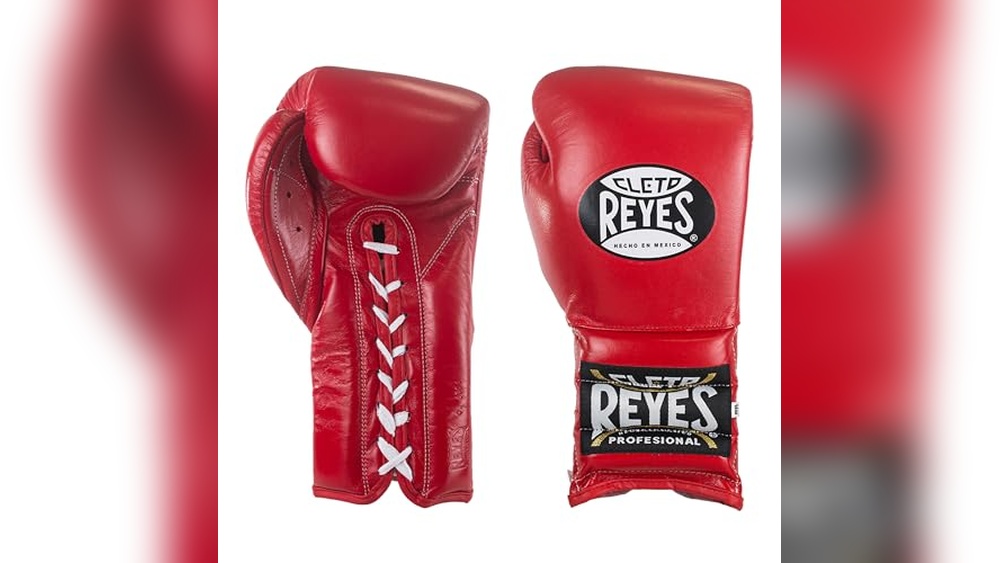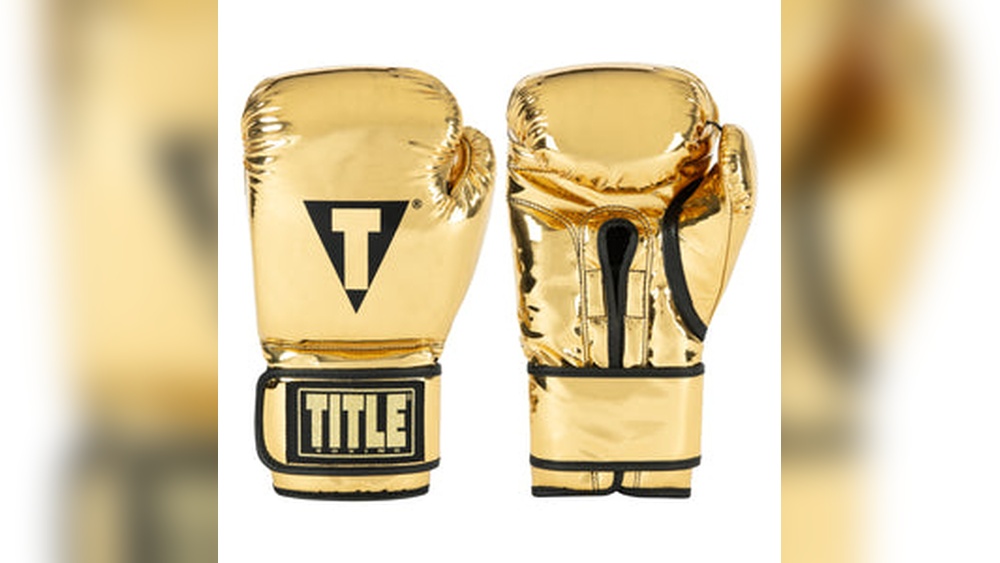
If you’re serious about boxing, knowing the weight of heavyweight boxing gloves is a must. You might think all gloves are the same, but the truth is, their weight can change how you train, fight, and protect your hands.
Choosing the right glove weight can boost your power, speed, and endurance. Curious to find out exactly how much heavyweight boxing gloves weigh and why it matters to you? Keep reading—this simple detail could change the way you box forever.
Credit: www.arloren.com
Weight Categories In Boxing Gloves
Boxing gloves come in different weight categories. Each category serves a specific purpose. They affect speed, protection, and comfort. Understanding these categories helps pick the right gloves for training or fighting.
Heavyweight boxing gloves are designed to offer more padding. This extra weight helps protect both the wearer and the opponent. Let’s look at common weight categories used in boxing gloves.
Common Weight Measurements
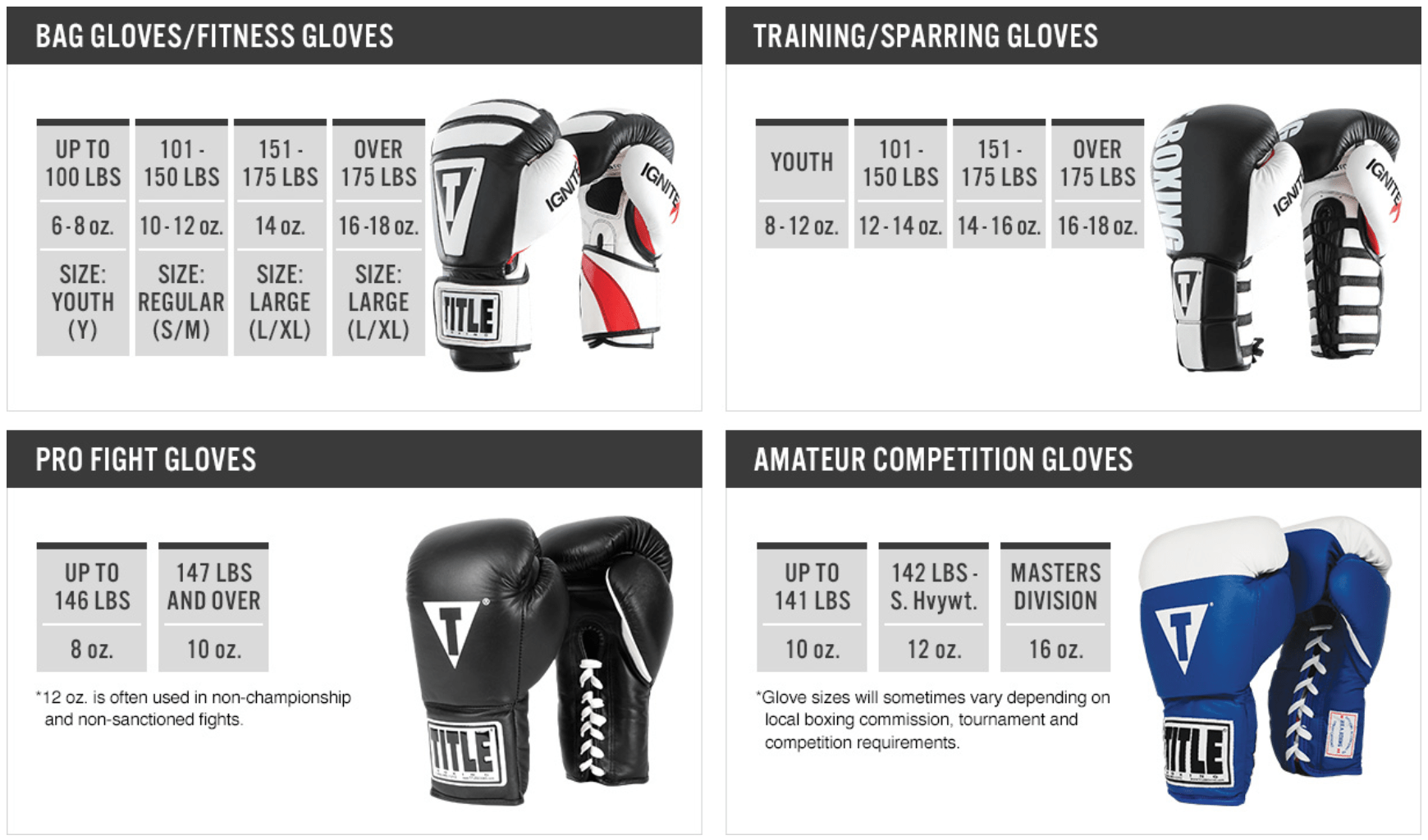
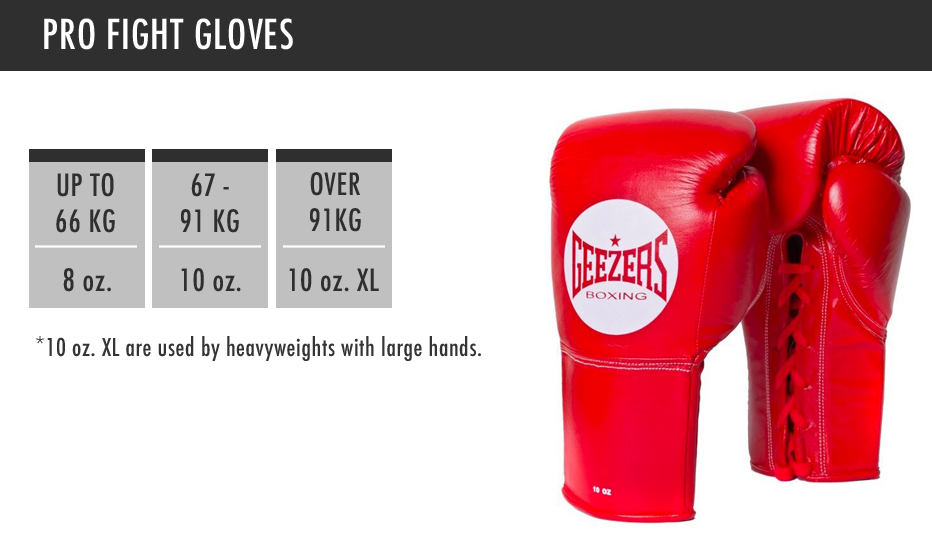
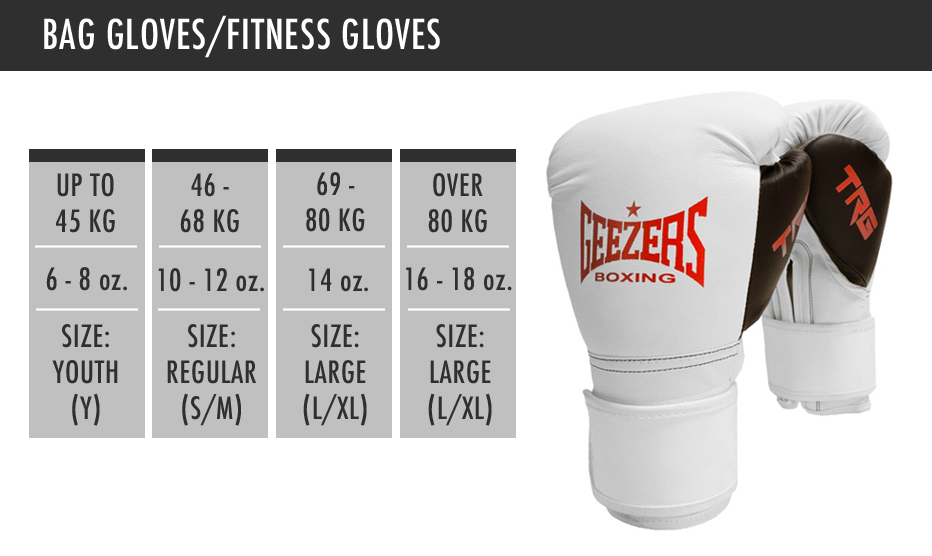
Boxing gloves usually weigh between 8 and 20 ounces. The most common sizes are 10, 12, 14, and 16 ounces. Lighter gloves, like 8 or 10 ounces, are used in professional fights. Heavier gloves, such as 14 to 16 ounces, are for training and sparring. The extra padding in heavier gloves reduces injury risk. Many boxers choose gloves based on their body weight and training needs.
Differences Between Weight Classes
Lighter gloves are faster but offer less protection. Heavy gloves slow down punches but protect hands better. For heavyweight boxers, gloves often weigh 16 ounces or more. This weight helps absorb strong punches. In training, using heavier gloves builds strength and stamina. Fighting gloves focus on speed and precision. Choosing the right weight depends on the boxer’s goals and safety.
Credit: www.geezersboxing.co.uk
Typical Weights For Heavyweight Gloves
Heavyweight boxing gloves have specific weight ranges. These weights affect training and fighting performance. Knowing typical weights helps choose the right gloves for your needs.
Standard Heavyweight Glove Sizes
Heavyweight gloves usually weigh between 14 and 18 ounces. The most common size is 16 ounces. These weights offer good hand protection and allow powerful punches.
For training, 16-ounce gloves are popular. They provide enough padding for sparring. Fighters often use 14-ounce gloves for competition. These gloves feel lighter and faster during fights.
Variations By Brand And Model
Brands may list gloves with the same weight but differ slightly in actual mass. This difference comes from materials and padding style. Some gloves feel heavier or lighter even if labeled the same.
Models with extra padding or leather often weigh more. Lightweight models focus on speed and may have less padding. Check reviews and try gloves to find the best fit.
Impact Of Glove Weight On Performance
Glove weight plays a big role in how boxers perform during training and fights. Heavier gloves feel different on the hands and affect how fast and strong punches are. Lighter gloves allow quicker movements but may offer less protection. Understanding glove weight helps choose the right gear for your needs.
Boxers often test different glove weights to find balance. The right weight can boost speed, power, and stamina. It also changes how tired the arms feel after rounds. Each factor matters for success in the ring.
Effects On Speed And Power
Heavier gloves slow down hand speed. The extra weight requires more effort to move the gloves quickly. This can reduce the number of punches thrown per round.
Power can feel stronger with heavier gloves. They add mass to each punch, increasing impact force. But too much weight may tire muscles faster, lowering power over time.
Lighter gloves allow faster punches and quicker defense. Boxers can throw combos with less delay. However, these gloves offer less padding, which may affect punch force felt.
Influence On Endurance And Fatigue
Heavy gloves make the arms work harder. This can cause quicker fatigue, especially in long sessions. Muscles tire faster, reducing overall endurance.
Training with heavier gloves helps build arm strength. This can improve endurance for fights with lighter gloves. The extra effort conditions muscles to last longer.
Lighter gloves cause less fatigue during sparring and matches. Boxers keep their energy longer and recover faster between rounds. This helps maintain performance throughout the fight.
Credit: www.arloren.com
Choosing The Right Glove Weight
Selecting the right weight for heavyweight boxing gloves affects your performance. Gloves that are too light may not protect your hands well. Gloves that are too heavy can tire your arms quickly. Finding the right balance helps improve your training and fights. Understanding glove weights helps you make the best choice.
Factors To Consider
Glove weight depends on your body weight and hand size. Heavier gloves offer more padding and protection. Lighter gloves allow faster punches but less cushioning. Your comfort and safety should guide your choice. Also, think about your training goals and how hard you punch.
Purpose: Training Vs Competition
Training gloves usually weigh more for added protection. Heavier gloves build strength and reduce injury risk during practice. Competition gloves are lighter to increase speed and impact. Different events may require specific glove weights. Choose gloves that fit the activity you plan to do most.
Materials Affecting Glove Weight
The weight of heavyweight boxing gloves depends a lot on the materials used. Different materials add different amounts of weight. This affects how the gloves feel and perform during a fight or training session. Understanding these materials helps to choose the right gloves.
Padding Types
Padding inside gloves protects your hands and your opponent. Foam is the most common padding. It is light but soft and absorbs impact well. Some gloves use gel padding. Gel adds more weight but improves shock absorption. Layers of foam or gel also change glove weight. Denser padding means heavier gloves.
Outer Materials
The glove’s outside material affects its weight and durability. Leather is strong and lasts long but is heavier. Synthetic leather is lighter and cheaper. Some gloves use nylon or polyester mixes. These materials are light but less durable. The thickness of the outer layer also adds weight. Thick leather gloves weigh more than thin ones.
How To Measure Glove Weight Accurately
Measuring the weight of heavyweight boxing gloves is important for training and competition. Accurate weight helps ensure the gloves meet rules and fit your needs. It also affects how you perform and protect your hands. Knowing the right way to measure glove weight keeps you confident and ready.
Tools Needed
You need a digital scale that shows weight in ounces or grams. A kitchen scale or a postal scale works well. Make sure the scale is on a flat, stable surface. You also need a clean, dry area to place the gloves. Avoid using a scale that shakes or gives uneven readings.
Step-by-step Process
Turn on the digital scale and set it to zero. Place the glove gently on the scale. Wait until the number stops changing. Note the weight shown on the scale. Repeat the process with the other glove for accuracy. If the scale shows weight in grams, convert it to ounces for boxing use. Each glove should be weighed separately for best results.
Popular Heavyweight Gloves On The Market
Heavyweight boxing gloves vary in weight and design. Choosing the right pair matters. Popular gloves offer different weights to match training or fighting needs. They balance protection, comfort, and performance. Understanding options helps pick the best gloves for you.
Many brands provide gloves that range from 14 oz to 20 oz. Heavier gloves offer more padding and wrist support. Lighter gloves allow faster hand speed and movement. Let’s explore some top brands and their weight choices.
Top Brands And Their Weight Options
Everlast is a trusted brand for heavyweight gloves. They offer gloves in 16 oz, 18 oz, and 20 oz. These gloves suit training and sparring well.
Winning gloves are popular among professionals. Their heavyweight gloves mostly weigh 16 oz. They focus on comfort and durability.
Hayabusa gloves come in various weights from 14 oz to 18 oz. They provide good wrist support and padding.
Ringside offers gloves in 16 oz and 18 oz. These gloves are known for solid protection during practice.
User Reviews On Weight And Comfort
Many users find 16 oz gloves a good balance. They provide enough protection without feeling too heavy.
Some prefer 18 oz gloves for extra padding in sparring. These gloves feel bulkier but safer.
Comfort varies by brand and glove design. Users praise Winning gloves for soft padding and fit.
Others like Hayabusa for wrist support and light feel. Some note Everlast gloves can feel stiff at first.
Overall, users recommend trying different weights. The right glove feels secure and comfortable during use.
Frequently Asked Questions
What Is The Standard Weight Of Heavyweight Boxing Gloves?
Heavyweight boxing gloves typically weigh between 14 to 16 ounces. This range offers optimal protection for heavy hitters in training and competition. The weight balances hand safety and punching power effectively.
Why Do Heavyweight Gloves Weigh More Than Lighter Gloves?
Heavyweight gloves contain extra padding to protect hands and opponents from injury. The additional weight cushions impact during powerful punches. This makes them suitable for heavier fighters and intense sparring sessions.
How Does Glove Weight Affect Boxing Performance?
Heavier gloves slow down punch speed but increase hand protection. Lighter gloves allow faster punches but less cushioning. Choosing the right weight depends on training goals and fighting style.
Can Glove Weight Influence Injury Risk In Boxing?
Yes, heavier gloves reduce injury risk by absorbing more impact. They protect both the puncher’s hands and the opponent’s body. Using appropriate glove weight is crucial for safe boxing practice.
Conclusion
Heavyweight boxing gloves usually weigh between 14 and 18 ounces. The weight affects both protection and speed during a fight. Heavier gloves offer more padding but can slow down punches. Lighter gloves allow faster movements but less cushioning. Choosing the right weight depends on your training or competition needs.
Understanding glove weights helps you make a better choice. Gloves protect your hands and your opponent during boxing. Always select gloves that fit well and feel comfortable. This balance keeps you safe and improves your performance.