Choosing the right weight of boxing gloves can make a huge difference in your training and performance. You might wonder, “What weight of boxing gloves do I need?” Whether you’re just starting out or looking to upgrade, picking the correct gloves affects your comfort, speed, and protection.
You’ll discover simple tips that help you find gloves that fit your goals perfectly. Keep reading to avoid common mistakes and boost your boxing experience from the very first punch.

Credit: www.smai.com
Choosing Gloves By Weight Classes
Choosing the right boxing gloves by weight class is important. Gloves protect your hands and your opponent. The glove weight affects comfort, speed, and protection. Different skill levels need different glove weights. This guide helps you pick gloves based on your boxing level.
Gloves For Beginners
Beginners need gloves with more padding. Heavier gloves, usually 14 to 16 ounces, offer extra protection. These gloves reduce hand injuries and bruises. They also help beginners build strength safely. Choose gloves that feel comfortable and secure.
Gloves For Intermediate Boxers
Intermediate boxers can use gloves weighing 12 to 14 ounces. These gloves balance protection and speed. They offer enough padding for training and light sparring. Gloves in this range help improve technique and hand speed. Make sure gloves fit well and feel stable.
Gloves For Advanced Fighters
Advanced fighters often prefer lighter gloves, 10 to 12 ounces. These gloves allow faster punches and better control. They have less padding but still protect well during fights. Fighters choose gloves based on their style and weight class. Comfort and fit remain key factors.
Impact Of Glove Weight On Training
Choosing the right glove weight affects your boxing training a lot. It changes how fast you move and how strong your punches become. Different weights help focus on different skills. Understanding this helps you train better and avoid injury.
Light Gloves For Speed And Technique
Light gloves usually weigh between 8 to 12 ounces. They help improve hand speed and accuracy. You can throw punches faster with less effort. These gloves make it easier to practice correct form. Trainers often use light gloves for fast drills and shadowboxing.
Heavier Gloves For Power And Endurance
Heavier gloves weigh 14 ounces or more. They build punching power and arm strength. Wearing heavy gloves makes your muscles work harder. This improves your endurance over time. Sparring sessions often require heavier gloves for safety and strength training.
Weight Recommendations By Boxing Activity
Choosing the right weight of boxing gloves depends on the type of activity. Different boxing activities need different glove weights. The right gloves protect your hands and help your training.
Weight recommendations vary for sparring, bag work, and competition. Each activity has its own needs for glove size and padding. Knowing the right glove weight helps improve safety and performance.
Gloves For Sparring
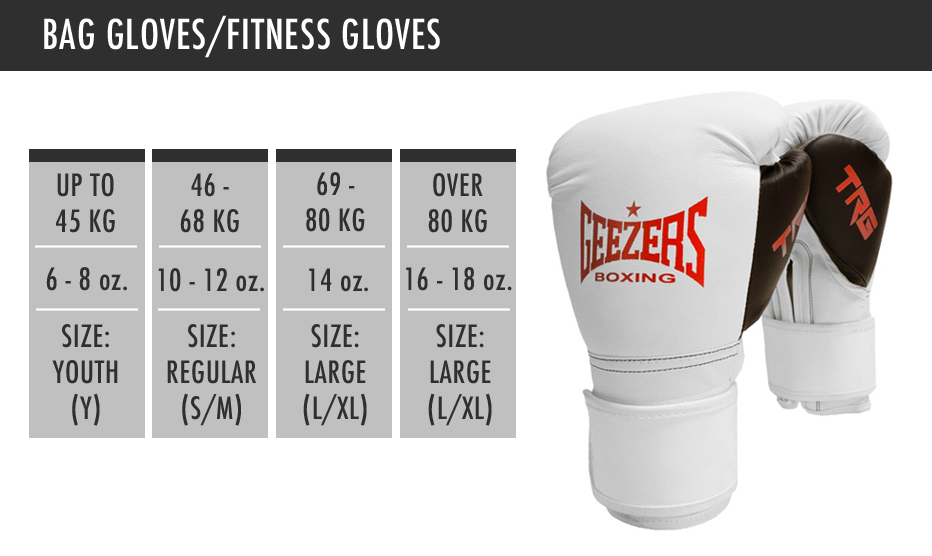
Sparring gloves usually weigh between 14 and 16 ounces. The extra padding helps protect both you and your partner. Heavier gloves reduce the risk of injury during practice. Choose gloves that fit well and feel comfortable for longer sessions.
Gloves For Bag Work
Bag gloves tend to be lighter, around 12 to 14 ounces. They offer enough protection while allowing speed and power. Lighter gloves help improve punching technique and endurance. Use gloves with firm padding to protect your knuckles from impact.
Gloves For Competition
Competition gloves are usually the lightest, often 8 to 10 ounces. They allow faster punches and better control during fights. Each boxing organization has specific glove weight rules. Make sure to check the rules before choosing your competition gloves.
Credit: www.geezersboxing.co.uk
Factors Influencing Glove Weight Choice
Choosing the right weight for boxing gloves depends on several key factors. These factors help you find gloves that fit well and protect your hands. The correct glove weight also improves your training and performance. Understanding these points makes your glove choice easier and more effective.
Body Weight And Hand Size
Your body weight plays a big role in choosing glove weight. Heavier boxers usually need heavier gloves for better protection. Lighter boxers often use lighter gloves to keep speed and control.
Hand size also matters. Bigger hands need bigger gloves for comfort and safety. Smaller hands require smaller gloves to avoid slipping inside the glove. Gloves that fit well reduce the risk of injury during training or fights.
Fitness Goals And Training Style
Your training goals influence glove weight choice. If you want to build strength, heavier gloves add resistance. This makes your muscles work harder.
For speed and technique training, lighter gloves allow faster punches. They help improve your hand speed and accuracy. Different training styles, like sparring or bag work, may need different glove weights. Sparring usually requires more padding, so heavier gloves are better. Bag work can be done with lighter gloves for better impact feel.
Material And Padding Differences
The material and padding of boxing gloves play a big role in their comfort and protection. Different materials affect glove durability and feel. Padding types influence shock absorption and hand safety. Understanding these differences helps in choosing the right gloves for your needs.
Leather Vs Synthetic
Leather gloves last longer and feel softer. They mold to your hands over time. Leather is more breathable and resists wear better. Synthetic gloves cost less and are easier to clean. They dry faster but may crack or tear sooner. For regular training, leather is often preferred. Beginners may start with synthetic gloves to save money.
Types Of Padding And Protection
Foam padding is common and absorbs impact well. Multi-layer foam offers extra shock absorption. Gel padding adds comfort and reduces hand strain. Some gloves mix foam and gel for better protection. Thicker padding protects your knuckles and wrists. Thin padding gives more speed but less cushion. Pick padding based on your training type and hand safety needs.
Proper Fit And Comfort Tips
Choosing boxing gloves with the right fit and comfort is key. Gloves that fit well protect your hands and improve performance. Poorly fitting gloves cause pain and injury. Focus on how gloves feel on your hands. Comfort helps you train longer and punch stronger.
Measuring Your Hand Size
Start by measuring your hand size. Use a flexible tape measure around your knuckles. Keep your hand flat and fingers together. Note the measurement in inches or centimeters. This size guides you to the right glove weight. Gloves come in various sizes based on hand width and length. Accurate measurement ensures better fit and protection.
Trying Gloves Before Buying
Try gloves before buying whenever possible. Wear hand wraps to get the real feel. Check if the gloves feel snug but not tight. Your fingers should move freely inside. Make sure the wrist strap fits securely. Gloves that slip or pinch cause discomfort. Test punching motions to confirm comfort. Proper fit reduces hand strain and injury risk.
Popular Brands And Models By Weight
Choosing the right boxing glove weight is important. Different brands offer various models suited for specific uses. Popular brands focus on quality, comfort, and protection. Each weight serves a purpose, from training to sparring. Here are some top gloves by weight and use.
Top Gloves For Beginners
Beginners need gloves that offer good protection and fit well. Gloves in the 12-14 oz range work best. Brands like Everlast and Ringside provide affordable options. Everlast Pro Style gloves are light and comfortable for new boxers. Ringside Apex gloves offer extra padding and wrist support.
Best Gloves For Sparring
Sparring requires gloves with more padding to protect both fighters. Gloves weighing 16 oz or more are common. Cleto Reyes and Venum have popular models for sparring. Cleto Reyes Hook and Loop gloves are durable and well-padded. Venum Elite boxing gloves offer great cushioning and wrist safety.
Recommended Gloves For Bag Work
Bag work needs gloves that can absorb heavy impact. Gloves around 14 oz are typical for this use. Title Boxing and Fairtex offer solid bag gloves. Title Gel World Bag gloves reduce shock and fit snugly. Fairtex Muay Thai gloves are tough and protect the hands well.
Maintaining And Caring For Gloves
Taking care of your boxing gloves helps keep them safe and fresh. Gloves can get sweaty and dirty after each use. This can cause bad smells and damage the material. Proper maintenance keeps gloves clean, comfortable, and lasting longer. Simple care routines make a big difference.
Cleaning Tips
Wipe gloves with a clean, damp cloth after every session. Use mild soap if they feel very dirty. Avoid soaking gloves in water to protect the padding inside. Dry gloves naturally in a cool place. Never use direct heat like a heater or sunlight.
Storage Advice
Store gloves in a dry, well-ventilated area. Avoid leaving them in a gym bag for days. Use a glove deodorizer or place dryer sheets inside to reduce odor. Keep gloves away from moisture to prevent mold and bacteria growth.
Extending Glove Lifespan
Let gloves air out after every use. Use hand wraps to reduce sweat inside the gloves. Regularly clean and store gloves properly. Replace gloves when padding feels soft or skin cracks appear. Good care means gloves last longer and stay safe.
:format(jpeg)/f/115220/1244x700/b5324542a6/boxing-glove-ounces-explained-youtube-video.jpg)
Credit: blog.joinfightcamp.com
Frequently Asked Questions
What Boxing Glove Weight Suits Beginners Best?
For beginners, 12 to 14-ounce gloves are ideal. They offer good protection and comfort during training sessions. These gloves balance weight and padding, helping new boxers build skill safely.
How Does My Weight Affect Glove Choice?
Heavier individuals usually need 16-ounce gloves for better hand and opponent protection. Lighter boxers can use 10 to 14-ounce gloves depending on training type. Choose gloves that match your body weight and training goals.
Which Glove Weight Is Best For Sparring?
16-ounce gloves are best for sparring because they provide extra padding. They help reduce injury risk for both you and your partner. Using heavier gloves in sparring ensures safer, more effective practice.
Can I Use The Same Gloves For Bag Work?
No, bag work requires lighter gloves, typically 10 to 12 ounces. Lighter gloves enhance speed and impact during punching bag sessions. Using the right weight protects your hands and improves workout quality.
Conclusion
Choosing the right boxing glove weight helps protect your hands and improve performance. Lighter gloves suit speed and training, while heavier ones offer more padding and protection. Think about your size, purpose, and comfort before picking gloves. Proper gloves make training safer and more enjoyable.
Take time to find what fits you best. Your hands will thank you.