Are you curious about how much a small dumbbell bar weighs? Whether you’re setting up a home gym or just want to know if your equipment matches your workout goals, knowing the weight of your dumbbell bar is key.
The right weight can make a big difference in your strength training progress and safety. Keep reading, and you’ll discover everything you need to know to choose the perfect dumbbell bar for your fitness routine. Don’t miss out on this simple yet important detail that could change the way you train!
Credit: www.tworepcave.com
Dumbbell Bar Basics
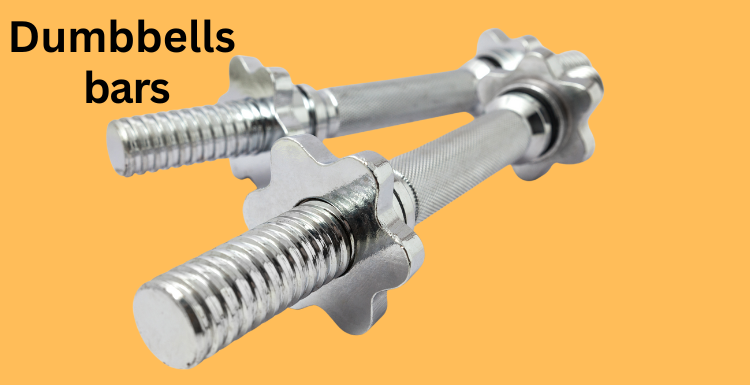
Dumbbell bars are the foundation of many home and gym workouts. They hold the weight plates you add for strength training. Understanding their basics helps you choose the right bar. Weight, size, and grip type affect your workout experience.
Small dumbbell bars are popular for their ease of use and storage. They fit well in small spaces and are good for beginners. Knowing their details can guide your purchase and training routine.
Common Materials
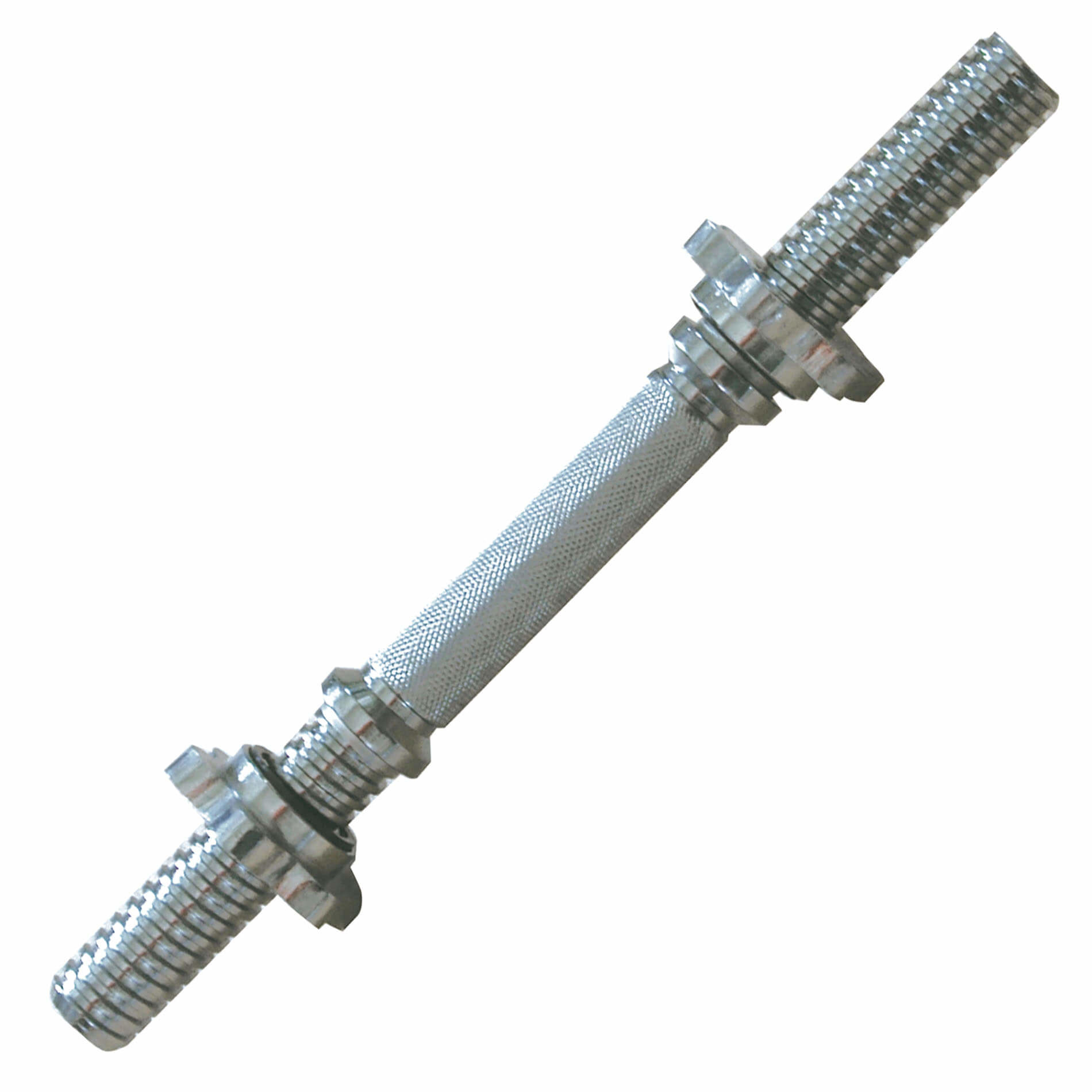
Dumbbell bars come in different materials. Steel is the most common. It is strong and lasts long. Some bars have chrome plating to prevent rust. Others use solid iron for durability. Plastic-coated bars offer a softer grip but less strength.
Standard Lengths
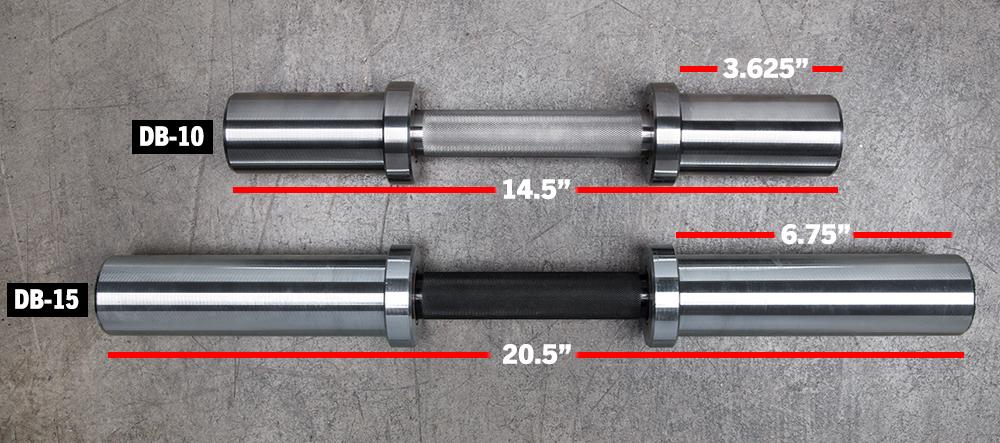
Small dumbbell bars usually measure 12 to 15 inches long. This size fits well in one hand. Longer bars are for heavier weights and two-hand grips. The length affects how much weight you can add. Short bars are easy to carry and store.
Grip Types
Grip design changes how comfortable and secure the bar feels. Some bars have smooth grips, which can be slippery. Knurled grips have small patterns to prevent slipping. Foam or rubber grips add comfort and reduce hand fatigue. Choose a grip that feels right for your hands.
Typical Weight Ranges
Small dumbbell bars come in different weight ranges. These ranges suit various workout needs and skill levels. Choosing the right bar weight helps improve strength and comfort. Below are typical weight categories for small dumbbell bars.
Lightweight Bars
Lightweight bars usually weigh between 2 to 5 pounds. They are perfect for beginners or those doing light exercises. These bars allow easy handling and control. Ideal for rehab or warm-up sessions.
Medium Weight Bars
Medium weight bars generally weigh from 5 to 10 pounds. They offer a balance between ease and challenge. Many users prefer these for regular strength training. They support gradual muscle building without strain.
Heavy Duty Bars
Heavy duty bars weigh over 10 pounds, often up to 15 pounds. They suit advanced lifters and intense workouts. These bars handle more weight plates for serious strength gains. Durable and sturdy to withstand heavy use.
Factors Affecting Bar Weight
The weight of a small dumbbell bar depends on several factors. These factors influence how heavy or light the bar feels during workouts. Knowing these details helps in choosing the right bar for your exercises.
Material Density
The type of material affects the bar’s weight. Steel bars are heavier than aluminum bars. Some bars use a mix of metals to balance weight and strength. Denser materials add more weight in less space. This factor directly impacts the bar’s overall heaviness.
Design And Thickness
The shape and thickness of the bar also matter. Thicker bars weigh more than thinner ones. A solid design adds extra weight compared to hollow bars. Bars with ergonomic shapes might weigh differently due to added material. These design choices change the bar’s feel and weight.
End Cap Styles
End caps come in various styles and materials. Some are made of heavy metal, adding weight. Plastic or rubber caps make the bar lighter. The size and design of the end caps also matter. They contribute a small but noticeable amount to the total bar weight.
Choosing The Right Bar Weight
Choosing the right small dumbbell bar weight is important for a safe and effective workout. The weight of the bar affects how hard the exercise feels and the results you get. Picking the right bar depends on your goals, strength, and the plates you use.
Understanding these factors helps you avoid injury and improve your performance. Here are some key points to consider when selecting the bar weight.
Based On Workout Goals
If you want to build muscle, choose a heavier bar that challenges you. For toning or light exercise, a lighter bar works better. The right weight helps you complete your sets without too much strain. Keep your goals clear before picking your bar.
User Strength Levels
Your strength matters when choosing a bar weight. Beginners need lighter bars to learn good form. Stronger users can handle heavier bars for more resistance. Start with a weight you control easily. Gradually increase as your strength improves.
Compatibility With Plates
Check if the bar fits the plates you have or plan to buy. Some bars only fit specific plate sizes. A secure fit keeps the plates from slipping during exercise. Make sure the bar’s length and diameter match your plates. This ensures a safe and stable workout.
Comparing Small Dumbbell Bars And Standard Bars
Small dumbbell bars and standard bars serve different purposes in strength training. Understanding their differences helps you choose the right equipment for your workouts. This section compares their weight, functionality, and portability.
Weight Differences
Small dumbbell bars usually weigh between 1 and 3 pounds. Standard bars are much heavier, often weighing 20 pounds or more. The lighter weight of small bars makes them easier to handle. Standard bars support heavier weights for more intense workouts.
Functionality And Uses
Small dumbbell bars work well for light exercises and beginners. They help build muscle slowly and improve form. Standard bars suit experienced lifters and heavy lifting routines. They allow adding more weight plates for strength training.
Portability Considerations
Small dumbbell bars are compact and easy to carry. They fit well in small spaces or travel bags. Standard bars are long and bulky, making transport difficult. They need more storage space at home or gym.
Credit: flybirdfitness.com
Tips For Maintaining Dumbbell Bars
Maintaining your small dumbbell bars keeps them safe and lasts longer. Simple care steps protect the metal and keep the grip firm. Regular attention prevents damage and rust, saving money and effort.
Cleaning And Care
Wipe dumbbell bars after each use with a dry cloth. Remove sweat and dirt to avoid buildup. Use a mild soap solution for deeper cleaning once a week. Dry the bars completely to prevent moisture damage.
Preventing Rust
Keep dumbbell bars dry at all times. Apply a thin layer of oil to metal parts monthly. This stops rust from forming on the surface. Avoid leaving bars in damp or humid places. Check bars regularly for any rust spots and clean them quickly.
Storage Solutions
Store dumbbell bars on racks or shelves to keep them off the floor. Use protective covers or cases if available. Keep the storage area clean and dry. Organize bars to avoid scratches and dents. Proper storage helps maintain bar shape and grip quality.
Credit: www.tunturi.com
Frequently Asked Questions
How Much Does A Standard Small Dumbbell Bar Weigh?
A standard small dumbbell bar typically weighs between 2 to 5 pounds. This weight allows easy handling and is ideal for beginners or light workouts.
What Factors Affect The Weight Of A Small Dumbbell Bar?
Material, length, and design mainly affect the dumbbell bar’s weight. Steel bars are heavier, while aluminum or plastic bars are lighter.
Are Small Dumbbell Bars Adjustable In Weight?
Yes, many small dumbbell bars are adjustable. You can add or remove weight plates to customize the total weight.
How Does The Dumbbell Bar Weight Impact Workouts?
The bar weight influences exercise intensity and control. Lighter bars suit endurance training, while heavier bars improve strength and muscle growth.
Conclusion
A small dumbbell bar usually weighs between 2 to 5 pounds. This weight helps you add plates easily and adjust your workout. Knowing the bar’s weight helps plan your exercise better. It keeps your training safe and effective. Choose a bar that fits your strength and goals.
Simple but important for progress. Keep this in mind when buying or using dumbbells. It makes your fitness routine clear and strong.