Are you confused about how much dumbbell weight you should lift to build stronger, bigger biceps? Picking the right weight is key to making real progress without risking injury.
If you choose weights that are too light, your muscles won’t grow. Too heavy, and you might hurt yourself or lose proper form. You’ll discover exactly how to find the perfect dumbbell weight for your biceps. By the end, you’ll have a clear plan to boost your arm strength and see real results faster than you thought possible.
Keep reading—you’re about to take your bicep workouts to the next level.

Credit: www.wikihow.com
Choosing The Right Weight
Choosing the right dumbbell weight is key for building strong biceps safely. The correct weight helps you grow muscle without risking injury. It also keeps your workouts effective and enjoyable. Knowing how to pick the best weight depends on several things. Understanding these can guide you to better results.
Factors Influencing Weight Selection
Your current strength level matters a lot. Beginners need lighter weights to learn proper form. Experience with lifting allows for heavier weights. Your fitness goals also play a role. For muscle size, heavier weights with fewer reps work well. For endurance, lighter weights with more reps help. Age and any past injuries affect weight choice. Always listen to your body’s limits.
Starting Light Vs. Going Heavy
Start with lighter weights to avoid strain. This helps you perfect your technique first. As you gain confidence, increase the weight gradually. Going too heavy too fast can cause injury. Slow and steady progress leads to better gains. Focus on controlled movements over the amount lifted. Your muscles need time to adapt and grow stronger.
Signs Your Weight Is Too Light Or Too Heavy
If the weight feels easy and you finish quickly, it is too light. You won’t challenge your muscles enough. On the other hand, if you struggle to lift or lose form, it is too heavy. Pain or sharp discomfort is a clear warning. Proper weight causes muscle fatigue by the last reps. Adjust weights to find the balance between effort and control.
Weight Recommendations By Experience
Choosing the right dumbbell weight for biceps depends on your experience level. Different stages require different weight ranges. This helps you build strength safely and avoid injury.
Start with manageable weights. Increase weight as you grow stronger. The right weight challenges your muscles without causing strain.
Beginners
For beginners, start light. Use dumbbells between 5 to 15 pounds. Focus on learning the correct form first. Lift slowly and control each movement. This builds a strong foundation.
Intermediate Lifters
Intermediate lifters can use 15 to 30 pounds. Your muscles are stronger now. Increase weight to keep challenging them. Aim for 8 to 12 reps per set. This promotes muscle growth and endurance.
Advanced Lifters
Advanced lifters lift 30 pounds or more. Your muscles can handle heavier weights. Use weights that allow 6 to 10 reps per set. Push yourself but keep good form. This helps build muscle size and strength.
Reps And Sets For Bicep Growth
Reps and sets play a big role in building bigger biceps. Choosing the right number of repetitions and sets helps your muscles grow. It also stops injury and keeps your workouts effective. This section explains the best ways to plan reps and sets for bicep growth.
Optimal Repetition Ranges
For muscle growth, aim for 8 to 12 repetitions per set. This range works well to challenge your biceps without causing too much strain. Lifting lighter weights with more reps builds endurance but less size. Heavier weights with fewer reps build strength but may not grow muscle as much. Keep reps steady and controlled for best results.
Set Structures For Strength And Size
Perform 3 to 4 sets per exercise for good muscle growth. More than 4 sets may cause fatigue and reduce focus. Less than 3 sets might not stimulate enough growth. Use a mix of exercises to hit your biceps from different angles. This helps build balanced and fuller muscles. Rest between sets is just as important.
Rest Periods Between Sets
Rest 30 to 60 seconds between sets for muscle size. Short rests keep your muscles under tension longer. This tension helps trigger growth. For strength gains, rest 1 to 2 minutes to let muscles recover fully. Avoid resting too long or too short to keep workouts effective. Find a rest time that suits your goals and fitness level.

Credit: strengthlevel.com
Adjusting Weight Over Time
Adjusting the dumbbell weight over time is key to building stronger biceps. Muscles grow when they face new challenges. Staying with the same weight for too long can slow progress. Gradually increasing weight helps keep your workouts effective and your muscles growing.
Progressive Overload Techniques
Progressive overload means slowly increasing the difficulty of your exercises. You can add more weight to your dumbbells step by step. Another way is to do more repetitions or sets. Changing the speed of your lifts can also increase challenge. These methods push your muscles to adapt and grow.
When To Increase Dumbbell Weight
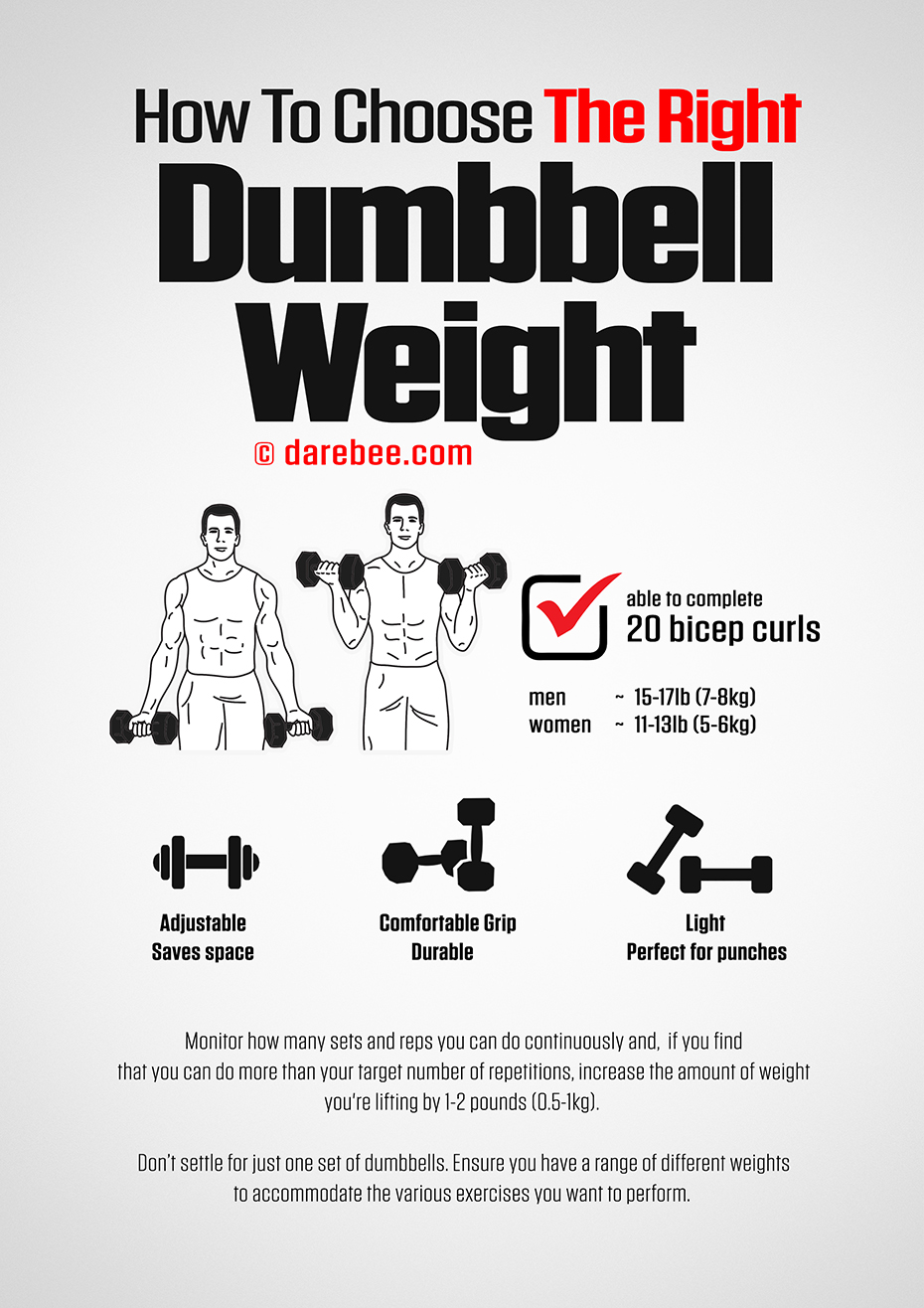
Increase weight when the current load feels easy. If you can do 12-15 reps without struggle, it’s time to add weight. Your last reps should feel challenging but doable. Avoid lifting too heavy too fast to prevent injury. Small, steady weight increases work best for strength gains.
Tracking Your Progress
Keep a workout log to track your dumbbell weight and reps. Note how you feel during each session. Write down when you increase weights or reps. Tracking helps you see patterns and avoid plateaus. It keeps you motivated and focused on your biceps goals.
Common Mistakes To Avoid
Choosing the right dumbbell weight for biceps is important. Many people make mistakes that slow progress or cause injury. Avoiding these common errors helps you get better results safely. Focus on good habits and steady improvement.
Using Momentum Instead Of Muscle
Some lifters swing the dumbbells to lift heavier weights. This uses momentum, not the biceps. It reduces muscle work and increases injury risk. Lift slowly and control the weight. Feel your biceps doing the work every time.
Neglecting Proper Form
Good form is key to building strong biceps. Poor posture or wrong arm position wastes effort. It can cause strain in other muscles. Keep your back straight and elbows close to your sides. Move only your forearms to focus on the biceps.
Ignoring Warm-up And Recovery
Skipping warm-up puts your muscles at risk of injury. A light warm-up increases blood flow and flexibility. Recovery is just as important. Rest your muscles between workouts to grow stronger. Stretch and hydrate to help your body heal.
Credit: darebee.com
Safety Tips For Dumbbell Training
Safety is key in dumbbell training for biceps. Proper technique helps prevent injuries. It also makes workouts more effective and enjoyable.
Following safety tips protects your wrists, muscles, and joints. These tips help you train smart and steady.
Proper Grip And Wrist Position
Hold the dumbbell firmly but not too tight. A tight grip can cause wrist strain. Keep your wrist straight and aligned with your forearm. Avoid bending your wrist during curls. This position reduces risk of injury and improves strength.
Avoiding Injury
Start with lighter weights to warm up your muscles. Move slowly and control the dumbbell’s motion. Do not swing or jerk the weight. Stop if you feel sharp pain or discomfort. Rest between sets to allow muscles to recover. Stretch your arms before and after training.
When To Seek Professional Guidance
Ask a trainer if unsure about your form or weight choice. A coach can show proper techniques and correct mistakes. Seek help if you have existing joint or muscle pain. Professional advice ensures safe and effective workouts.
Frequently Asked Questions
How Do I Choose The Right Dumbbell Weight For Biceps?
Start with a weight that lets you perform 8-12 reps with good form. It should challenge your muscles without causing strain. Gradually increase weight as you get stronger to continue building muscle effectively.
What Is The Ideal Dumbbell Weight For Beginners?
Beginners should start with light weights, typically 5-15 pounds. This helps master proper form and reduces injury risk. Focus on controlled movements and increase weight slowly once comfortable and confident.
How Often Should I Increase Dumbbell Weight For Biceps?
Increase weight every 2-4 weeks depending on progress. When you can easily complete 12 reps with good form, it’s time to add more weight. This progressive overload promotes muscle growth and strength.
Can Lifting Too Heavy Dumbbells Harm Biceps Growth?
Yes, lifting too heavy can cause poor form and injury. It may also reduce workout effectiveness. Use a weight that allows controlled, full-range motion to maximize muscle growth safely.
Conclusion
Choosing the right dumbbell weight helps build strong biceps safely. Start with a weight you can lift 8 to 12 times with good form. Challenge yourself, but avoid weights that cause pain or poor technique. Gradually increase weight as your muscles grow.
Consistency matters more than heavy lifting alone. Listen to your body and rest when needed. This approach supports steady progress and reduces injury risk. Keep your workouts balanced for the best results. Stronger biceps come with patience and smart training.